Home Blog Page 1364

3.77 crore rural households now have access to tapped water connections under Jal Jeevan Mission

jal jeevan mission
Featured Image Credits: Indian Express

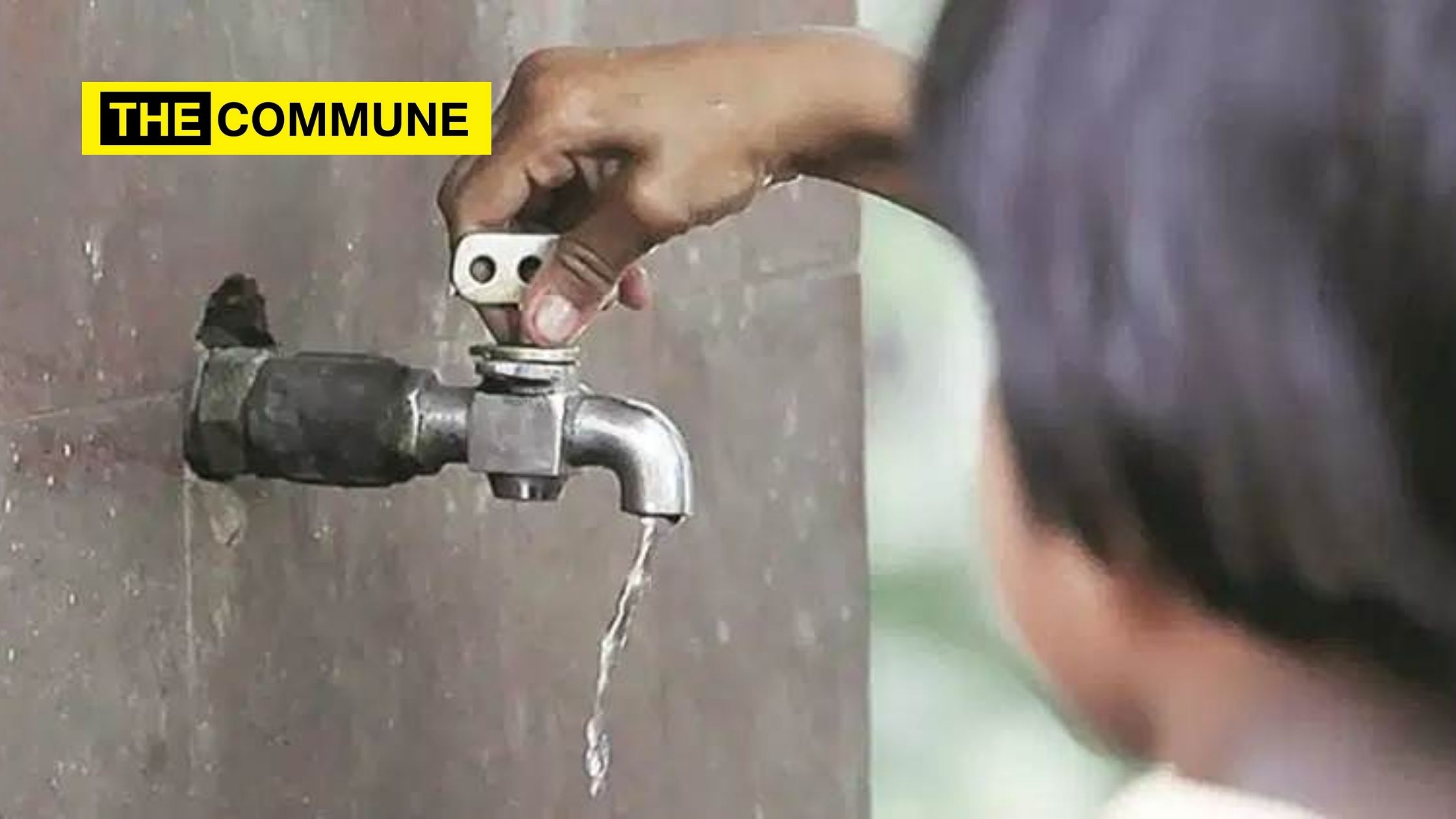
The Centre on Tuesday (10 March) said that about 3.77 crore rural households now have access to tapped water connections under the Jal Jeevan Mission (JJM).

The JJM will directly bring benefits to more than 19 crore rural families, improving public health. This is a significant achievement in improving public health after the Swachh Bharat Abhiyan.

In a statement, the Ministry said that despite the COVID-19 pandemic and lockdown, the drinking water supply work continued to provide nearly one lakh connections every day.

The promise of providing tap water connection in every rural household by 2024 was made by Prime Minister Narendra Modi on 15 August 2019, from the ramparts of the Red Fort.

“At the time when the mission was announced, out of 18.93 crore rural households, only 3.23 crore (17 per cent) had tap water connections. About 15.70 crore households were to be provided with tap water by 2024,” the statement said.

“Despite pandemic and lockdown, the drinking water supply work continued. The lockdown-1 was utilized for planning activities. Further, water supply was deemed one of the essential items and the work continued following due precautions. There were almost over lakh connections being provided every day,” the ministry stated.

The ministry pointed out that every family living in 52 districts, 670 blocks, 42,100 Panchayats and 81,123 villages are getting assured tap water supply in their homes.

“Goa has become the first state in the country to provide 100 per cent tap water connections followed by Telangana. Different states are competing with each other and focusing on the target to ensure that every household in the country gets safe drinking water,” the statement added.

Click here to subscribe to The Commune on Telegram and get the best stories of the day delivered to you personally.

Twitter deletes handle of India-based journalist Francois Gautier

francois gautier

Microblogging site Twitter has again used its unilateral power to delete accounts in order to censor and suppress freedom of speech on its platform. The latest account to be deleted is the Twitter handle of journalist Francois Gautier.

Gautier, who is an Indophile, is an India-based journalist who served as the South Asian correspondent for multiple reputed French-language dailies. He also wrote columns for Indian newspapers. He is particularly known for his interest in Indian history. Gautier has also authored books on India and his experiences in the country.

Editor and author Anand Ranganathan called for Twitter to restore Gautier’s account.

https://twitter.com/ARanganathan72/status/1369167593924259841

Academic and political commentator Madhu Purnima Kishwar also criticised Twitter’s banning of Francois Gautier and, tagging the Union Minister of Electronics and Information Technology, Ravi Shankar Prasad, asked that the big tech company be “taken to task”. Reportedly, Gautier had tweeted in criticism of Swedish radical climate activist Greta Thunberg and Disha Ravi, an accused in the recent ‘toolkit’ case, before his account was banned.

Earlier, Oxford University student Rashmi Samant’s handle had been deleted but was later restored. However, she had lost all her followers. Samant, who was elected as the student body president at Oxford, had to resign from the presidentship of the Oxford University Students’ Union after she was bullied and accused by a section of people for being racist and transphobic. Samant is the first female from India to be elected to the post.

Twitter, on many occasions, has used its powers under its practices to ban accounts which it claims to spread hate and incite violence. Last year, former US President Donald Trump was banned from the social platform and his account was deleted. More recently, PM Modi’s tweet commemorating the bit anniversary of Chhatrapati Shivaji was censored.

Click here to subscribe to The Commune on Telegram and get the best stories of the day delivered to you personally.

Kerala Congress leader PC Chacko resigns ahead of polls, says party is like ship without rudder

PC Chacko
Featured Image Credits: ANI

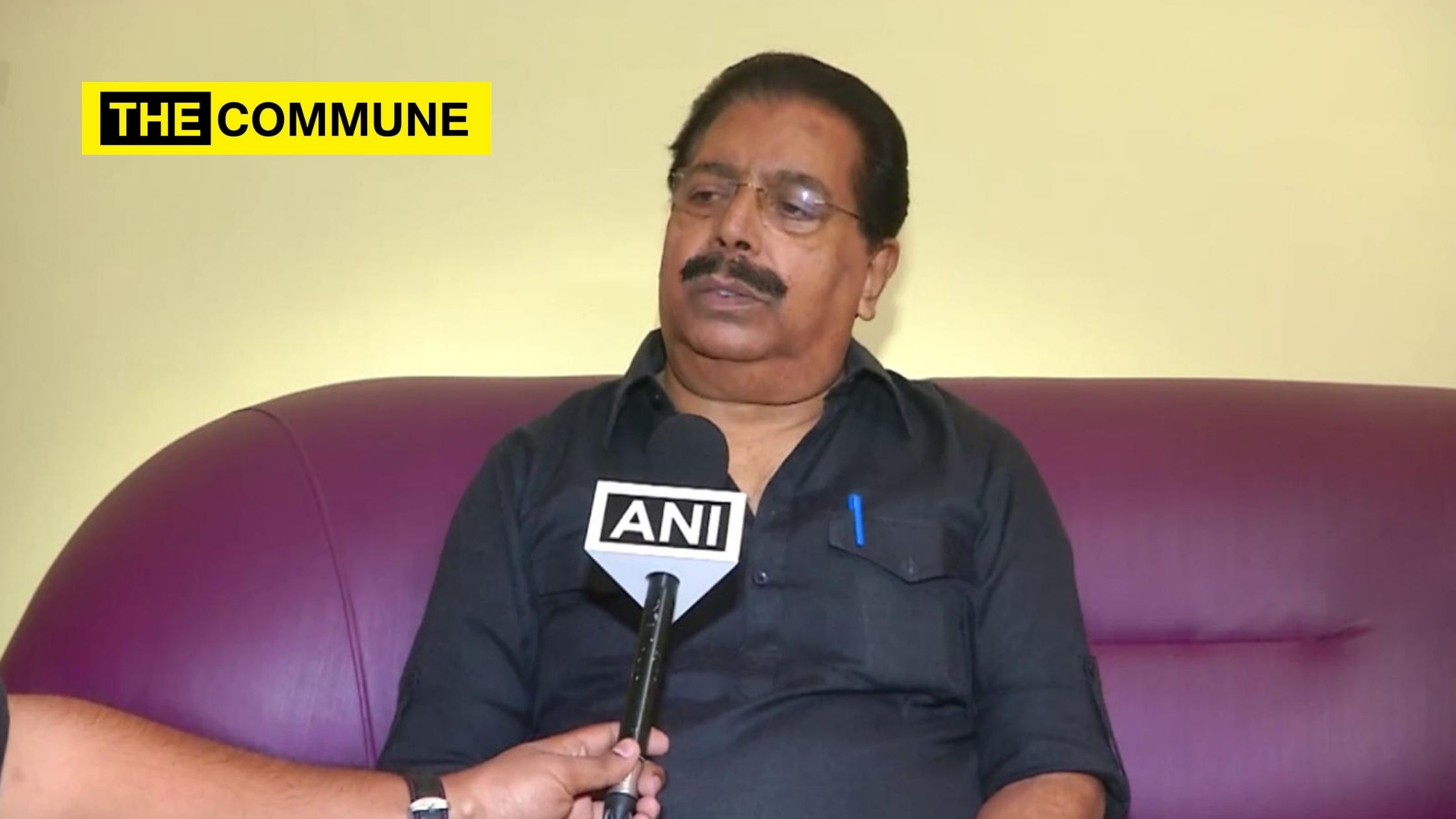
In another reversal of fortunes for the Congress party in the poll-bound state of Kerala, senior leader and former general secretary of Congress PC Chacko resigned from the party on Wednesday (10 March).

The reason for his resignation was due to the Kerala unit of the Congress party suffering from groupism and a lack of consideration for merit, reports Hindustan Times.

“There is no democracy left in Congress. Candidate list has not been discussed with the state Congress committee. I have sent my resignation to Sonia Gandhi,” Chacko said.

“Being a Congressman in Kerala is very difficult. If you belong to some group in Congress then only you can survive. The leadership of Congress is not that much active,” he added.

Chacko then went on to call the Congress a “rudderless ship” that has “failed to find a president for more than a year”.

“I had been deliberating upon this decision for the past many days. I come from Kerala where there’s no Congress party as such. There are two parties – Congress (I) and Congress (A). It’s a coordination committee of two parties functioning as KPCC,” he said.

“Both Ramesh Chennithala and Oommen Chandy always divide seats and organisational posts between them. In Kerala, only those who are part of two groups have a future and others are always sidelined,” he added.

“Kerala is facing a crucial election. People want Congress to come back but there’s groupism practised by top leaders of Congress. I’ve been arguing with high command that this should be ended. But the high command is also agreeing to the proposal given by both groups,” Chacko rued.

“I am unhappy with the functioning of the Kerala Congress. Congress is becoming weaker and weaker day by day, if my resignation opens the eye of the party, then I will think my resignation has served the purpose,” he said.

Click here to subscribe to The Commune on Telegram and get the best stories of the day delivered to you personally.
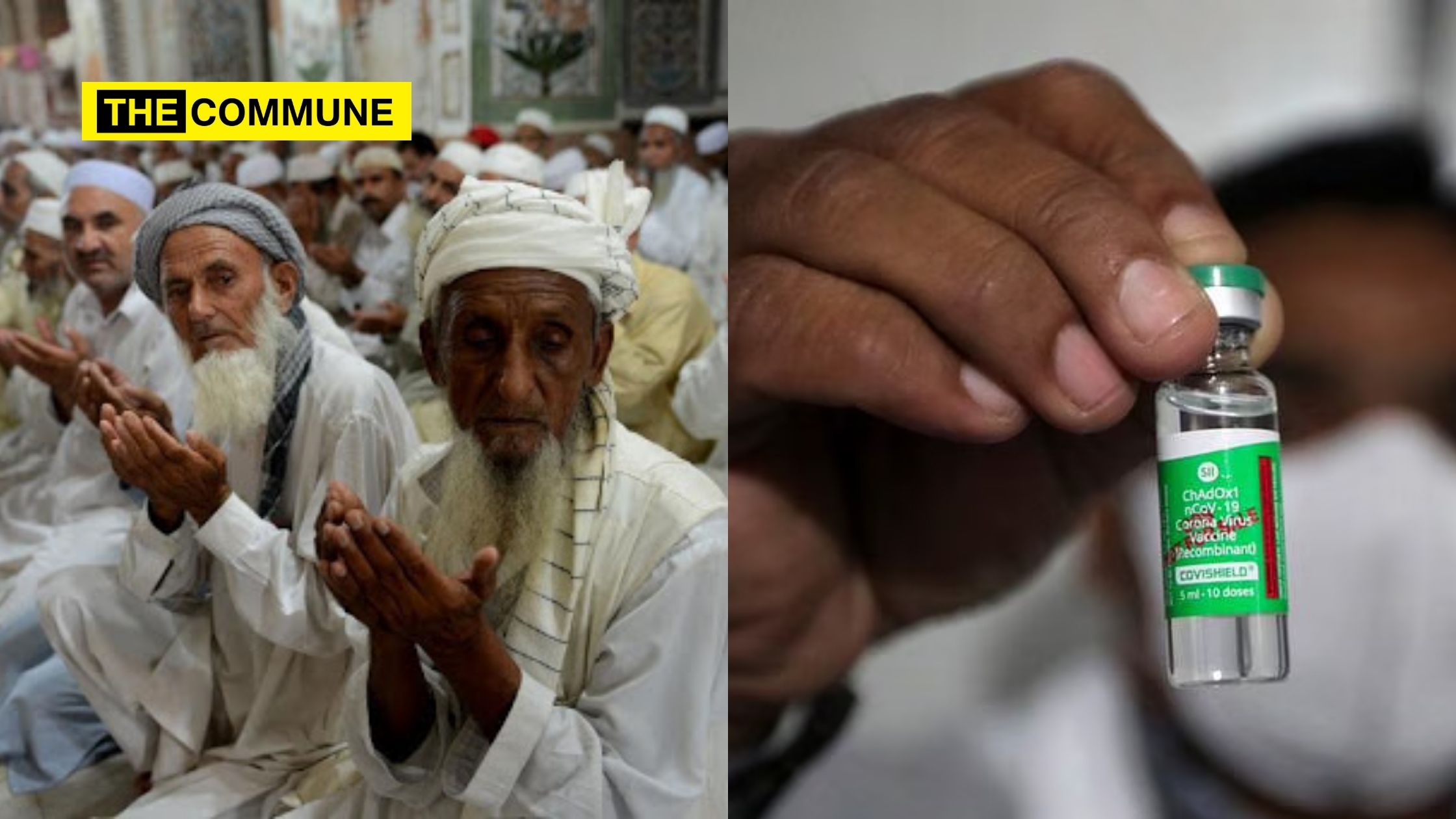
Pakistan to receive free COVID-19 vaccines from India under COVAX

pakistan covishield vaccines

In a significant development, made-in-India COVID-19 vaccines will be provided to Pakistan under the international humanitarian conventions, wherein countries are obliged to help enemy countries even if stringent sanctions are in place, reports Indian Express.

Pakistan will receive these vaccines through the COVID-19 Vaccines Global Access (COVAX) facility, which is the global alliance for supplying vaccines across the world.

However, the supply of the vaccines could take some time as logistics have to be sorted out and the approvals are yet to come through. It is expected that the vaccine doses will go directly from India to Pakistan.

Pakistan’s drug regulator, the Drug Regulatory Authority of Pakistan, had already approved Oxford-AstraZeneca’s COVID-19 vaccine for emergency use in January this year.

Under the ‘Vaccine Maitri’ (Vaccine Friendship) policy, India has supplied vaccines to at least 65 countries in the form of grants (free of cost) and through commercial sales.

As per data made available by the Ministry of External Affairs, 579.19 lakh doses have been supplied in all − of which 163 lakh doses have been supplied under COVAX, 77 lakh doses under grant and 338 lakh doses under commercial deals.

With PM Modi’s policy of “Neighbourhood First”, Bangladesh, with 90 lakh doses, tops the list of countries that have got vaccines.

Pakistan, which is on the brink of economic collapse, is getting vaccine doses through the COVAX facility which is an alliance set up by Global Alliance for Vaccines and Immunisation, Coalition for Epidemic Preparedness Innovations and World Health Organization in April last year.

Under this alliance, free vaccines are provided for 20 per cent of the population in around 190 countries, including Pakistan.

Click here to subscribe to The Commune on Telegram and get the best stories of the day delivered to you personally.
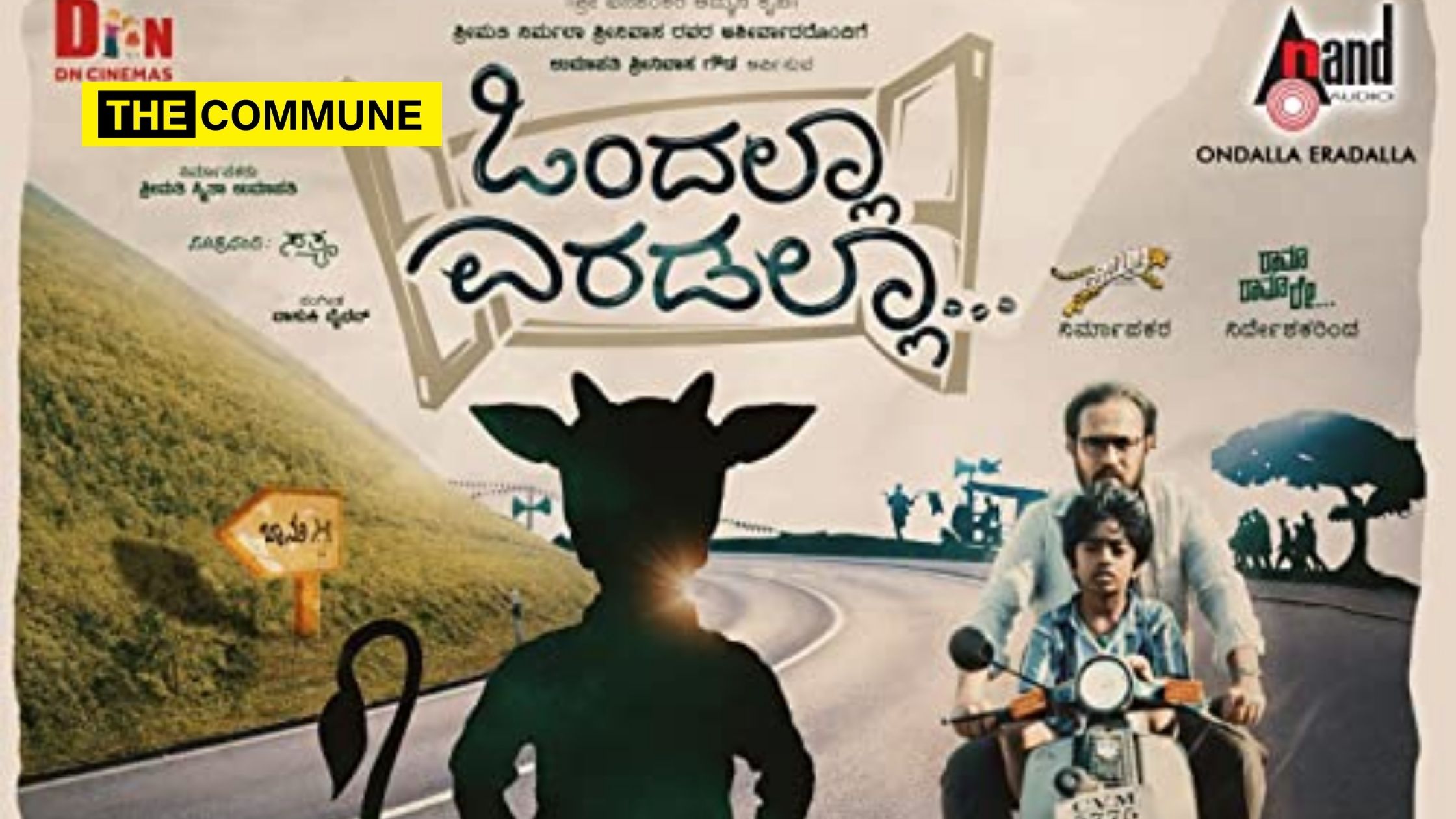
Ondalla Eradalla – A hilarious child’s view on the world

The opening credits of Satya Prakash‘s 2018 Kannada movie Ondalla Eradalla (streaming on Amazon Prime Video) rolls out with a song that depicts how unity is important to the world just like how a tune is important to a song, and how being united is probably the best gift that we could give our mother land. With the film receiving National Award for Best Feature Film on National Integration, it isn’t a surprise that the movie takes up social issues on Unity, Harmony and Love.

A man and his wife have been trying for a child for a long time. The man is part of a party whose Party symbol is Tiger, he is dressed up as a tiger for election campaign. There is an opposition party whose Party symbol is Cow and a small boy is dressed as a cow for the election campaign. After a certain set of events, this tiger and cow become friends, and this tiger starts feeling that this cow is like a son to him. The concept of casteism is brought in so organically, that it insists that there is no reason for caste to interfere when there is pure love.

Later, this tiger and cow go about searching for Bhanu, they even shop for ornaments and dresses for Bhanu. This particular premise does seem like Bhanu is that character that drives the whole movie, and you know what, she actually does.

Just to clarify, the “animals” mentioned above are actually humans – Sameera and Huli (which literally translates to Tiger in Kannada), and the Bhanu is the cow that Sameera loses.

The above mentioned depiction of a weird friendship being taken up to show casteism is how visually correlated imagery the entire movie has, and it is indeed beautiful and satisfying to watch such a movie.

Sameera (Rohith Pandavpura, who won National Award for Best Child Artist for this movie) is a 7-year old boy, who loves his Bhanu the cow/calf. They both are partners in crime, they roam the streets together all day with a bunch of bananas. Sameera does not think of Bhanu as a cow or an animal, but considers her as one of his friends that he even takes her with him for playing hide and seek. But being a cow, it moos and gets caught during the game which makes Sameera to properly hide Bhanu the next time they play. Unfortunately, this leads to Bhanu being accidentally taken by a goods van, after which Sameera goes all over the town in search of Bhanu.

The movie has a lot of parallel imagery and addresses socio-economic issues in a way that isn’t strong and vehement, but is put in a very subtle and comic manner.

A man (aforementioned “tiger”, Huli) has been trying for a child for a long time, believes that a cow-donation will bear him and his wife a child. Upon consulting a priest, the priest says that “handing over” Sameera, dressed as cow, to their parents is good enough to be considered the cow-donation that they intent to do.

Another man, who becomes mentally stagnant in time because he lost his son 25-30 years back, thinks that Huli is his long lost son and caters to his wounds. Huli who has neither seen a father nor is a father, feels that this man is indeed his father when he had held his leg and dressed up his wound, in a world where people talk with their legs (kick them). He also regrets not having a son like Sameera during his shopping times for Bhanu. The two men attain fatherhood, even though they are not really the fathers of their recently identified sons. There is an unexplainable yearning and pain (but an internal happiness) when you hear/say the words “My son”, “My father”, even though they are not yours.

The chase sequence (mentioned earlier) between the tiger and the cow is visually and conceptually brilliant. The sounds and the visuals have been made to be similar to an actual chase sequence between the two. The fear of the cow and its movement (the kid Rohith Pandavpura has been carefully auditioned and chosen, as his legs are slightly curved resembling a cow’s feet) and the vanity of the tiger in spite of its ferocious efforts has been shown brilliantly in this chase sequence.

However, in the hindsight, this particular chase sequence has quite a few social comments for us to make note of. The fight is depicted to happen between a hierarchically stronger tiger and an oppressed cow, which symbolises that the fight happens between two different class or caste. The fight or chase is being triggered by the people who particularly do not intend to get into this mess and those people on the receiving end of this trigger movement do not actually intend to be a part of this mess but reluctantly agree to it to supposedly show their loyalty. When this “tiger” and the “cow” get acquainted and become friends/family, it shows that caste or class does not come in between the real love or affection, all these are just superficial things that are being falsely constructed in the society.

Though these are very serious socio- political issues, there isn’t an ounce of seriousness in these scenes, these scenes are a laugh riot, hilariously staged, hence there is no need to worry that this movie needs a certain mood to watch. On the contrary, this movie lifts your mood to a very happy one.

There is a Hindu man, who has a rare blood group, donates his blood to an unknown Muslim man. Also, this Hindu man, though is on his way to celebrate his son’s Many more happy returns of the day, feels happier to buy a random small boy a new dress as he sees this boy gleaming with happiness while donning it. Wife of a poor banana vendor, without any hesitation, is ready to give away all her jewels in exchange for whereabouts of her neighbour’s lost brother. A family sacrifices their father’s pilgrimage to Mecca and their sister’s higher studies just because they would have to sell off their favourite cow for money. A Muslim boy without any awareness steps into a temple to offer prayers for his lost cow, the boy habitually calls the temple priest as “Moulvi Sab”, though the priest is initially shocked he immediately realises the innocence of the boy and prays for the boy by performing puja to another Animal God (Lord Hanuman).

The biggest takeaway from the movie is that it wants the Muslims (Sameera) and Hindus (Bhanu) to keep going back to the very same place where they both were born, where they both first met each other and became friends, and not lose each other while playing hide and seek.

Ondalla Eradalla is a movie on Unity among people coming from different walks of life. At the end of the day, Love and Harmony, irrespective of class, caste and creed, are the two things that would make this world a better place to live. When we see how a child and an animal treat each other with Love, without any inhibitions and discrimination, only then we tend to realise that men treat each other similar to how animals reluctantly treate each other for their own survival.

Click here to subscribe to The Commune on Telegram and get the best stories of the day delivered to you personally.
Queer student in King’s College London targeted for supporting Hindu cause

Jagan  (name changed), a student from Kings College, London has revealed about how he was discriminated by one Alli, a Christian student in his college who is also an officer in the college’s KCLLGBT+ society. He said that he had been branded a ‘Hindu nationalist’ and accused of  ‘being against other religions’ for voicing out atrocities committed against Hindus.

In a social media post, he said he said that Alli had made discriminatory remarks against him and ‘doxed’ him for voicing out on Hindu persecution and other issues related to Hindu community.

“I am currently a Physics graduate student at KCL. I have been involved in the newly founded QPOCPROJECT, a multi-university project founded by a current 3rd year KCL student, since January 2021, which aims to provide queer people of colour a platform.” he introduced himself in the post.

He said that he was the Interfaith Representative on the committee until now, despite being closeted.

“I wanted to organise events centred around faith, culture and LGBTQ+ issues. I myself am very interested in Dharma and have tried to explore Dharma pertaining to LGBT issues many times and so I wanted to integrate Hindu and Indian LGBTQ+ people within this project too. I have helped organise an upcoming (tomorrow) event with a gay Hindu couple and have been finding many queer activists of different faiths (such as Islam etc) to be speakers.” he added.

He said that he was to organise a panel with one of the KCLLGBT+ society’s officers Alli, who he claims to be a ‘proud Christian’. He said that he had found speakers from the Hindu and Pagan faith backgrounds but Alli had left him hanging for 3 weeks with no information on how to proceed. When he asked his president, she told her that she had been avoiding him and did not want to collaborate because she thinks he was a ‘Hindu nationalist’ and was ‘against people of other religions’. Apparently, this conclusion was arrived based on the content Jagan shared on Instagram.

“My sharing has always been to raise awareness on Hindu issues, Hindu persecution, Hinduism without any political leaning nor hatred towards particular faith groups. But on the whole, the President of the QPOCPROJECT agrees that this is racist and is a form of Hinduphobia. I want to take this matter up with the Union because it has resulted in the President of the QPOCPROJECT (without any personal agenda, but from an organisation POV) to relieve me of my position to prevent any controversies within the organisation from arising. My ex-President was interested in supporting me initially with regards to contacting the Union and making a report, apparently, Alli has the evidence of my ‘Hindu nationalist and fascist posts that I shared and liked’ (which I find weird and stalkerish) but that evidence has not been made available to me to justify.” he said in his post.

He went on to say, “On the Instagram page ‘Hindusofcampus’, I made an anonymous submission about the incident, without posting personal details of any individuals nor organisations involved. Many individuals sympathised and empathised with the incident in the comment section. The page posted my submission, and the Vice President of the QPOCPROJECT (perhaps as suggested by the President of the QPOCPROJECT) found the post and ‘doxxed’ me, by exposing my sexual identity and making allegations of Islamophobia on me. He later threatened me further on WhatsApp. The crux of the matter was, that I had indirectly referred to a ‘Queer POC organisation’ due to which they felt the attack was made against them.”

Jagan explained that the submission made was in the context in which it occurred and that his issues were with the individual who had made bigoted allegations on him.

“I have not named the organisation (QPOCPROJECT), KCLLGBT nor any individuals. I was threatened that it could result in my ‘suspension’ off of my degree course. I felt very anxious and distressed by this personal attack made on social media, and I could not sleep through the night and felt I had to speak with a Union member urgently.” Jagan said.

He noted that formerly, the QPOCPROJECT, especially the President, had been very cordial and helpful in supporting him but the President has now blocked him on social media and is no longer reachable.

“My issues do not lie with the QPOCPROJECT at all, but it was very wrong (and ‘doxxing’ is illegal as per my knowledge) of the Vice President using threatening language against me. I would ideally prefer not to report the QPOCPROJECT, but rather to resolve these differences, and to focus on the report or disciplinary action being made against the individual – Alli – who has made discriminatory comments against me.” Jagan said.

Recently, an Indian student named Rashmi Samant quit as the President-elect of the Oxford Students Union, after her religious sentiments and regional background were targeted by a faculty in the college.

Click here to subscribe to The Commune on Telegram and get the best stories of the day delivered to you personally.
Church complex built on top of 7th century cave temple in Tamil Nadu, complaint lodged

church cave temple
Featured Image Credits: Reclaim Temples\Twitter

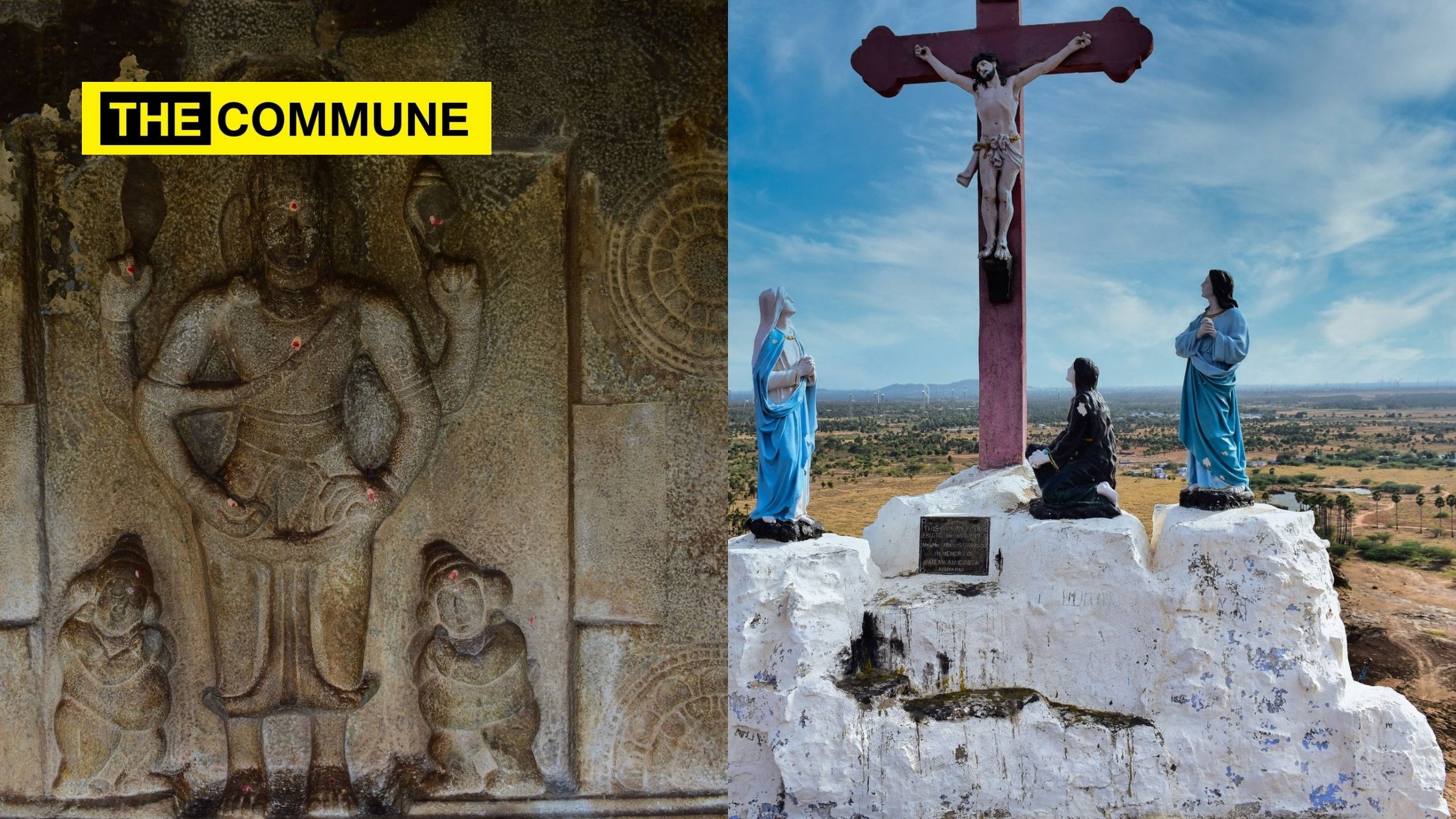
Authorities have been yet again caught napping as a church complex has been built on top of the ancient Thirumalapuram cave temple in Tiruneveli, Tamil Nadu.

The church complex is built by illegally encroaching on the temple hill beneath which lies the seventh century cave temple. Dated to the Pandyan era, the Thirumalapuram cave temple is dedicated to the God Shiva and housed a monolithic Shiva Linga, until it was reportedly destroyed by Christians. By virtue of being a site of historical importance, the site is under the supervision of the Archaeological Survey of India (ASI).

The Sendamaram Tirumalaimatha Church built on top of the cave temple comes under the authority of the Diocese of Palayamkottai. The Diocese’s website even mentions that the chapel and Christian structure was built on top of  a pre-existing Hindu temple.

The Legal Rights Observatory (LRO) has filed complaints with the ASI and the Ministry of Culture against this encroachment. The LRO requested “immediate intervention” regarding the issue.

Cases of temple land encroachment ― by various groups for a variety of purposes ― are a dime a dozen in the nation. Particularly, the states of Tamil Nadu and Andhra Pradesh are seeing a rise in cases where Christian groups build unauthorised and illegal religious structures on encroached land.

Click here to subscribe to The Commune on Telegram and get the best stories of the day delivered to you personally.
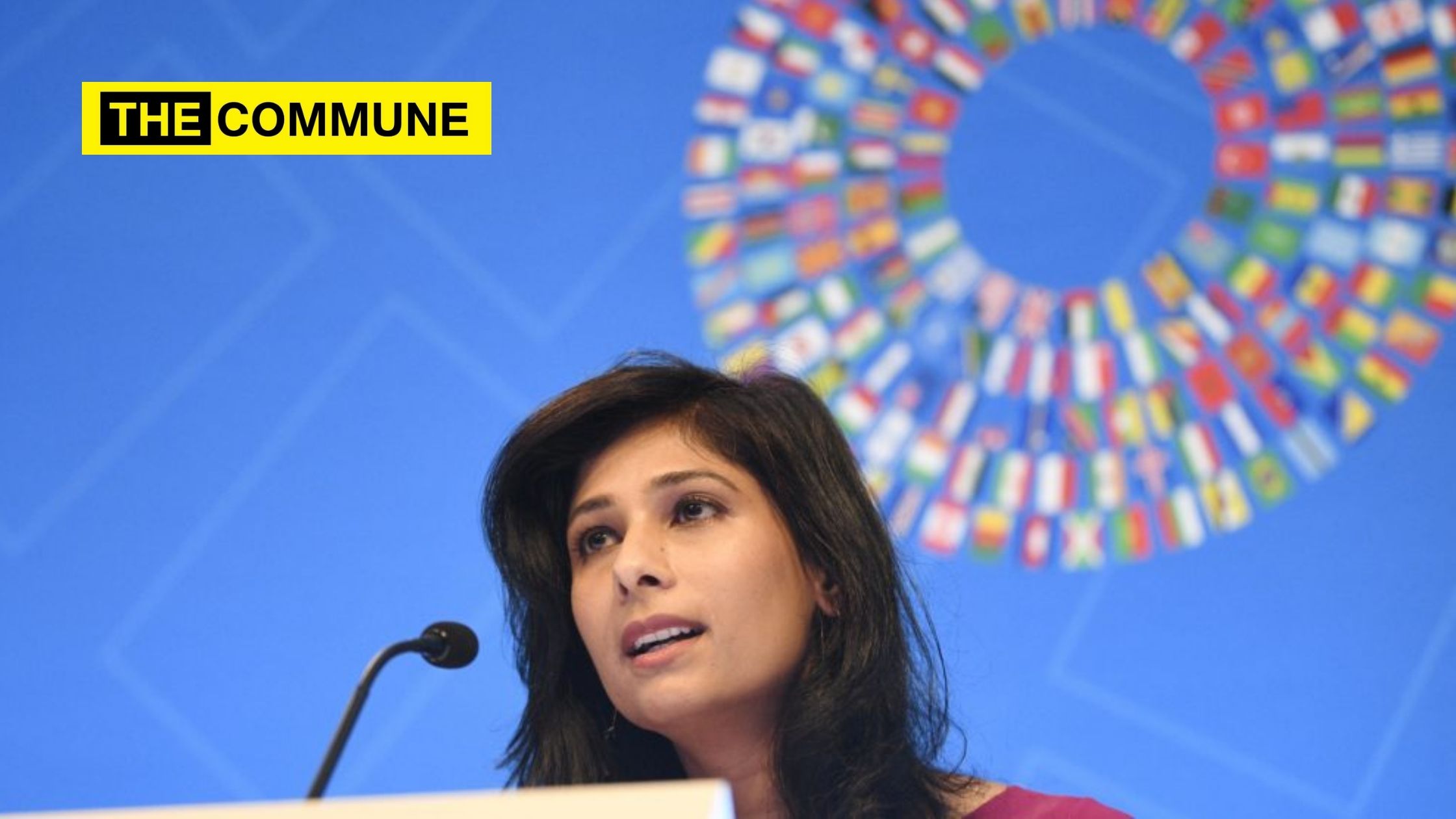
IMF chief economist Gita Gopinath says India “at the forefront” in fighting COVID-19

Gita Gopinath

The chief economist of the International Monetary Fund (IMF), Gita Gopinath, has lauded India’s fight against the COVID-19 pandemic. Gopinath said that the nation’s vaccine policy “really stands out”, reports Economic Times.

She also said, “India is at the forefront in the fight against the pandemic”, and hailed the nation of her origin for playing such an important role.

She further added, “I also want to mention that India really stands out in terms of its vaccine policy. If you look at where exactly is one manufacturing hub for vaccines in the world ― that will be India”.

Gopinath also acknowledged the contributions of the Pune based Serum Institute of India (SII), which is the largest producer of vaccines in the world. SII has also successfully managed to deliver COVID-19 vaccine doses to countries around the world.

Gopinath gave this statement when she was asked a question about India in an interactive session during the inaugural Dr Hansa Mehta Lecture organised on the occasion of International Women’s Day.

The chief economist of the IMF also made an important point during the session, pointing out that India makes up about 7 per cent of world GDP based on purchasing power parity terms. “So when you’re that large, what happens in India has implications for many other countries in the world, especially countries in the region,” she said.

The lecture was organised by India’s Permanent Mission to the United Nations and The United Nations Academic Impact in the memory of Dr. Mehta, who was a pioneering reformer and educator.

Click here to subscribe to The Commune on Telegram and get the best stories of the day delivered to you personally.
Muslims demand Muslim candidate in Muslim majority constituency of Ponnani, reject CPM’s Hindu candidate

CPM Kerala Muslim CPIM CPI(M)
Featured Image: Representational Photograph | Credits: Firstpost

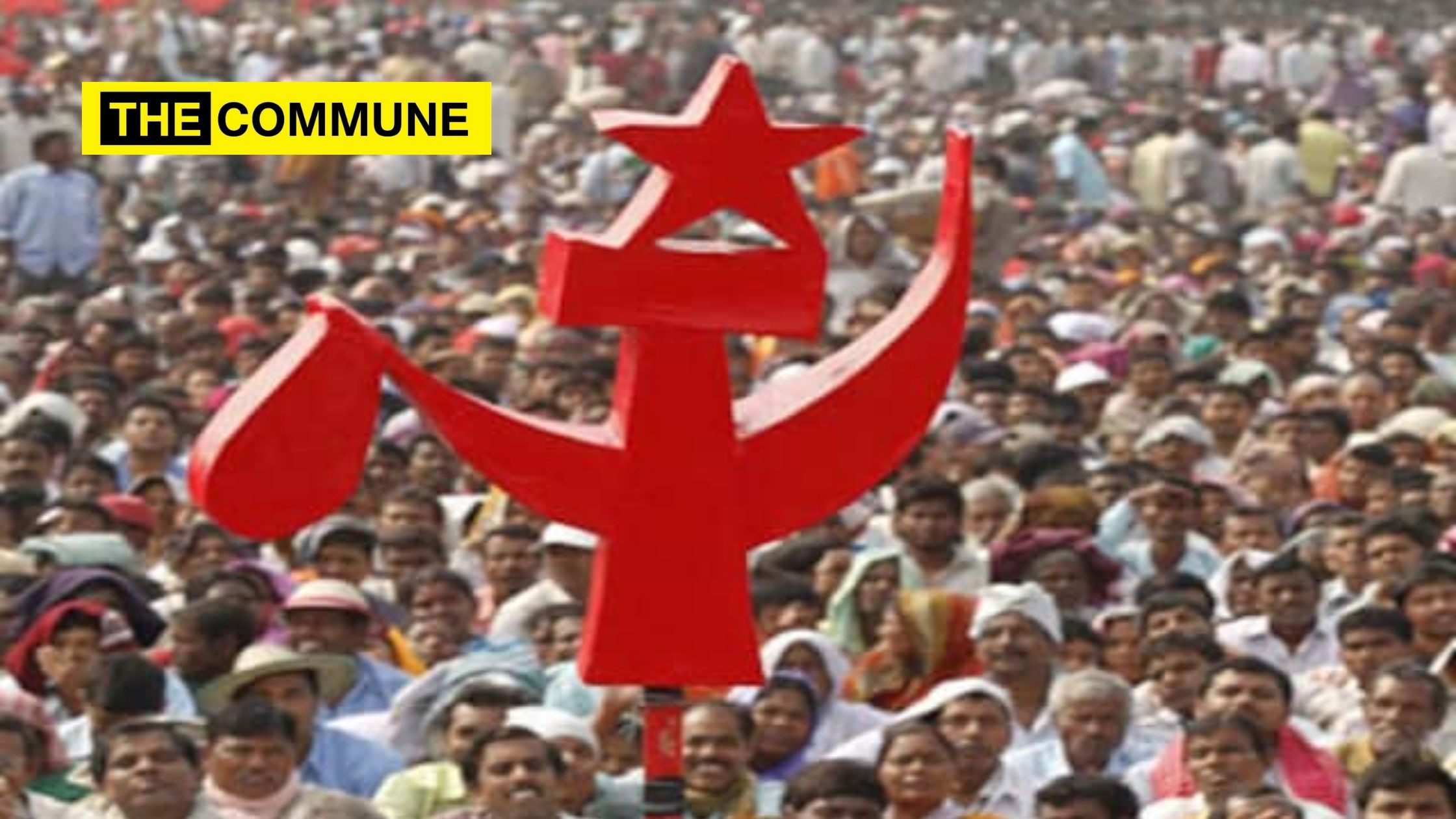
In the Muslim-majority constituency of Ponnani in Kerala’s Malappuram district, the candidate announced by the Communist Party of India (Marxist), P Nandakumar was rejected by the Muslims in that area.

The reason for the CPM candidate’s rejection was that he was Hindu.

Muslim party members are demanding his candidature be cancelled and instead, want TM Siddique as the party’s candidature for the Muslim-majority-constituency. Protesters took out a march from Chandhapadi to Ponnani with a banner and the slogan ‘Party corrects the leaders and people correct the party’ on it.

CPM district leadership said the protesters are not leaders or members of the party. “The party will study the reason for the protest and find out the details of the organisers of the protest. The protesters are not leaders or members of the party,” said E N Mohandas, CPM Malappuram district secretary.

However, the protesters slammed the statement of the CPM district leadership which claimed that they were not members of the party. “The party wins the elections with the votes of the local people who may not be members or leaders of the party. So, the statement from the party that the protesters are not the party members makes no sense,” said a protester.

It is an open secret that Communists in Kerala have always joined forces with the Islamists. These protests are an indication that where party workers and voters want a candidate to be of the same religion as them.

Click here to subscribe to The Commune on Telegram and get the best stories of the day delivered to you personally.
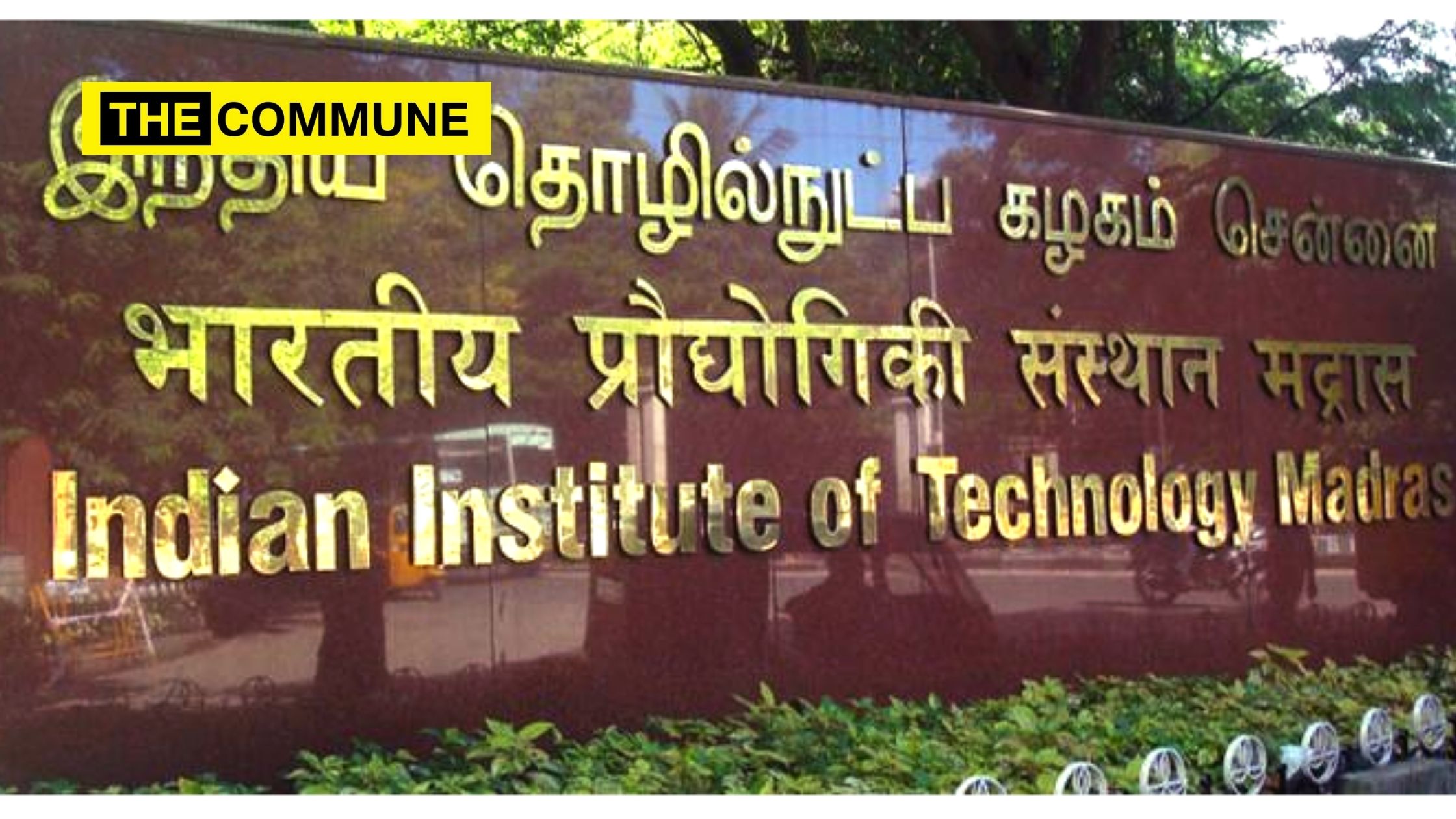
IIT Madras launches program to help women technologists in their career growth

IIT Madras

To give women more leadership roles, the Indian Institute of Technology-Madras has launched a new programme with an endowment fundraised from its alumni and CSR grants, reports Organiser.

Named ‘Women Leading IITM’ (WLI), the programme aims to give grants every year to accelerate the careers of women technologists and provide a supportive environment for women to thrive at IIT Madras.

This program will boost efforts to improve the number of women students, faculty, staff as well as create opportunities for their success. It is expected that $2 million will be raised by the end of 2021 for this programme.

The Women Leading IITM program will also include increasing the percentage of women faculty in Assistant Professorships to 20 per cent (from the current 15 per cent) and generating 30 per cent of all faculty applications from women candidates. The programme also comprises the establishment of an award for in leadership granted to women faculty to enable them to become next-generation ambassadors for a gender-balanced institute. The new grant will also pay for small-child travel while attending a conference, or pay a stipend to provide for better child care while at work (for children up to age 5).

Elaborating on the vision behind the initiative, Prof. Bhaskar Ramamurthi, Director, IIT Madras, said, “IIT Madras has made good progress in the last several years in increasing the percentage of women in the student population, from the undergraduate level to the doctoral programme. The participation of women in the non-teaching staff is also very good, and we are making every effort to close the gap in the case of faculty. The WLI programme will be a powerful catalyst to enable us to reduce the hurdles faced by women students, faculty and staff at IIT Madras to achieve their full potential.”

IIT Madras seeks to increase the recruitment of women faculty, run programs that provide physical and emotional support for women and create opportunities for women faculty and postdoctoral fellows to do interdisciplinary work that can yield international research recognition.

Click here to subscribe to The Commune on Telegram and get the best stories of the day delivered to you personally.