Following suit with Pat Cummings, former Australian cricketer Brett Lee donated Bitcoin towards COVID relief in India. This is approximately worth ₹40 lakh.
“It saddens me deeply to see people suffering due to the ongoing pandemic. I feel privileged to be in a position of making a difference and with that in mind, I’d like to donate 1 BTC (Bitcoin) to Crypto Relief to help with the purchase of oxygen supplies for the hospitals across India,” Lee said in a statement which he posted on Twitter. He added, saying, “India has always been like a second home for me. The love and affection that I have got from the people of this country both during my professional career and even after my retirement, holds a special place in my heart.”
“I request people to please take care, stay at home, wash your hands and head out only if absolutely necessary, wear a mask and maintain social distancing. Well done Pat Cummins for the initiative yesterday,” Lee went on to say.
It is to be noted that bitcoin is not considered legal for transactions in India. Nevertheless, this gesture by the former pacer was widely appreciated by the Twitterati.
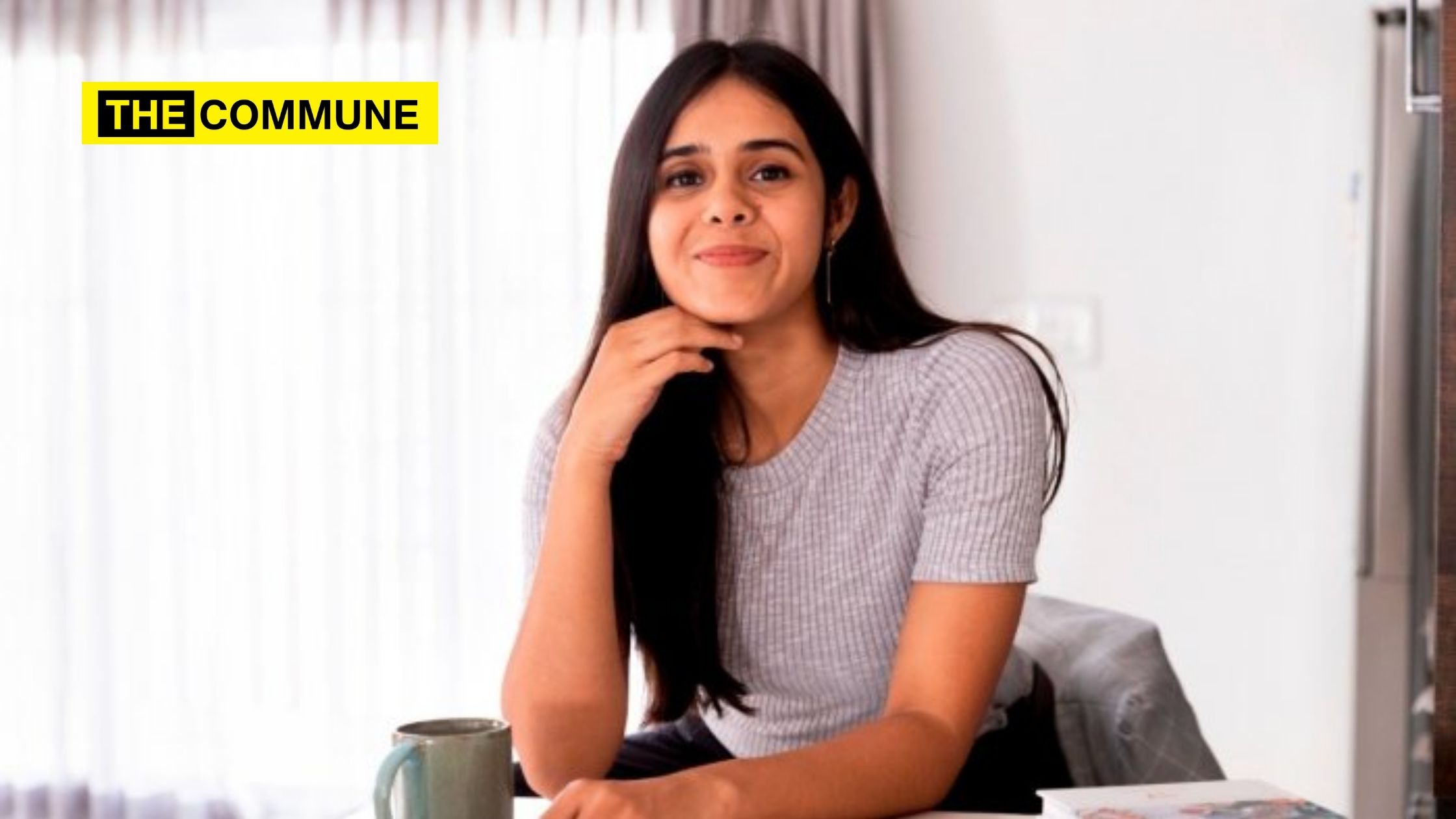
While the entire world grappled with the lemons that were given to them by life in the form of the coronavirus pandemic, a 25-year-old turned into a multimillion-dollar business. Vibha Harish is a 25-year-old millionaire from Bengaluru, who has made it to Forbes’ millionaires under 30. Now, her brand boasts a turnover of ₹12 crores per annum.
In just one year of starting Cosmix, her health supplement brand, Vibha has made it one of the fastest-growing ventures in India. She was featured in a Forbes article that quotes her company as follows: “The Bangalore-based startup makes nutritional powder supplements from fruits, herbs and roots, which it says can help boost immunity and improve sleep.”
Vibha had started this company to help fill the void for women like her who suffered from inadequate nutrition supplements. This was also a result of a personal observation, since she herself was diagnosed with PolyCystic Ovarian Syndrome (PCOS) when she was 12. This pushed her to find holistic dietary alternatives for women like her.
What makes Vibha’s company stand out from other nutrition brands like Cosmix is the fact that it has a Nutrition for All program, which donates food and energy bars to malnourished children in rural India.
Click here to subscribe to The Commune on Telegram and get the best stories of the day delivered to you personally.
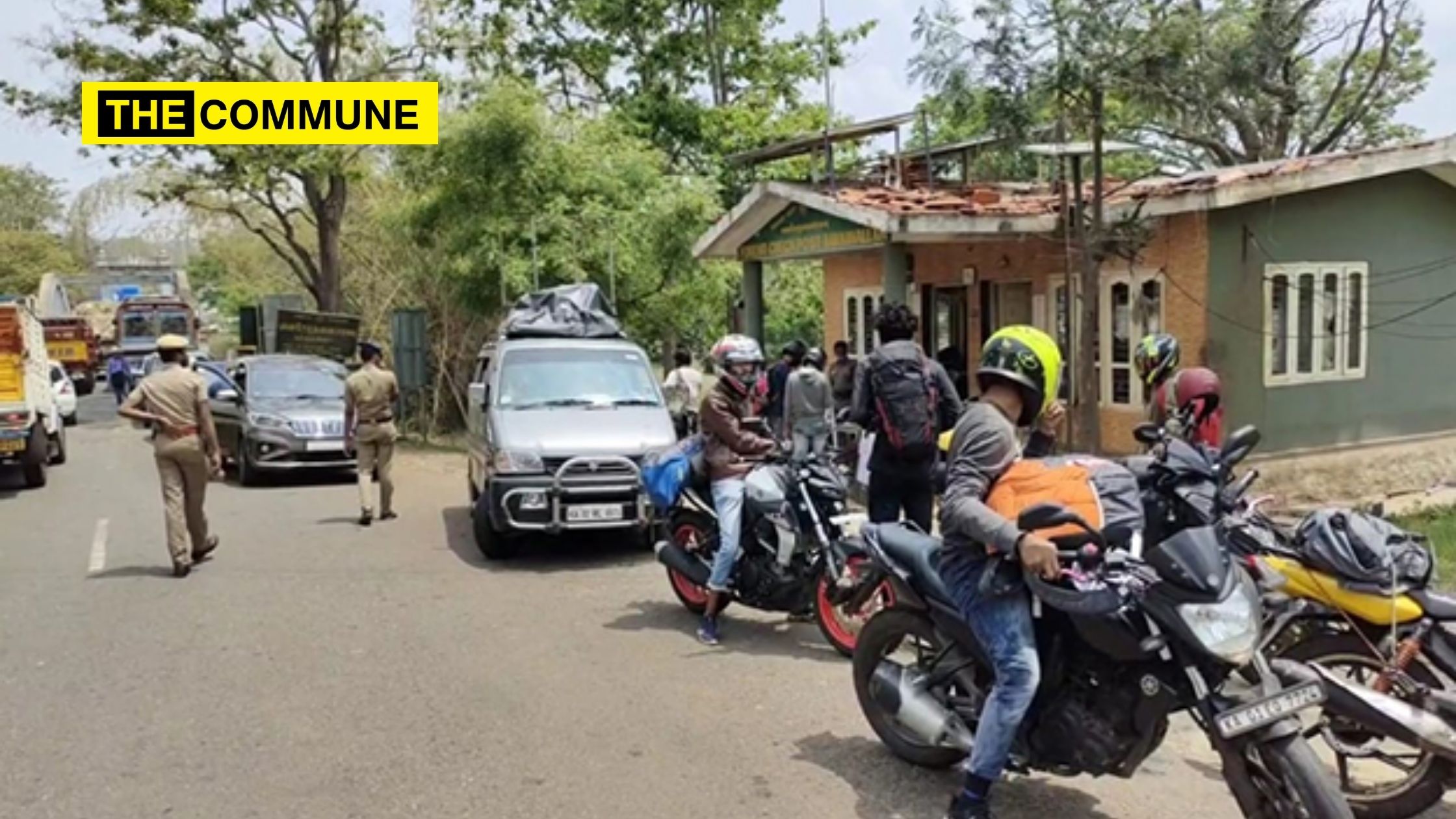
Crowds of people are returning to the Nilgiris district and Kerala via Cuddalore in response to the total lockdown which is in force in the state of Karnataka.
The state government has declared a complete curfew in Karnataka from this evening till May 10 as the coronavirus’ second wave is at its peak. Meanwhile, people from the Nilgiris and Kerala who had gone to work in Karnataka have started returning to their hometowns via Cuddalore this morning.
Hundreds of vehicles from the Nilgiris district and Kerala were spotted at the Kakkanalla check post on the Tamil Nadu-Karnataka border. Similarly, people from the state of Karnataka residing in areas including Ooty are returning to their hometowns.
The Karnataka State Government enforced a two-week lockdown as a result of the mounting number of COVID cases in the state. This essentially meant that all services like restaurants, malls, gyms, public transport and such were suspended. The state, however, allows food deliveries in a fixed bracket of time, as well as allows essential services to operate between 6 am and 10 am. Only construction, manufacturing and agriculture sectors will be allowed to function during the period.
Click here to subscribe to The Commune on Telegram and get the best stories of the day delivered to you personally.
Foreign-funded NGOs have repetitively asked the central government to relax the FCRA regulations related to foreign funding. In this regard, the NGOs who attended the meeting organized by NITI Aayog CEO, Amitabh Kant, urged him to write a letter to Home Minister Amit Shah to relax the FCRA norms.
According to the Legal Rights Observatory, this includes some NGOs with prominent, suspicious backgrounds. These NGOs have been accused of taking advantage of the coronavirus pandemic to engage in proselytizing activities. The Legal Rights Observatory has said it will not allow this to happen.
— Legal Rights Observatory- LRO (@LegalLro) April 26, 2021
The LRO has also said that it will submit a counter representation against the NGOs’ request. Pointing out that missionary organizations have converted more than 1 lakh people using the coronavirus pandemic, the LRO has warned that giving freedom to NGOs would be detrimental to India’s national security.
Click here to subscribe to The Commune on Telegram and get the best stories of the day delivered to you personally.
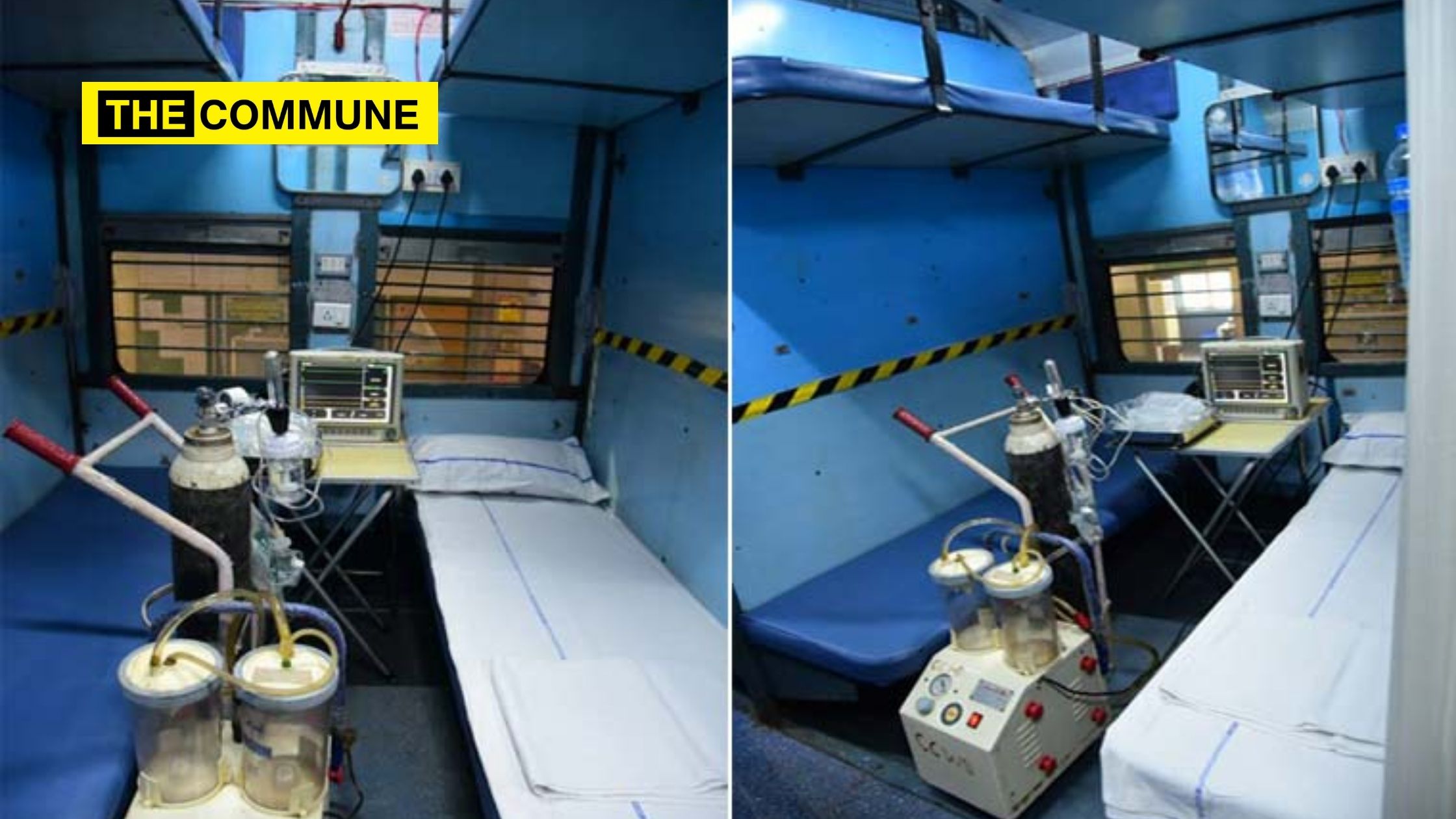
Central and state governments are taking various precautionary measures to tackle the second wave of corona in India. As part of this, the Indian Railways has sent train compartments to be used by the respective state governments to accommodate corona patients with mild symptoms. In the first phase, it has sent trains to the worst-hit states of Delhi, Maharashtra, Uttar Pradesh and Madhya Pradesh.
In a press release issued by the Ministry of Railways in this regard, it said, “As the country struggles against the 2nd wave of Corona, the railways are making additional upgrades to trains to help with COVID treatment and sending them to several states. State Governments are requested to follow standard operating rules in this regard. About 4,000 COVID treatment compartments with 64,000 beds are parked at various railway stations in the country. Some of these, during the first wave of COVID, were already used as isolation wards.”
It went on to say, “There are 50 compartments with 800 beds in Delhi at the Sagarbasti railway station. Of these, 4 are currently used for housing patients. There are 25 compartments with 400 beds at Anand Vihar railway station. There are 21 train carriages with 378 beds parked at Nandarpur railway station in Maharashtra. Of these, there are 55 patients who are currently admitted in them. At the Bhopal railway station, 20 trains are parked. About 50 trains are ready to go to Punjab, and 20 of these are ready to go to Jabalpur.”
It concluded, saying, “At the request of state governments, these isolation ward compartments will be used for patients with mild and moderate symptoms. The Railways will make every effort to provide patients with what they need on these trains and to maintain hygiene. Details of the use of these isolated ward trains by the State Governments will be released from time to time. ”
Click here to subscribe to The Commune on Telegram and get the best stories of the day delivered to you personally.
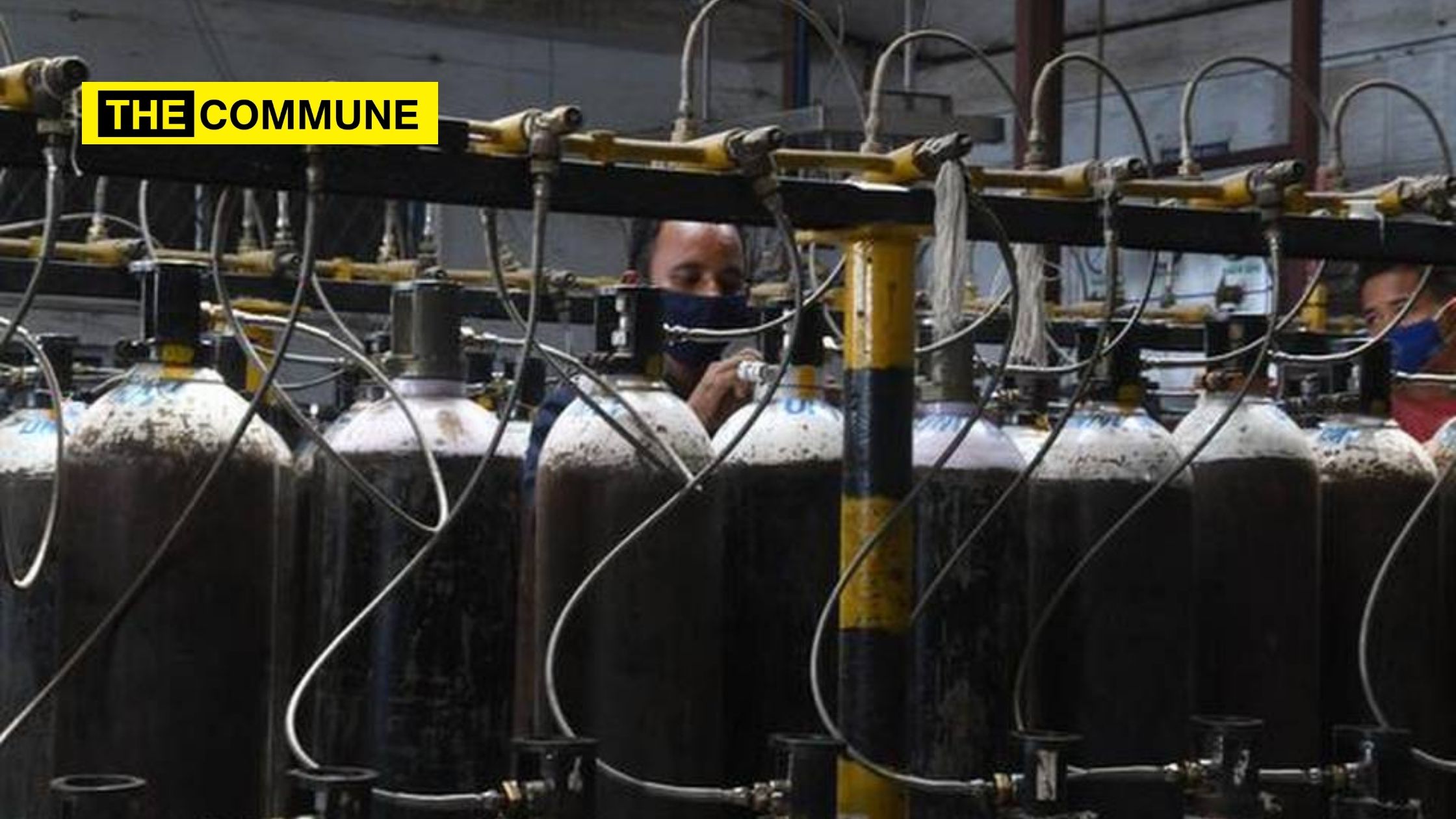
Three people were held in Hyderabad for selling oxygen cylinders on the black market after they received a tip about someone illegally transporting oxygen cylinders.
Following this, the local police under the Malkajgiri police station started a search party of all the vehicles in the limits. While doing so, a van containing fifteen oxygen cylinders was found and confiscated. These cylinders had 150 litres each. While investigating the culprits, it was found that they had gotten this for ₹16,000 and had been trying to sell it for ₹25,000. The kingpin was nabbed by the police, who confessed that he had recruited the other two to transport and sell the cylinders to those who were urgently in need of oxygen cylinders.
One of the accused was revealed to be running an NGO that was supplying oxygen cylinders and other medical services for COVID patients in Hyderabad.
Meanwhile, Telangana reported over 10,122 COVID cases as of Monday, of which a majority comprised cases from Hyderabad. Patients of Telangana were found to have a lot of difficulty in recovery thanks to the high obesity rates in the state.
Click here to subscribe to The Commune on Telegram and get the best stories of the day delivered to you personally.
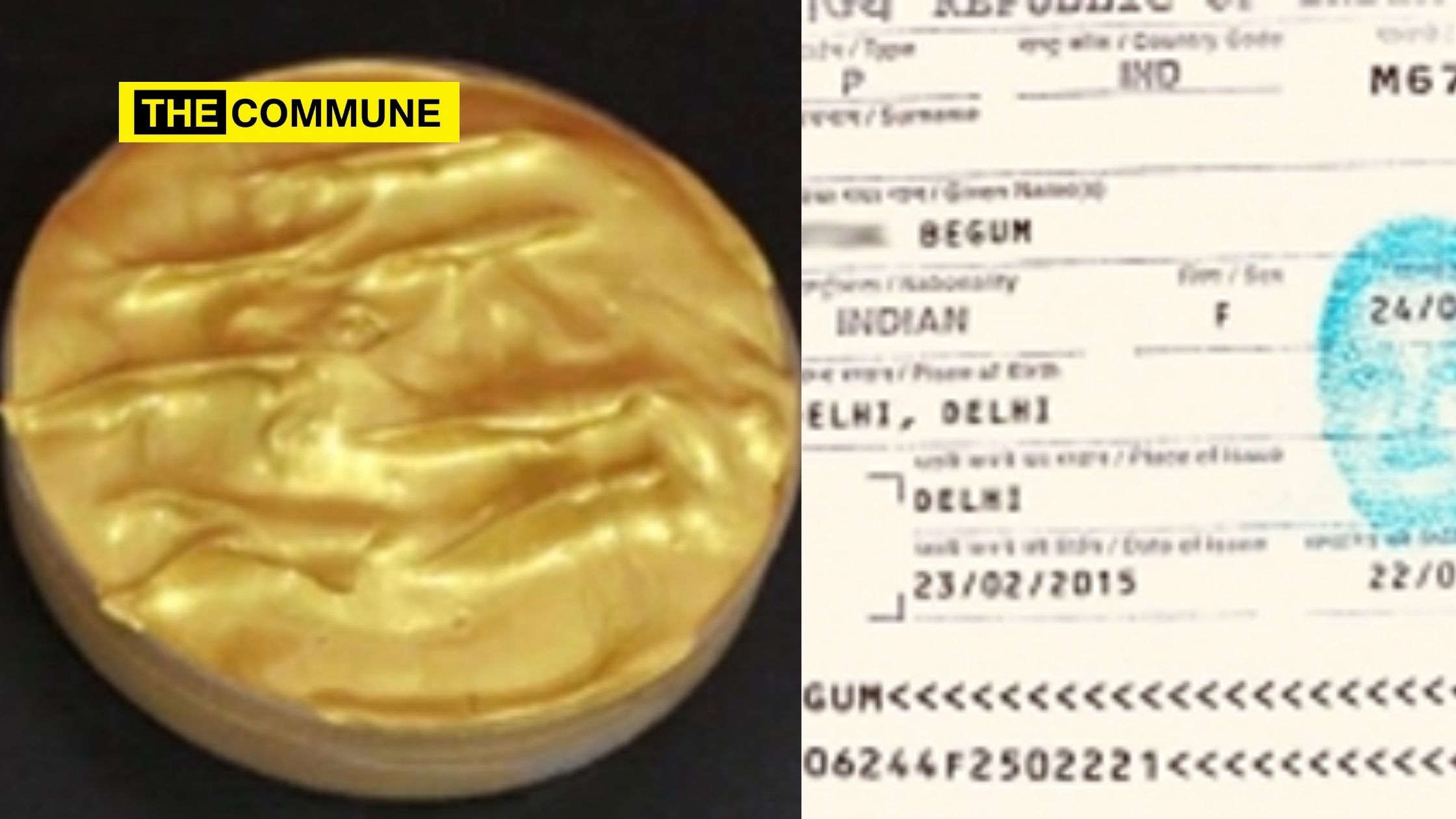
A top gold smuggling syndicate, using specially designed brassieres and panties to smuggle gold paste into the country, has been busted. The criminal syndicate had hired women couriers wearing these special undergarments to smuggle gold in paste form. One of the key couriers, a 39-year-old woman, was arrested at Lucknow airport on Monday with 1,259 grams of yellow paste, hidden in a specially designed brassiere and panty.
Top sources in the Customs (Preventive) unit of Lucknow revealed that a young woman, originally hailing from Turkman Gate, Delhi, travelling from Dubai, landed from flight no FZ 8325 on April 26, 2021. Based on an intelligence input, she was intercepted while trying to exit from the airport. “When the women staff searched her, the yellow paste was recovered from the bra and panty worn by the courier. The yellow paste, packed in black polythene and stitched in her bra was recovered,” revealed a Customs source.
The accused was produced before the Special Chief Judicial Magistrate (Customs), Lucknow on April 27, wherein she was remanded to judicial custody.
Revealing the unique modus operandi of the smuggling syndicate, sources said that women couriers, in the form of passengers were sent to Dubai, from where they carried consignments of yellow gold paste, cleverly concealed in undergarments. The couriers were frequently flying to the UAE and returning to India through different airports. For instance, the woman bearing passport M6779486, arrested at Lucknow on April 26, had flown to Dubai several times. Before landing at Lucknow, in her earlier journey to UAE, she had returned through the Indira Gandhi International airport in Delhi on 6 January, 2021.
“We are trying to ascertain the kingpin of this syndicate and also the number of women couriers engaged in smuggling activities,” the source added.
Earlier on January 14 this year, two passengers, who had boarded an Air India Express flight, IX 1384 from Sharjah were arrested at Mangalore International airport. Both passengers were carrying gold paste, worth over ₹1 crore hidden in their undergarments. “Wherever one hides the gold, in whatever form, liquid or paste, he/she should be clear that we will trace it finally. Some smugglers have hidden gold paste packets in the rectum, but we recovered it,” said a Customs officer of the rank of Commissioner.
A confidential report of the Directorate of Revenue Intelligence (DRI) says that big-time crime syndicates operating across India are smuggling gold in a paste form to dodge metal detectors and hi-tech X-ray machines installed at all international airports. DRI report reveals that these syndicates, through this method, smuggle gold by converting the yellow metal into powder and compounds in a paste form. Once the consignment is smuggled, approximately 700 gm of gold per 1,000 gm of paste is retrieved from a chemical procedure. The gold, in pure form, is then handed over to the concerned party.
Click here to subscribe to The Commune on Telegram and get the best stories of the day delivered to you personally.
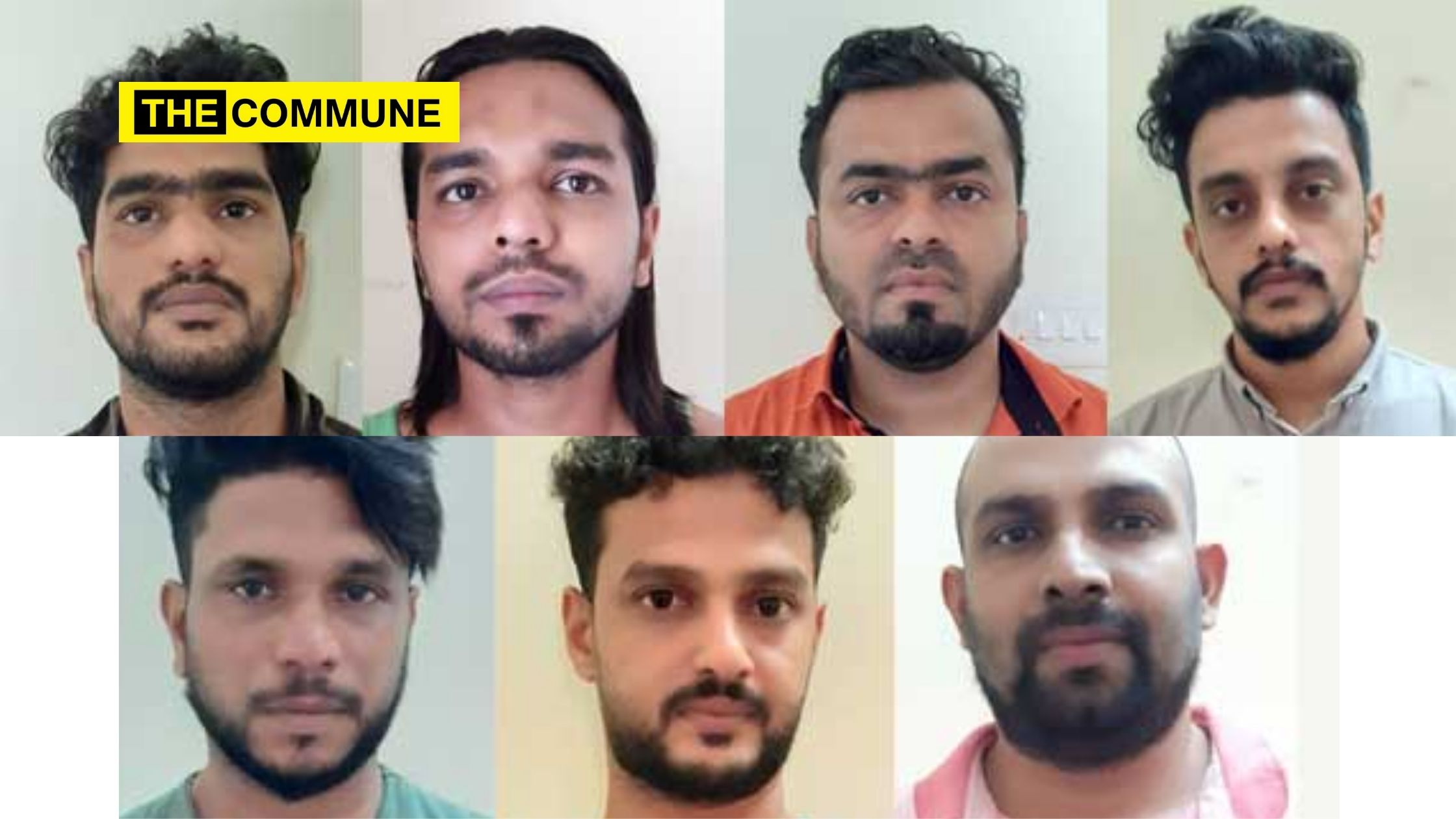
The Ullal police arrested seven persons on Tuesday, April 27, in connection with the kidnapping at KC Road and Hosangadi.
The arrested have been identified as Ahmed Iqbal (33) from Attavara in Mangaluru, Yakoob (33) from Manjeshwara in Kerala, Umar Nawaf (24) from Manjeshwara, Shamsheer (29) from Kasaragod, Sayyed Mohammed Kausar (41) from Uppala, Naushad (28) from Manjeshwara and Sheikh Mohammed Riyaz (28) from Uppala.
The police also seized three cars, one bike, 10 mobile phones, 2 swords, one dagger, property documents and a gold necklace weighing 120-gram from their possession.
It is alleged that on April 22, a man identified as Ahmed Ashraf was kidnapped from KC Road. Soon, even Ashraf’s friend, Javed was kidnapped from Hosangadi. The duo was locked up in a house and assaulted by the accused. The victims were rescued from Talapady on April 24. The accused had demanded money, original property documents for the property in Manjeshwara from the families of the victims. The accused had threatened to kill Ashraf and Javed if their families did not fulfil the said demands.
Kidnappers had lost their investments following the victim’s advice
It was later revealed that the victims Ashraf and Javed had advised the accused Iqbal to invest money in a company called MCT Trading, Toll Deal, cryptocurrency and Forex Trading. Ashraf and Javed had convinced Iqbal that he would get three times the return for his investments, following which Iqbal had invested ₹27 lakh.
Iqbal had also borrowed ₹5 lakh from the other accused in this case, Yakoob. Along with the profit, Ashraf and Javed had to pay ₹99 lakh to Iqbal. However, they only ended up paying ₹10 lakh. Even after over one year, Ashraf could not pay Iqbal the remaining money, which had led to his and Javed’s abduction.
Angered at the loss of his money, Iqbal had contacted Umar Nawaf to plot the kidnapping of Ashraf and Javed. The crime was successfully executed with the help of Umar Nawaf and his gang.
Umar Nawaf is a habitual offender who has ten cases registered against him in various police stations, including murder and robbery. He is also known to be the main accused in the ‘Target Ilyas’ case
Click here to subscribe to The Commune on Telegram and get the best stories of the day delivered to you personally.
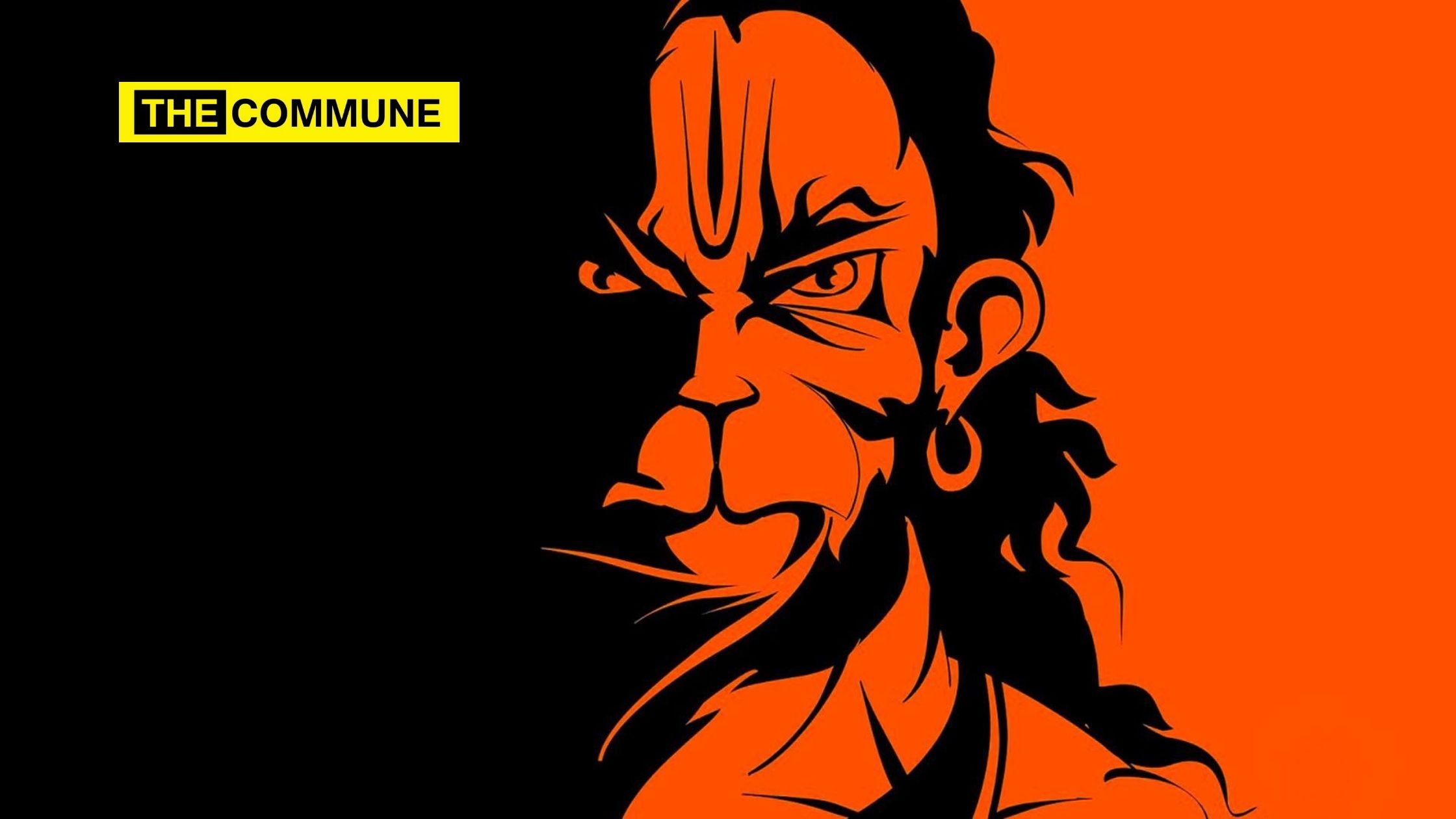
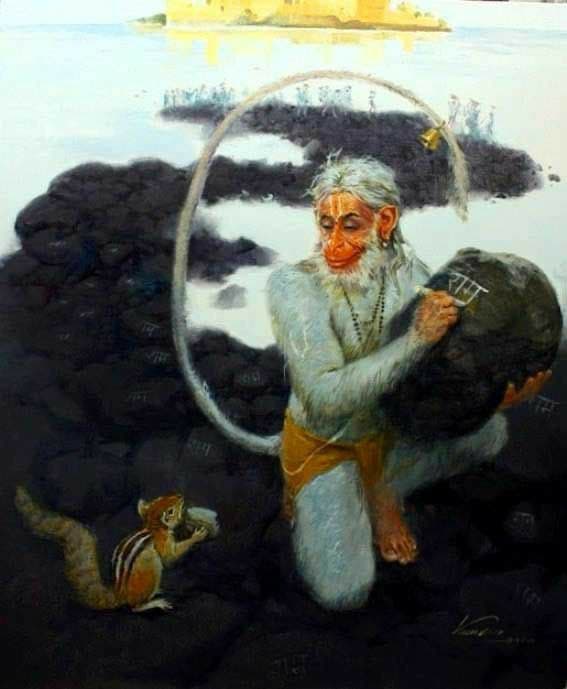
One of the many Heroes in the Rāmāyaṇa, Hanumān is revered by millions around the world, in India, Tibet, Japan, Thailand, Cambodia and Indonesia. Even the legends of Sun Wukong, the Monkey King, that were popular in ancient and medieval China were inspired by the tales of Hanumān that had found their way to Chinese ears.
In the Rāmāyaṇa and other related mythoi that sprung up from that great text, Hanumān is Rāma’s supreme devotee. He is the bhakta par excellence, whose mind is immersed in the thought and devotion of Rāma. It is said that wherever, and whenever, the glories of Rāma are sung, Hanumān is present there.
Hanumān is also a great warrior. He possesses incredible strength and speed and was one of the commanders in the army of Rāma that waged war on the King Rāvaṇa. His fight was for Rāma, the embodiment of Dharma. Invocation of Hanumān’s martial features were important in the ancient and medieval eras when Hindus were beset on all sides by enemies. He has inspired warriors and armies throughout history, including those who defended India from invaders and protected its temples from destruction.
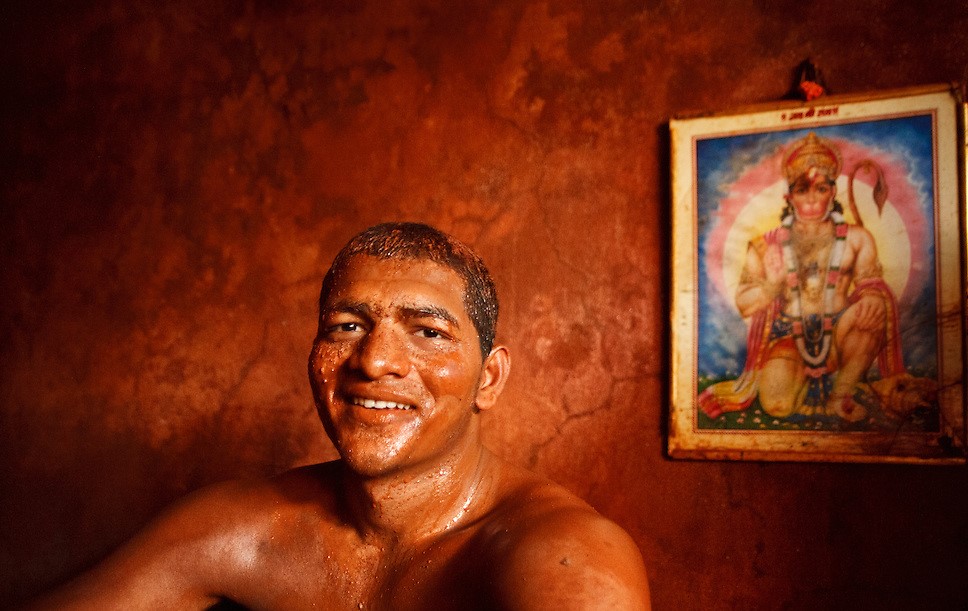
A remnant of this survives even to this day in traditional wrestling akhāḍas, when Hanumān is invoked by trainees and fighters to grant them strength and vigour.
An Indian wrestler with a portrait of Hanumān affixed on the akhāḍa’s wall. Credits: mitchellkphotos.com
It is to this composite aspect of Hanumān, that of a devotee and a warrior, that the Hindus of today must look towards, for inspiration in these distressing times.
Unlike Arjuna in the Mahābhārata – who himself bore Hanumān in a banner atop his chariot – Hanumān went through no dejection on the battlefield; he was always ready to fight with full dedication. He even ravaged the lovely pleasure gardens of Rāvaṇa and set fire to the entire Golden city of Laṅkā. He was an indomitable warrior who fought without pity, compromise or apologies. He was the ideal warrior and general, just as Rāma was the ideal king.
Hanumān upheld the cause of Dharma and Rāmarājya for humanity with his entire being. Such a force is essential for our agitated world today.
Hindus continue to be shamed and humiliated as intolerant oppressors, while in fact they remain the victims, under siege by missionaries, jihadis and communists even in their own country. We have been told not to speak out, even for our own rights, because we don’t have a legitimate voice in social affairs and will be guilty of an intolerant majoritarianism if we do.
The courts in India regulate Hindu practices, while not interfering with those of other religions. Hindu temples are run by state governments, with non-Hindus or anti-Hindus on their temple boards, and temple revenues expropriated by the state for whatever purpose the state deems fit.
Hindu educational institutions face severe restrictions and cannot teach what they want, unlike non-Hindu groups.
The answer to this anti-Hindu state of things is not waiting hopefully for a miracle, for things to happen, thinking that voting or not voting a certain way is enough. Neither is it the endless stream of rebuttals and exposés that emanate from the Hindu camp day in and day out, chastising the left-liberals of their ‘hypocrisy’. The answer is lucid, passionate, fearless, and firm action.
Hindus must come out of the web of tamas (‘darkness’) and inertia, and embrace energy.
Hindus must look to Hanumān and derive the power and intensity necessary to bring about necessary changes in society. This Hanumān Jayantī must be a call for action among Hindus to alleviate the foremost ills plaguing Hindu society – inaction and ennui.
Inaction keeps us uninspired and apathetic, as our society slowly becomes so unrecognisably alien and foreign, and our nation becomes a hotbed of crime and hedonistic deviancy. This inaction further exacerbates into exhaustion and indifference, which breeds further apathy. Inaction and ennui feed into each other in vicious cycles which are truly difficult to break.
Hindus must not watch idly by as this Leviathan of a state swallows up our institutions and outlaws our rituals, traditions and practices.
Hindus must not be mute spectators looking to the state for protection in the face of aggressions where a temple procession is stoned, or when Hindu women and girls are abducted or raped or killed with impunity.
Hindus must act.
Action, however, must not be limited to the realm of cyberspace. While running Twitter hashtags may bring about some awareness to the netizens on a particular issue, it is never a substitute for action in the real world. Winning an online contest means little and does little for causes in the real world.
Action can be of different natures – social, cultural, political, legal, economic, communal, and so on.
Social and cultural action can be as simple as ensuring the continuation of the rituals and practices handed down by our ancestors. It can also be ensuring that temples function properly, in the sense that they were originally intended to.
An example of political action can be sending representations and petitions to our legislators urging them to enact a certain law or to rescind a certain legislation as well as following up on those petitions.
Legal action can be a litigation filed in the courts, seeking recourse to the illegal encroachment of temple lands, for instance. It could even be becoming an amateur specialist in law and other state regulations and helping Hindu causes, given the elaborately labyrinthine nature of our legal and bureaucratic setup.
Communal action can be as uncomplicated as discussing issues and plans of action in a group with like-minded people with focussed goals and clear-cut principles. It could also be a more difficult effort such as organising a rally on the streets in a show of strength.
Only action gets things done in this world. Sitting on your behinds whining about how things are going bad does not get us anything. As George Bernard Shaw said, “Educate, Agitate and Organise”. None of this can be without action that is well-thought-out and inspired.
And this is where we must look towards Hanumān for guidance and inspiration.
Action coupled with Devotion cannot go wrong
Click here to subscribe to The Commune on Telegram and get the best stories of the day delivered to you personally.
In a show of brazen strength and lawlessness in Mumbai, Indian National Congress workers have created a ruckus in front of the office of the ad agency that had parodied Rahul Gandhi and Congress President Sonia Gandhi to promote Storia Foods & Beverages which is a company that manufactures milk and fruit content shake.
Priti Gandhi is who is the National Incharge of Social Media for the Bharatiya Janata Party (BJP) Mahila Morcha in a tweet said, “The whole world is literally fighting for it’s life, Maharashtra is in the middle of a lockdown and Congress workers have the time & priority to ransack a corporate office in Mumbai because apparently they didn’t like an ad that the company released!! *Slow claps*”.
The whole world is literally fighting for it's life, Maharashtra is in the middle of a lockdown and Congress workers have the time & priority to ransack a corporate office in Mumbai because apparently they didn't like an ad that the company released!! *Slow claps* pic.twitter.com/NLPynYTGzG
The ad was widely seen on social media and was appreciated for its creativity to promote the product. However, it is a known fact that whenever Sonia Gandhi or Rahul Gandhi is targeted for satire, there has been retaliation from the party.
As per news reports Congress party leader Bhai Jagtap showered praises for this attack and even shared a video of the violence on his Twitter account.
आदरणीय सोनियाजी गांधी व आदरणीय राहुलजी गांधी यांची STORIA कंपनीने जाहिराती मधून केलेल्या बदनामीला चोख उत्तर दिल्याबद्दल मुंबई काँग्रेस सरचिटणीस नितीन सावंत तसेच युथ काँग्रेसच्या कार्यकर्त्यांचे अभिनंदन व कौतुक !!
In the video, one can see Congress workers holding up the Congress flag and raising slogans of “Sonia Gandhi zindabad” and “Rahul Gandhi zindabad” after vandalizing the office.
Ironically a while back Rahul Gandhi had sent out a tweet in which he said, “Our greatest strength is our tolerance. Their biggest weakness is their intolerance”.
Our greatest strength is our tolerance. Their biggest weakness is their intolerance