Home Blog Page 1307

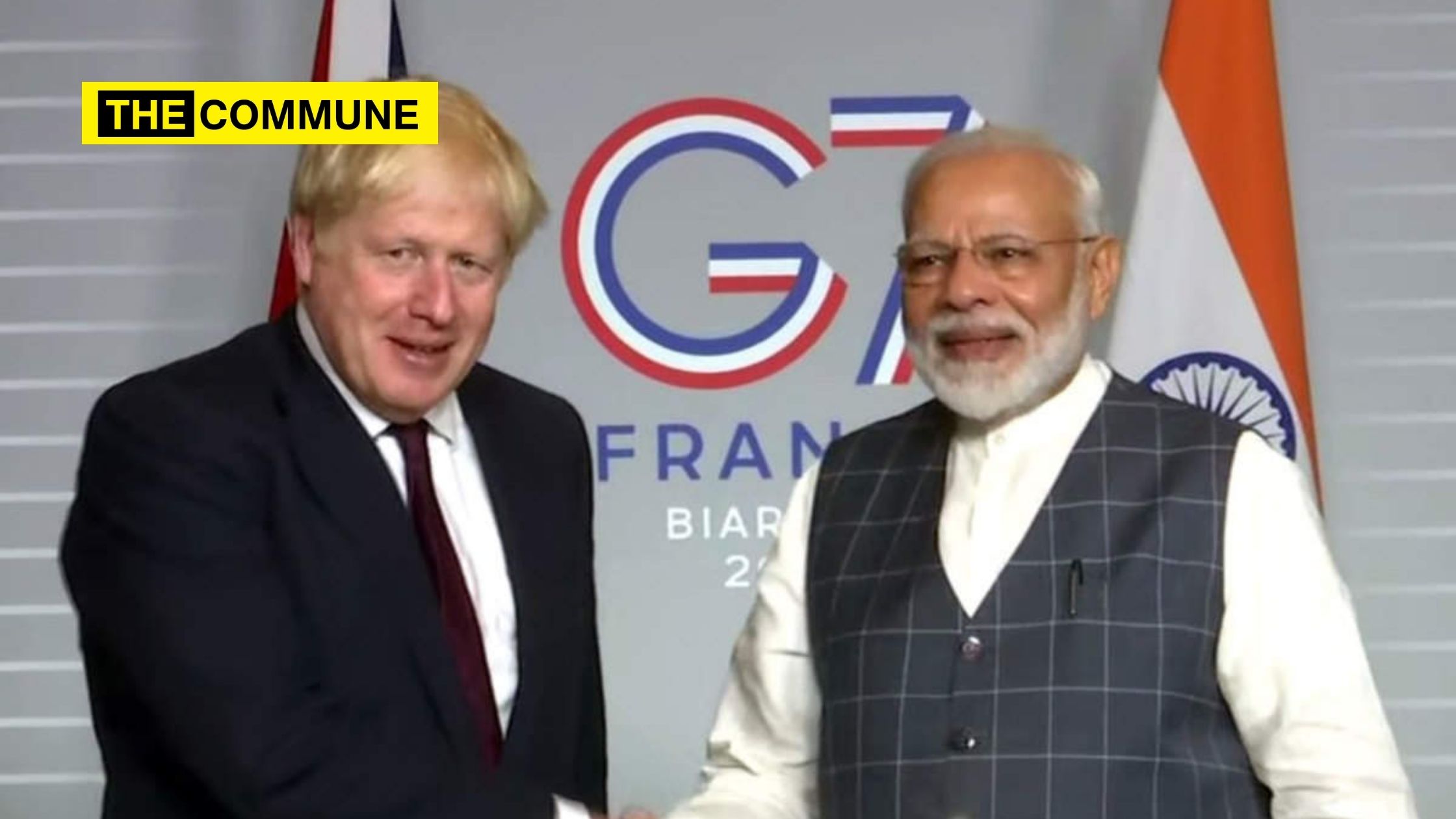
PM Modi to meet with UK PM Boris Johnson on Tuesday

According to a press release issued by the Union Ministry of External Affairs, Prime Minister Narendra Modi is all set to hold a consultations with UK Prime Minister Boris Johnson on Tuesday via videoconferencing. It is reported that the talks will strengthen bilateral ties and lead to discussions regarding strategies to combat the Coronavirus pandemic.

Officials from the External Affairs ministry have informed that the conference between these two leaders would help further strengthen ties between the two countries. The press release said that a 10-year cooperation plan called “Comprehensive Action Plan 2030” is to be launched at the virtual conference between Prime Minister Modi and UK PM Boris Johnson.

This comprehensive plan is touted to further empower the people of India and the UK in 5 most important sectors. The foreign ministry said it would help strengthen bilateral ties in the areas of trade and development, military and defense, climate development and health.

It is to be noted that British Prime Minister Boris Johnson is set to tour India last month. However, it is noteworthy that the UK PM had cancelled his trip to India as the second wave of corona damage intensified in India.

Click here to subscribe to The Commune on Telegram and get the best stories of the day delivered to you personally.

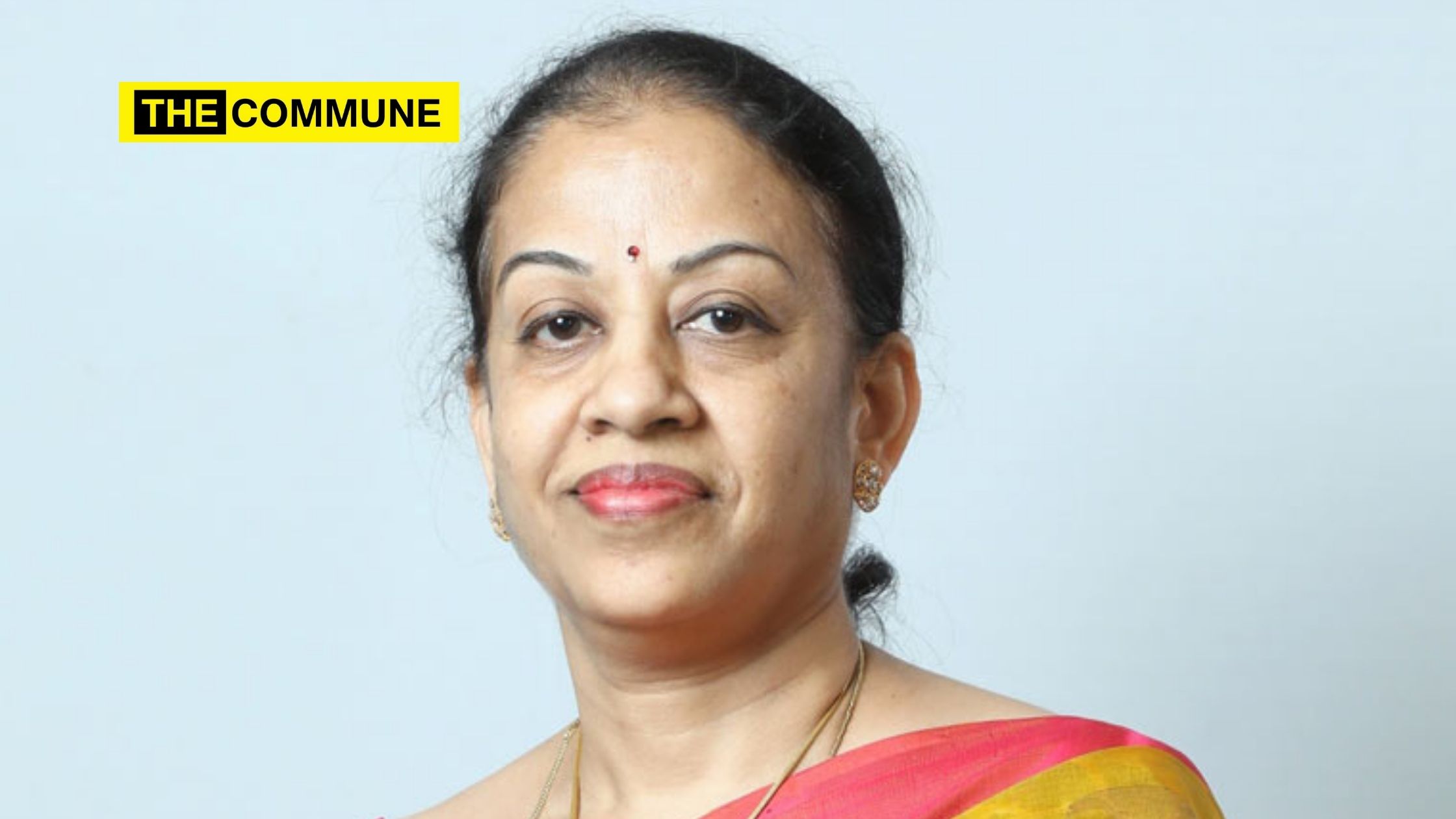
BJP wins Belagavi bypoll in nail-biting finish: Mangala Angadi becomes first woman to be Lok Sabha member from the constituency

Belagavi bypolls

In the midst of the coronavirus second wave, bypolls were held for three constituencies in Karnataka. They were Belagavi Lok Sabha constituency, Maski assembly constituency in Raichur, and Basavakalyan in Bidar district.

After nearly 90 rounds of counting in Belagavi during which the fortunes of the candidates continued to fluctuate, BJP candidate Mangala Angadi secured a lead with 4,40,327 votes and won the election, while Congress candidate Satish Jarkiholi, who was leading for a few rounds, trailed behind with 4,35,087 votes. The margin rose to 5,240 votes in favour of the BJP.

With this, Mangala Angadi became the first woman to be a Lok Sabha member from Belagavi. She also became the first leader to defeat Satish Jarkiholi. The KPCC working president has never lost an election in his political career of nearly 30 years.

Mangala Angadi thanked the voters and the party workers for her victory.

Industries Minister Jagadish Shettar, who is related to Angadi, described it as the victory of the people. Suresh Angadi’s daughter Shraddha Shettar said that the people had paid a tribute to her father, by electing her mother.

Belagavi Lok Sabha seat fell vacant after Belagavi MP and Union Minister of State for Railways, Suresh Angadi, had passed away due to COVID-19. The Congress MLA from Basavakalyan, B Narayana Rao, also had succumbed to the coronavirus infection.

Angadi, a four-time Lok Sabha member from the region, died due to Covid-19 on September 23, 2020 in New Delhi, while Rao died on September 24, 2020 in Bengaluru.

In Belagavi, the BJP had fielded Mangala Angadi, widow of the late Suresh Angadi. Congress had fielded its statue unit Working President Satish Jarkiholi, who is also the brother of the former minister Ramesh Jarkiholi, who is embroiled in the sleaze CD scandal. The major fight was between these two candidates.

Pratapagouda Patil, MLA of Maski, had crossed to the BJP from the Congress and therefore became disqualified.

The bypolls were held on March 17 and the votes were counted on May 2.

Of the 18,13,567 strong electorate in Belagavi, 10,16,025 voted, resulting in 56.02 per cent polling. Of 6,435 postal ballots issued for absentee voters in Belagavi, 5,831 were received. Rajya Sabha member Eeranna Kadadi said that there were different reasons, including hesitation among some voters to come out in the middle of an epidemic, for the lower margin.

Maski goes to Congress, while BJP wins in Basavakalyan

Basanagouda Turvihal, pitted by the Congress against BJP’s Pratapgouda Patil, won at Maski. The Congress candidate secured 86,337 votes to win with a comfortable margin of 30,606. Patil, meanwhile, polled 55,731 votes.

BJP candidate Pratapgouda Patil was among the 17 MLAs of the then ruling Congress-JD(S) coalition who had defected to the BJP and helped it come to power in the State.

However, the anti-incumbency wave sweeping across the constituency against Mr. Patil has resulted an impressive win for Congress candidate Basanagouda Turvihal, who was with the BJP back in 2018. The absence of a third strong candidate that could have split Congress votes was another advantage for him.

Speaking to reporters after he came to know of the result, the BJP candidate said that the people have acted for a change and chosen Basavanagouda Turvihal. He wished all the best for the people of the constituency. He also said that when the people had decided in advance to defeat him, no one and any amount of campaigning will not have any effect. He however said he will continue to work for the people of the constituency as a party activist.

In Basavakalyan constituency, BJP candidate Sharanu Salagar won with a margin of 20,629 votes votes. Congress candidate Mala Narayana Rao was the runner-up.

The solid support of Lingayats is seen as a major reason for Salagar’s victory. Laying the foundation stone for the new Anubhava Mantapa, a ₹600-crore project, and the formation of the Karnataka Veerashaiva Lingayat Development Board with a budgetary allocation of ₹500 crore contributed to the mobilisation of community votes for Salagar.

Also in the fray was Syed Yasrab Ali Quadri of the JD(S), polling 11,402 votes. This was the only constituency where the JD(S) fielded a candidate, and it is believed this took away minority votes from the Congress.

The Maratha votes appear to have been split between the Congress and BJP. The formation of a Maratha Development Corporation by the BJP government played its role here. The former MLA and Maratha leader M.G. Mule, who had filed nomination papers as Nationalist Congress Party candidate, withdrawing his candidature too avoided a further split in votes and helped the BJP.

In all, 30 candidates, including 10 in Belagavi, 12 in Basavakalyan and 8 in Maski contested. Of them, 26 were men and 4 women.

There were also 5 Independents each in Belagavi and Maski, and 4 in Basavakalyan.

Click here to subscribe to The Commune on Telegram and get the best stories of the day delivered to you personally.
Attack against Hindus begin in WB: TMC workers lynch BJP party worker Abhijeet Sarkar, set party office on fire

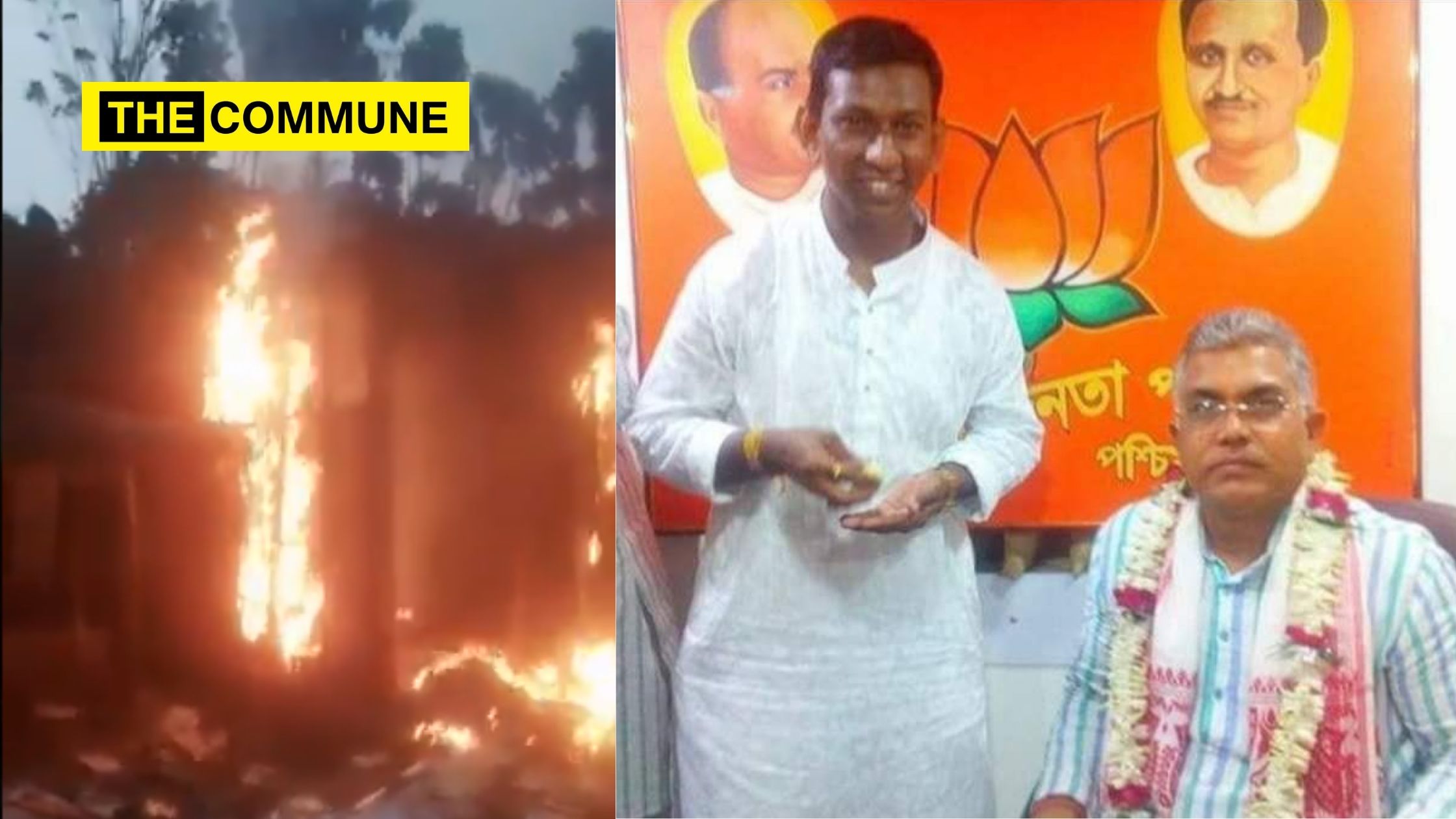
After winning the assembly election in West Bengal for the third time, Mamata Banerjee Trinamool Congress celebrated by killing a young Bharatiya Janata Party (BJP) worker named Abhijeet Sarkar.

The murder took place in Beliahata assembly seat ward number 30. TMC workers after it was confirmed that they are going to have a thumping majority, lynched Sarker to death.

In Arambag a town in Hooghly district, the BJP party office was set on fire by TMC workers. “After results for West Bengal assembly came in, TMC goons burnt down BJP’s party office in Arambagh… Is this what Bengal will have to suffer for the next 5 years?” tweeted the BJP’s IT cell chief Amit Malviya.

Also, there is news of the looting of a shop of BJP supporter coming from West Bengal. 

Click here to subscribe to The Commune on Telegram and get the best stories of the day delivered to you personally.
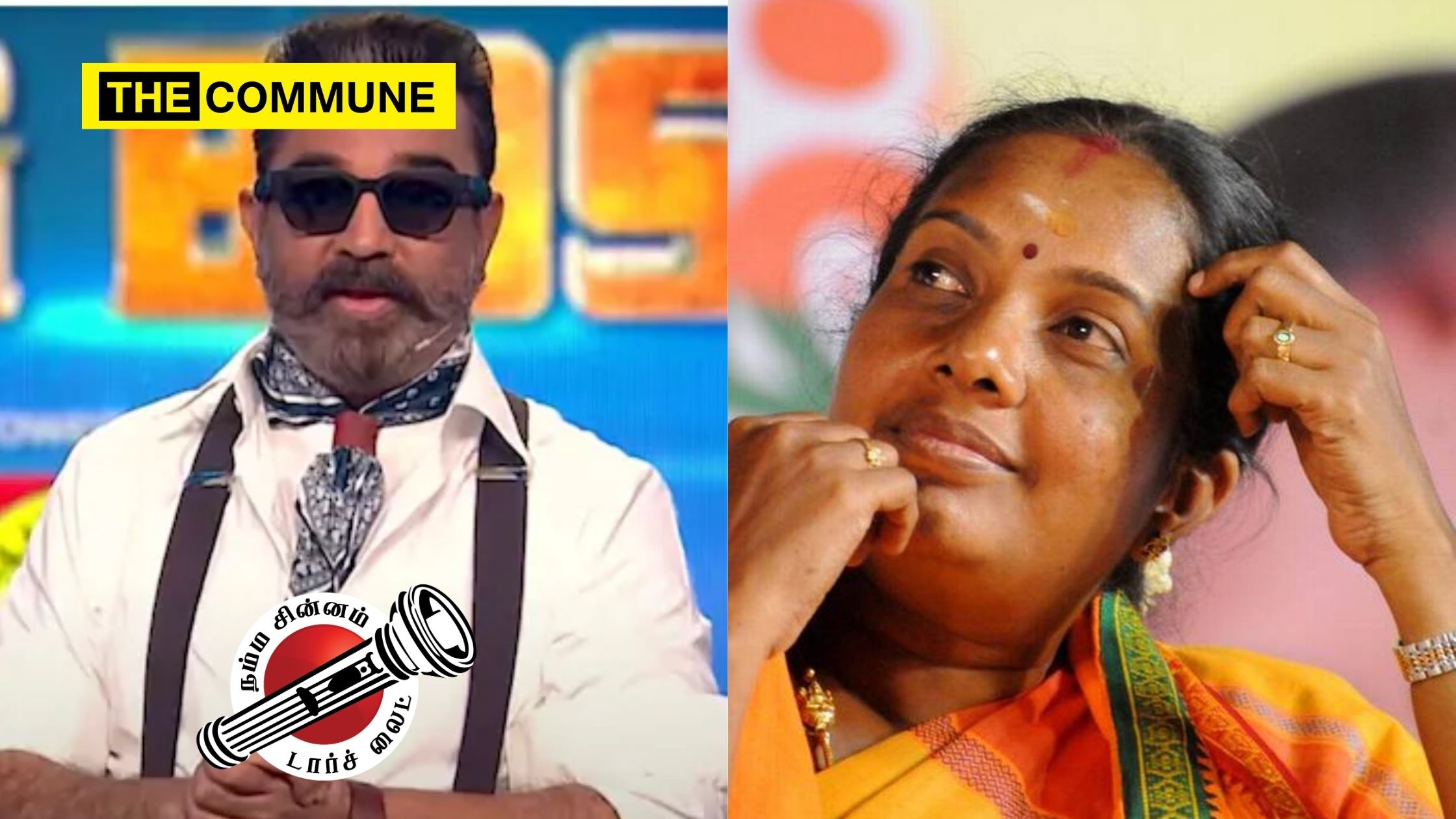
Cine fanatics and MNM sympathizers spew hatred against Coimbatore people for electing BJP’s Vanathi

Following the defeat of Makkal Needhi Maiam chief Kamal Haasan, the actor-politcian’s fans along with DMK sympathizers have been unleashing venom against the people of Coimbatore for electing Vanathi Srinivasan, the BJP candidate for Coimbatore South.

In a nail biting finish, BJP’s Vanathi Srinivasan secured 52627 votes and emerged victorious defeating actor-politician Kamal Haasan who lost the seat by 1540 votes. Mayura Jayakumar of the Congress belonging to the DMK alliance was pushed to a distant third (41663).

Appreciations have been pouring in for Vanathi Srinivasan, the daughter-of-the-soil from Coimbatore who is also the BJP National Women’s Wing President. However, cine fanatics including actor Kamal Haasan’s fans along with DMK sympathizers have been abusing Coimbatore people for their democratic choice.

In a new low to the political discourse of Tamil Nadu, the hashtag #முட்டாள்கோவையனுங்க (Idiot Coimbatoreans) is being trended by sympathizers of the MNM and the DMK. Here is a look at some of the tweets being shared.

https://twitter.com/theatman123/status/1388898961985998853

https://twitter.com/Joyson_aj/status/1388893625103175680

Click here to subscribe to The Commune on Telegram and get the best stories of the day delivered to you personally.
Lotus blooms in TN: BJP enters Assembly after 2 decades

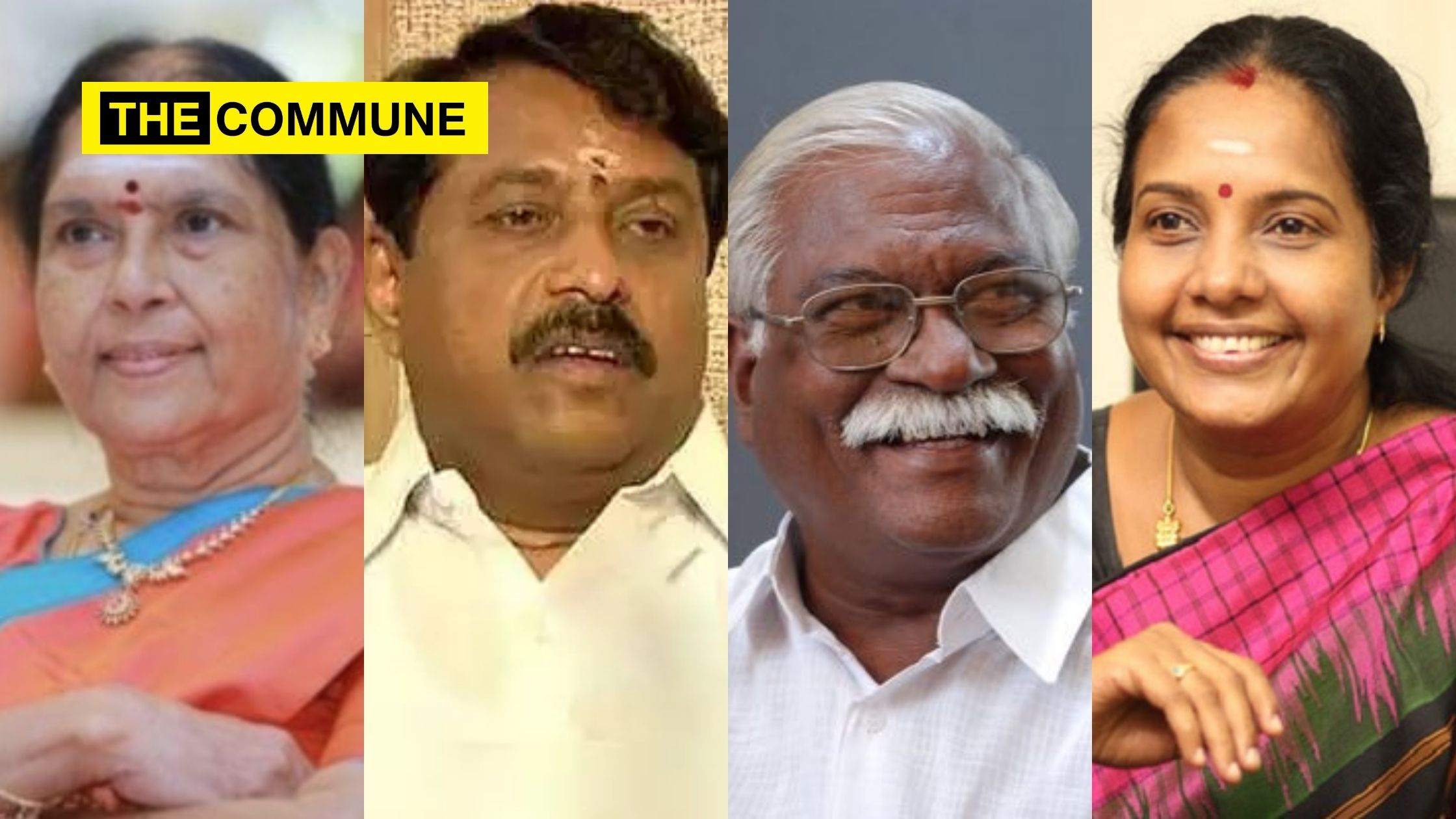
After two decades, the Bharatiya Janata Party (BJP) has won 4 seats – Nagercoil, Modakurichi, Tirunelveli and Coimbatore South – in the 2021 Tamil Nadu Assembly Elections.

MR Gandhi, the winning candidate from Nagercoil, is a well known face in the Kanyakumari district. He is an RSS worker and was the district president of Jan Sangh. He became the state secretary of the party in 1975. He was one of the prominent faces from Tamil Nadu to oppose the fascist Emergency regime of the Congress under Indira Gandhi. He was jailed under the Maintenance of Internal Security Act (MISA) at that time. There have been multiple attempts on his life. He managed to escape the Mandaikadu Christian attacks on Hindus. In December 2006, when he was returning from a coastal village after a meeting at night, he was survived a murderous attack by a mob of Islamists, who threatened to burn him alive. He was again attacked by Islamists in April 2013 when he was going for his morning walk.

Nainar Nagendhran is the Vice President of BJP Tamil Nadu and has won from Tirunelveli constituency. He left the AIADMK in 2017 to join the BJP. He has been earlier elected as MLA from the same constituency in Tirunelveli in 2001 and 2011. He had served as Minister for Electricity, Industry and Transport during the AIADMK-led government of 2001–2006.

Dr. C.K. Saraswathi, the winning candidate from Modakurichi is a doctor by profession. She is known for offering free knee surgeries to the poor and needy.

Vanathi Srinivasan, the National President of BJP’s Mahila Morcha (women’s wing) emerged victorious taking on actor-politician Kamal Haasan of MNM at the Coimbatore South constituency. She became the BJP Tamil Nadu unit’s Vice President following the appointment of new office bearers in July 2020. A lawyer by profession, Vanathi Srinivasan’s entry into politics began with Akhil Bharatiya Vidya Parishad (ABVP), the student wing of the BJP. She was the State Secretary of BJP Tamil Nadu from 2009 to 2014 and the General Secretary of 2014 to 2020. She was appointed as the State Vice President in July 2020. She contested in 2011 & 2016 Tamil Nadu State Assembly election as BJP candidate. She secured 33,113 votes in the Coimbatore South Constituency during the Assembly Election 2016.

In Tamil Nadu, the BJP won one seat in the 1996 assembly elections. Next, in the 2001 elections, the BJP which was in alliance with the DMK back then, won four constituencies. In the ensuing elections, the BJP did not even get a seat.

Click here to subscribe to The Commune on Telegram and get the best stories of the day delivered to you personally.
Karnataka bypolls: Congress candidate’s brother creates ruckus during counting

Karnataka congress

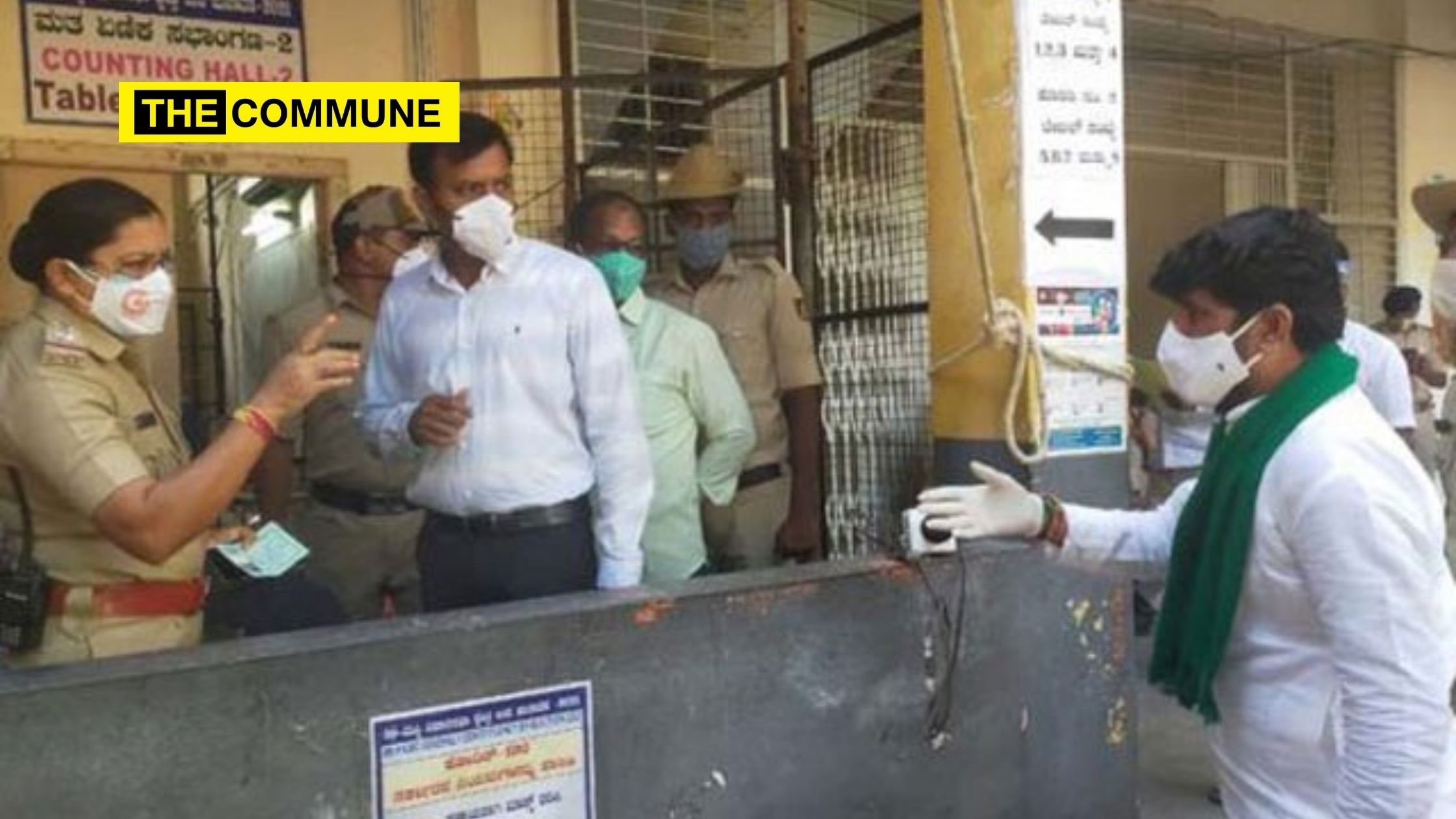
The brother of Basanagouda Turvihal, Congress candidate from Maski assembly constituency of Karnataka, created a commotion at the vote counting centre.

Karnataka Congress leader Basanagouda Turvihal’s brother, Siddanagouda Turvihal, complained that counting details were not being provided properly. The police later took him away and detained him in a room.

Siddanagouda got into an argument with the police officers on duty as they tried to calm him down and let the counting officers get on with their job. But the fracas continued. At this juncture, deputy commissioner, R Venkatesh Kumar, asked the police to take him into custody. Turvihal was escorted by the police to the media room where he was seated.

Speaking on this occasion, Siddanagouda accused officials of failing to provide proper information to his query about the counting of votes.

Counting of votes took place today in Karnataka in the two assembly constituencies and one Lok Sabha constituency.

Click here to subscribe to The Commune on Telegram and get the best stories of the day delivered to you personally.
Netizens demand probe on the death of Rohit Sardana and claim he died due to medical neglect

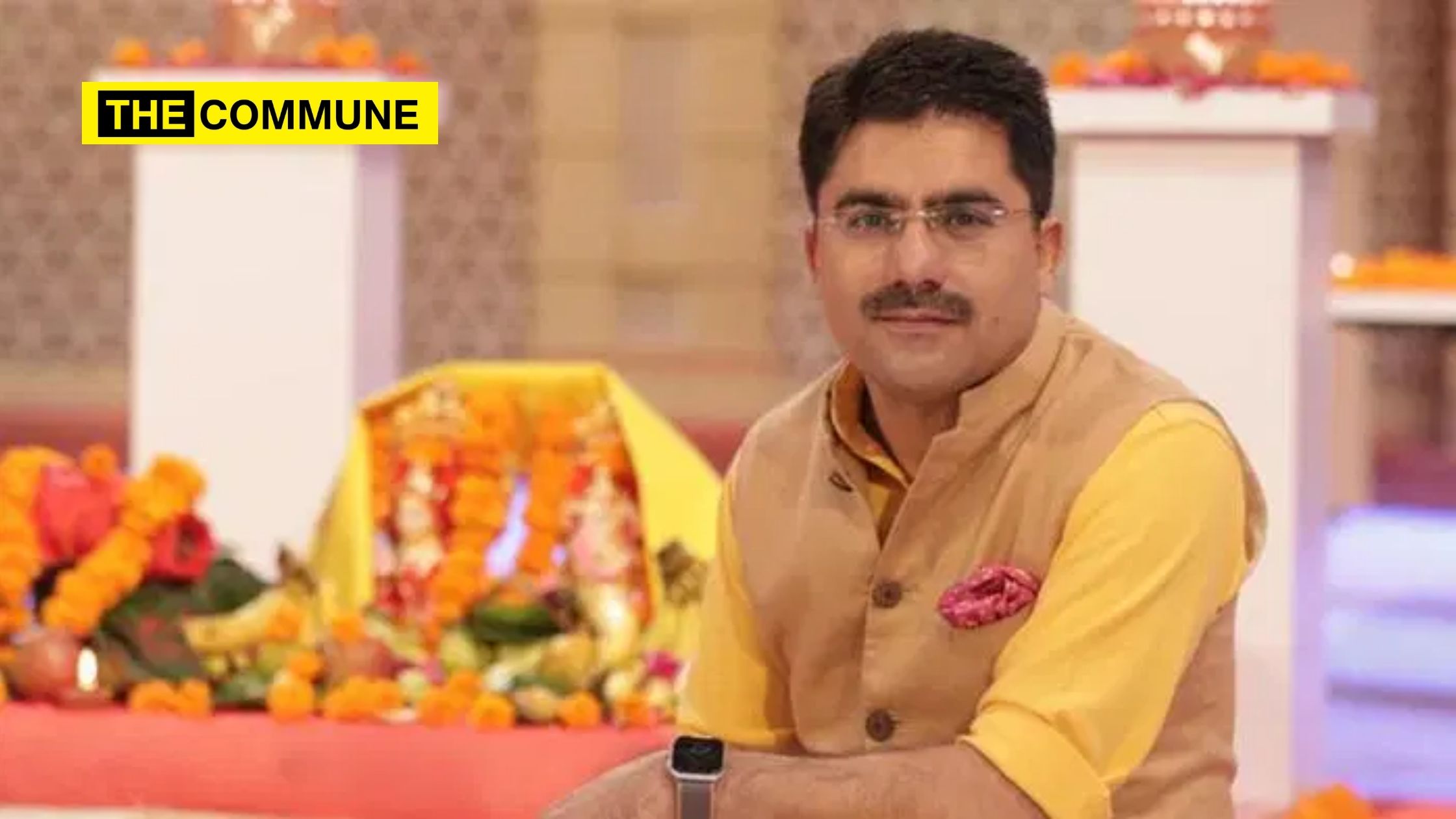
As #JusticeForRohitSardana is spreading like wildfire on Twitter, netizens demand a probe on prominent journalist Rohit Sardana’s death due to COVID infection. They have claimed that his death was not solely due to COVID, and accuse the hospital administration’s negligence towards his treatment to have been the main cause of his death.

Several BJP leaders have been tweeting in support of this call for probe by netizens and have been questioning the cause of his death. BJP spokesperson Tajinder Pal Singh Bagga tweeted, “Brother Rohit Sardana was administered an injection, which did not suit his body. No senior doctor was present at the time of his treatment. There needs to be a probe whether this is a case of medical negligence. #JusticeForRohitSardana”

BJP MLA Sanju Devi had also tweeted saying, “I demand high-level investigation against Metro Hospital, Noida for medical negligence in Rohit Sardana’s death.”

Rohit had tested positive for COVID on a few days ago and succumbed to the virus by dying of a heart attack on Friday. OpIndia reported that while the possibility of ‘medical negligence’ cannot be ruled out in the untimely demise of prominent news anchor Rohit Sardana, research shows that chances of death are higher for a Covid infected patient if he suffers a heart attack.

Click here to subscribe to The Commune on Telegram and get the best stories of the day delivered to you personally.
Geologist finds world’s oldest water at a Canadian mine

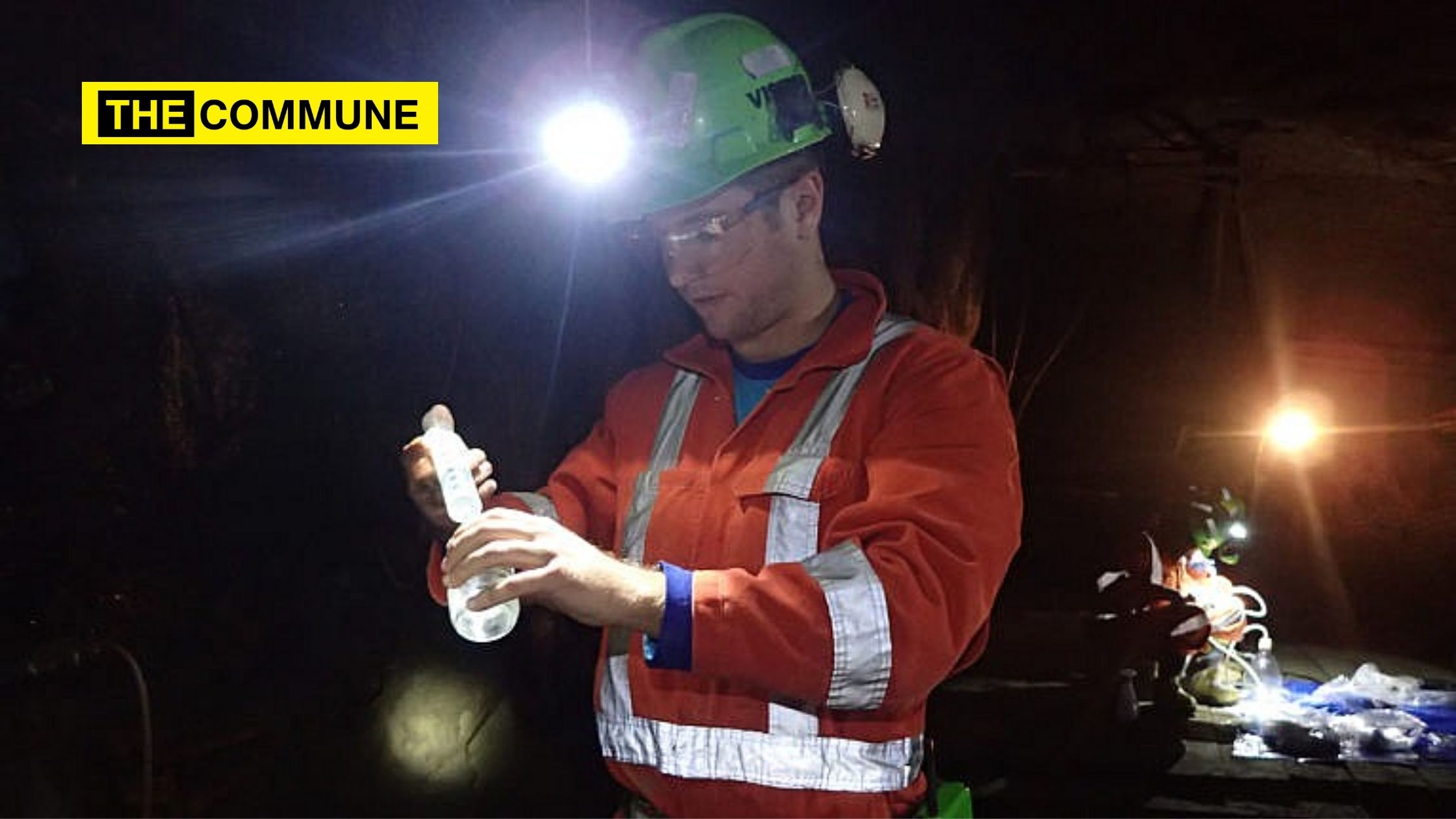
Barbara Sherwood Lollar, a geologist from Canada, has been credited with discovering the world’s oldest water resource which was analysed from a sample taken from a mine in Canada.

Barbara had first visited the Glencore-owned Kidd Creek mine in 1992 and took a team there 17 years later, on an expedition that would help her make a landmark discovery. Her team extracted this record-setting brine over 2.4 km underground and after four years of tedious research, they found out that this was older than any water sample ever found.

Barbara then promptly send this sample to Oxford University. The tests pegged the mean age of the samples, extracted from a mine north of Timmins, Ont., in 2009, at 1.6 billion years old—the oldest ever found on Earth. This is by far the oldest water sample ever found on the surface of Earth. Finding the water per se was not the biggest discovery, since tiny chemolithotrophic microorganisms were found feasting on the hydrogen present in this water. This was the actual landmark of the discovery since it raised questions about whether life could exist beyond Earth.

Sherwood Lollar added that Glencore set aside space for another superlative feature inside the mine; it was one of the deepest and longest scientific observatories for fluids and deep microbiology in the world.

Click here to subscribe to The Commune on Telegram and get the best stories of the day delivered to you personally.
India pursued assertive foreign policy in 2020, says US Defense Intelligence Agency

Modi India foreign policy

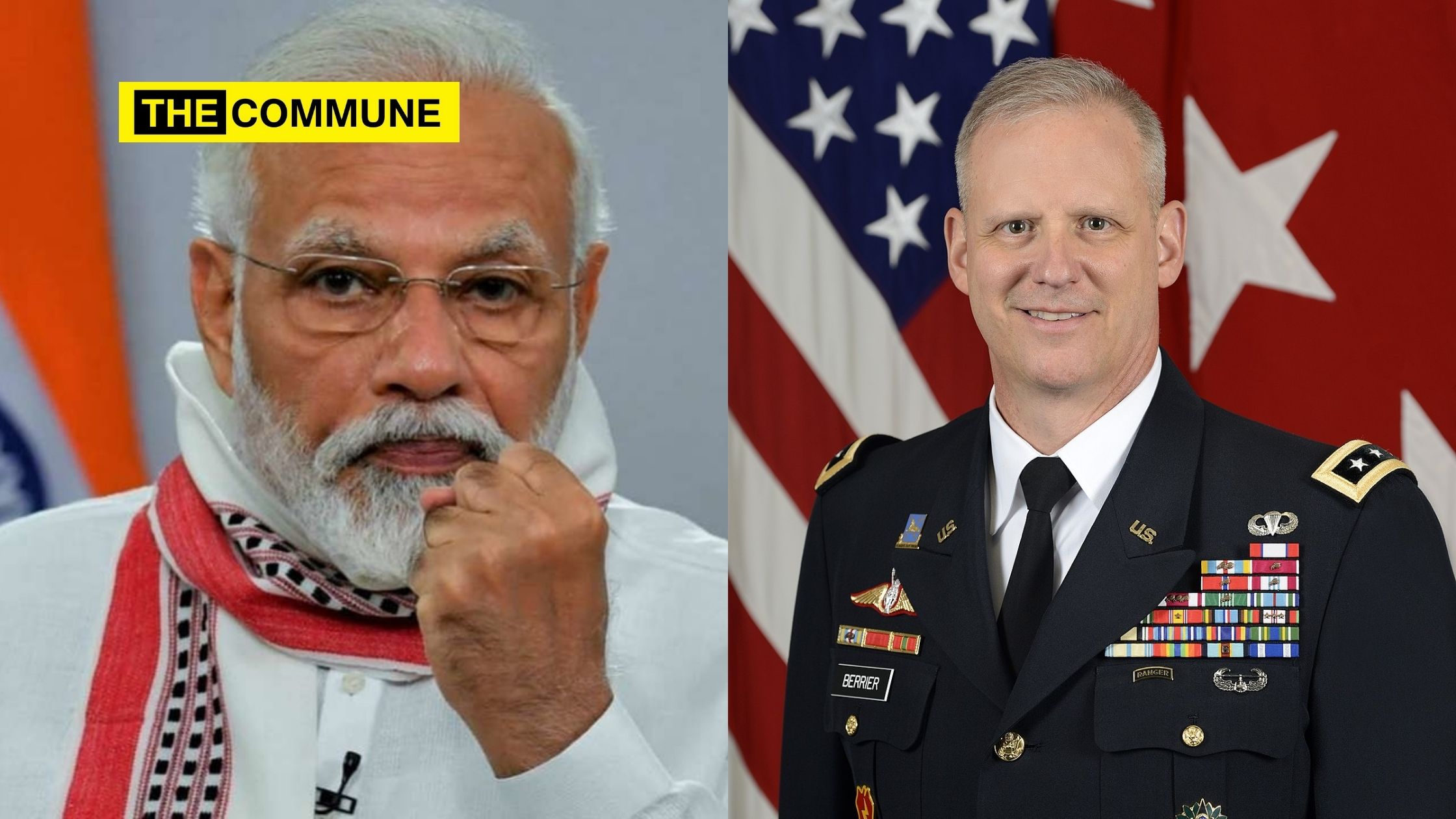
India, under Prime Minister Narendra Modi, pursued an assertive foreign policy in 2020 aimed at demonstrating the country’s strength and its perception as a net provider of security in the strategically vital Indian Ocean Region, a top American intelligence agency has said.

The Defense Intelligence Agency (DIA) also told US lawmakers that New Delhi also hardened its approach towards an aggressive China.

“Throughout 2020, Prime Minister of India Narendra Modi’s government pursued an assertive foreign policy aimed at demonstrating India’s strength and its perception as a net provider of security in the Indian Ocean Region,” Lt Gen Scott Berrier, Director of the Defense Intelligence Agency told members of the Senate Armed Services Committee during a Congressional hearing on worldwide threats.

In the first months of the COVID-19 pandemic, New Delhi played a leading role in delivering medical equipment to countries throughout South Asia, Africa, and the Middle East, facilitating the evacuation of Indians and other South Asians from virus hotspots, he said on Friday.

“India hardened its approach towards China following a deterioration in bilateral relations that followed Chinese efforts to take Indian-claimed territory along the disputed Line of Actual Control border beginning in the summer of 2020,” Berrier said.

The DIA, which specialises in defence and military intelligence, informs US national civilian and defence policymakers about the military intentions and capabilities of foreign governments and non-state actors. It also provides intelligence assistance, integration and coordination across uniformed military service intelligence components, which remain structurally separate from DIA. The agency’s role encompasses the collection and analysis of military-related foreign political, economic, industrial, geographic, and medical and health intelligence. DIA produces approximately one-fourth of all intelligence content that goes into the US President’s Daily Brief.

In response to the June clash between Indian and Chinese troops, and the deaths of 20 Indian and four Chinese soldiers, New Delhi responded by deploying an additional 40,000 troops, artillery, tanks, and aircraft to the disputed border, occupying strategic mountain passes in disputed territory, and sending Indian Navy ships to shadow Chinese ships in the Gulf of Aden, the DIA said.

India also implemented economic measures meant to signal its resolve against China, including banning Chinese mobile phone apps and taking steps to use trustworthy vendors of telecommunications, Berrier told lawmakers.

According to Berrier, India also maintained an assertive approach on its border with Pakistan, refusing to engage in diplomatic dialogue in the absence of Pakistani action to end support to anti-Indian militant groups.

Tensions remain high in the aftermath of the 2019 Pulwama terrorist attack and subsequent military reactions, and the Modi government’s August 2019 action “to curtail Jammu and Kashmir’s autonomy by revising the Indian Constitution”.

The Indian Army units along the Line of Control border periodically conducted artillery strikes targeting suspected militant camps and Pakistan Army positions throughout the year.

India and Pakistan announced a ceasefire agreement in late February 2021, but any high-profile militant attacks by suspected Pakistan-based groups will likely elicit an Indian military response that could escalate to military confrontation, he said.

“New Delhi is continuing to pursue a wide-ranging military modernisation effort encompassing air, ground, naval, and strategic nuclear forces with an emphasis on domestic defence production”, Berrier said.

“It will continue its longstanding defence relationship with Russia because of the large amount of Russian-origin equipment in India’s inventory and Moscow’s willingness to assist New Delhi in strengthening its domestic defence industry,” Berrier added.

India continued to develop its own hypersonic, ballistic, cruise, and air defence missile capabilities, conducting approximately a dozen tests since September.

India has a growing number of satellites in orbit and is expanding its use of space assets, likely pursuing offensive space capabilities to boost the role space assets play in its military strategy.

It conducted a successful ASAT (anti-satellite) missile test in March 2019, and has since announced plans to define further the role of ASAT weapons in its National Security Strategy.

New Delhi also seeks to build space expertise with the formation of its Defence Space Agency and through space warfare exercises, such as IndSpaceEx held in July 2019.

Berrier also told lawmakers that the Pakistan military continues to execute counterterrorism operations against militant groups that pose a threat to it. These efforts have been successful in reducing violence from some anti-Pakistan militant, terrorist, and sectarian groups in Pakistan.

“However, we assess these groups remain capable of conducting mostly small-scale attacks and occasional high-profile attacks. Tehrik-e-Taliban Pakistan — an anti-Pakistan militant group — was weakened by leadership losses, but recently announced its reunification with two splinter groups to bolster its capabilities,” he said.

“While Pakistani intelligence continues to provide material support and safe haven to the Taliban, Islamabad continues to support Afghan peace efforts, encouraging the Taliban to engage in dialogue with the Afghan Government,” he added.

Berrier said that Pakistan’s relations with India continue to remain tense since New Delhi’s August 2019 revocation of Kashmir’s semiautonomous status.

During the year, tensions with India probably will remain elevated, and concerted efforts by both sides to fully implement the February 25, 2021 ceasefire will be necessary to reduce tension along the Line of Control.

Pakistan perceives nuclear weapons as key to its national survival, specifically to counter the threat from India’s growing conventional force superiority, and likely will increase its nuclear stockpile in 2021.

To that end, Pakistan continues to modernise and expand its nuclear capabilities by conducting training with its deployed weapons and testing developmental missiles.

Click here to subscribe to The Commune on Telegram and get the best stories of the day delivered to you personally.
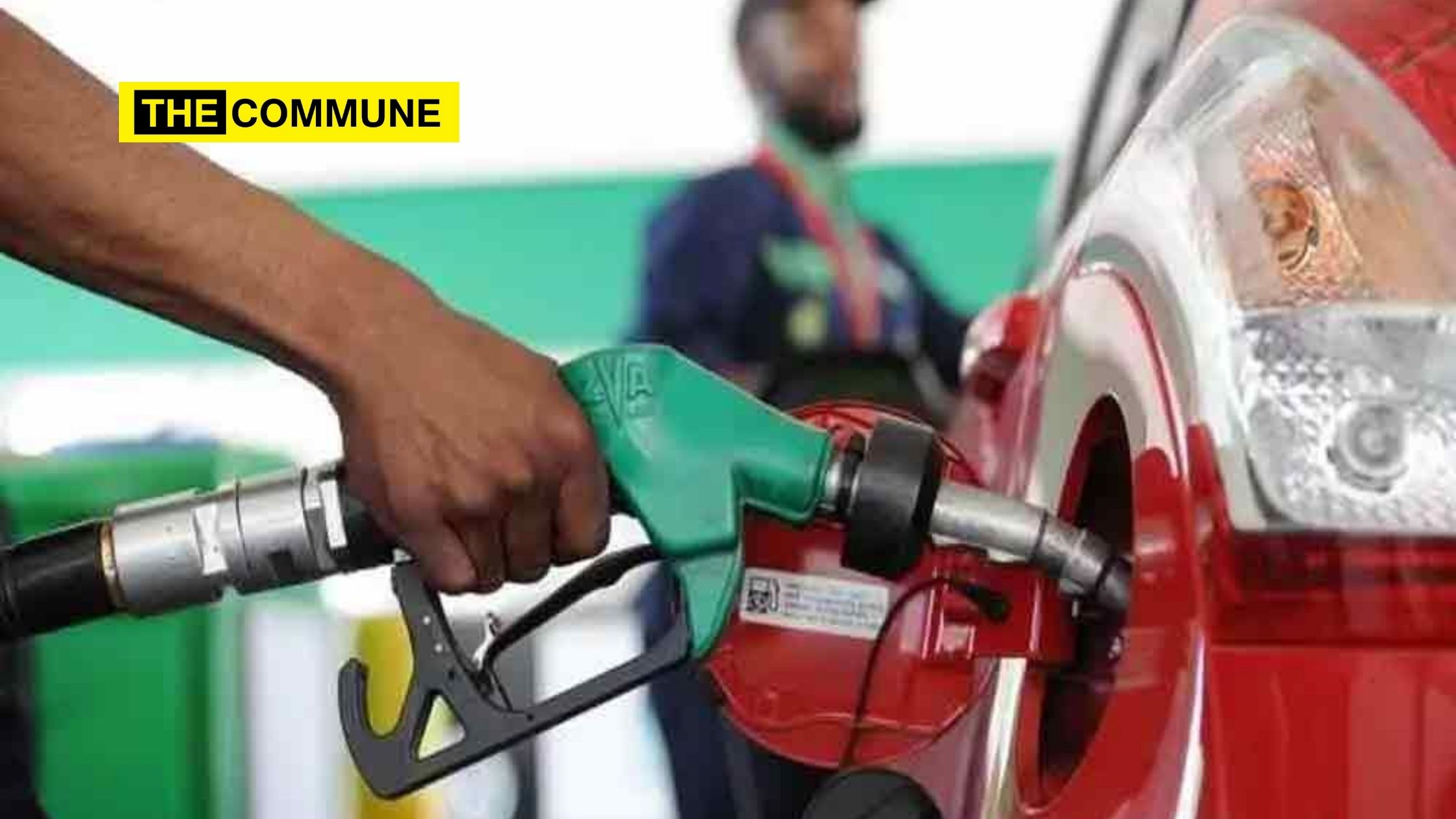
Jet fuel price up 6.7 %; petrol, diesel price hike coming soon

petrol diesel price

The price of jet fuel was hiked by a steep 6.7 per cent on Saturday, reversing the price cuts of last month. An increase in petrol and diesel prices is also likely, as international prices are on the upside.

Aviation turbine fuel (ATF) price was increased by ₹3,885 per kilolitre (kl), or 6.7 per cent, to ₹61,690.28 per kl in the national capital, according to a price notification of state-owned fuel retailers.

Rates vary from state to state depending on incidence of local taxes.

The increase in price comes after two rounds of reduction last month. Prices were cut by 3 per cent on April 1 and then again by 1 per cent, or ₹568.88 per kl, on April 16.

Meanwhile, petrol and diesel prices remained unchanged for the 16th day on Saturday, but oil company officials indicated an increase in rates in the near term.

Despite the concerns about rising Covid-19 cases in India denting fuel demand, crude oil prices in the international market continue to rise on account of strong US demand recovery and a weak dollar.

“Prices have been on a continuous uptrend for last 4 days (since April 27),” an official said, adding Dubai crude oil price has risen $2.91 per barrel.

It is expected that the crude oil prices in the international market will remain firm in the near future, exerting upward pressure, officials said.

Indian state-owned fuel retailers, IOC, BPCL and HPCL, who are supposed to revise rates daily based on input cost, froze rates after a marginal reduction in prices on April 15. This came amid the elections in West Bengal, Tamil Nadu, Assam, Puducherry and Kerala peaked.

Petrol now costs ₹90.40 per litre in Delhi, while a litre of diesel comes for ₹80.73.

The April 15 cut of 16 paise a litre on petrol and 14 paise on diesel was the fourth reduction since March 24. In four reductions since March 24, petrol price was cut by 67 paise and diesel by 74 paise.

This reduction compared with a ₹21.58 per litre increase in the price of petrol since the government raised excise duty in March last year. Diesel prices had increased by ₹19.18 a litre.

While petrol and diesel prices are revised on a daily basis, ATF rates are revised on the 1st and 16th of every month.

Central and state taxes make up for 60 per cent of the retail selling price of petrol and over 54 per cent of that of diesel. The union government levies ₹32.90 per litre of excise duty on petrol and ₹31.80 on diesel.

Click here to subscribe to The Commune on Telegram and get the best stories of the day delivered to you personally.