Once again Brahmins find themselves in the midst of not one but different debates. On one end of the country, the already miniscule minority of Kashmiri Pandits are being hunted down by terrorists.
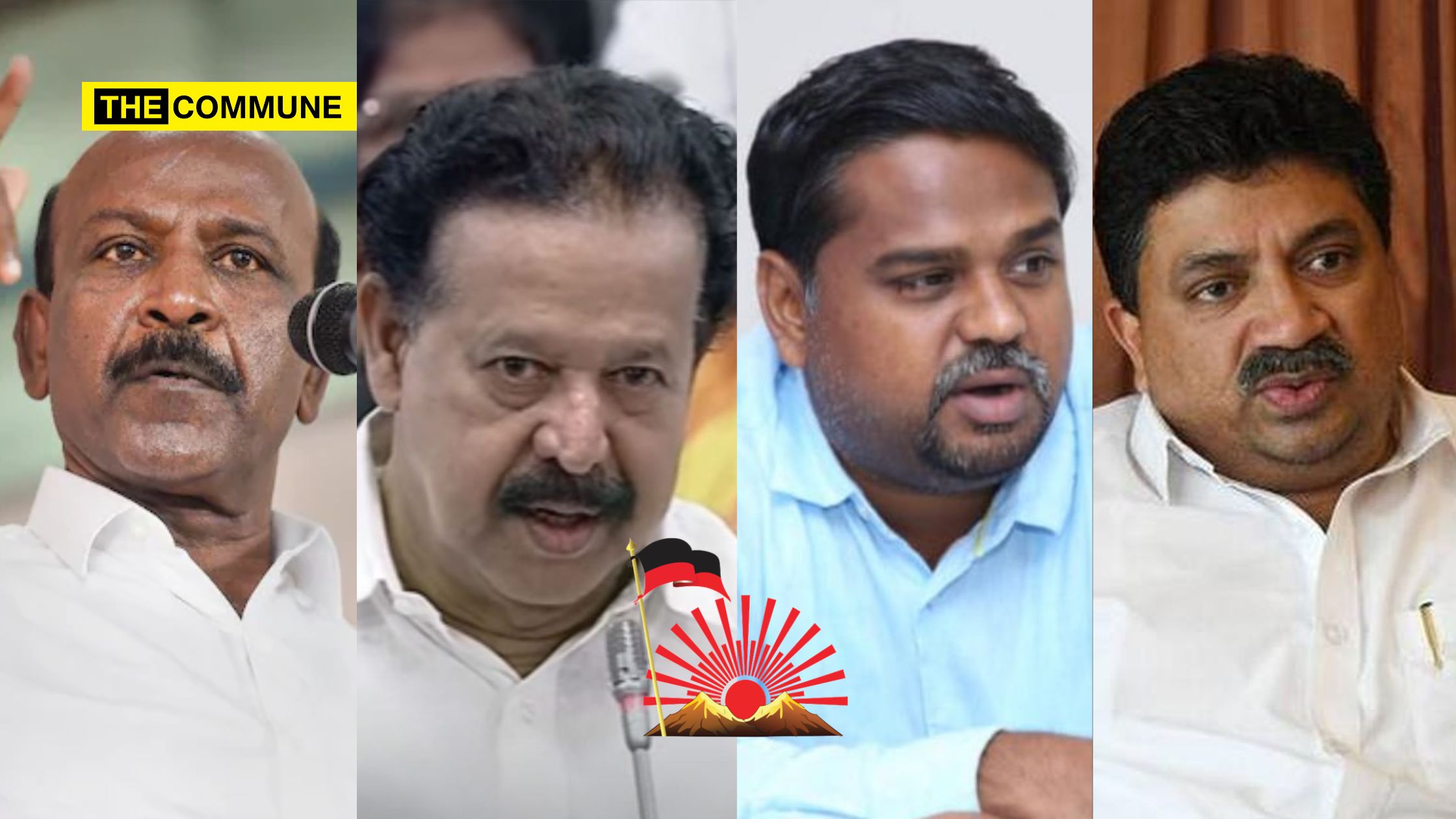
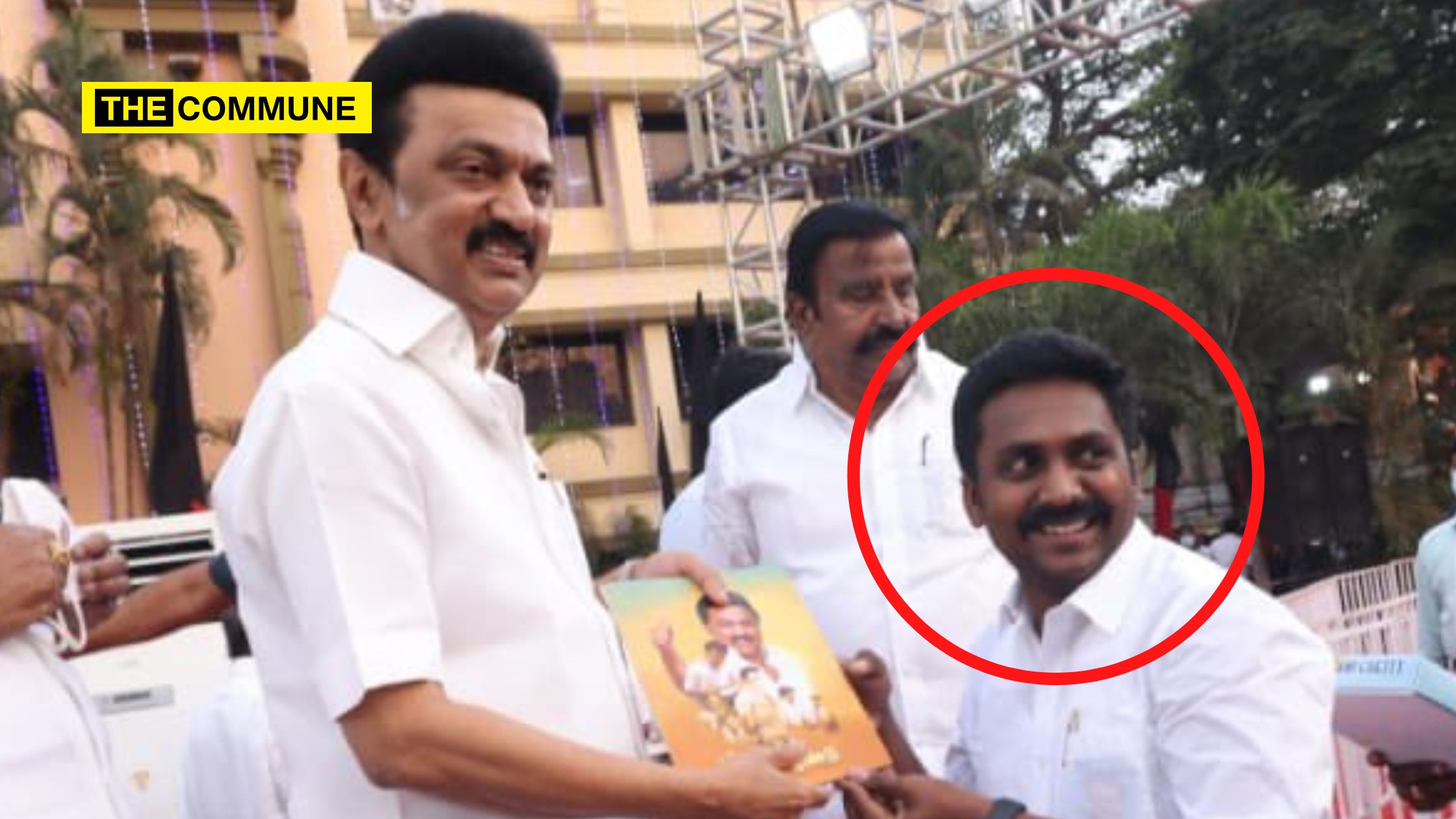
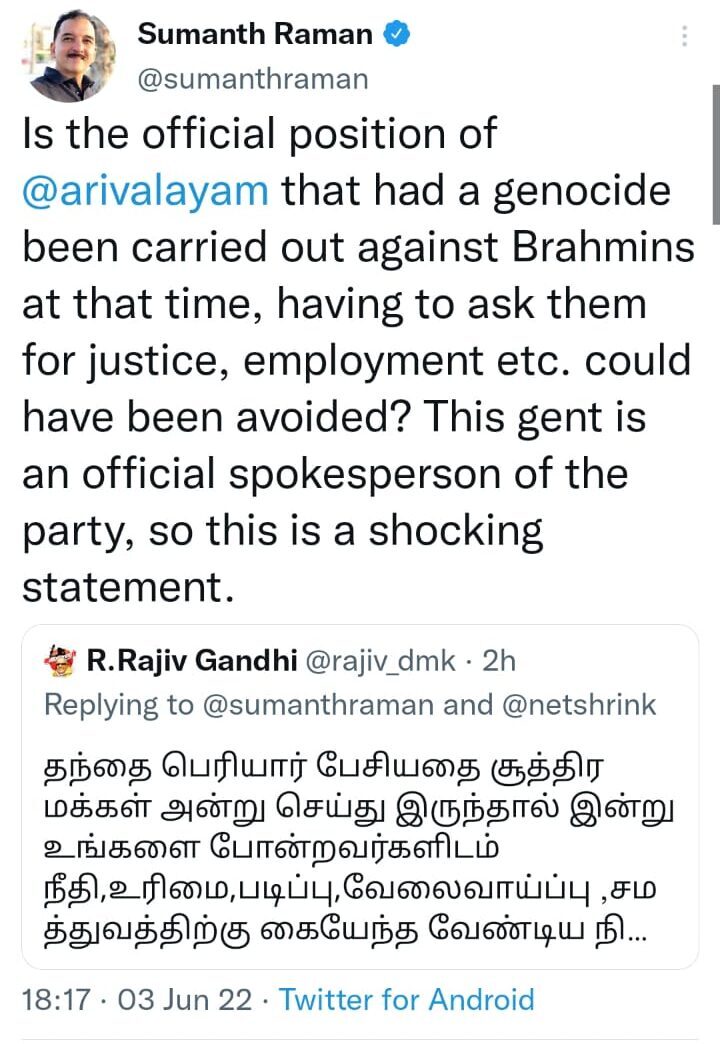
On the other end, a spokesperson of the ruling DMK is worried that a genocide of the Tamil Brahmin community did not happen as advocated by ‘Periyar’ E.V. Ramaswamy Naicker.
Outside India, tech-giant Google, incidentally headed by Brahmin, is being accused of caste discrimination for cancelling the event of an alleged ‘activist’ whose intention seems questionable.
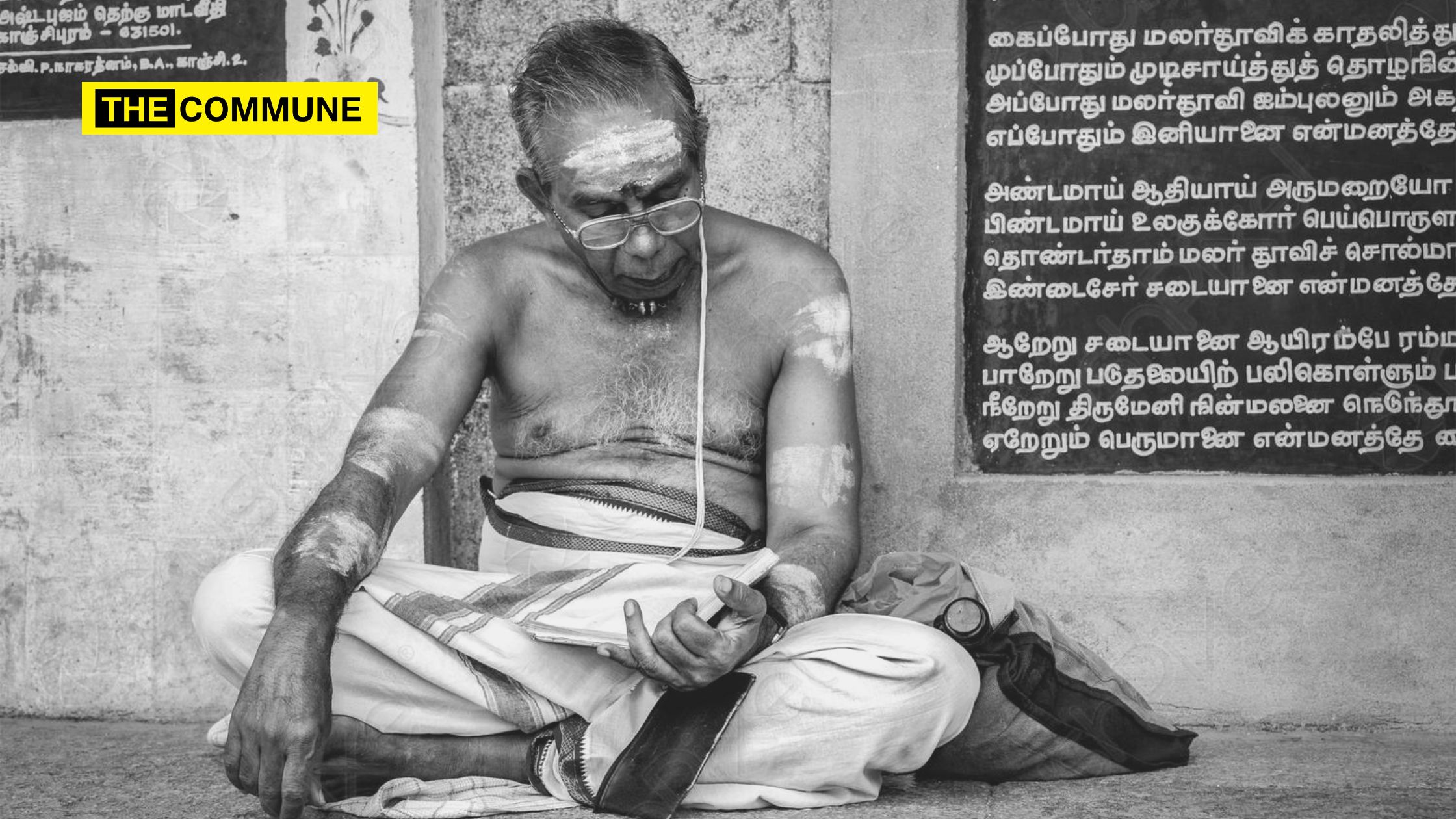
Despite being at the centre of the debate, this much-targeted community remains silent, keeping to themselves and just going about their work. It is precisely because of this that the community finds itself at the receiving end.
But not all will take it lying down. There will be occassional voices atleast to document these happenings so that generations to come will stumble upon a piece of evidence that will highlight the plight of the community today.
Many members of the Tamil Brahmin community have migrated over the years. While warriors of ‘social justice’ argue that Tamil Brahmins migrated in the quest for greater and better opportunities, they brush aside the political circumstances that drove them.
Before I go on elaborating my position, let me say that I am a Tamil Brahmin entrepreneur who is yet to migrate. I hope I may not migrate out of Tamil Nadu even for a short period.
The genesis of the political movement against Brahmins or the Non-Brahman Movement, as American historian Eugene F. Irschick would say, can be traced back to the developments in the mid-1910s wherein Non Brahmin Forward Castes (NBFC) played a pivotal role in mobilising the public opinion against Brahmins. The NBFCs were all feudal castes, owning lands and dominating trade. They were pro-British as well. Brahmins, once subjugated to them, lived on the alms or the grants given by the NBFCs in line with Dharmic traditions for centuries. The great philanthropist, Pachaiyappa Mudaliar (1754-94), supported many Veda Patashalas and Manali Muthukrishna Mudali patronised Muthusamy Dikshithar (1775-1835), the youngest member of the venerated composers, Trinity of Carnatic Music. Brahmins, in turn, looked after the business of their benefactors, offered counsel and took care of their ritualistic requirements.
A Brahmin-Vellala alliance lasted centuries. With the advent of Macaulay education in the late 19th century, the Brahmins, who were among the first to take to it despite being conservative otherwise, started finding employment with the British or private enterprises, apart from setting up their own institutions, right from law firms to banks. Empowered by English education, the Brahmins, in no time, became rivals to these castes in all spheres.
And, after the Indian National Congress was established in 1885, the Brahmins were in the forefront of spearheading the party in the struggle against the British.
Nearly for the next 50 years, they had provided leadership to the Tamil Nadu unit of the Congress. The Brahmins had also reaped the benefits of the first mover advantage. Right from film industry to hotel industry to bureaucracy to judiciary, they gained prominence. The Brahmin teachers, a rarity in government-run schools and colleges in Tamil Nadu these days, were the norm then. A leading Tamil writer, Jeyamohan, acknowledges the pivotal role played by Brahmin teachers in delivering quality education to the public.
It was in December 1916 that the NBFCs came out with a document, “Non Brahmin Manifesto.” Quoting the document, Prof. Irschick, in his seminal work of 1969, ‘Politics and Social Conflict in South India, the Non-Brahman Movement and Tamil Separatism, 1916-1929’, stated that the non-Brahman groups such as the Chettis, Komatis, Mudaliar (Vellalas) and Naidus (Balijas), which “have been making rapid progress [in the field of education],” had, however, been “groping hopelessly” in the background, “because of the subtle and manifold ways in which political power and official influence are often exercised by the Brahmin caste.” This document signalled the formation of the Justice Party to take on professional rivals of the NBFCs.
But, the Congress, after the emergence of Mahatma Gandhi as the central figure, became a party of the masses. Its leaders were able to build a much larger social coalition, uniting Other Backward Castes (OBCs), Schedled Castes (SCs) and minorities. In most of the electoral battles, either prior to Independence or post-Independence till 1967, the Justice Party and its offshoots suffered defeat when they took on the Congress. A party of elites, the Justice Party, romped home only once – in 1920. In the elections to the Legislative Council, which was how then the legislature was called, the party’s success became possible essentially due to the boycott of the Congress. The Justice Party’s Council of Ministers was largely drawn from Telugu polygars and zamindars. On the contrary, in 1937, the Ministry formed by the Congress in the Madras Presidency had a balanced mix of SC, Backward Classes (BCs) and minorities, representing all the four major languages spoken in the Presidency.
The Congress, which came back to power in the 1946 elections, went on to hold power till 1967. K Kamraj was its tallest leader, respected and revered across the spectrum. The advent of Kamaraj as the guiding light of the Congress in Tamil Nadu in 1940, wittingly or unwittingly, paved the way for “de-Brahminisation” of the Congress. The political arena becoming accessible to wider sections of society in the wake of the country gaining Independence in 1947 and the establishment of the Dravida Munnetra Kazhagam (DMK) in 1949 made the Congress party alienate Brahmins politically even though R. Venkataraman, who was the country’s eighth President (1987-92), is still remembered widely for his contribution to the industrialisation of the State in the formative stages of the country. The side lining by the Congress of the Brahmins did not happen abruptly but gradually and quietly.
Satyamurti, the political mentor of Kamaraj and the contemporary of C. Rajagopalachari (CR) Rajaji, was the last president of the Tamil Nadu Congress Committee (TNCC) hailing from the Brahmin community, and this happened in 1935. His two attempts to get re-elected as President in 1936 and 1939 met with failure, the reasons for which were not far to seek.
Then came 1967, one of the defining moments of Tamil Nadu’s contemporary political history. An offshoot of the Justice Party, the DMK, largely identified with Mudaliars till then, captured power with the help of CR’s Swatantra, Communists and Muslim parties and became a party accepted by a large section of the populace.
Slowly and steadily, the Brahmin community got marginalised from the political and social spectrum in the state. It began with teacher’s recruitment. Teachers are the opinion makers. You can’t institutionalise anti Brahminism if Brahmin teachers are around. It began there. The Dravidian ecosystem cleverly played the cards here.
M. G. Ramachandran, who was Chief Minister during 1977-87, had abolished the hereditary Village Administrative Officer (VAO) system, further crippling the community’s power. After he failed in his bid to implement the concept of creamy layer in the reservation for the BCs, he shocked everyone with his decision of hiking the quantum of reservation for BCs from 31% to 50%, in addition to the quota for SC/STs. His protege, Jayalalithaa, a Brahmin by birth, had got a constitutional safeguard for the 69% reservation, disincentivising the community from even thinking about appearing in competitive examinations conducted by the government bodies including the Tamil Nadu Public Services Commission (TNPSC).
And politically too, the community, which once had a dozen MLAs in the ‘50s, had just one or two in the ‘80s and ‘90s. Today, it has nil representation in the House. Communities which are numerically smaller than Brahmins have a dozen MLAs even now. The parties including the AIADMK and the Congress, which could have given the community at least 8-10 seats in proportion to their strength in the State’s population, refused to oblige fearing backlash from their adversaries and allies who gave none to the community members. In July 1979, MGR, a week after his government’s move on creamy layer, advocated the inclusion of economic criterion, and not caste, as the basis for determining backwardness for the provision of educational facilities. But he did a somersault after suffering a drubbing in the 1980 Lok Sabha polls. The defeat was for a different reason but pundits in the anti–Brahmin ecosystem attributed it cleverly to his “radical views” on the quota.
ADMK was a party with a difference. ADMK did not resort to anti-Brahmin rhetoric or discourse like its rival but the policy actions of the party to ensure the power trickles down to the last man had a big impact on the community. Such moves to trickle down power in a democracy are inevitable and happened throughout the country. But in a state like Tamil Nadu, such trickling down happened along with a propaganda of hatred and vilification of the Brahmin community attributable to the influence of the Dravidar Kazhagam on the political arena.
Political alienation of the community was complete in the early 1980s. The political story ends there. Social stature ended with abolition of hereditary VAOs. Meanwhile, recruitment by PSU banks, Railways and various Union enterprises helped the youth of the community find employment in big numbers for three decades – from the 1950s to 1970s.
With the youth finding jobs outside their villages and moving out, the community left agriculture, sold their lands and houses in villages lock, stock and barrel in the 1980s and the 1990s. The community migrated big to the capital city of Chennai, leaving behind desolate and dilapidated Agraharams. With the sale of agricultural lands, the community’s grip over land holdings went down dramatically.
The community moved on overcoming the challenges despite the hatred propagated by the fringe and systemic denial of opportunities. They took up education seriously. The Brahmin youngsters made use of the opportunities ushered by liberalisation of 1991 which was a God send to the community and went places.
They adapted to the forces of the market and migrated to every nook and corner of the country and the world. Yes, a sizeable number from the community migrated because of opportunities created by liberalisation. But what made them look out for such opportunities despite Tamil Nadu being the second largest economy in the country? One needs to look deep into that.
With the advent of Dravidar Kazhagam (DK), there was a perceptible rise in incidents of violence against Brahmins like cutting their tuft and sacred threads in the state. Admirers of the DK founder, E.V. Ramasamy Naicker or Periyar, boast of such incidents even today. Once someone undergoes such trauma, one will definitely feel the need to migrate out. Is it fair to think about not migrating when subjected to such trauma?
The fringe vilifies the community, ridicules and stereotypes them at every opportunity. The only advice Brahmin parents who underwent such ridicules and harassments gave their kids was “Better seek work in private companies where there are no such harassments or move abroad at the earliest to escape from such unpleasant episodes and endless ridicules”.
Harassments have reached a stage now when fringe elements driven by hatred call for genocide of Brahmins in social media openly and discreetly. And not to forget, a Tamil news anchor in a live show went on to abuse a debater from the community by singling out his caste and stereotype him.
It is next to impossible for a Brahmin to become a councillor or an MLA or an MP anymore. Data available in the public domain over the last 50 years support this as the community has never got anywhere close to a proportionate representation in policy making legislature and councils. A peep into the community-wise admission list for the last 10 years, available on the websites of TNPSC and the Directorate of Medical Education, will clearly reveal that Brahmins of the State are almost left out in the state public services and medical service.
The hatred propagated by the fringe resulted in ‘de-Brahminisation’ across fields. If the hatred was missing like other states, many members of the community would not have felt a compelling need to migrate. People who say the community migrated purely seeking better opportunities fail to see this angle.
Having said these, I do not want to stereotype and commit the mistake our detractors do. I really love my fellow Tamilians, cutting across all castes. They have not fallen prey to this campaign of the fringe and they shower us with all love and affection as our neighbours and friends. I am confident that the bonhomie and the bond, which date back to the stone age, will grow from strength to strength and the peaceful coexistence will continue for centuries. The fringe elements built a narrative vilifying us for all the ills plaguing the state, alienated us politically, ended our presence from the government colleges and services and, in various domains such as film industry and medicine, but failed to break the bond that we share with our fellow Tamils. And majority of the community still lives in the state peacefully thanks to such wonderful neighbours.
The Brahmin community is the most inter-mingled community in the state now. It has the least number of Protection of Civil Rights (PCR) Act cases against it and there is no case of honour killing concerning it. Needless to say, it mingles with other communities through marriages. The community has reformed itself and come a long way. But the detractors are still stuck in the past.
It is time that those who say we migrated out of choice and opportunities put an end to this hatred and vilification campaign of Tamil Brahmins by the fringe in social media, institutions and in public discourse.
But for a poor Brahmin, U Ve Swaminatha Iyer, most of Tamil language’s priceless literary treasures would have got lost eternally. The detractors do not even have the broadmindedness to name a Tamil University after him. May Tamil Thai give them a broad mind to acknowledge his deeds. And, contributions of the community to Tamil literature right from Agasthiyar to Kabilar to Nakeerar to the various Azhwars and Nayanmars to Subramania Bharati do not get due recognition. And the state has not given its due to even Nobel Prize winners from the community like Sir CV Raman, Dr Subrahmanyam Chandrasekhar, and Venky Ramakrishnan. There is not a single university named after the great mathematical genius S Ramanujam in the state. And not to forget, literary genius like Ashokamithran, epigraphists like Iravatham Mahadevan and Mr Nagaswami too don’t get their due for obvious reasons. Such is the parochial nature of the anti-Brahmin ecosystem in the state.
On the front of industry and economy, the automobile hub, which the State takes pride in and calls itself as Detroit of South India, was incubated, nurtured and grown predominantly by the entrepreneurs hailing from this maligned community. This hub employs millions today. And, the top honchos and entrepreneurs from the community helped the city of Madras evolve as an IT services hub again providing jobs to millions of Tamils. The entrepreneurs from this community like Zoho’s Sridhar Vembu are taking development even to the remotest part like Tenkasi and help tier 2 cities like Madurai emerge as the next big IT hub.
The Tamil Nadu model of growth ushering in prosperity and growth is no doubt better than other famed models of growth like Gujarat statistically but it could have been all the more inclusive and greater by not “Othering’ the Brahmins despite the community’s stellar contribution to literature, culture, policy making and the economy of the state. Not to forget, the community was at the forefront rendering social justice in a big way right from the Temple Entry Act of Rajaji to providing constitutional protection of 69% reservation by Jayalalithaa and PV Narasimha Rao. The community is as Tamilian and Dravidian as any other group living in the state.
The community has given a lot to the State despite the relentless vilification. They will contribute even more in the coming decades as well because Tamil Nadu is their homeland.
உற்ற தேகத்தை உயிர் மறந்தாலும், எங்கள் தாய் மண்ணை நாங்கள் மறக்கமாட்டோம்!
May this vilification campaign end for the good soon.
But until then, will someone muster the courage to speak up for the community?
Vazhga Tamil! Vazhga Tamil Nadu!
Click here to subscribe to The Commune on Telegram and get the best stories of the day delivered to you personally.

Instances When ‘Liberals’ Looked The Other Way As Hindus And Hindu Gods Were Being Ridiculed
There has been widespread outrage over alleged blasphemous remarks made by the now suspended BJP National Spokesperson Nupur Sharma about Prophet Mohammad.
She lost her cool on a television debate when provoked by a Muslim panelist who had mocked Hindu God Shiva.
While Nupur only asked if she should start mocking their faith making a reference to the Prophet (PBUH)’s marrying a 6-year-old Aisha, the tone and tenor came across as offending.
The clip which became viral after rabid Islamist Mohammad Zubair shared it on his on social media, became a fodder for vested interest to mobilize support against India, both domestically and internationally.
However, one thing has been sidelined amidst all the noise surrounding the controversy – the continuous mockery of Hindus and Hindu icons of worship.
A few weeks ago, when the court-mandated survey of the Kashi Gyanvapi Masjid reportedly discovered a ‘Shivaling’ at the wuzukhana of the masjid, many people mocked it.
Vile and venomous jokes about Shiva Linga were unleashed by social media influencers and members belonging to the Opposition parties.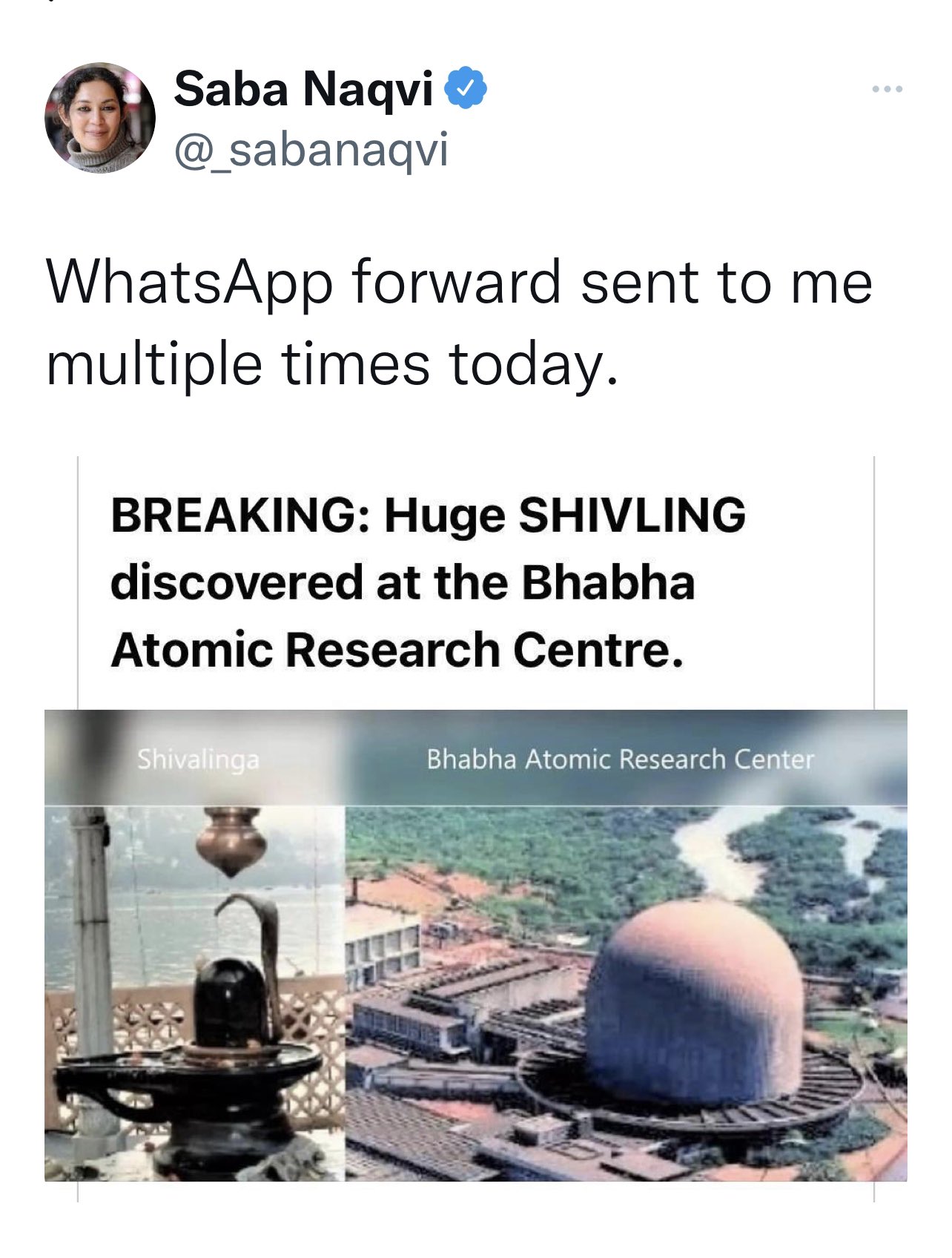
Even a national daily like the Economic Times had the audacity to mock Hindus and their faith.
But this isn’t the first time that those who claim to be liberals have took to shaming the Hindus hurting their religious sentiments.
There have been many instances across the country and also abroad when derogatory remarks were made about Hindus and Hindu Gods.
Incident 1 – When DMK’s Allies Abused Hindu Gods Amman, Krishna and Ayyappan
Around the time when the alleged ‘hate speech’ of Nupur Sharma took social media by storm, rabid fringe outfits in Tamil Nadu comprising of members from “Periyar”ist outfits, the two Communist parties and Popular Front of India took a rally abusing Goddess Amman, Lord Krishna, Lord Ayyappan and also insulted followers of the Hindu faith.
“Is that Maari (Goddess Amman), who asks for sacrifice of goats and pigs, a God? Is Kannan (Lord Krishna), who raped woman, a God? Will a child be born if a man and man have sex? Is calling Ayyappan a God rational?”, the men clad in red shirts can be heard shouting.
“Hey you devotee who comes dancing taking piercings in the body.. Why don’t you come piercing it through your chest once? Hey you devotee who comes dancing taking piercings in the jaw. Why don’t you try piercing it through your throat once. Hey you devotee who comes walking with needles in the tongue.. Why don’t you come piercing it through your eyes once?”, the rabid “Periyar”ists went about shouting in the middle of the road.
As expected, the self-proclaimed liberals who had jumped in to guard the Islamic faith were missing in action. Not a word of condemnation came from the left-liberal and ‘moderate Muslim’ (whatever that means). Except for filing a case, none of the abusers have been taken to task.
Incident 2 – When Owaisi’s Brother Abused Lord Ram And His Mother
Asaduddin Owaisi’s brother and AIMIM MLA Akbaruddin Owaisi made scandalous remarks on Lord Ram and his mother Kaushalya.
“There are three temples in Ayodhya that claim that Ram was born there. In Haryana’s Kausalyapuram people claim the same citing the Indian practice of women giving birth to the first child in their maternal houses. In Kausalyapuram, people believe that Kausalya, the mother of Rama and wife of King Dashratha hailed from here, and thus Rama too was born here itself. While three pandits claim three different birthplaces for Rama, then Advani, Vajpayee, Uma Bharati and Modi should tell us where did mother of Rama go to give birth to him?”, the AIMIM MLA said amidst cheers from his supporters.
Incident 3 – When A Rabid “Periyar”ist Abused Lord Shiva and Goddess Kaali
On April 26, a rabid anti-Hindu Tamil YouTube channel run by “Periyar”ists slandered Hindu God Siva and Goddess Kaali making obscene remarks.
On April 26, a rabid anti-Hindu YouTube channel named U2 Brutus released a video titled “This is the reason why Nataraja stands with his leg lifted“, in which a person who identifies himself as ‘Minor’ resorts to slandering Hindu God Siva and Goddess Kaali.
In the video, a person who identifies himself as Minor says “This guy Paramasivan.. what he did was.. Only on going further we come to know the nefarious activities of his.. He keeps lifting his leg up and up and finally lifted it fully and straight… If you think stretching the leg was a good movement… I too thought so on reading about it but that is where the trick was.. The thing is ‘Thalaivan’ (referring to Lord Siva) did not wear underwear that day. Don’t laugh.. Seriously, that is what is written.. Thalaivan had gone without wearing underwear voluntarily. What will happen if someone lifts the leg up? ‘It’ (referring to penis) will fall out right? I’m not joking. That is how it is written. Once you lift your leg, it will be visible right? On seeing that the people were shocked. Thillai Kaali who was dancing got shocked after seeing it. How can she dance after that? After seeing it, she didn’t know what to do and forgot all her dance movements.”
This ‘Minor’ was felicitated and given an idol of E.V. Ramaswamy Naicker (knonwn as Periyar by his followers) by Tamil Nadu Health Minister Ma. Subramanian at an event held in April 2022.
U2 Brutus has put several videos slandering Hindus and the Hindu faith. Earlier in November 2021, the channel released a video titled “Pornography in Vedas” in which ‘Minor’ and an alleged Saivite scholar named Prakash derogate the Vedas, the holy scripture of the Hindus. No action has been taken against ‘Minor’ till date despite multiple complaints registered against him by Hindu outfits like Indu Makkal Katchi, Hindu Munnani and Sivachariyars.
Incident 4 – When “Periyar”ists Abused Hindu God Murugan
Karuppar Kootam, a YouTube channel run by “Periyar”ists with links to the DMK set off a storm by abusing Kandha Sashti Kavasam, a hymn dedicated to the Hindu God Murugan.
This channel had indulged in targeted attacks against Hindus posting videos abusing Hindu Gods, Hindus and Brahmins for a long time under the garb of ‘rationalism’.
The channel had run a series titled “Aabasa Puranam” (Porn Puranam), in which members of the Karuppar Kootam had used vulgar language against Hindu Gods like Murugan, Saraswathi, Brahma, etc.
In one such video titled “Saraswathi Puranam” , Surendar Natarajan, a member of the Karuppar Kootam had said “You say Saraswathi sits in the tongue of Brahma.. If we ask, where will Saraswathi go when she needs to pee or has a bad stomach.. they don’t have an answer. You told she is in the tongue, shouldn’t you also say you also have built a toilet in Brahma’s mouth?”
What is worth mentioning is that members belonging to DK, DMK, VCK and the Communist parties were frequent guests hosted by the channel.
Incident 5 – When A Karnataka ‘Social Activist’ Abused Brahma And Saraswati
In Karnataka, during a protest against the burqa ban in govt-run schools and colleges, social activist Keeluholali Satish insulted God Brahma and Goddess Sarasvati by making obscene remarks.
Insult of Hindus and Hindu Gods have been mainstreamed through art, literature and cinema.
Incident 6 – When Anti-Hindu Kannada Writer Abused Lord Ram
KS Bhagawan, a rabid Hindu-hater who is celebrated as a rationalist by left-wing groups had written a book titled ‘Rama Mandira Yeke Beda‘ (Why Ram Mandir is not needed) in which he called Lord Ram a drunkard who made Goddess Sita also to drink alcohol.
He has made disparaging remarks against Mahabharata and Ramayana and even called for burning the Bhagwad Gita as the religious book in his opinion promotes caste system and violence.
Incident 7 – When Kancha Ilaiah Shepherd Distorted Hindu Faith Itself
Kancha Ilaiah Shepherd, a self-proclaimed intellectual and a rabid Hindu-hater had spun conspiracies after conspiracies in his book ‘Why I Am Not A Hindu’.
Incident 8 – When MF Hussain Painted Nude Hindu Gods
MF Hussain who had painted a fully Muslim King and a naked Hindu Brahmin once has painted nuder portraits of Hindu Goddesses like Saraswati, Durga, Parvati etc.
In one of his paintings, he had shown Goddess Durga having intercourse with a tiger.
He had also painted a nude portrait of Goddess Saraswati.
Incident 9 – When A Muslim Actor Ridiculed Hindu Gods
Aamir Khan made fun of Hindu Gods in his movie PK in which he showed Lord Siva pulling a cart with two burqa-clad women passengers. Lord Siva is also shown in a caricaturish manner in a scene at the washroom.
In many of the instances listed here, those on the Left of the political spectrum looked the other way if not actively cheered.
On the other hand, even a hear-say allegation of blasphemy
In Bangladesh one Iqbal Hussain had placed a Quran in a Durga Puja pandal and it led to widespread violence against Hindus and their places of worship.
In another incident in Sialkot, Pakistan, a man from Sri Lanka was lynched to death and burnt over allegations of blasphemy.
He allegedly tore a poster of the hardline Tehreek-e-Labbaik Pakistan (TLP) in which Quranic verses were inscribed and threw it in the dustbin.
A Hindu activist named Kamlesh Tiwari was killed for a Facebook post that he had put in 2015. His throat was cut and he was shot multiple times and died while being taken to a hospital.
This is the plight of the global minority today. Repeated derogatory remarks on the Hindu faith are given a free pass while even a hear-say allegation of blasphemy about a particular religion can lead to death.
Click here to subscribe to The Commune on Telegram and get the best stories of the day delivered to you personally.