
Home Blog Page 1025

Delhi’s Liquorgate Reaches Andhra
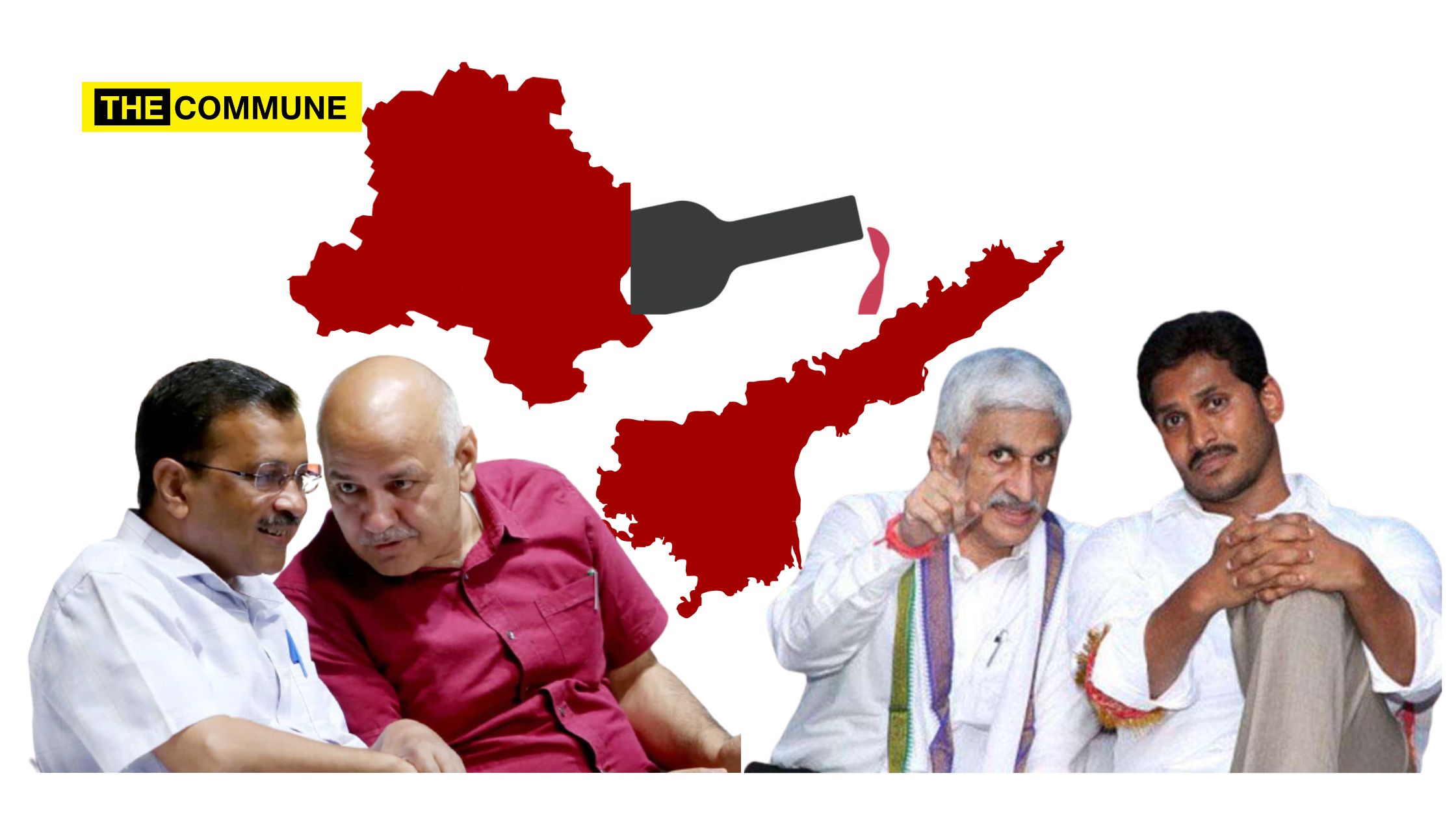
This is part 2 of the series on the links between Delhi Government’s Liquorgate and the Telugu states of Andhra Pradesh and Telangana. Read par 1 here

AAP’s Delhi Liqour Scam has far reaching roots all the way down to Andhra and Telangana’s ruling parties, based on Enforcement Directorate’s (ED) investigations and initial reports.

As of this week, the latest addition to an earlier list of persons to be named from the Telugu states, in the ED report, is K Kavitha, the daughter of Telangana Chief Minister and leader of the ruling BRS party (formerly TRS) , K Chandrasekhar Rao. In its report, the ED refers to individuals involved from the South, as the “South group”.

Last month, the ED arrested Sarath Chandra Reddy, a Director in the Hyderabad-based Aurobindo Pharma company and Benoy Babu, general manager, International (Liquor) Brands- Pernod Ricard India, in connection with its money-laundering probe into irregularities in the now-scrapped, liquor policy of the Delhi government. They are accused of alleged corruption in the formulation and implementation of the excise policy for the National Captial. Senior AAP leader and Delhi Deputy Chief Minister, Manish Sisodia has also been named as a party to the Delhi “Liquorgate” scandal.

Sarath Chandra Reddy’s purportedly deep and far-reaching involvement in the Delhi liquor policy scam, is politically significant as the family of Sarath Chandra Reddy is related to Vijayasai Reddy, a close aide and confidante of the Andhra Pradesh Chief Minister, YS Jagan Mohan Reddy. Sarath Reddy is the brother of Rohith Reddy, son-in-law of YSRCP general secretary and Rajya Sabha Member of Parliament (MP) Vijayasai Reddy.

Sarath Reddy has been on the Central Bureau of Investigation’s (CBI) scanner, for several years now. He was one of the accused in the alleged quid pro quo case probed by the CBI against YSRCP president and present Andhra Pradesh chief minister Y S Jagan Mohan Reddy in 2012.

In March 2012, the CBI had filed a case against Sarath Chandra Reddy, then heading Trident Life Sciences (a subsidiary of Aurobindo Pharma company), for allegedly receiving favours from Jagan Reddy’s father and former chief minister of Andhra, Y S Rajasekhar Reddy’s (YSR) government, in the form of land allotment at low prices, in return for “investing” at an exaggerated premium, in his son Jagan Mohan Reddy’s Jagati Publications Private Ltd. In the 2012 chargesheet against Jagan Reddy, the CBI alleged that Sarath Chandra Reddy had invested Rs 7 crore in Jagan Reddy’s Jagati Publications Private Ltd, at an exaggerated premium of Rs 350 per share, and charged him under IPC sections 120-B and 420.

The stench of the Delhi liqour scam with the Enforcement Directorate’s (ED) investigations, unraveling names of high profile people connected to Andhra and Telangana’s ruling parties (YSRCP and BRS/TRS respectively) is being sniffed around, by opposition parties in both states and may have political ramifications, directly or indirectly. Telangana goes to polls in 2023 and Andhra in 2024.

The ED told the Court that Reddy was “one of the kingpins” and a “major beneficiary of the cartelisation” whose cartel group “controlled 30% of Delhi liquor market”. It also accused him of giving a bribe of 100 crore to Delhi Excise officials through AAP Communication in-charge Vijay Nair. ED sources further added that Reddy was instrumental in the cartelisation of licences and played a role in “moving” or facilitating alleged kickbacks in the entire liquor licensing process, adding that Benoy Babu was also a part of the cartelisation process.

At the time of the arrests last month, Andhra CM Jagan Reddy’s YSRCP party was quick to allege, that there was “no basis” for the arrest of Sarath Chandra Reddy, brother of YSRCP leader and MP, Vijayasai Reddy’s son-in-law. YSRCP party leaders claimed that, during a raid on a subsidiary of the Aurobindo Pharma company in September, ED officials had used “undue” force on an employee holding a key position and “forced” him to sign “pre-written” documents. They further stated, “The CBI had no evidence in the case and ED could not find anything (substantial) in the search that was conducted”.

Another accused from the “South group” in the ED report, is Magunta Srinivasulu Reddy, a YSRCP party leader and MP from Andhra’s Ongole. He denied having any links with the case. He has claimed that the liquor lobby in North India was conspiring against businessmen from the South!

Andhra CM Jagan Reddy and his YSRCP party find themselves in a hot spot, with their close, undeniable connections to two of the main “south group” accused individuals in the Delhi liquor scam- Sarath Chandra Reddy (brother of the son-in-law of YSRCP MP, Vijayasai Reddy) and Magunta Srinivasulu Reddy, a YSRCP leader and MP.

Rise Of The Phoenix: Vijayasai Reddy’s Rise And Importance In Jagan Reddy’s YSRCP

Vijayasai Reddy, a close confidante of Andhra CM, is often described as a strategist, irreplaceable aide and financial advisor to YSRCP leader and incumbent Andhra Chief Minister, Y.S.Jagan Mohan Reddy. The 64-year-old Rajya Sabha MP and YSRCP national general secretary, Vijayasai is a chartered accountant (CA) with offices in several cities. He has been close to the YSR family since 1980, when he first met the late Y S Rajashekara Reddy (YSR), Jagan’s father and former Andhra CM, at a marriage ceremony. Vijayasai became the financial advisor to the YSR family, specifically to Jagan Reddy, who had several businesses at the time. In 2006, YSR had even nominated him to a coveted position on the Board of the Tirumala Tirupati Devasthanam (TTD) for two terms.

In 2012, both Vijayasai and Jagan Reddy were arrested by the Central Bureau of Investigation (CBI) in a Disproportionate Assets case, against Jagan Reddy. The CBI alleged that Jagan had, in a criminal conspiracy with others, received bribes from various companies and individuals who had invested in his group companies from 2004-2009, as a ‘quid pro quo’ deal for securing undue favours from Jagan’s father, the then Andhra Pradesh CM, YS Rajasekhar Reddy (YSR). Simultaneously, the Enforcement Directorate (ED) also filed cases of money laundering against Jagan.

The 2012 charges against Vijayasai Reddy include, criminal conspiracy to cheat, criminal breach of trust, falsification of accounts and criminal misconduct. In addition, he was also charged of playing a dubious role in the sale of shares worth 533 crores, of Sandur Power Company. He is referred to as “A2” in the ED’s Disproportionate Assets charges, whilst Y.S.Jagan Mohan Reddy is referred as “A1”.

Both Jagan Reddy and Vijayasai Reddy were released on bail in 2013 after which Vijayasai reportedly gained more trust with Jagan. He became a close, trusted friend and advisor to Jagan in his business, financial matters as well as political matters. Jagan Reddy lost the Andhra Pradesh elections in 2014 but won in the 2019 state elections. Jagan became Andhra’s Chief Minister and Vijayasai became his trusted problem solver, chief strategist and advisor. Rumor has it that it was Vijayasai who advised Jagan to hire Political Strategist, Prashant Kishor ahead of the 2019 elections, which resulted in a win for Jagan.

Both Jagan, whose party’s MP is implicated in the Delhi liquor scam and Vijayasai, whose son-in-law’s brother is embroiled in the same scandal, are Andhra “VIPs” and leaders enjoying the pleasures of power, while still out on bail!

Click here to subscribe to The Commune on Telegram and get the best stories of the day delivered to you personally.
Amidst Calls For Banning Online Rummy, TN Govt’s Textbook Has A Lesson On Playing Rummy

There has been a political furore over the Tamil Nadu Governor not giving his asent to the Tamil Nadu Prohibition of Online Gaming and Regulation of Online Games Bill, 2022. The DMK and its allies have been upping the ante against the Governor saying that by delaying the assent to the bill, he is tacitly allowing the menace of online gambling to continue.

Tamil Nadu BJP K Annamalai has questioned the ruling DMK government about why it did not notify the law after the ordinance was passed.

He took to Twitter on Wednesday to condemn and question the DMK government. According to Annamalai, on October 3, the Tamil Nadu government passed an ordinance prohibiting online rummy and poker and introduced new regulations on online gaming. The ordinance was issued on October 7, and the bill to prohibit online gambling was passed on October 19, he recalled.

He questioned the DMK government, which informed the Madras High Court on November 17 that the ordinance had not yet taken effect and yet to be notified.

He stated that, according to the ordinance, the Tamil Nadu Gaming Authority was to be formed to develop procedures for implementing the law, and he questioned whether it had been formed.

Annamalai also stated that six people died as a result of online gambling between October 8 and November 27. He claimed that despite the ordinance, online gambling has continued in the state because the state government failed to notify it.

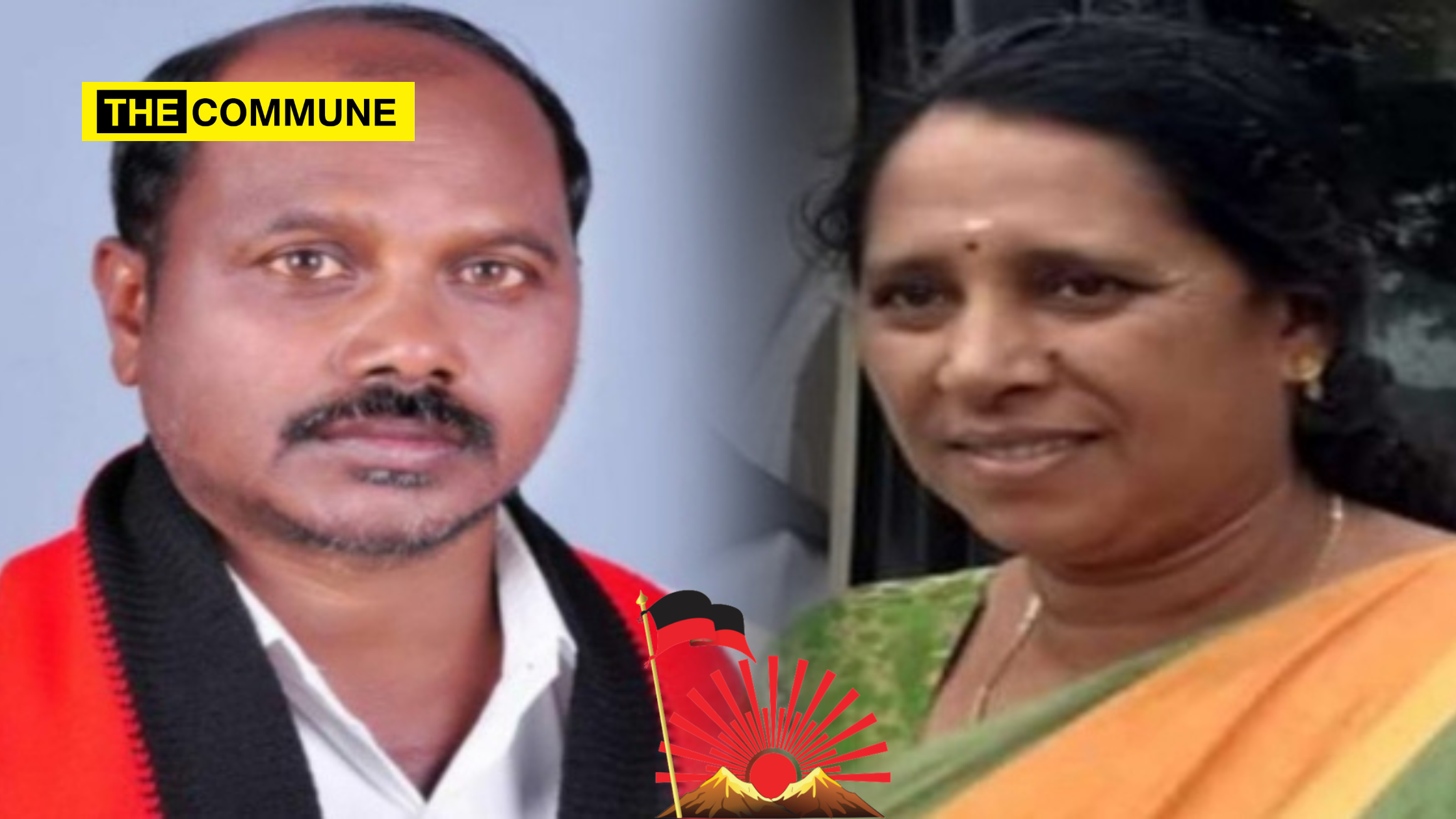
While the public and opposition parties question the DMK government’s credibility in combating online gambling, a lesson from a Tamil Nadu textbook has surfaced on the internet, detailing how to play rummy.

The alleged rummy lesson is from a Tamil Nadu textbook given to class six students in the Mathematics term 3 book. The Tamil Nadu books explain the Rummy game saying,” The teacher sees that Yuvan and Subha are ready to play a game with a deck of playing cards. Consider the cards A, J, Q, K, and cards from 2 to 10. Here, let A, J, Q, and K denote the numbers 1,11,12, and 13 respectively. We have two designs ♠ ♣ in black color and two designs ♥ ♦ in red color inside a deck of cards. Let the joker card represent 0.”

The Tamil Nadu textbook explained the rules of the Rummy game as follows:

  • If a black card is picked, the player should move the token forward and if a red card is picked, the player should move the token backward as per the number shown on the card.
  • Whoever reaches number 20 first will be declared as the winner. (more students can play this game by choosing different colored tokens)

This Tamil Nadu textbook lesson on Rummy game to class six students drew criticism from all sections of the public, who questioned the DMK government’s credibility in fighting the menace of online gambling.

Click here to subscribe to The Commune on Telegram and get the best stories of the day delivered to you personally.


Video Of DMK Councillor Taking Bribe Goes Viral, Says It Was For DMK Municipal Council Chairman

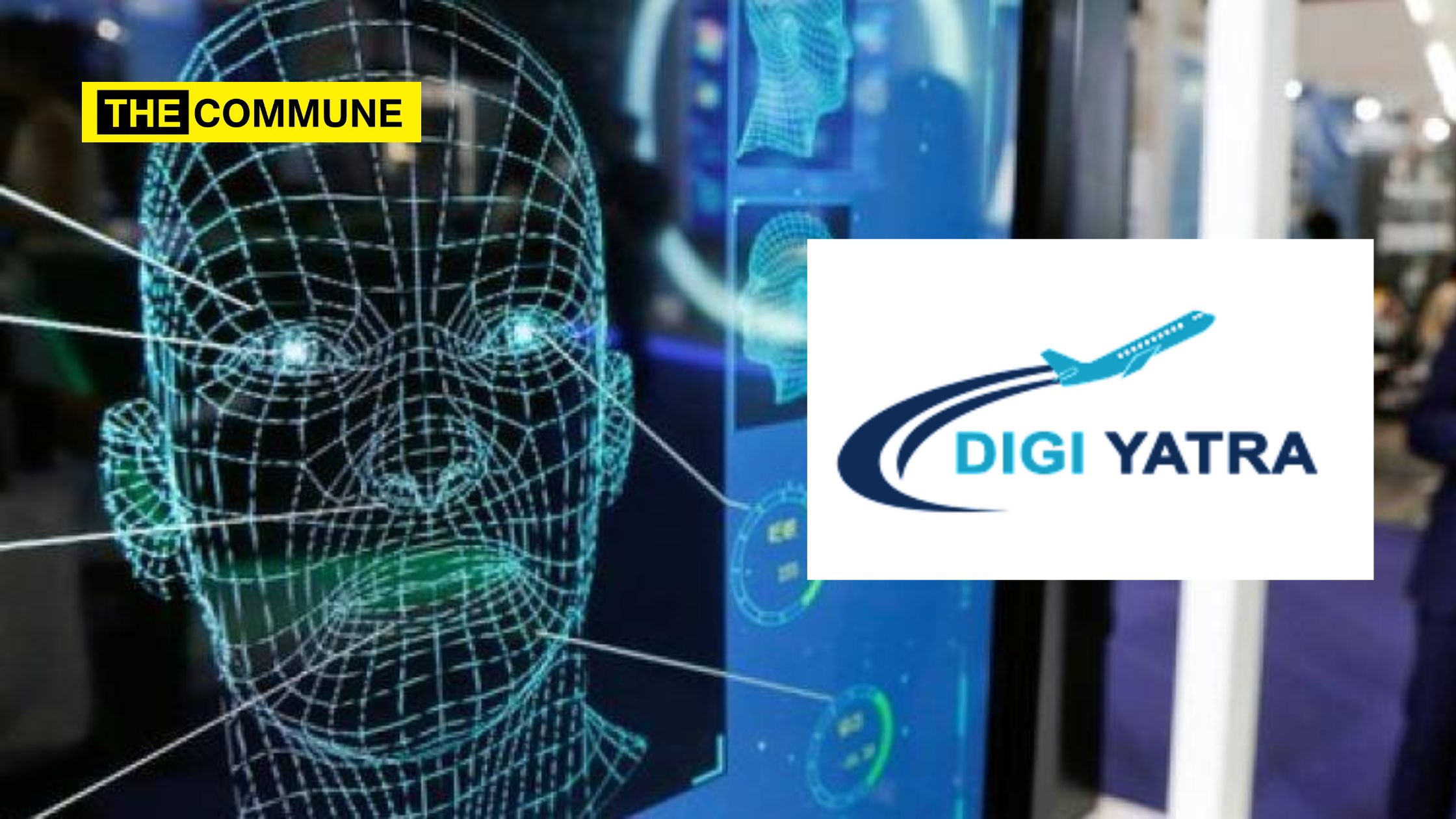
Satyaseelan is a DMK councillor from the 18th Ward of Gudalur Municipality in Nilgiri District and the Deputy Organizer of the DMK Agriculture Wing. A video of him receiving a bribe of  around ₹50,000  from a person to allow him to build a house went viral on social media.

Local residents and netizens urged the DMK government and state vigilance to take action against the DMK councillor who was receiving bribes.

According to DMK councillor Sathyaseelan, who explained the incident, the video was taken six months ago and Parimala from the DMK, who was then the municipal council Chairman, called him and asked him to get ₹50,000 from a contractor.

Sathyaseelan claimed he was only collecting bribes from contractors and transferring them to the DMK municipal council chairman Parimala. He went on to say that the dispute between her and chairman Parimala in front of all the councillors in the city council meeting, where he questioned her about the bribes of ₹7.2 lakh from the contractors, enraged her, and that she has now released the video taken six months ago to divert attention away from the issue.

Chairman Parimala, who has denied Councillor Sathyaseelan’s allegations, stated that he was making false allegations against her in order to defame her. She went on to say that she will file a complaint with the appropriate authorities and take action against the councilor who is defaming her.

This incident, in which a councilor and the Chairman of the ruling DMK party accused each other of corruption, has created quite an outrage among the general public.

(with inputs from Puthiyathalaimurai)

Click here to subscribe to The Commune on Telegram and get the best stories of the day delivered to you personally.
Digi Yatra Launched In 3 Airports Providing Seamless And Contact-less Travel Experience

Union Minister for Civil Aviation Jyotiraditya Scindia today launched Digi Yatra from the Indira Gandhi International Airport, New Delhi for three airports in the country, namely New Delhi, Varanasi and Bengaluru. Digi Yatra is conceived to achieve contactless, seamless processing of passengers at airports based on Facial Recognition Technology (FRT).

Speaking about the Digi Yatra project conceived by Digi Yatra Foundation under the Ministry of Civil Aviation, the Minister said that the project envisages a traveller today pass through various check points at the airports through a paperless and contactless processing using facial features to establish her identity which could be linked to the boarding pass. To use this facility, one-time registration on Digi Yatra app is required using Aadhar based validation and a self-image capture. The project has tremendous advantages of improving passenger convenience and ease of travel.

About the privacy features of the project, the Minister said that keeping in mind the privacy, there is no central storage of Personally Identifiable Information (PII).  Passenger’s ID and travel credentials are stored in a secure wallet in the passenger’s smartphone itself. The uploaded data will utilise blockchain technology and all the data will be purged from the servers within 24 hours of use.

With Digi Yatra, India will now stand in the ranks of world class airports like Heathrow in London and Atlanta in United States of America. Elucidating on the benefits of Digi Yatra, the Minister stated the example of Dubai Airport where passenger time upto 40 percent was saved due to this technology. A similar technology saved nine minutes per aircraft time at the Atlanta Airport. The Minister also said that compared to other ports of call, the Indian system has been made far more seamless from entry to exit and therefore will be one of the most efficient systems from across the world.

Digi Yatra in the first phase, will be launched at 7 airports. However, it has been initially launched at 3 airports i.e., Delhi, Bengaluru and Varanasi today, to be followed by 4 airports namely Hyderabad, Kolkata, Pune, and Vijayawada by March 2023. Later it would be implemented across various airports in the country. The service is presently being launched for domestic flights passengers only. Digi Yatra App is available on both IoS and android. It is voluntary is nature.

With Digi Yatra, India is setting a new global benchmark for a seamless, hassle free and health risk free process at airports.

(Published from PIB)

Click here to subscribe to The Commune on Telegram and get the best stories of the day delivered to you personally.
 

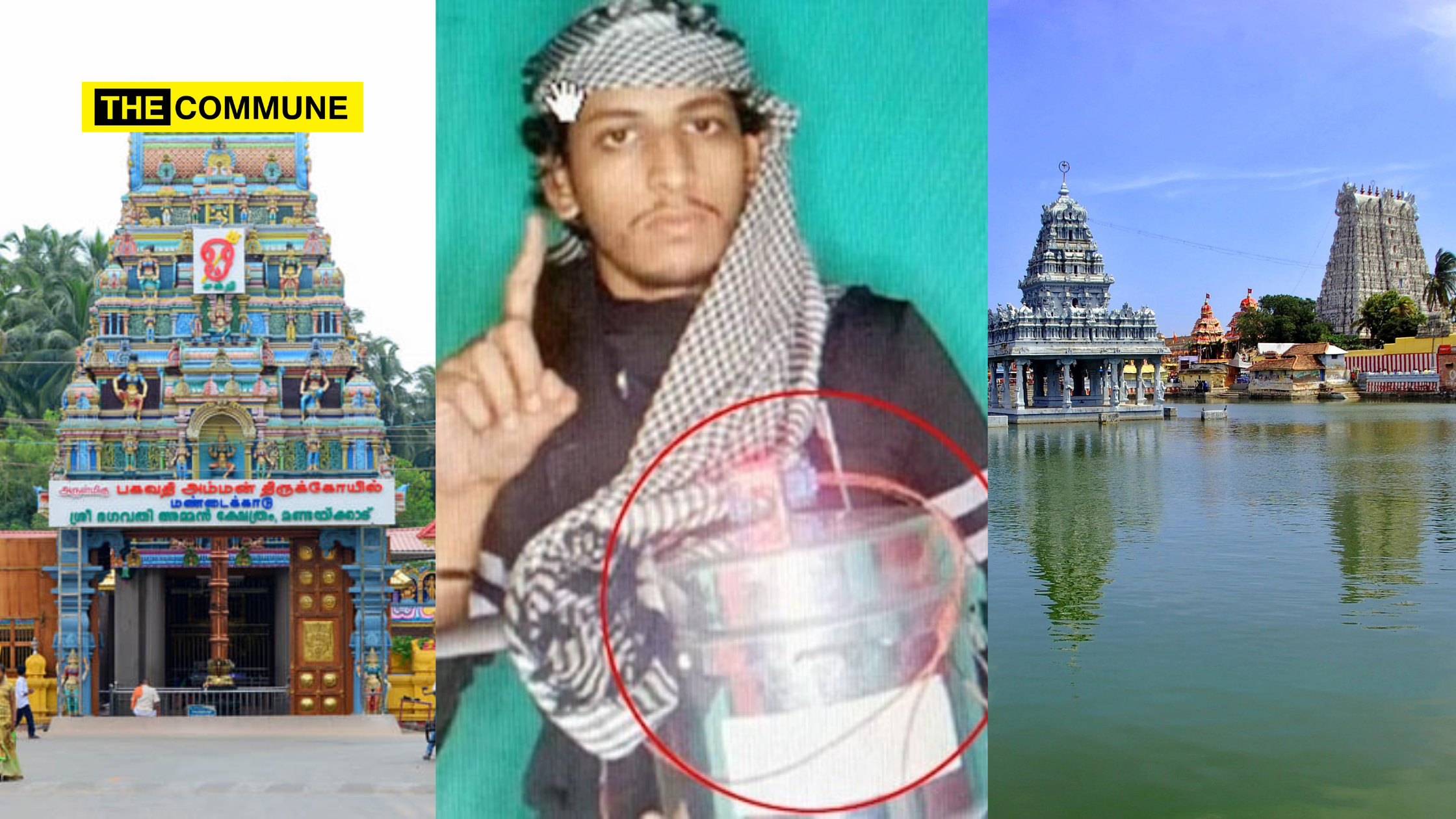
Mangaluru Cooker Bomber Shariq Visited Kanyakumari and Suchindram Temples Before Blast

Security agencies have launched an intensive investigation after receiving information that Mohammed Shariq, the main suspect in the Mangaluru cooker bomb blast case, visited Suchindram and Kanyakumari temples on a bike while staying in Nagercoil.

It has been confirmed that Mohammed Shariq was staying in a private lodge in Meenakshipuram, Nagercoil, under a false name, and with forged documents.

During the investigation, the lodge staff stated,”If he went out in the morning, he would only return to the room at night. But no one came here to meet him.”

However, details about whome he met and other details are yet to be unravelled by investigating officers.

According to the investigation, the suspect Shariq inquired about Kanyakumari Bhagavathy Amman Temple and Suseendram Thaanumalayaan Temple from a lodge employee and then rode his bike to those temples. Intelligence agencies are actively pursuing the investigation in this regard.

The Mangaluru police have returned to Karnataka after a four-day investigation in the Kanyakumari district. Further investigations are on. An investigation is also underway to determine who Shariq met in Idalaakudy and Manavaalakurichi.

(with inputs from Dinamalar)

Click here to subscribe to The Commune on Telegram and get the best stories of the day delivered to you personally.

Agniveers To Get Priority In Defence Corporate Jobs?

An interaction session was organised by Ministry of Defence on November 30, 2022 with the Indian Defence Industry under the aegis of Society of Indian Defence Manufacturers to seek opportunities for gainful employment of Ex-Agniveers under the Corporate Recruitment Plan of the companies. The session was chaired by Defence Secretary Giridhar Aramane. Senior executives from major Indian defence industry houses including L&T, Adani Defence Ltd, Tata Advanced System Ltd, Ashok Leyland and others participated in the discussion.

The Defence Secretary highlighted the endeavour of the Government to gainfully utilise the expertise of the Agniveers after their stint with Armed Forces with an objective to employ highly dedicated and disciplined youth in various sectors engaged in nation building. The skills gained by the Agniveers during their engagement with Armed Forces will help build a highly competent and professional work force which will be readily available for fruitful and productive engagement by the industry.

The senior executives of the companies conveyed their unstinted support and commitment in the endeavour and expressed their eagerness to deploy the Ex-Agniveers once the first batch completes its term with the Armed Forces. They assured that suitable provisions shall be made in their recruitment policies for reservations for Agniveers based on the available skill sets. Certain suggestions were also considered regarding bridging the skills learnt by Agniveers with the requirements of the industry.

The Defence Secretary, while acknowledging the encouraging response from the participants, urged the Indian defence manufacturers to act on their commitment and make policy announcements under the Corporate Recruitment plans at the earliest.

(Published from PIB)

Click here to subscribe to The Commune on Telegram and get the best stories of the day delivered to you personally.
World’s First Intra-Nasal COVID Vaccine Developed By India Gets Approval From Drug Regulator

World’s first intra-nasal vaccine for COVID developed by India has got approval from the Central Drugs Standard Control Organisation (CDSCO) for restricted use in emergency situations in the age group of 18 and above.

This was stated here today by Union Minister of State (Independent Charge) Science & Technology; Minister of State (Independent Charge) Earth Sciences; MoS PMO, Personnel, Public Grievances, Pensions, Atomic Energy and Space, Dr Jitendra Singh while chairing the meeting of the Societies of Autonomous Institutions of Department of Biotechnology where he also informed about the historic decision to merge the 14 societies of Biotechnology Institutes into a single society in the interest of convenient functioning, cost-effectiveness and integrated working.

The Minister lauded the role of the Department of Biotechnology (DBT) and its PSU, Biotechnology Industry Research Assistance (BIRAC) for supporting the development of world’s first Intranasal vaccine for COVID by Bharat Biotech International Limited (BBIL).

Dr Jitendra Singh informed that the Product development and Clinical trials were funded by the Department of biotechnology, Government of India and BIRAC under the Mission COVID Suraksha Program. This vaccine received approval under restricted Use in emergency situations for ages 18 and above for primary 2 dose schedule, homologous booster doses.

Dr Jitendra Singh said, India’s efforts through Mission COVID Suraksha under the dynamic leadership of Prime Minister Narendra Modi has not only strengthened AtmaNirbhar Bharat but also bolstered India’s status as a worldwide vaccine development and manufacturing center showcasing the strength of Science and Technology. It is a matter of great pride for the country, the Minister added.

Phase-III trials were conducted for safety, and immunogenicity in ~3100 subjects, in 14 trial sites across India (supported by BIRAC). Heterologous booster dose studies were conducted for safety and immunogenicity in ~875 subjects, where a booster dose (3rd dose) of BBV154 intranasal vaccine was administered to study participants who were previously vaccinated with licensed COVID vaccines. The clinical trials were conducted in 9 trial sites across India. National Institute of Immunology (NII), an autonomous institute of DBT in New Delhi utilized their “Human Immune Monitoring and T-cell Immunoassay Platform” to examine the vaccine-induced SARS-CoV-2-specific systemic and mucosal cellular immune responses the trial participants. Interactive Research School for Health Affairs (IRSHA), Pune (supported by BIRAC) completed the “Plaque Reduction Neutralization Assay” (PRNT) to quantify the titer of neutralizing antibody for the virus from three trial sites.

This vaccine has the double benefit of enabling faster development of variant-specific vaccines and easy nasal delivery that enables mass immunization to protect from emerging variants of concern. It promises to become an important tool in mass vaccinations during pandemics and endemics.

Vaccine is a recombinant replication deficient adenovirus vectored vaccine with a pre-fusion stabilized spike protein. This vaccine candidate was evaluated in Phases I, II and III clinical trials with successful results. It has been specifically formulated to allow intranasal delivery through nasal drops. The nasal delivery system has been designed and developed to be cost-effective in low- and middle-income countries. This vaccine is stable at 2-8°C for easy storage and distribution. Large manufacturing capabilities have been established by Bharat Biotech at multiple sites across India, including Gujarat, Karnataka, Maharashtra, and Telangana, with operations pan India.

(Published from PIB)

Click here to subscribe to The Commune on Telegram and get the best stories of the day delivered to you personally.
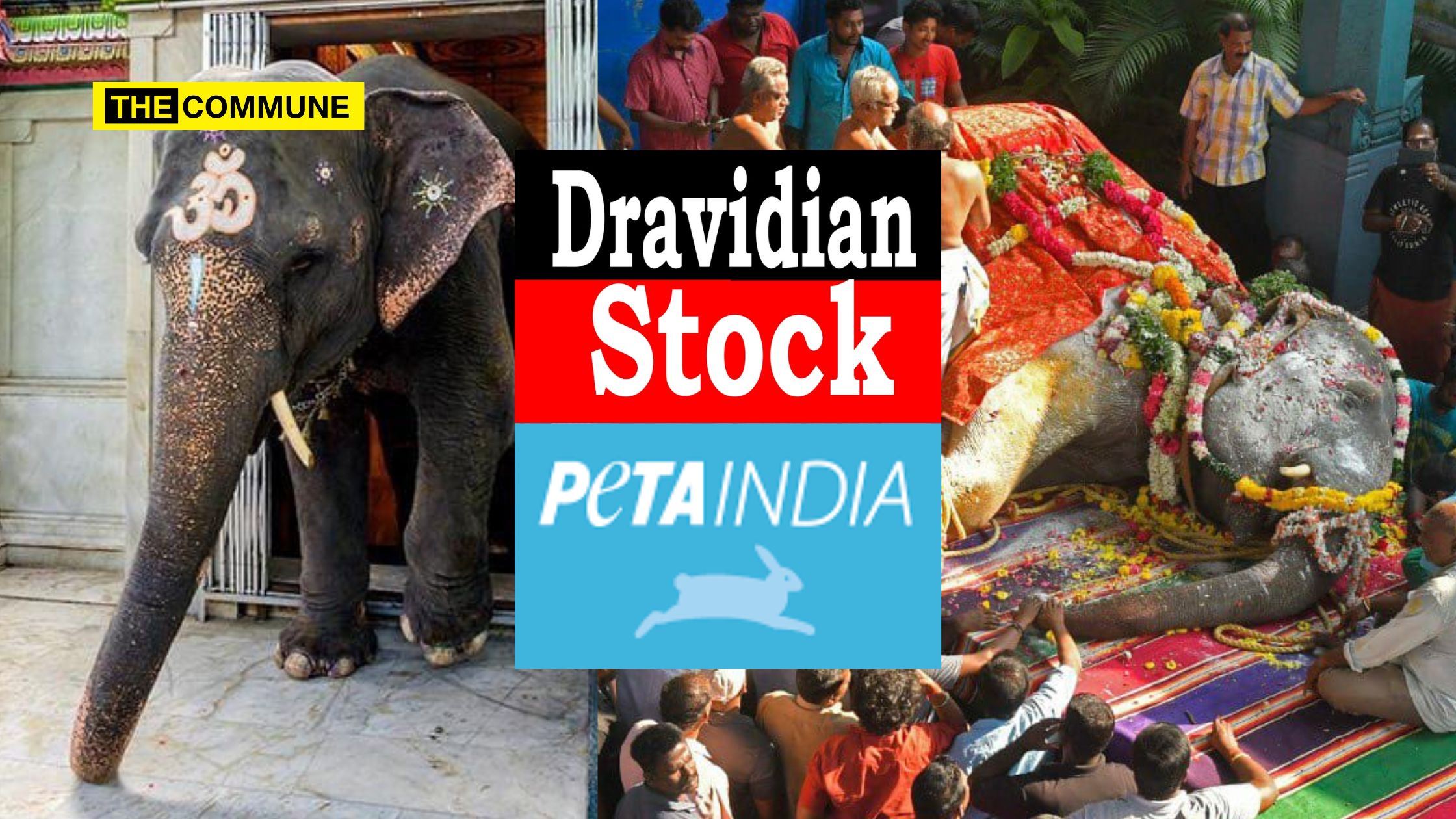
Dravidian Stockists Peddle PETA’s Narrative On Temple Elephant Lakshmi’s Death

When the entire Tamil community in Tamil Nadu and Pondicherry is mourning the tragic death of the Manakula Vinayagar Temple elephant Lakshmi, Dravidian Stockists and a few DMK supporters masquerading as journalists have blamed the Hindu temples for the elephant’s death, thus peddling the propaganda of PETA.

Temple Elephant ‘Lakshmi’ of the Manakula Vinayagar Temple collapsed and passed away on 30 November 2022, when she was out for her morning walk. She was only 30 years old and was much loved by the people of Puducherry.

Lakshmi was walking in a lane along with her mahout when she fainted on the road. Veterinary doctors were rushed in to provide medical help but she passed away soon reportedly of cardiac arrest. Hearing the news of Lakshmi’s demise, residents of Puducherry flocked to see their darling and have been paying tearful tributes.

Earlier in 2020, during the COVID pandemic, Lakshmi was forcibly removed from her home in Manakula Vinayagar Temple due to the alleged involvement of Menaka Gandhi and was kept in a pathetic condition at Krishi Vigyan Kendra. It was alleged that PETA was behind the move to remove Lakshmi from the temple. Indu Makkal Katchi (IMK) mobilized a campaign to rescue Lakshmi from PETA. Congress’s Americai V. Narayanan, BJP Puducherry’s Ganesan, and other members from various Hindu organizations protested the move to remove Lakshmi from the temple.

However, in the first week of August 2020, PETA petitioned the Madras High Court to quash the order issued by Puducherry Chief Minister V. Narayanasamy ordering temple elephant Lakshmi to return to her home in Manakula Vinayagar Temple. Though the case was dismissed and Lakshmi stayed in Manakula Vinayagar temple, PETA and other organizations found other ways to target elephants in Hindu temples.

It was alleged by the elephant activists that Maneka Gandhi exerted pressure on the Forest Department to keep the elephant confined not even allowing her to go for a walk, as a result of which Lakshmi had water retention in the body and suffered a heart attack.

Locals also raised concerns about Vanjulavalli, a forest official who allegedly had ties to PETA, saying, “PETA tried to take control of Lakshmi during the pandemic. Due to the protest of the Puducherry people, She(Lakhsmi) was brought back to the temple. However, after the appointment of Vanjulavalli IFS, she did not allow Lakshmi to the temple.”

They questioned why Lakshmi, which should have been under the control of HR&CE, ended up under the control of Forest Department official Vanjulavalli, who treated Lakshmi with private doctors (Sha and his team) affiliated with PETA and WildlifeSOS.

https://twitter.com/redefiningaw/status/1598105985675300864?s=20&t=_3f-hzWA5RpC5tFUgaovWQ

Locals also alleged that the IFS Vanjulavalli has passed secret orders to not take Lakshmi for walking or to the temple and that she had used private doctors from Bangalore who gave her four injections per day, with 15 on the last day alone. They claimed that IFS Vanjulavalli was the sole cause of Lakshmi’s death, demanding an independent investigation into Vanjulavalli and urging the Puducherry government to conduct a postmortem by Mettupalayam doctors rather than the Bangalore doctors who treated Lakshmi.

PETA India, however, attempted to twist the reason for Lakshmi’s death, claiming that she was denied her liberty and happiness and forced to endure years of extreme and unbearable loneliness in the temple. PETA India said,” Over the yrs, PETA India advised that she be sent to a sanctuary to live unchained & in the company of other elephants. Short of that, PETA India also offered to help build a corral so that Lakshmi can roam unchained by the temple & enjoy other elephant company there.”

PETA attempted to downplay Lakshmi’s demise and blame it on Hindu temples, claiming,” The elephant had foot root disease. Elephants forced to live and work on concrete commonly suffer from this and other painful foot conditions. Approximately half of the captive elephant deaths are caused by such afflictions.”

In an exact reproduction of PETA’s statement, Dravidian Stockists and some DMK supporters posing as journalists have claimed that Lakshmi and other elephants died because they were brought from the wild to the temple.

Sai Lakshmikanth Bharathi, son of DMK Organization Secretary RS Bharathi, stated, “An elephant has a lifespan of 60-70 years. Lakshmi, the elephant from Puducherry’s Manakula Vinayagar temple, died today at the age of 32. Temple elephants have a shorter life span than wild elephants. No animal rights activists or environmentalists appear to be concerned about this.” He added that the mood of the elephants, which are supposed to be in the forest, is affected because they are tied up in temples, and that at least now, after the death of Lakshmi, elephant maintenance in temples should be banned by law.

Viduthalai Rajendran, general secretary of Dravidar Viduthalai Kazhagam, a rabid anti-Hindu hate speech organization, stated, “The death of a Puducherry temple elephant due to a heart attack is a tragedy not only for devotees but for everyone. Isn’t it cruel to bring animals that live naturally in the forest into a temple, make it religious, and then cause them to die of a heart attack?”

Another Dravidian Stockist, disguised as journalist Devendran Palanisamy, accused Hindu temples of Lakshmi’s death, saying, “If an elephant lives and dies in the forest, it is called natural death. If it is removed from the forest, brought into the city, tamed, and dies before its average lifespan, it is called murder.”

Another Dravidian Stockist, who blamed Brahmins for Lakshmi’s death, stated, “Lakshmi died as a result of a section of people (Brahmins) bringing animals that should be free to roam in the forest and locking them up in the temple for profit and use as begging animals. Elephant culture in the temple should be abolished.”

https://twitter.com/arumaiselvan_p/status/1597912806690783235?s=20&t=k0LQJ5VxygzUcvflLofMIg

Not only Dravidian Stockists but also cadres of Seeman’s Naam Tamilar Katchi and neo-Ambedkarite group were also seen supporting the stance of PETA that elephants should not be kept in Hindu temples. A Naam Tamilar sympathizer said,” Only if the dying elephant is a temple elephant and not a wild elephant, it becomes a talking point. How long are we going to torture the elephants, which are wild creatures who should live naturally with their herds in the forest, by keeping them in separate enclosures in temples?”

A member of a neo-Ambedkarite group stated, “An elephant with five senses that is meant to roam freely in the wild is killed by a man with six senses.”

It should be noted that all of these Dravidian Stockists and Naam Tamilar symapathizers who complain about elephant torture in temples remain silent about cow slaughter in slaughterhouses and camel slaughter during Islamic festivals. They have taken the same stance as PETA by claiming that elephants are tortured in temples and hence the tradition of having elephants in temples should be stopped.

Click here to subscribe to The Commune on Telegram and get the best stories of the day delivered to you personally.

 

Delhi’s ‘Liquorgate’ Is Flowing Into Telangana

The latest from the Telugu states to fall from grace in the scandalous Delhi Liquor Policy case, is Telangana Chief Minister, K Chandrasekhar Rao’s (KCR) daughter K Kavitha.

Kavitha, a BRS (formerly TRS) party leader, member of Telangana Legislative Council and daughter of the state’s current Chief Minister, has been named in the Enforcement Directorate’s (ED) probe, as one of the members of what the ED calls the ‘South Group’, in a reference to persons from South India, who are involved in the Delhi excise racket.

K. Kavitha’s name surfaced in the remand report filed by the ED on Wednesday, for custody and investigation of businessman, Amit Arora in connection with the Delhi liquor policy scam. According to the remand report, businessman Vijay Nair, who has already been arrested in the case, received kickbacks of ₹100 crores on behalf of AAP leaders from a group, called the ‘South Group’.

Manish Sisodia, a senior AAP leader, Delhi Deputy Chief Minister (holding the Excise portfolio, among others) and a close aide of Delhi Chief Minister, Arvind Kejriwal had also been named in the ED’s report. The ED’s remand report alleges that AAP’s Delhi liquor policy, promoted unhealthy, illegal “cartel” formations through a secret “back door” entry for certain members and awarded them exorbitant wholesale (12%) and retail (185%) profit margins as well as other illegal incentives/opportunities, the profitable rewards of which, would eventually be funnelled back into the accounts of some AAP leaders, for personal and party benefit.

In other words, the ED in its investigations unearthed a “front” organization or a “shell” company controlled by the individuals of the “south group” with the involvement of certain individuals (Vijay Nair, Amrit Arora and others) that enabled huge profit margins for these individuals, who in turn would pass on a percentage of the profits to members of the AAP, for personal or party benefit. The ED has alleged a criminal conspiracy between the leaders of AAP and individuals cited in its investigation report. The investigation is an ongoing one, likely to reveal more complex twists to a sordid financial conspiracy, linking AAP’s Delhi government, its cleverly formulated Liquor policy and a group of individuals acting as a liaison to enable kickbacks for the AAP.

The ED report states “The 12 per cent margin to the wholesalers was devised to extract half of it, as a kickback to the AAP leaders. Vijay Nair, on behalf of leaders of AAP has received kickbacks to the tune of Rs 100 crores from the ‘South Group’, controlled by Sarath Reddy, Magunta Srinivasulu Reddy and K Kavitha. The same has been disclosed by the detained Amit Arora in his statements”.

All three individuals named in the ‘south group’ so far, are Telugu. News of Kavitha’s alleged involvement in the Delhi liquor scam, comes several days after the ED’s earlier reports had already indicated a full blown involvement of individuals from the Telugu states of Andhra and Telangana, including businessmen with reportedly close ties to prominent political leaders of the states / current ruling parties.

This is the first time that the Telangana leader K Kavitha’s name has figured in the investigation, although accusations of her direct or indirect involvement, were first made back in August, by BJP MP Parvesh Varma and former MLA Manjinder Singh Sirsa.

In a swift, defensive action and clever legal ploy to deflect negative publicity for herself, her father and her political party, K Kavitha has filed a defamation case in Hyderabad against the BJP, predictably claiming political vendetta. A city civil court in Hyderabad, has issued an interim order based on her plea, directing BJP leaders not to make any defamatory statements against Kavitha, while the probe was still underway and investigations were still ongoing.

Kavitha spoke of political over-reach, claiming that the BJP was trying to tarnish the image and reputation of her father, the Telangana Chief Minister, K Chandrasekhar Rao (KCR) and his family by making baseless allegations, as he and his party have been fearless and vocal critics of the BJP’s policies. She also claimed that the BJP government at the centre, excercised “control” over all the investigative agencies in the nation and that cases have been filed against Opposition leaders indiscriminately. Kavitha reiterated that she would cooperate in the ED’s investigative efforts.

The Bharath Rashtra Samithi party (BRS, formally TRS- Telangana Rashtra Samithi) was until recently, a Telangana-based regional party, founded and headed by Kavitha’s father, K Chandrasekhar Rao. KCR had founded the party in 2001 with the aim of demanding a separate statehood for the Telangana region within the larger, unified Andhra Pradesh state. This goal was accomplished in 2014 under the aegis of the Congress-led UPA government, when the erstwhile Andhra Pradesh state was bifurcated into Andhra and Telangana. Since the 2014 creation of a new Telangana state, KCR’s party has dominated the state’s political scene and has been the ruling political party there, for two consecutive terms.

Kavitha and her brother, K T Rama Rao are leaders in her father’s party, holding important, high visibility leadership and legistative posts. With the BJP’s meteoric rise after the 2018 state elections and its rapid growth in Telangana , the incumbent BRS (formerly TRS) party appears to be insecure about its supremacy in the state and has begun to sound defensive about its own supposedly effective developmental and “secular” policies versus those of the BJP’s economic policies which it claims are, trumped up, inadequate and ineffective measures with a “communal” agenda. The party’s leadership began to feel threatened enough, to start considering National alliances and a possible “third front” as an alternative to both a BJP-led or a Congress-led alliance.

In line with its new ambitions, the regional TRS (Telangana Rashtra Samithi) party recently applied for a pan-Indian presence with the Election Commission of India (ECI) and re-christened itself, BRS- Bharat Rasthra Samithi.

Click here to subscribe to The Commune on Telegram and get the best stories of the day delivered to you personally.

DMK Govt Faces Another Setback, Madras High Court Says TN Police Dances To The Tunes Of Party In Power

Madras HC increased security in court campus after country bombs were exchanged among suspects in the Armstrong murder case.

SP Velumani, a former minister for municipal administration and senior AIADMK leader, received a huge reprieve on Wednesday (30 November 2022) when the Madras High Court quashed an FIR filed against him by the Directorate of Vigilance and Anti-Corruption (DVAC) of Tamil Nadu over alleged irregularities in awarding tenders in the municipal corporations of Chennai and Coimbatore. However, the court denied relief in a disproportionate assets (DA) case brought against him.

The case was heard by a division bench of Madras High Court headed by Justices PN Prakash and RMT Teekaa Raman. While quashing the FIR registered against Velumani by the DVAC, Justices said, “The criminal law cannot be used to fuel a witch hunt. Be it a politician or any other citizen, the court cannot remain a mute spectator when the police power of the state is sought to be used for oblique purposes.”

“We are not, for a moment, saying that the allegations in the FIR do not make out a prima facie case for investigation,” the judge said, noting that the DVAC failed to find the link between the contractors and Velumani to justify arraying him as A1.

The court stated that it considers the filing of an FIR against Velumani to be a questionable use of police authority and an abuse of the legal process because only the concerned officials are primarily responsible for awarding contracts. The bench did, however, add that it is abundantly clear that the investigating officer is free to continue the investigation and that if he finds any new evidence to accuse Velumani, the ex-minister may be charged as an accused in the final report.

The bench noted that the CAG report’s findings on awarding contracts in municipal corporations—which were largely relied upon by the DVAC for registering the new FIR—found fault with corporation officials for recklessly accepting absurdly low rates and nothing else.

It stated that assuming Velumani is corrupt because there is a perception that all politicians are corrupt is a far-fetched thesis that simply does not appeal. We are concerned that an FIR against a politician, or any citizen, cannot be registered based on perceptions, the judges said.

The bench said, “Politicians and political parties are required for democracy to function. We may have reservations about them, but it was this clan that was responsible for defending democracy in the country and fighting the Emergency.”

The court observed that the police had danced to the tunes of the ruling party, as the then-SP of DVAC Ponni issued a report exonerating Velumani while another SP, Gangadhar, issued a report implicating him. The court, on the other hand, stated that it was not implying that he is an angel.

(with inputs from News18)

Click here to subscribe to The Commune on Telegram and get the best stories of the day delivered to you personally.