Home Blog Page 1010

Muslim Woman Seeks Forgiveness From Allah For Watching Varisu And Hailing Vijay

A Muslim woman who made a passionate comment on a YouTube channel after watching the movie Varisu, claiming that Vijay is the heir of Tamil Nadu and that she will stand up for Vijay no matter what, has now released a video apologizing to Allah and admitting that she committed a major sin according to Islam.

Pongal celebrations for movie buffs began four days before the first day of Pongal due to the release of two films starring the two biggest rivals, actors Ajith and Vijay. Though both films received positive reviews, there were several instances of rules being broken for the release of both films, which were distributed by Red Giant Pictures, owned by TN Chief Minister MK Stalin’s son Udhayanithi.

As this film was released by TN CM’s son Udhayanithi, it was reported that it was screened for 1 a.m. shows, bending the entire state machinery to get approval from all district collectors to release it for midnight shows. There were also allegations that Red Giant movie tickets sold on pongal were sold at exorbitant prices of up to Rs 3000. A 19-year-old man also died after falling from atop a tanker lorry, which he had climbed to celebrate the film’s release at a cinema.

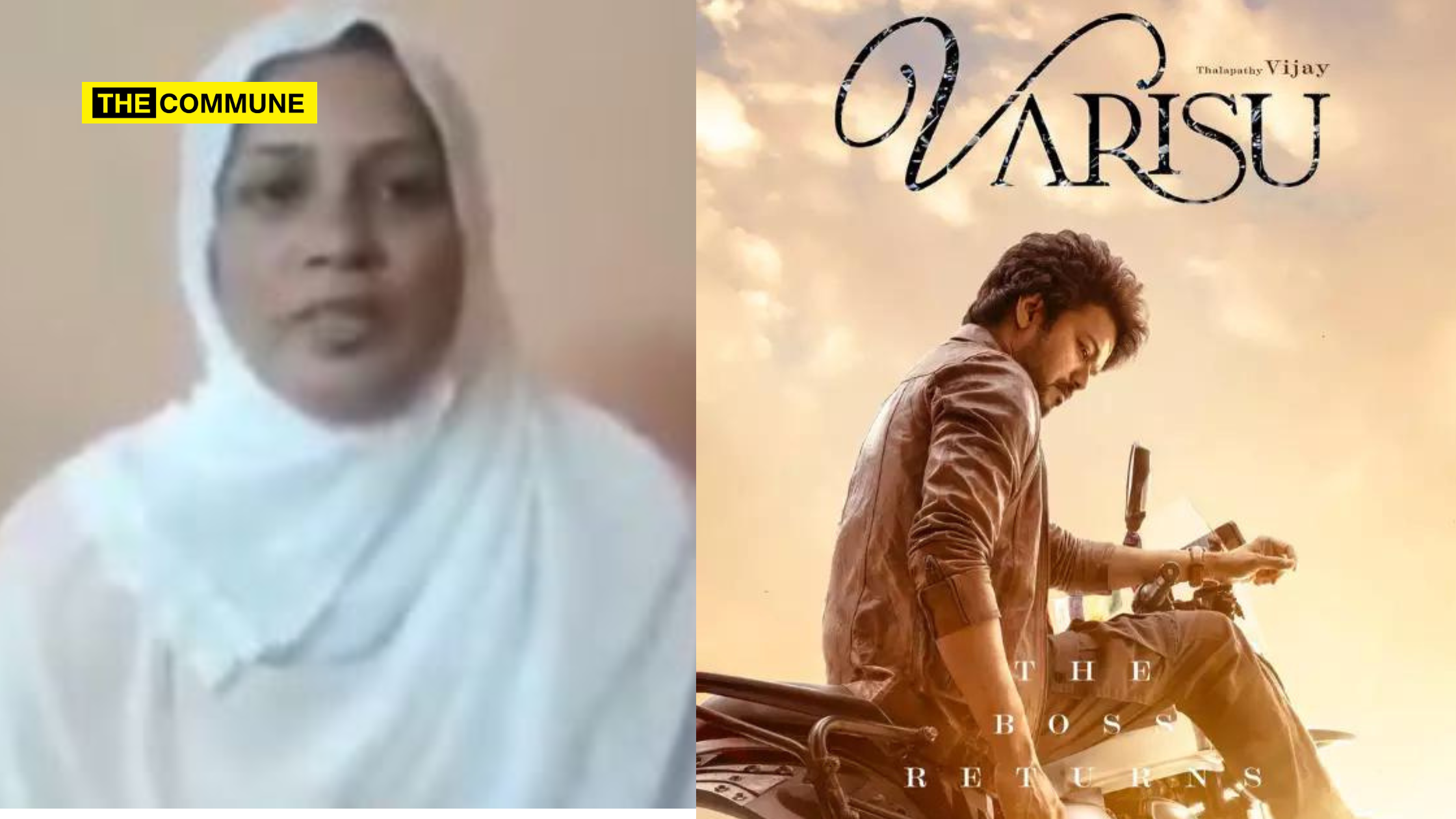
In this scenario, a Muslim woman who came out of the theater after watching the movie Varisu starring actor Vijay, said, “Vijay is the heir of Tamil Nadu, there is no one else… We are there for Thalapathy, no matter what problem he has.”

After the video of this Muslim woman showing her support for actor Vijay went viral, it was claimed that the lady was threatened by Islamic organizations because they consider movies to be haram (forbidden or proscribed by Islamic law). Afraid of getting ostracized from the community, the Muslim woman has now released a video apologizing to the Muslims for watching and supporting a film.

In her video, she stated,” I have committed the biggest crime according to our religion. I have apologized to Allah. I believe Allah will forgive me. I apologize to all our Muslim brothers and sisters. Please forgive me as I have committed a crime according to our religion. I realized that it was the biggest mistake and I will not repeat it. I request all the Muslim brothers and sisters to pray for me to get out of my sin.”

Though the video of the Muslim women apologizing for watching a movie has gone viral on social media, no one from the so-called women empowerment and Periyarist groups has reacted to the video, fearing Muslims and their reactions.

Naveen Muhammed Ali, a film director, shared the video and stated that patriarchy among Muslims must be eradicated.

Click here to subscribe to The Commune on Telegram and get the best stories of the day delivered to you personally.

 

FIR Filed Against DMK Councilor For Threatening To Kill Revenue Inspector In Vellore

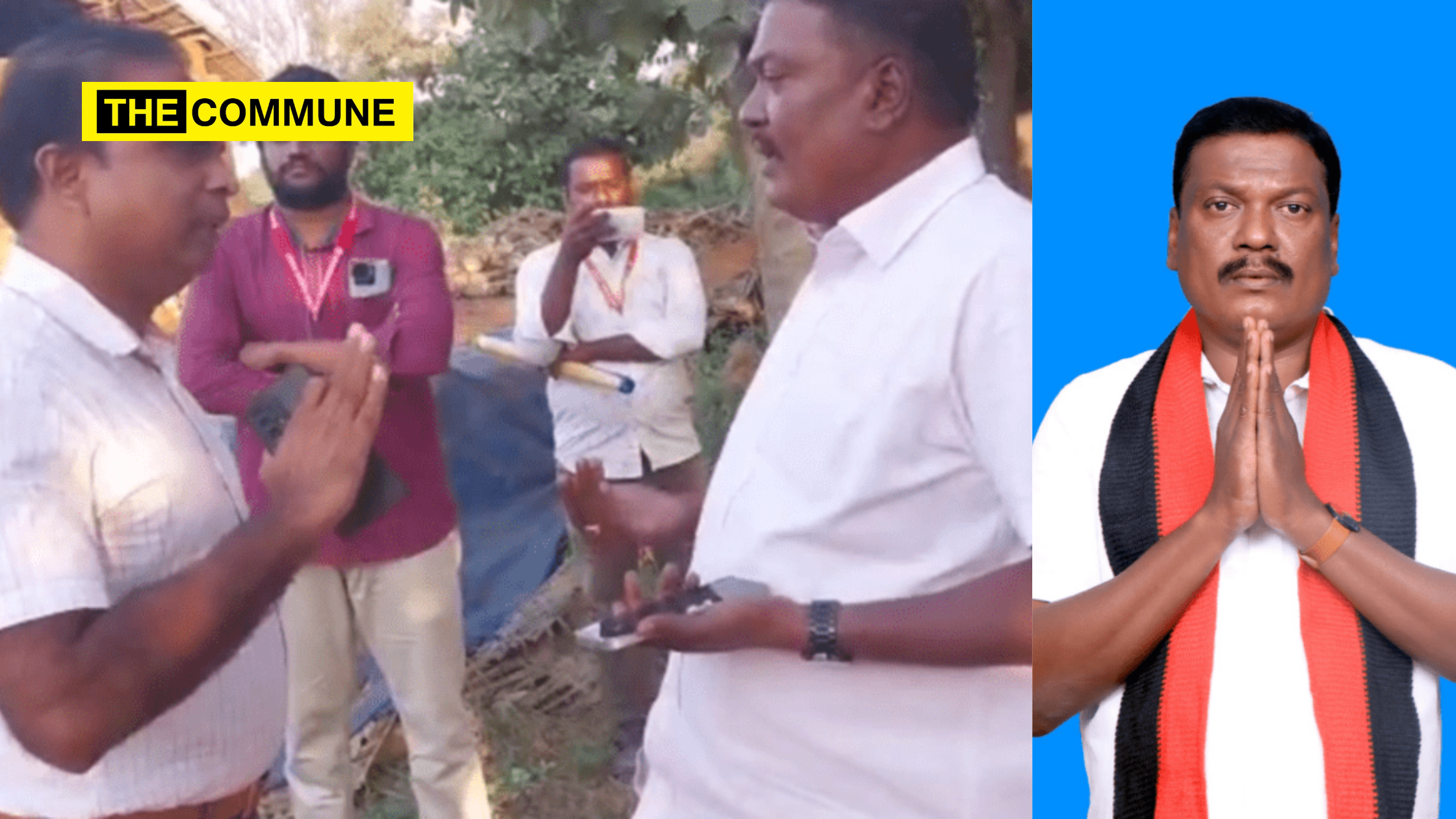
The police have registered a case against the Vellore DMK councilor who threatened to kill the Vellore District Revenue Inspector and made derogatory remarks.

A case has been registered against Sudhakar, a member of the 24th ward under Vellore Corporation, at the Sathuvachari Police Station under 3 categories, including death threats, impersonation, and preventing a government servant from performing government work.

“When Sattuvachari Revenue Inspector Yuvraj was on duty on 10.01.2023, 24th ward DMK councilor Sudhakar, who came there, made a noise about how the village Administrative Officer (VAO) had taken photographs of the red kiln operating on his land without his permission,” according to the first information report.

However, Revenue Inspector Yuvraj informed the DMK councilor that it was he who asked the Village Administrative Officer (VAO) to photograph an illegal red brick kiln operating in the area in response to a complaint. Enraged by Revenue Inspector Yuvraj’s response, the DMK councilor verbally abused him, threatened to kill him, and prevented him from performing his duties.

Following this, Sattuvachari police registered a case under three sections and are conducting an investigation based on the complaint filed by Revenue Inspector Yuvraj. However, the accused DMK councilor Sudhakar is yet to be arrested.

(with inputs from Puthiyathalaimurai)

Click here to subscribe to The Commune on Telegram and get the best stories of the day delivered to you personally.
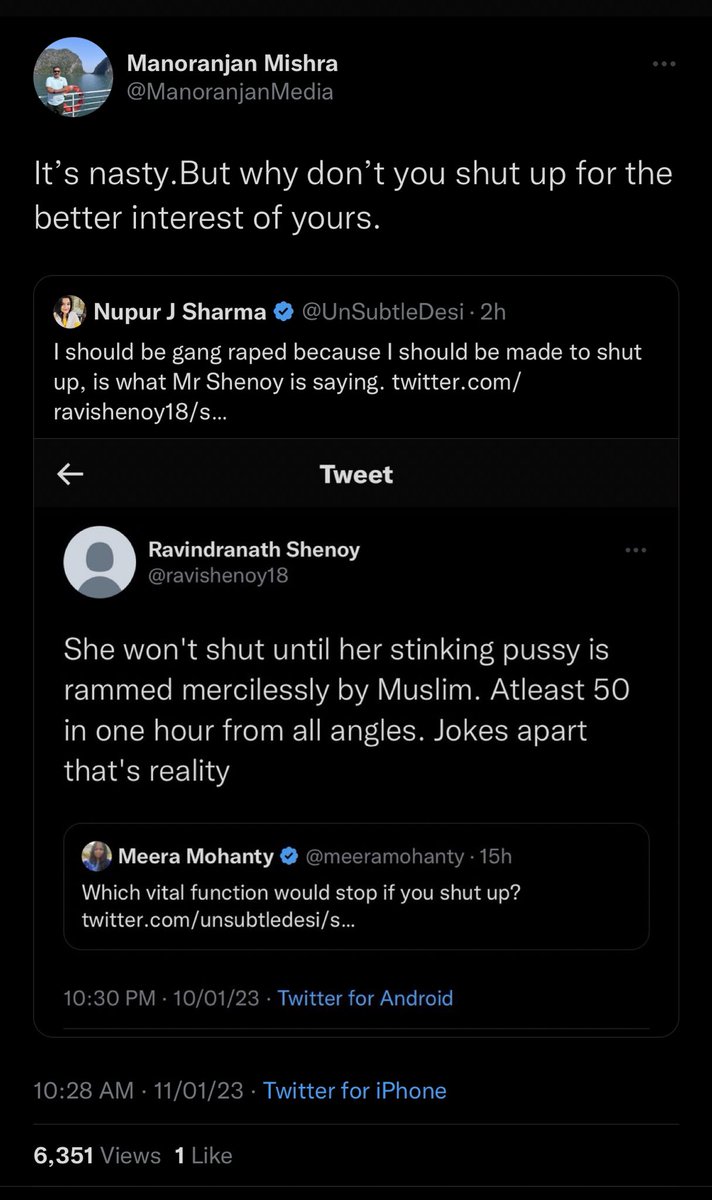
Secular Journo Justifies Rape Insinuations On Nupur Sharma, Retreats After Backlash

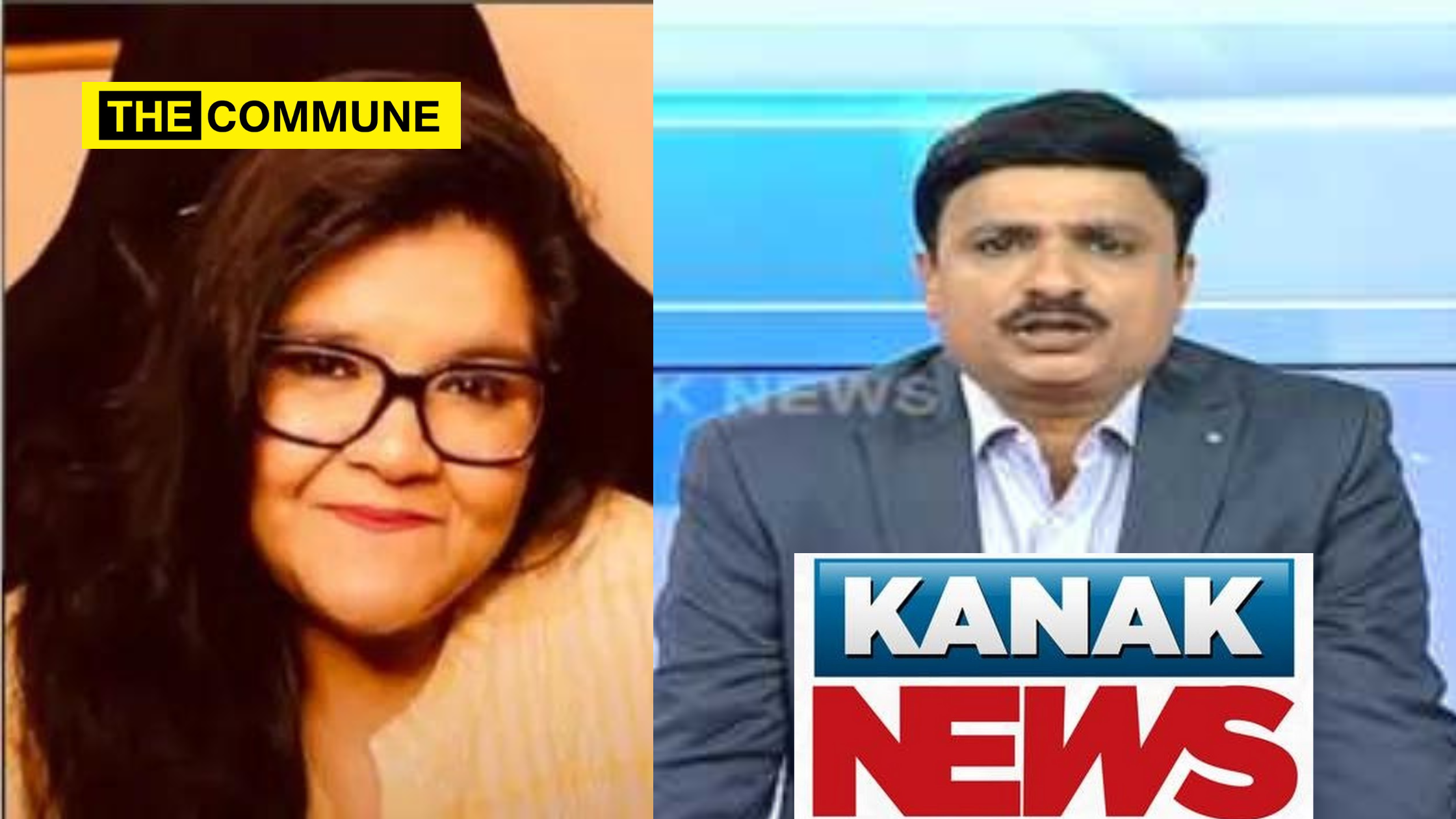
Odisha-based Kanak News journalist insinuated Nupur Sharma, Editor-in-Chief, OpIndia, to keep her mouth shut while indirectly supporting the person who threatened to rape her.

Nupur Sharma posted a video on January 8th explaining Ummah, which is the global Muslim Brotherhood, essentially saying that any nation which is a Muslim nation is a nation to Muslims and Muslims are going to be loyal to that nation, and any nation which is not a Muslim nation is one which is supposed to be converted into a Muslim nation.

Ali Syed, Director of Orphan Aid Australia Inc, responded to the tweet, saying, “When BJP has agenda of ‘Hindu Brotherhood’ to give Indian citizenship to only prosecuted hindu minority from various countries then why not muslims have loyalty towards Ummah of brothers and sisters in various nations?? You feel the same way as we do! Aap tou hypocrite ho (You are a hypocrite)

Nupur Sharma, citing the logical flaw in Ali Sayed’s argument, stated that Hindutva is a loyalty to Bharat, a civilizational state, as opposed to Muslim Brotherhood, which is a loyalty to Dar Ul Islam.

In response to Nupur Sharma’s tweet, a user named Faisal stated, “Until sensible Hindus understand that India cannot run without Muslims, we will fight people like you who have been spreading hate for centuries by dividing us.”

In response to Faisal’s statement that India cannot function without Muslims, Nupur Sharma stated that India cannot function without Muslims because Nehru avoided full population exchange and questioned which vital function in India would cease if Muslims were not present.

Unable to respond to Nupur Sharma’s logical questions, a user named Meera Mohanty inquired as to which of her vital functions would cease if she stopped speaking, for which a person named Ravindranath Shenoy insinuated rape threat to Nupur Sharma saying,”She wont shut untill her stinking pussy is rammed mercilessly by 50 Muslims. Atleast 50 in one hour from all angles. Jokes apart that is the reality.”

Nupur Sharma questioned Ravindranath Shenoy, saying, “I should be gang raped because I should be made to shut up,” In response to the tweet justifying the rape threat, an Orissa-based Kanak News journalist Manoranjan Mishra advised Nupur Sharma to keep her mouth shut for her own good, despite the fact that it was nasty.

After receiving criticism from all quarters and fearing opposition and legal ramifications, Manoranjan Mishra stated that he did not intend for Nupur Sharma to keep quiet about the rape threat, but to keep quiet for the sake of a better India and the abolition of religious hatred and bigotry.

Click here to subscribe to The Commune on Telegram and get the best stories of the day delivered to you personally.
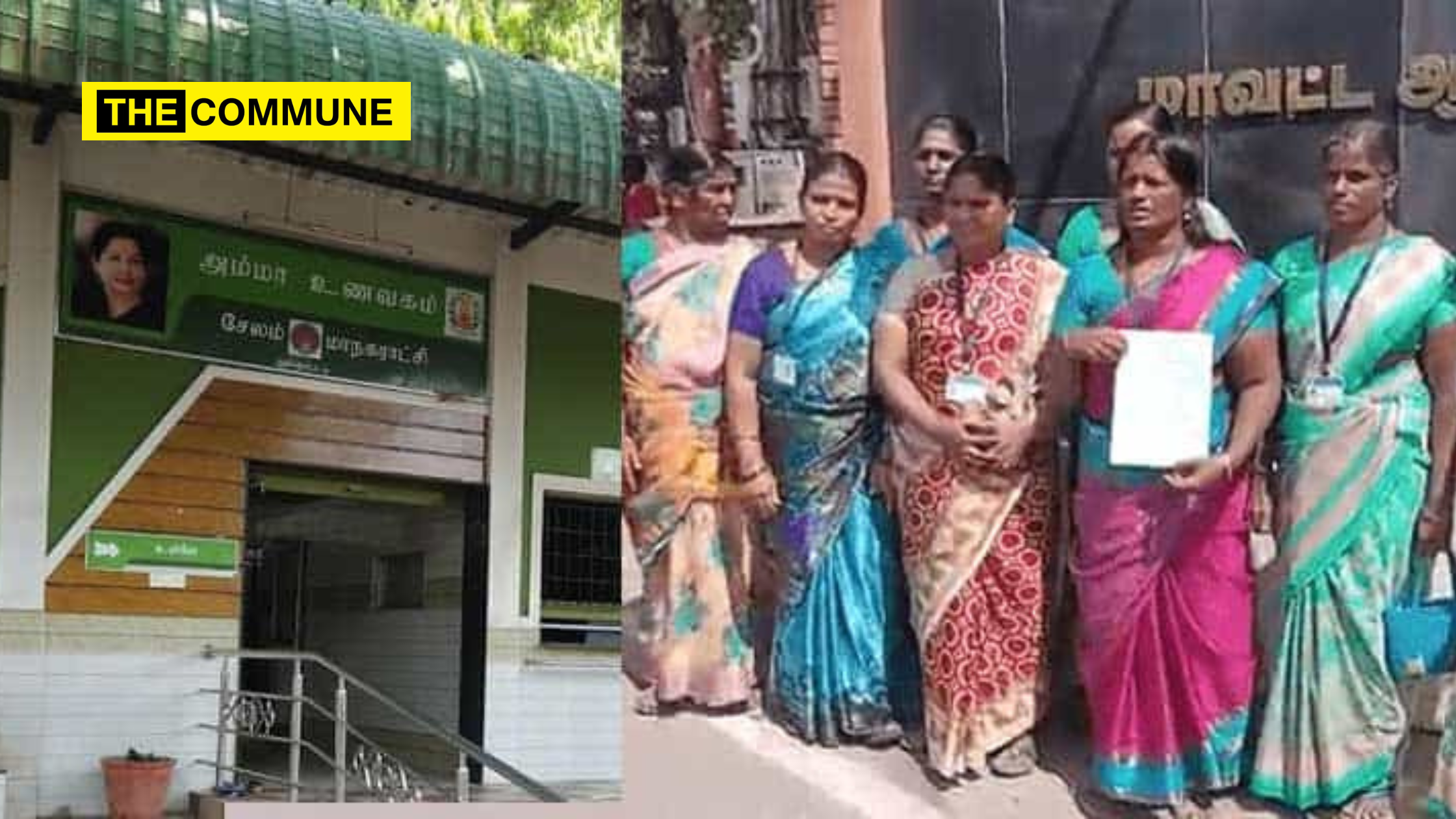
Amma Unavagam Workers Complain To District Collector Against DMK Councilor Demanding ₹5000 per Month

Employees of Amma Unavagam in Salem have filed a complaint with the district collector alleging that the DMK councilor has threatened and demanded Rs.5,000 per month if they continue to work at the Amma Unavagam.

In Salem, 11 Amma restaurants are available to the public. Each Amma restaurant employs 12 people. Six people work in two shifts.

In this situation, six women working at Amma Unavagam in the Manianur area under Salem 50th Ward filed a complaint in the district collector’s office on Wednesday (January 11).

Amma Unavagam employees stated after filing a complaint, “Amma Unavagam operates in the Manianur area of Salem’s 50th ward. This restaurant employs 12 people. Six people are working in two shifts. We’ve been working with a monthly salary of ten thousand rupees for the past ten years. Asokan, a DMK councilor and zonal committee president, says that six people working in Amma Unavagam are being fired abruptly without any notice.”

They went on to say, “We have been serving people for the past ten years, even during difficult times. Within a few months of establishing Amma Unavagam in Salem, 12 members of our team were serving food to the public. To continue our work in Amma Unavagam, DMK councillor Asokan demands Rs 5000 per month. How can we give Rs 5000 when our monthly salary is only Rs 10000? It is extremely painful for us to be threatened with extortion by a DMK councillor when the family is subsisting on this salary.”

They ended by saying, “We ask that the District Collector take action to keep us employed. Tamil Nadu Chief Minister MK Stalin has stated that Amma Unavagam will not be closed down. But it is disheartening for us to be threatened by a DMK councillor when CM Stalin has previously spoken in support of Amma Unavagam.”

(with inputs from Vikatan)

Click here to subscribe to The Commune on Telegram and get the best stories of the day delivered to you personally.
 

Caste Divisions Makes Way For Muslim-Only Leadership In Andhra’s Hindu Majority Constituencies

The Congress party’s Jawaharlal Nehru indulged in blatant pseudo-secularism right after India’s independence in 1947, favoring and “protecting” two religions over all others, instead of letting the original Indian Constitution guide the citizens and the courts of this country. This was a bad beginning to the dawn of a new country’s future, already reeling from economic and religious wounds, after a sizeable chunk of its land was “given away” on the basis of religion, for the purpose of creating another country, solely on religious basis!

Following in Nehru’s and his daughter Indira’s footsteps, the Congress and all other “secular” parties of India, encourage muslims and christians to remember and identity strongly with their religions while simultaneously discouraging the Hindus from remembering and identifying with their Hindu identity – instead, the pseudo-secular parties of India have encouraged Hindus to remember their caste identities and place these narrow minded, divisive identities well above their higher Hindu religious identity. The pseudo secular Indian political parties have the shameful distinction of encouraging division of Hindus along caste lines instead of discouragng the same, as hoped for, by the tallest leaders of modern India, including Gandhi and Ambedkar!

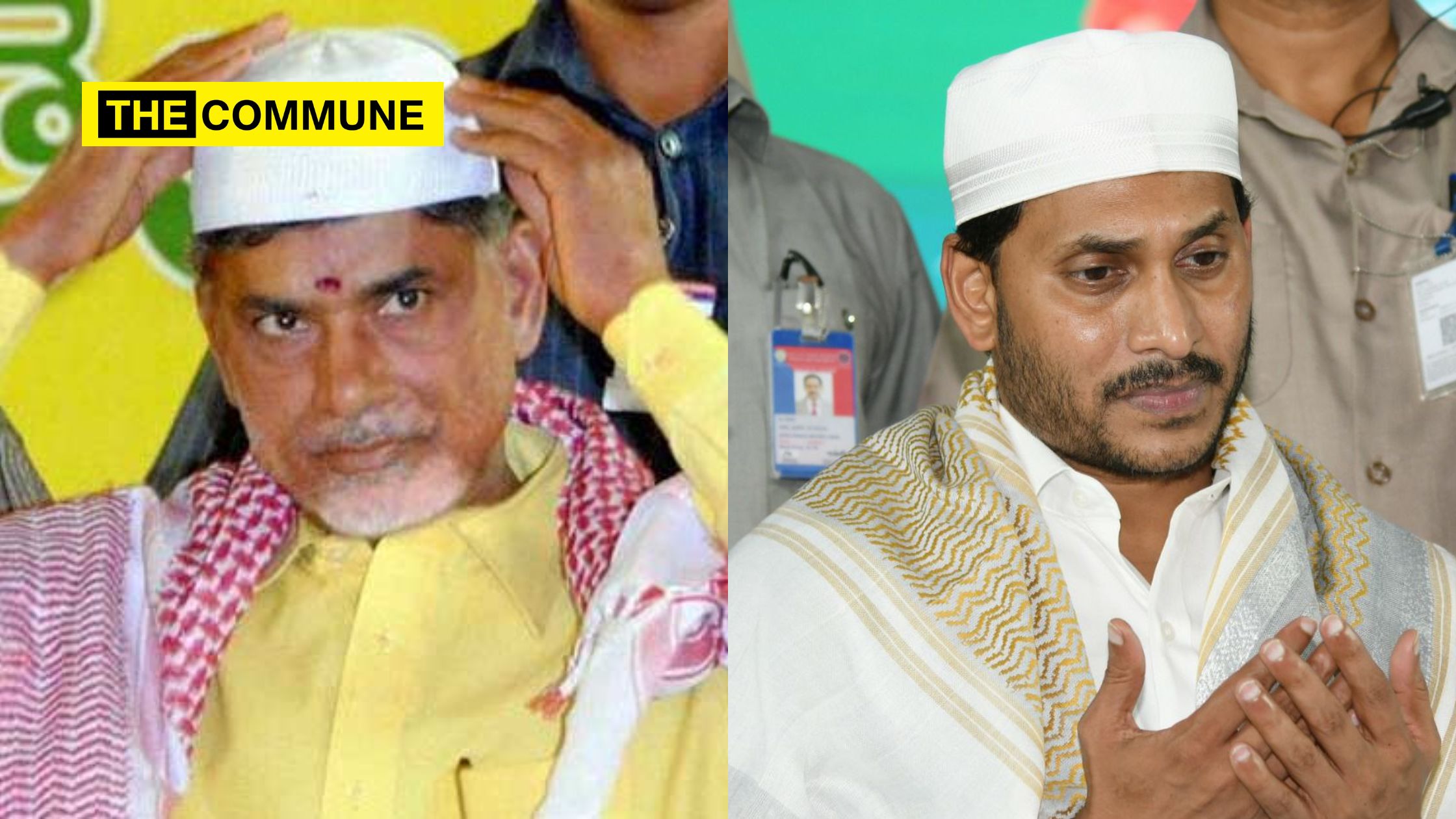
A recent news report courtesy of “Nijam Today” is a disgraceful example of Hindus divided on caste lines, played masterfully by all the ‘secular’, politically opportunistic parties of Andhra Pradesh. It has come to light that there are two constituencies in Andhra Pradesh where the Hindus have been a majority but all the major political parties of Andhra Pradesh have fielded only muslim candidates for more than 30 years now.

The constituencies in discussion are Guntur East (Coastal Andhra), the closest urban area to the proposed Andhra state capital, Amaravathi and the Kadapa Constituency (Rayalaseema region) which is famously referred to as ‘Devuni Gadapa’ (the Entrance of the Tirumala God’s Premises).

K. Sivananda Reddy was elected from the Congress party in 1989 and is remembered as the last Hindu MLA of the Kadapa Assembly Constituency. From 1994 onwards, all major parties including TDP, YSRCP and the Congress have fielded only muslims in a Hindu majority constituency! Similarly in the Guntur East constituency, all major parties have not issued MLA tickets to Hindu candidates in more than 35 yesrs now, even though Hindus are in the majority.

Why have the Hindus not had a united voice in demanding a Hindu representative for a Hindu majority constituency? The most obvious reason is probably the fracture of the Hindu vote along Caste lines instead of a united vote bank with a strong Hindu identity.

This is just one example of far too many unfortunate instances where the majority Hindu community does not demand a strong and proud Hindu candidate to represent their constituency – it is an indication of the apathy of the Hindus to the dangers of losing their larger Hindu religious identity at the sacrificial alter of divisive, caste-based politics played by all “secular” political parties.

The Hindus had a choice to stay united as a vote back, so that “secular” parties could not take political advantage of an entire community. But they chose not to excercise that choice! This begs the question, how much longer will Hindus choose to remain divided along caste lines? n

Click here to subscribe to The Commune on Telegram and get the best stories of the day delivered to you personally.
DMK’s ‘Dirty Politics’ Against Governor

Here's What Official Documents Say About Playing Of National Anthem In TN Assembly

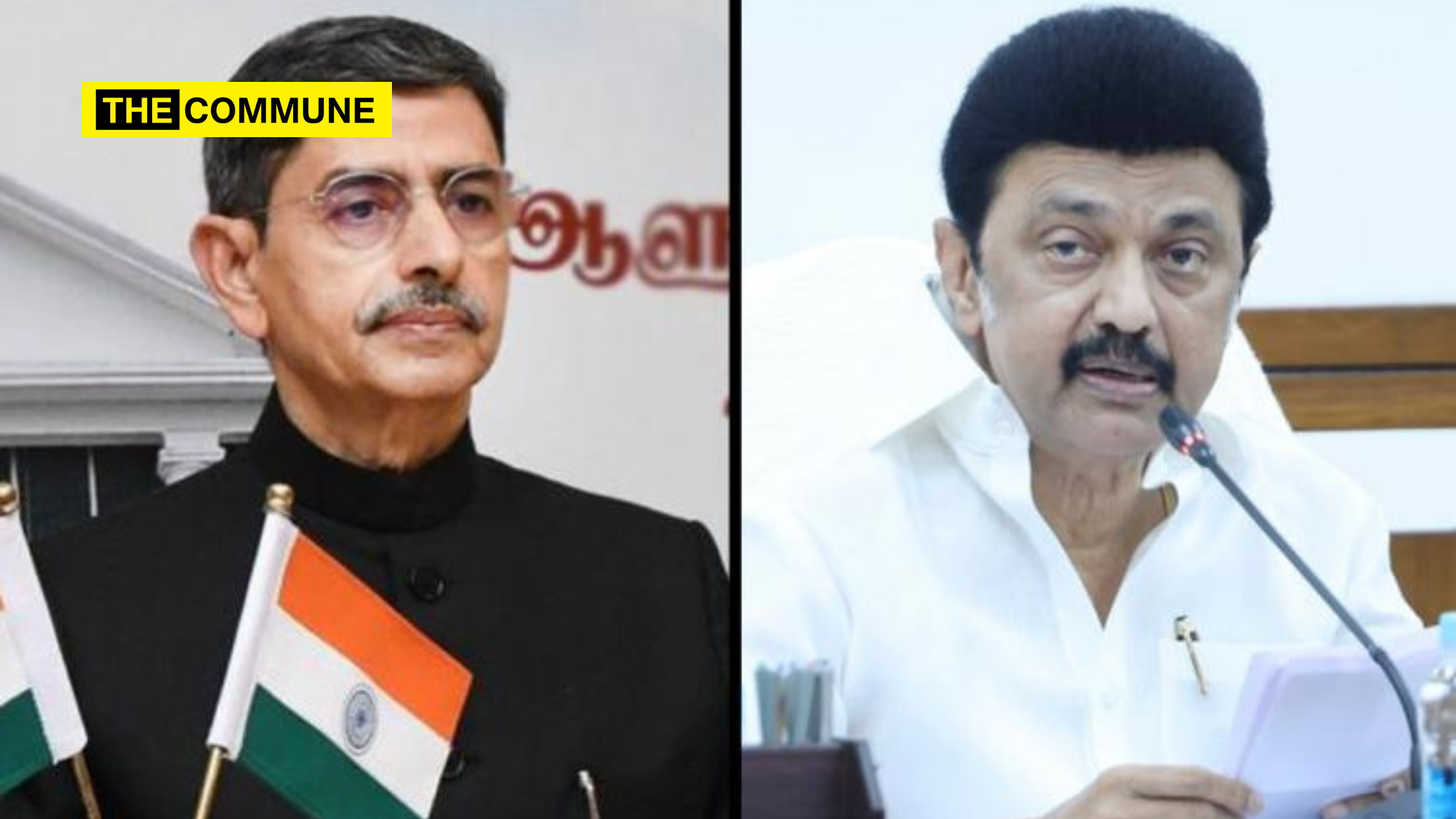
The tussle between the ruling DMK and the Raj Bhavan hit a new low on Monday as Governor R N Ravi skipped portions of the government-prepared customary address in the Assembly and the Chief Minister piloted a resolution to exclude from the House records whatever he spoke outside the State drafted speech. ‘Dravidian model’ was among the words skipped by the Governor and he also spoke on his own on certain aspects. Ravi began his address, marking the commencement of the year’s first session, amid slogan shouting against him by MLAs belonging to allies of the ruling DMK. The Governor later walked out of the Assembly after M.K. Stalin moved the resolution. This incident has put the spotlight on DMK, the ruling party of Tamil Nadu and their treatment of the office of the Governor. In this context, we will look in to why the actions of DMK constituted continued violation of constitutional principles? And also why this represents a threat to democratic foundation of the nation?

The Incident

The conflict between the Tamil Nadu government and Governor R N Ravi reached a new low Monday when Ravi made changes to the prepared speech he read out in the Assembly. As a result, Chief Minister M K Stalin had to step in and move a resolution demanding only the original printed speech in Tamil be put in records. Governor Ravi reacted to this in an unprecedented manner by staging a walkout from the House in protest. Major aberrations that irked the government and led to CM Stalin’s spontaneous resolution were mainly three points. The governor skipped part of the 12th point of his speech, which was about the state’s “highest priority to maintaining law and order” and taking steps to “ensure that the State continues to be a haven of peace and tranquility, free from any form of violence.” He also skipped the 64th point, which was about how the government dealt with natural disasters and pandemics that happened in the state. The governor’s speech also fully skipped the 65th point and that was the major trigger point for ruling DMK as it was the statements that related to the ‘Dravidian Model of Governance’ which the ruling DMK themselves had declared ‘much acclaimed’ but critics had termed it as propaganda.

Even though the headlines ran as ‘unprecedented’ after the incident, the incident wasn’t actually unprecedented. In Kerala this happened thrice, in 1969, 2001, and 2018 and in Bengal it happened in 1969. In most of the incidents, the Governor undertook this measure to safeguard the sanctity of his post and the principles of the constitution. The Governors mostly disagreed to become mouthpieces of the ruling party and exercised their discretion when a state oversteps to criticize the federal structure of the country.

Unconstitutional Pattern Followed By DMK

The role of the Governor is quite similar to that of the President of India. The Governor performs the same duties as the President, but for the State. The Governor stands as executive head of a State and the working remains the same as of the office of President of India. Under the Constitution of India, the governing machinery is the same as that of the Central Government. The Governor thus has a dual role in our constitutional system, the Governor is the constitutional head of the state, bound by the advice of his council of ministers and functions as a vital link between the Union Government and the State Government. The Governor’s appointment, his powers and everything related to the office of Governor have been discussed under Article 153 to Article 162 of the Indian Constitution.

In the History of Independent India numerous issues has plagued this constitutional post. There are numerous examples of the Governor’s position being abused, usually at the behest of the ruling party at the Centre. Governor’s discretionary powers to invite the leader of the largest party/alliance, post-election, to form the government has often been misused to favour a particular political party. Due to such incidents, negative terms like an agent of the Centre, Puppet and rubber stamps are used to describe a governor of the state. But even though such misuses have been practised before, it has been rectified to a maximum extent by interventions of the Supreme Court and also through recommendations provided by various committees. One such noteworthy instance was the recommendation given by Sarkaria Commission (1988) curtailing arbitrary powers of the Governor. Pursuant to the same the Supreme Court in S.R. Bommai (1994) case underlined the importance of avoiding arbitrary action by the Governor in a partisan manner. And Supreme Court has intervened numerous times recently during political crisis in Goa, Arunachal Pradesh, Maharashtra, Karnataka and Madhya Pradesh setting new precedents limiting powers of the Governor for bipartisan functioning of the government.

But, interestingly even though the court and various commissions have underlined the importance of avoiding unilateral actions taken by the Governor, the area concerning unilateral action by ruling parties of the state to undermine the office of Governor remains hazy. There is limited availability of studies or court interventions in this area. Thus, it remains important to delve into this topic in light of incidents in DMK ruled Tamil Nadu to have a much clearer picture.

The incident in Tamil Nadu does not leave any winners or losers as the one which gets defeated are the principles of democracy. The toxicity of mixing politics even if it goes against constitutional principles are being mostly practiced by opposition ruled states. If we look in to just Tamil Nadu itself we can see it clear. A few months ago, DMK published a column in ‘Murasoli’ (its mouthpiece) reminding all Governors that they should not go “too far” beyond their constitutional limits citing example of Telangana Governor Tamilisai Soundararajan. Daughter of Tamil Nadu herself, she was abused by the party’s mouthpiece stating that the fate of Governors of other states would be the same as that of Soundararajan if they tried to interfere in policies and welfare programs of the respective elected state governments. This scenario was interesting in the sense that it provided a prime example of the opposition parties mistreatment of the Governor, in this incident DMK was rejoicing at the mistreatment of the Governor by TRS even though the Governor was a woman from Tamil Nadu. And in the present incident, a day after the spat between DMK and Governor R N Ravi, “#GetoutRavi” posters, prominently featuring Chief Minister M K Stalin surfaced in some parts of the city. Critics says that this incident accounts to offence under S. 124 of IPC (assault against Governor), in fact, A Ashvathaman, BJP State Secretary, said he has filed the complaint under the section against the culprits. The DMK has been at loggerhead with RN Ravi over many issues, even a bill has been passed by Tamil Nadu government to curtail powers of the Governor. Apart from these Bills, the Tamil Nadu government leaders have boycotted events hosted by the state governor RN Ravi and publicly criticised some of his actions, stirring controversy. In Tamil Nadu MK Stalin boycotted Governors at home reception, an important event to iron out differences and in another incident Tamil Nadu Higher Education Minister K Ponmudy boycotted the convocation event at Madurai Kamaraj University. There are other issues also which are pestering between Governor and the state such as the issue about the term ‘Union government’ or ‘Central Government’ etc. Issues may arise that’s natural but these shouldn’t come in the way of democratic functioning of the state.

Way Ahead

In the ongoing tussle between DMK with the office of Governor, it becomes deplorable to see how the constitutional office is being disrespected. For the smooth functioning of a democratic government, it is important that the governor must act judiciously, impartially and efficiently while exercising his discretion and personal judgement. But it is equally important for the ruling parties of the states to set aside their political leanings while dealing with the constitutional post. The office of Governor must be given its due constitutional respect for the proper functioning of the governance system in this land. But in this current political climate these norms are being flouted in the name of autonomy to the states in contrast to the setup of democracy envisioned under the Constitution of India. The role of governor is indispensable for the successful working of constitutional democracy. Thus, the already laid down constitutional norms must be given its due respect going ahead in order to ensure a free and fair functioning of an independent democracy and DMK must refrain from undertaking unceremonious actions that lower standards of democracy.

Click here to subscribe to The Commune on Telegram and get the best stories of the day delivered to you personally.
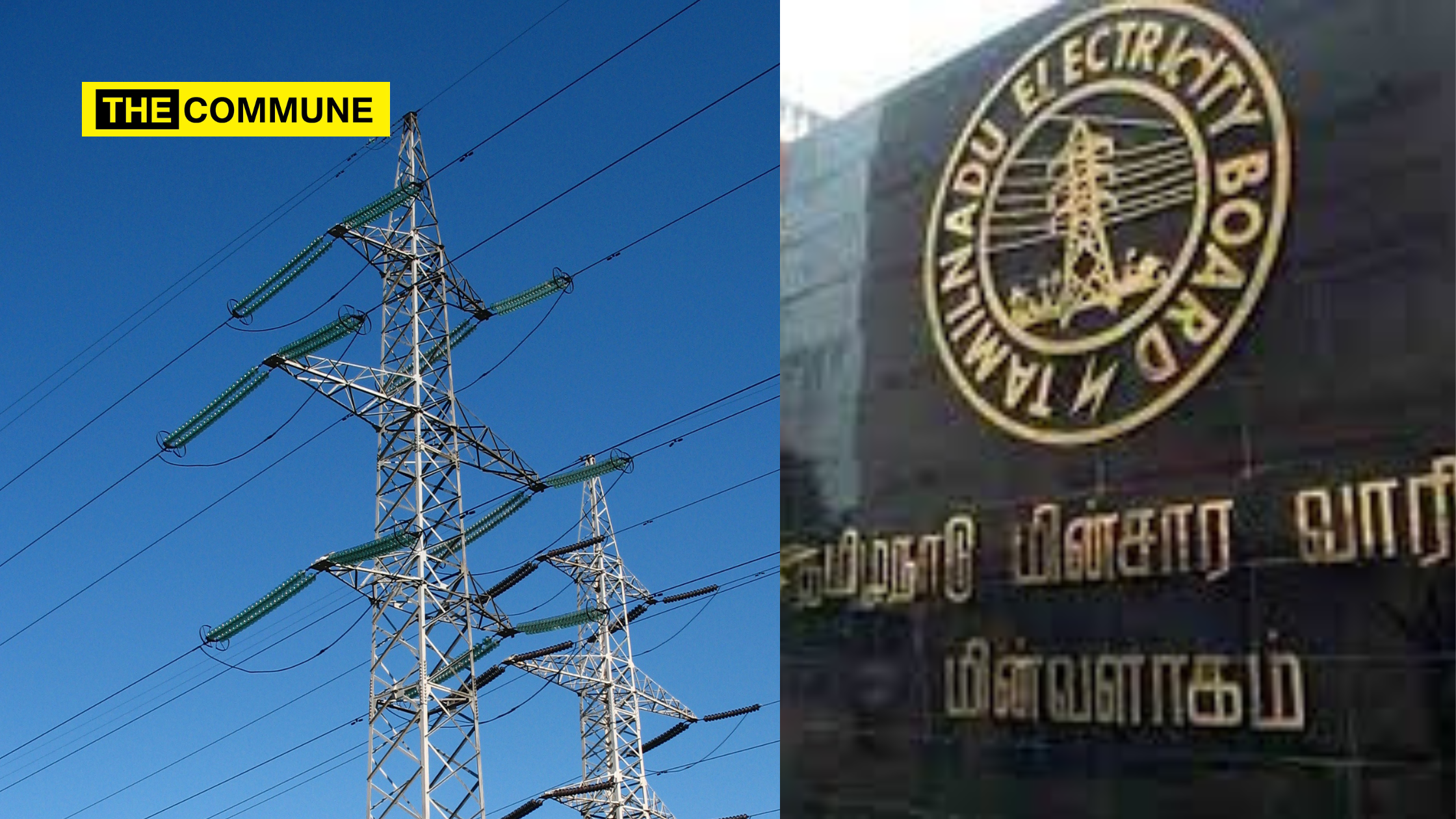
TANGEDCO Employees Paid Second Highest Among DISCOMs In India

In a report recently released by the Power Finance Corporation (PFC) on the performance of the nation’s power utilities for 2020–21, Tangedco stands second only to Kerala in terms of employee costs, or the amount spent on paying employees’ salaries.

Tangedco, the state-owned DISCOM, spends ₹1.24 per unit of electricity produced compared to Kerala’s ₹2.2 per employee. However, Tangedco pays nearly twice as much in loan interest as Kerala does, while Kerala State Electricity Board’s (KSEB) generation costs are only ₹ 3.5 as opposed to Tangedco’s ₹ 5.4.

One of the primary reasons cited by Tamil Nadu Generation and Distribution Corporation (Tangedco) to justify the recent tariff increase is to cover the cost of electricity generation and supply, which is more than ₹8.5 per unit, but nearly 30% of that amount goes to employee costs and interest.

Tangedco employs approximately 84,000 people, ranging from entry-level workers to chief engineers. Senior cadre officials are paid up to 15% more than other government employees in their respective cadres.

It should be noted that TANGEDCO’s senior officials, who are subject to the government’s pay commission, are receiving wage revisions under the Industrial Disputes Act every 4 years, which should ideally apply only to temporary employees. In addition, it is reported that there are approximately 34 chief engineers, with some thermal stations having two chief engineers. Superintendent engineers and executive engineers report to them, but the work they handle could be done by fewer people.

Tangedco, according to Jaishankar of the CITU-affiliated Central Organisation of Tamil Nadu Electricity Employees (COTEE), should blame itself but no one else for the higher employee costs.

He said, “The utility does not allow thermal stations to run to their full capacity and back down the production when power is available cheaper in the market. Also, the distribution of work to the senior officials could be achieved through talks. But the utility wants to do it on its own without consulting with employees, which is opposed. And the same is work outsourced for a bigger expenditure.”

(with inputs from ToI)

Click here to subscribe to The Commune on Telegram and get the best stories of the day delivered to you personally.
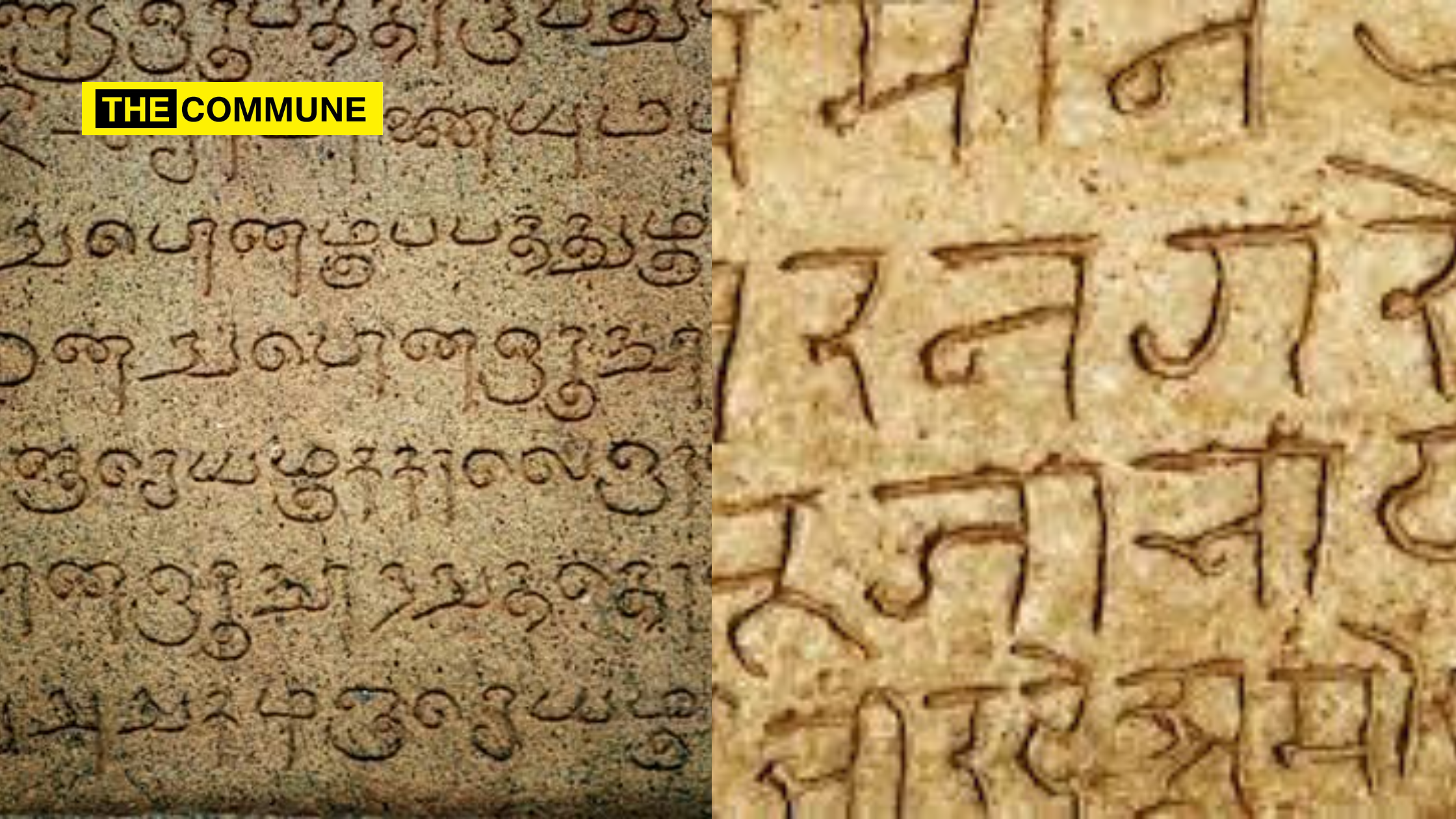
RTI Expose: ₹66 Cr For Tamil, ₹815Cr For Sanskrit Sanctioned During Congress-DMK Regime

A government RTI response revealed that the DMK and Congress alliance spent 66 crores on the Tamil language and 815 crores on the Sanskrit language during the 2004 to 2014 period, exposing the DMK and Congress alliance’s double standards in accusing the BJP of spending more money for Sanskrit and discriminating against the Tamil language.

Yuvraj Ramalingam, an RTI activist, filed the RTI on December 12, 2022, seeking information from the Information Commissioner about grants released to the Central Institute of Classical Tamil and Central Sanskrit University (erstwhile Rashtriya Sanskrit Sansthan) from 2004 to 2014.

In response to the RTI, the Information Commissioner stated that Central Sanskrit University received Rs 815 crores in grants from the central government for the period 2004 to 2014, while Central University of Classical Tamil received Rs 66 crores during the same period.

Central Sanskrit University’s funds given by the DMK Congress government increased 380% from Rs 32 crores in 2004 to Rs 153.7 crores in 2014. The Central Institute of Classical Tamil’s grants from the government increased from Rs 2.82 crores in 2006 to Rs 12.3 crores in 2014.

It should be noted that the Union government under Modi increased grants to Central Sanskrit University from Rs 125 crores to Rs 198 crores, a 58% increase, far less than the DMK-Congress government’s increase in funding to Sanskrit between 2004 to 2014.

It is worth noting that when the details about the Modi government’s spending on Central Sanskrit University were released in response to a question raised by Congress MP Jothimani, the entire Tamil media and DMK supporters disguised as social activists made a hue and cries on the news channels, claiming that the Tamil language is discriminated against. The RTI activist Yuvraj Ramalingam questioned whether the Tamil media would cover his RTI expose in the same way that they did for Congress MP Jothimani.

Click here to subscribe to The Commune on Telegram and get the best stories of the day delivered to you personally.
DMK Min KN Nehru Slaps Councilor In Full Public View

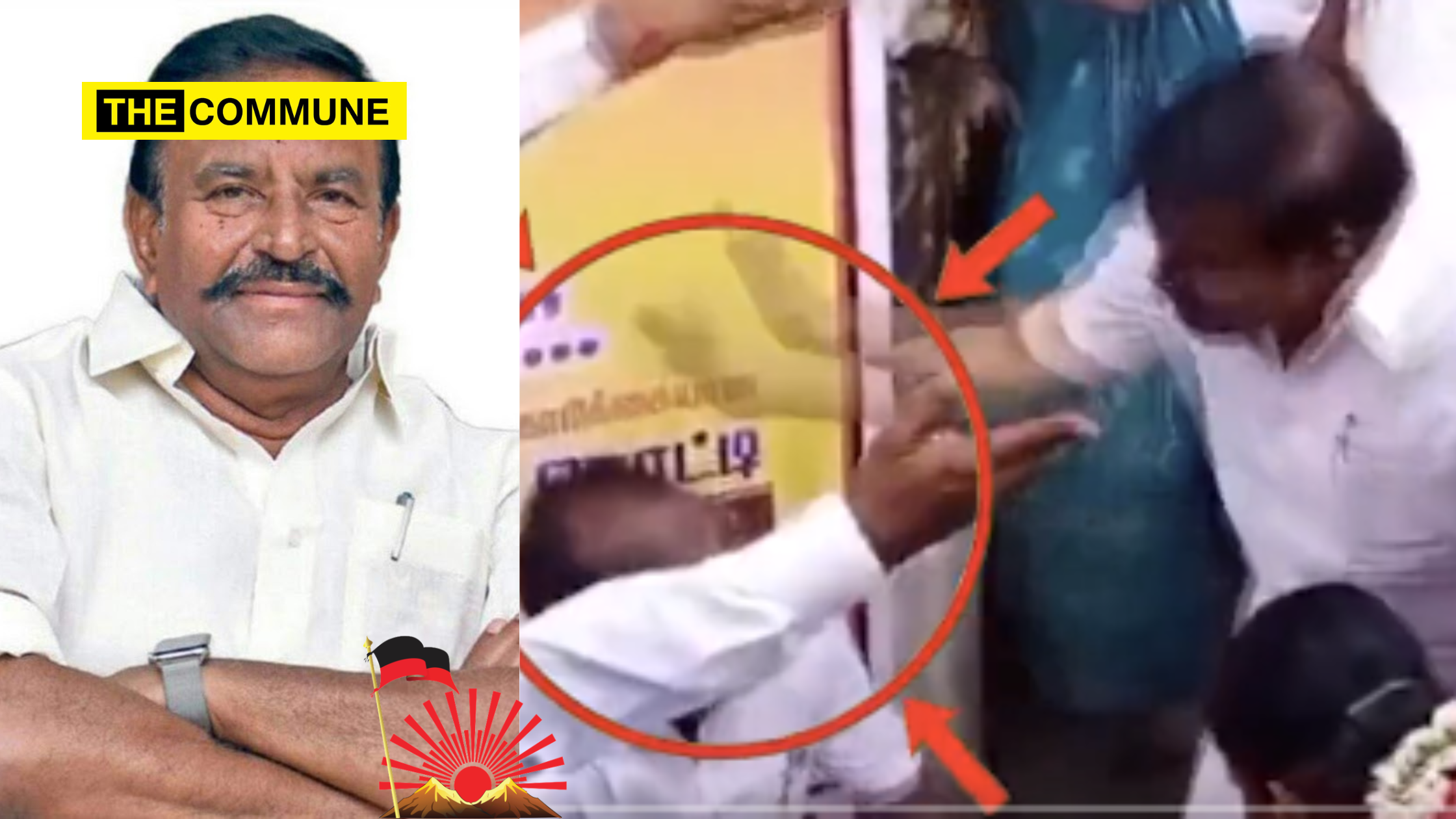
The video of DMK Minister for Municipal Administration, Urban and Water Supply KN Nehru slapping a DMK ward councillor on the head during a government welfare programme in Trichy is going viral on social media.

DMK Minister KN Nehru laid the foundation stone for the weekly vegetable market development works to be set up at a cost of Rs 3.46 crore in the area under Sa Kannanur Municipality in Trichy.

Following this, he inaugurated a new overhead water tank worth Rs. 95 lakhs at Periya Milagu Parai area under Trichy Corporation for public use.

DMK Minister KN Nehru was distributing stainless steel water pots to the ladies gathered there as part of the welfare scheme. KN Nehru was receiving pots from the DMK ward councillor and distributing them to the women waiting in line. However, because the DMK councillor took too long to hand over the pot, KN Nehru became enraged and slapped the councillor in the head.

The video of DMK Minister KN Nehru slapping another elected ward councillor in front of the general public has sparked outrage. Many questioned the DMK, which used to call itself the self-respect party. Opposition parties including BJP and AIADMK have condemned the incident.

It is worth noting that another recent incident in which a DMK Minister, KKSSR Ramachandran, hit a woman on the head who had come to give a petition sparked widespread condemnation and protests.

https://twitter.com/Muthuhere3/status/1612454972842708994?s=20&t=ZVgQJEFJMfnWb8YQ2RyMcw

Click here to subscribe to The Commune on Telegram and get the best stories of the day delivered to you personally.
Malikappuram, An Ode To Ayyappa Devotees And A Message To The Commies

A movie called ‘Malikkappuram’ was released in Kerala recently catching the attention of Malayali audiences. The movie has since become an industrial hit being the first big box office success in the year 2023 for Kerala movie industry. Crafted around the legend and myth of Sabarimala temple, the movie has reignited the debate surrounding the much-famed temple of Sabarimala and the Supreme Court judgement relating to it. In this context it becomes pertinent to look in to the reignited Sabarimala temple and also understand as to why the movie has created a connection with Kerala audience?

The Plot

‘Malikappuram’, directed by debutant Vishnu Sasi Shankar, narrates the story of an eight-year-old girl Kalyani aka Kallu, a little girl from Panchalimedu village who is 8 years old, her strong desire to visit the Sabarimala Ayappan Temple. By narrating the story of a ‘Malikappuram’ (all girls visiting Sabarimala for the first time are referred to as Malikappuram), the movie deals with how faith takes root in young minds. It is creating such an impact that even kids watching the movie was calling ‘Swamiye Sharanamayyappa’ loudly towards the end of the movie. In fact, for anyone who has been to Sabarimala before, it feels like visiting the temple again through the well-planned frames from Erumeli to the sanctum sanctorum of the temple. The first half of the movie is in a typical village setting with local myths and portrays a young girl’s ardent wish to go to Sabarimala. Due to tragic events, her trip gets delayed and later she and her friend Piyush portrayed by Sreepath, who has done a commendable job, decide to visit Sabarimala themselves. The movie also emphasis the concept of ‘Tatvamasi’ where each individual can be seen as Brahman based on Hindu philosophy.

More Than A Movie

Even though the movie was based on simple premises and on the basis of a temple which has been embedded in the minds of Keralites, the movie created a big impact, both in terms of people who loving it and people who hated it. In some corners the movie has triggered the wrath of communists and radical Islamist Keralites the world over. RSS/BJP supporters, who updated positive reviews of the movie on social media, are being subjected to vile cyberbullying. Incidentally, C Praglesh, a local writer and leader from Malappuram associated with the Communist Party of India (CPI) affiliated Yuva Kala Sahithi, too, had to bear the brunt for praising the movie. Praglesh is also the local editor of CPI’s mouthpiece Janayugam and the CPI Ponnani Area Secretary. After watching the movie, the communist writer posted his appreciation on Facebook. This did not go well with other communist activists in the state. The trolling began in earnest. This reaction is not surprising as the movie itself is a daring attempt in Kerala wherein a pure devotional movie was taken in to mainstream. But, the ‘left-dominated’ Malayalam movie industry is having hard time to acknowledge this fact.

Soon after the Supreme Court ordered entry of women in to the age-old temple, the communists in the state started their work to further their agenda of destroying another symbol of Hindu worship without taking any recourse against Supreme Court judgement. It is a fact that so many people protested on the streets against women entry but the Chief Minister did not show the large-heartedness to see and understand this. The verdict and the subsequent developments in the state had led to social, political and cultural upheaval to an extent that was unprecedented and unexpected. For many faithful devotees, the verdict, and the day (28th September, 2018) represents a black day, a day of deafening shock where the highest constitutional court decided to egregiously violate the foundation of their faith in Swami Ayyappa. The calls of, till then a call of faith and devotion, acquired shades of political dissent and became a battle cry against a state machinery that wished to violate the sanctity of a temple that Hindus, especially those belonging to Kerala, held dearest to their heart. The obstinacy of the Kerala Chief minister, Pinrayi Vijayan, meant that the situation in the state worsened as the temple opened in October during that year’s pilgrimage season. The attempted entry of, an ‘activist’ who wasn’t even a devotee on 18 October 2018, worsened the situation significantly. The Pinarayi Vijayan government pushed the agenda in the name of ‘Navothanam’ (Renaissance), but it is interesting to note that the Vijayan government took the name of ‘Renaissance’ only for the majority community while taking the side of Islamist and Jihadist to cater to their needs and orthodox practices. This was evident recently when the Communist government batted for Sharia law

The political impact of the whole situation was such that the ruling communist government suffered catastrophic defeat in the Parliament elections of 2019, the huge loss forced the government to backtrack on so called ‘Navothanam’ as the hard stance took by Pinarayi government against Hindu’s in the state became a liability for the party. But it was too late as the agenda of the communist was revealed for everyone to see.

Years later, even in 2023, the issue is burning in Kerala. Sabarimala have a special place in the heart of Keralites as it symbolises their unwavering commitment to upholding what defines their identity. Communist in Kerala tries to take advantage of silent majority as it is easier for them to do that than to take up issues of importance against defiant minority. This resentment against the government and mass support among Hindus in Kerala against the stance took by government are the main reasons why the movie ‘Malikappuram’ found a special place in the heart of Keralites. The success of the movie gives us another important lesson also, it is that, the fear that minorities are an explosive force which can wreak havoc on the whole fabric of the state shall be set aside and majority shall be treated on par with minorities not on basis of fear but on the basis of substantial facts and equity which is guaranteed to all.

Click here to subscribe to The Commune on Telegram and get the best stories of the day delivered to you personally.