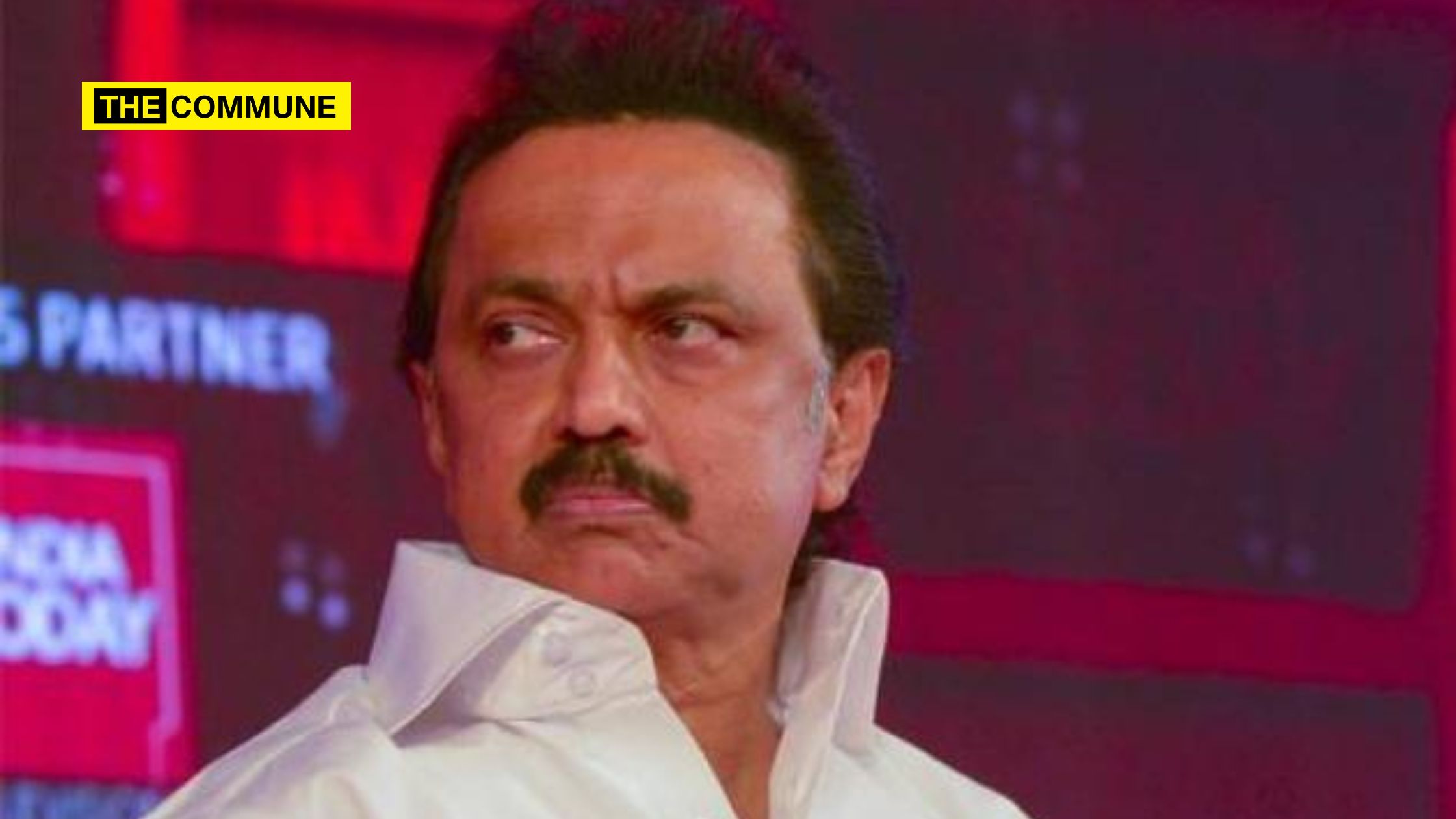
A 2009 U.S. diplomatic cable released by WikiLeaks portrayed then Tamil Nadu Chief Minister M. Karunanidhi as tightening his family’s grip over the DMK after the party’s strong national election performance, while clearly signaling that his son MK Stalin was the chosen political heir. The cable, sent from the U.S. Consulate in Chennai on 9 July 2009, said Karunanidhi elevated Stalin as Deputy Chief Minister of Tamil Nadu and simultaneously placed his elder son M.K. Azhagiri in the Union Cabinet, in what American diplomats read as an attempt to manage succession while balancing competing family factions.
Heir Apparent
The document said the dual move was intended to avoid an open power struggle within the first family but predicted that Karunanidhi’s eventual exit from politics would still weaken the DMK because, in the consulate’s assessment, neither Stalin nor Azhagiri could match their father’s political skill or public command. The cable described Stalin as the “heir apparent” and said his appointment reinforced what was already widely understood inside Tamil Nadu politics: Karunanidhi wanted him to succeed both as DMK chief and as Chief Minister.
Rise Of MK Stalin
According to the cable, Stalin had been active in the DMK since the 1970s, beginning with organizational work in the party’s youth wing. It said he gained statewide recognition after being jailed during the Emergency between 1976 and 1977 under the Maintenance of Internal Security Act alongside other political leaders, an episode the diplomats presented as part of his rise in public visibility.
Thuggish Reputation, Involvement In Sex Scandals
The most controversial portion of the cable concerned Stalin’s early reputation. The consulate wrote that Stalin had “something of a thuggish reputation” in the 1970s and referred to alleged involvement in multiple sex scandals, while also noting that some of the stories circulating in Chennai might be “apocryphal.” The cable specifically cited stories told by local people about young women allegedly being picked up off the streets and handed over to Stalin “for his amusement,” but the document did not present documentary proof for these allegations and framed them as part of Chennai political gossip and rumor.
The cable then contrasted that alleged early image with a later political transformation. It said Stalin matured in the late 1980s, shed the earlier reputation, and evolved into what the diplomats called a genuinely popular politician. It listed his electoral and administrative credentials in detail, saying he had won election to the Tamil Nadu Legislative Assembly four times by 2009 – in 1989, 1996, 2001 and 2006 and had served as Mayor of Chennai from 1996 to 2002. It also noted that he was Minister for Local Administration and Rural Development from 2006 until his elevation as Deputy Chief Minister in 2009.
Rivalry With Azhagiri
The cable argued that Stalin’s rise could not be understood apart from his rivalry with his elder brother Azhagiri, which it described as “legendary” in Tamil Nadu politics. It said Karunanidhi had sent Azhagiri to Madurai in 1989 partly to avoid clashes between the brothers, effectively dividing the family’s political geography between the Chennai-centered Stalin and the southern district strongman Azhagiri.
On Azhagiri, the cable was especially severe. It said he controlled the DMK’s operations in southern Tamil Nadu for years without holding a formal party post and accused him of destabilizing the party during Karunanidhi’s earlier tenure as Chief Minister. It further said that Azhagiri had allegedly worked against several DMK candidates in the 2001 Assembly election, contributing to the party’s defeat.
Family-Centric Power Structure
The cable also described the wider family arrangement around Karunanidhi. It said he had children through different relationships and characterized Rajathi as an “unofficial wife,” with whom he had Kanimozhi, while Dayalu was described as his second wife and the mother of Stalin, Azhagiri, Tamilarasu and Selvi. The document said Kanimozhi was disappointed at being excluded from the Union Cabinet despite lobbying by her supporters, and that sources close to her told U.S. diplomats she expected a compensatory promotion within the party.
Stalin Lacked Charisma, Had Poor Health
On Stalin specifically, the cable mixed political praise with personal skepticism. It said Stalin lacked charisma but compensated through hard work and a willingness to listen to trusted bureaucrats and senior party leaders. In the diplomats’ final judgment, that made him more acceptable than Azhagiri, whom they described as volatile, pugnacious and rough-hewn. For that reason, the cable predicted Stalin would likely prevail in any eventual succession struggle.
At the same time, the cable expressed uncertainty about Stalin’s health in 2009. It said rumors were circulating that he was suffering from an undisclosed ailment, allegedly intestinal cancer, and noted that he had reportedly visited London in June 2008 for a medical examination. The document did not provide proof of illness and clearly framed this as rumor and source-based reporting rather than established fact.
The consulate’s closing assessment was blunt. It said Karunanidhi’s effort to divide political turf between Stalin and Azhagiri would probably fail in the long run, because Azhagiri would eventually seek power in Tamil Nadu after Karunanidhi’s exit, bringing him into conflict with Stalin. Even so, the cable concluded that Stalin was better placed to emerge on top because he was more broadly acceptable than his brother.
In its final line of analysis, the cable argued that even if Stalin eventually succeeded, neither he nor Azhagiri had the political acumen or rhetorical skill to replace Karunanidhi. The U.S. diplomats predicted that the DMK would face difficult times whenever Karunanidhi finally left politics. That judgment, recorded in July 2009, now stands as a snapshot of how American officials in Chennai viewed Stalin at a critical moment in the transfer of power within the DMK.
Subscribe to our channels on WhatsApp, Telegram, Instagram and YouTube to get the best stories of the day delivered to you personally.