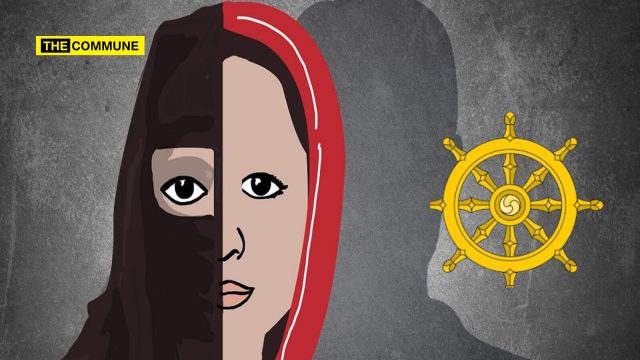
The Zanskar Buddhist Association (ZBA) has written to the Sub-Divisional Magistrate (SDM) of Zanskar, raising serious concerns over what it described as a growing pattern of forced religious conversions through marriage in the Union Territory of Ladakh and seeking the enactment of a stringent anti-conversion law to preserve communal harmony.
In its letter dated 15 January 2026, the Zanskar Buddhist Association stated that it was alarmed by repeated incidents involving Buddhist girls allegedly being abducted, lured, or coerced into marriage, followed by religious conversion. The association argued that such incidents, if left unaddressed, could disrupt the fragile social balance in the region.
🚨 BIG! Buddhist Association joins Hindus, Sikhs and Christians in expressing concern, issuing an URGENT representation alleging abduction, fraudulent RELIGIOUS CONVERSION and “LOVE JIHAD” targeting Buddhist women. pic.twitter.com/HMf4fkvoY7
— Megh Updates 🚨™ (@MeghUpdates) January 15, 2026
The immediate trigger for the letter was the disappearance of a young Buddhist woman, Stanzin Yangdol, from Zanskar. According to the association, Yangdol had been missing for several days, and her parents had informed the ZBA that extensive searches and inquiries among friends and relatives had yielded no information. The association said this had led the family to suspect that she may have been abducted and wrongfully confined against her will.
In its representation to the SDM, the association said it had strong and reasonable grounds to believe that, in multiple cases, marriages involving Buddhist women were being preceded or accompanied by religious conversion carried out through deception, coercion, inducement, or misrepresentation, rather than free and informed consent. It claimed that these incidents appeared to follow a consistent and pre-planned pattern, giving rise to apprehensions of an organised effort to alter the religious identity of women from the Buddhist community.
The ZBA further alleged that such cases involved systematic misinformation, psychological manipulation, and the exploitation of vulnerabilities, effectively cutting victims off from their families and support systems. It maintained that if marriages between Buddhist women and Muslim men were genuinely consensual and free of religious pressure, they could be solemnised under the Special Marriage Act. However, it pointed out that in the cases it had observed, only the religion of the woman was changed, while the men never converted, a pattern it said raised serious questions about voluntariness and legality.
Highlighting demographic changes in recent years, the association noted that even in Leh district, traditionally a Buddhist stronghold, the community had begun to feel a growing sense of vulnerability. It said conversions of Buddhist women following marriages over the past few years had sharpened anxieties within the community and made it more assertive about protecting its customs, traditions, and way of life.
The letter urged the administration to take immediate steps to trace and restore Stanzin Yangdol to her family and to initiate an impartial inquiry into the allegations. It also called for the immediate registration of a First Information Report under relevant provisions of the Bharatiya Nyaya Sanhita, 2023, including Sections 138, 127, 318, 69, and 87, against those allegedly involved.
Beyond the specific case, the association appealed for the enactment of a dedicated anti-conversion or anti-love jihad law in the Union Territory. It argued that such legislation would deter forcible or fraudulent conversions through marriage or allurement and help maintain peaceful coexistence among communities. The ZBA also urged authorities and community leaders to sensitise people against practices that could fuel communal unrest.
The letter warned that failure to act swiftly could escalate tensions on the ground and stressed the need for decisive intervention before the situation deteriorated further. Copies of the representation were sent to senior officials, including the Lieutenant Governor and the UT administration.
The letter was signed by ZBA president Tsering Dorjay, who reiterated that the association’s demands were rooted in concerns over social harmony, legal accountability, and the protection of vulnerable members of the Buddhist community.
Source: OpIndia
Subscribe to our channels on Telegram, WhatsApp, and Instagram and get the best stories of the day delivered to you personally.