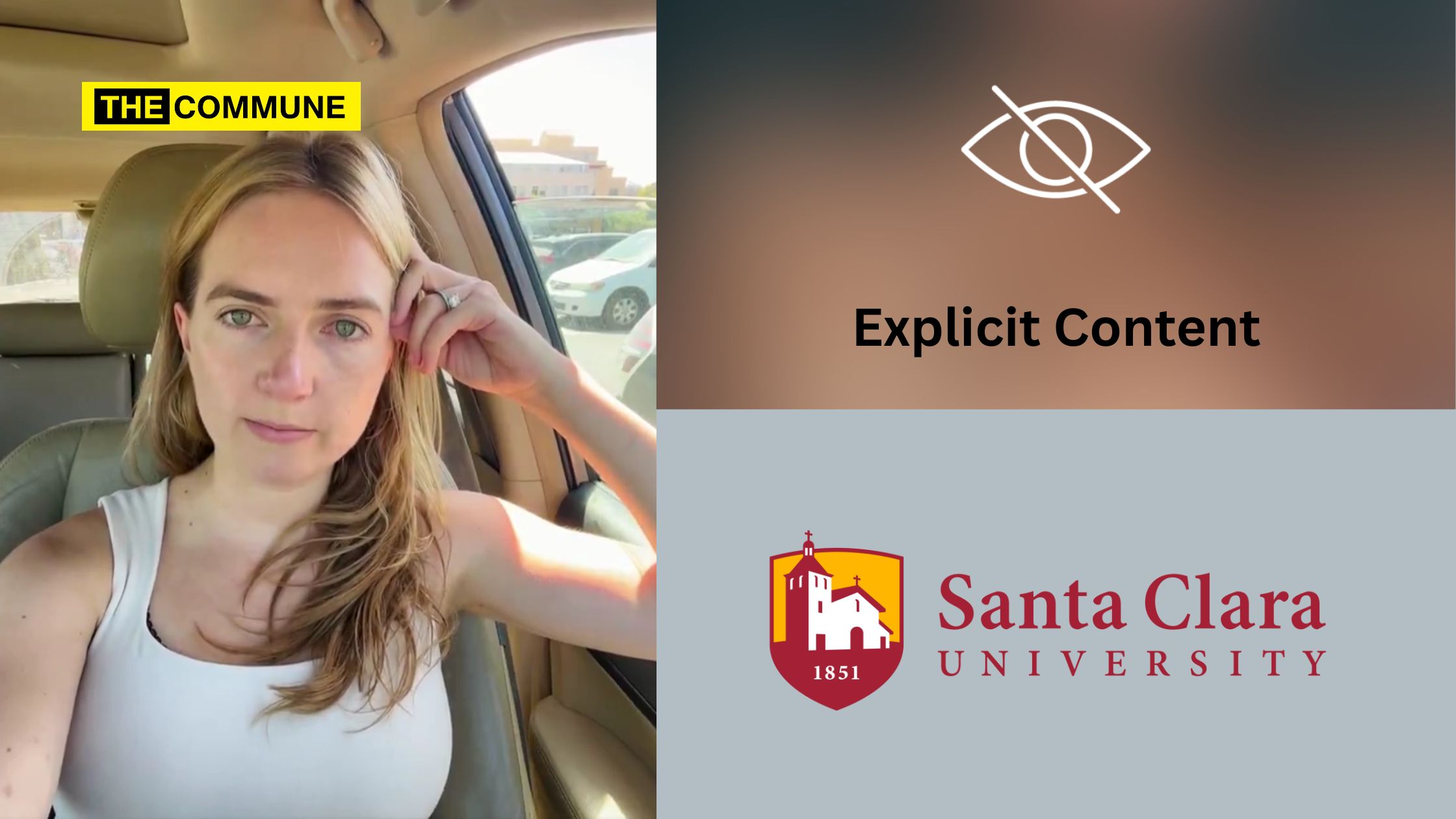
Santa Clara University, a prominent Jesuit institution in California, has come under scrutiny following the expulsion of Naomi Epps Best, a 26-year-old graduate student and intern in its counseling program. Best, who was training to become a licensed Marriage and Family Therapist (MFT), was reportedly dismissed from her internship after publicly criticizing the university’s curriculum, which she alleged included compulsory exposure to sexually explicit material and ideologically driven assignments that she claimed violated the American Psychological Association’s ethics code.
Best was participating in a state-accredited program that required internships for licensure when she raised concerns about certain practices within the curriculum. Her complaints, which gained widespread attention following a June 6 exposé published in The Wall Street Journal, included claims that students were compelled to view pornographic material involving sadomasochistic content and complete a “sexual autobiography” detailing personal and intimate sexual experiences. She argued that these assignments not only breached professional ethical boundaries but also imposed ideological conformity.
The controversy deepened when Best released a video statement on June 13 via social media platform X, shortly after being informed of her termination. She described the decision as having been made reluctantly by her supervisor, citing institutional pressure. In her message, she expressed concern for the future of psychological care, warning that excluding dissenting worldviews from therapist training would risk alienating clients and causing further harm.
Blew the whistle in @WSJopinion on ideological rigidity in therapy training. A week later, I am fired from my internship with the regret of my boss. This field is in crisis. The public needs to know. pic.twitter.com/EldOjq0hOG
— Naomi Best (@naomieppsbest) June 12, 2025
Best’s case has since drawn national attention and support from within the mental health field. A number of psychologists and academics, including practitioners who own private therapy clinics and university faculty, expressed solidarity, highlighting broader concerns over ideological enforcement in graduate education and therapy training. Some offered her alternative internship opportunities.
According to her accounts published on Substack, Best described her experience in one class where students were shown a video depicting a social media influencer engaged in bondage, gagging, and other forms of BDSM. She claimed the material was presented without appropriate warnings and that her own request to opt out—on religious, ethical, and trauma-informed grounds—was denied, even though, according to her, Muslim students had been allowed exemptions.
The program, she said, treated non-traditional sexual practices such as kink, polyamory, and swinging as equally healthy alternatives to monogamous relationships focused on child-rearing. She further reported that the curriculum mandated the completion of an 8–10-page sexual autobiography detailing one’s sexual history, preferences, and aspirations, and that students were encouraged to share personal information in co-ed discussion groups.
Best also claimed that required reading materials included books that were sexually graphic and, in some cases, blasphemous. She cited one text that allegedly depicted sexual acts alongside satirical illustrations involving religious imagery, and another that she said contained erotica involving violent sexual scenarios.
Santa Clara University, while maintaining that it does not discuss individual student matters due to privacy policies, responded to The Wall Street Journal article by referencing California law, which it said necessitates comprehensive instruction on human sexuality in counseling education. It neither confirmed nor denied the specific allegations made in the article.
The university, which identifies itself with Catholic and Jesuit values, also promotes a policy of “inclusive excellence,” including expansive definitions of gender identity and sexual expression. Critics argue that this dual commitment—to religious tradition and contemporary progressive ideologies—has led to internal contradictions within the institution’s academic and cultural environment.
(With inputs from The Stream)
P.S: A previous version of this article stated that a Santa Clara University graduate student was terminated from the internship at the university. Associate Director of Communications at the Santa Clara University stated that the internship was neither hosted nor affiliated with Santa Clara University and was arranged independently by the studen. Accordingly, the termination decision was made by the clinic. The student was not expelled from the university’s program, according to the University.
Subscribe to our channels on Telegram, WhatsApp, and Instagram and get the best stories of the day delivered to you personally.