



In what is being called one of the deadliest and most mysterious aviation disasters in India’s history, Air India Flight 117, a Boeing 787 Dreamliner, crashed shortly after takeoff from Ahmedabad, killing nearly everyone on board.
The Official Cause: Fuel Cutoffs
The AAIB ruled out sabotage, bird strike, and fuel contamination but did not dismiss any possibilities pending complete analysis
According to the Aircraft Accident Investigation Bureau (AAIB), both engine fuel cutoff switches unexpectedly shifted from RUN to CUTOFF in less than one second, leading to a sudden loss of thrust. Pilots tried to restart engines but were too low to recover before the plane crashed near the airport perimeter, killing 241 onboard and at least 19 on the ground—only one person survived.
A Ram Air Turbine (RAT)—the emergency power backup—was deployed just after takeoff, indicating total engine failure. CCTV confirmed its deployment within seconds of liftoff.
Following takeoff, the aircraft reached its highest indicated airspeed of 180 knots around 08:08:42 UTC. Just moments later, the fuel cutoff switches for both engines—Engine 1 and Engine 2—shifted from the RUN position to CUTOFF in quick succession, with only a one-second gap between the two. As a result, both engines’ N1 and N2 readings began to decline, indicating that fuel flow to the engines had been interrupted.
Cockpit voice recordings reveal one pilot asking, “Why did you cut off?”, with the other replying, “I did not do so.”
Aviation consultants note that fuel cutoff switches have metal locking mechanisms and guarded brackets—making accidental trigger extremely unlikely
Then how did it happen?
Boeing’s Remote-Control Patent
Boeing was awarded a patent in 2006 for technology that allows remote overriding of a vehicle’s onboard controls—including aircraft—in case the security of cockpit controls is compromised.
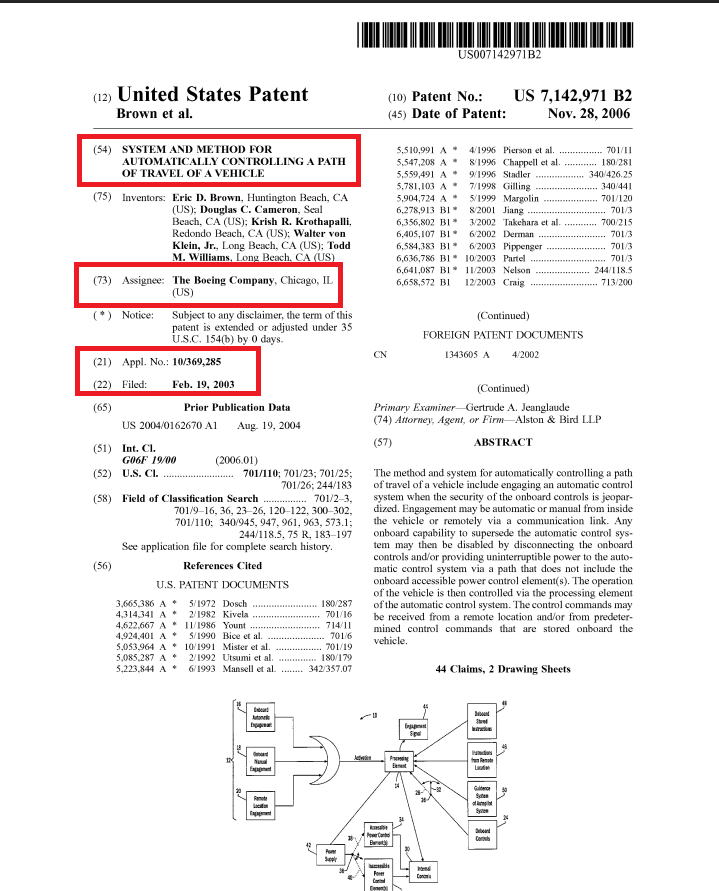

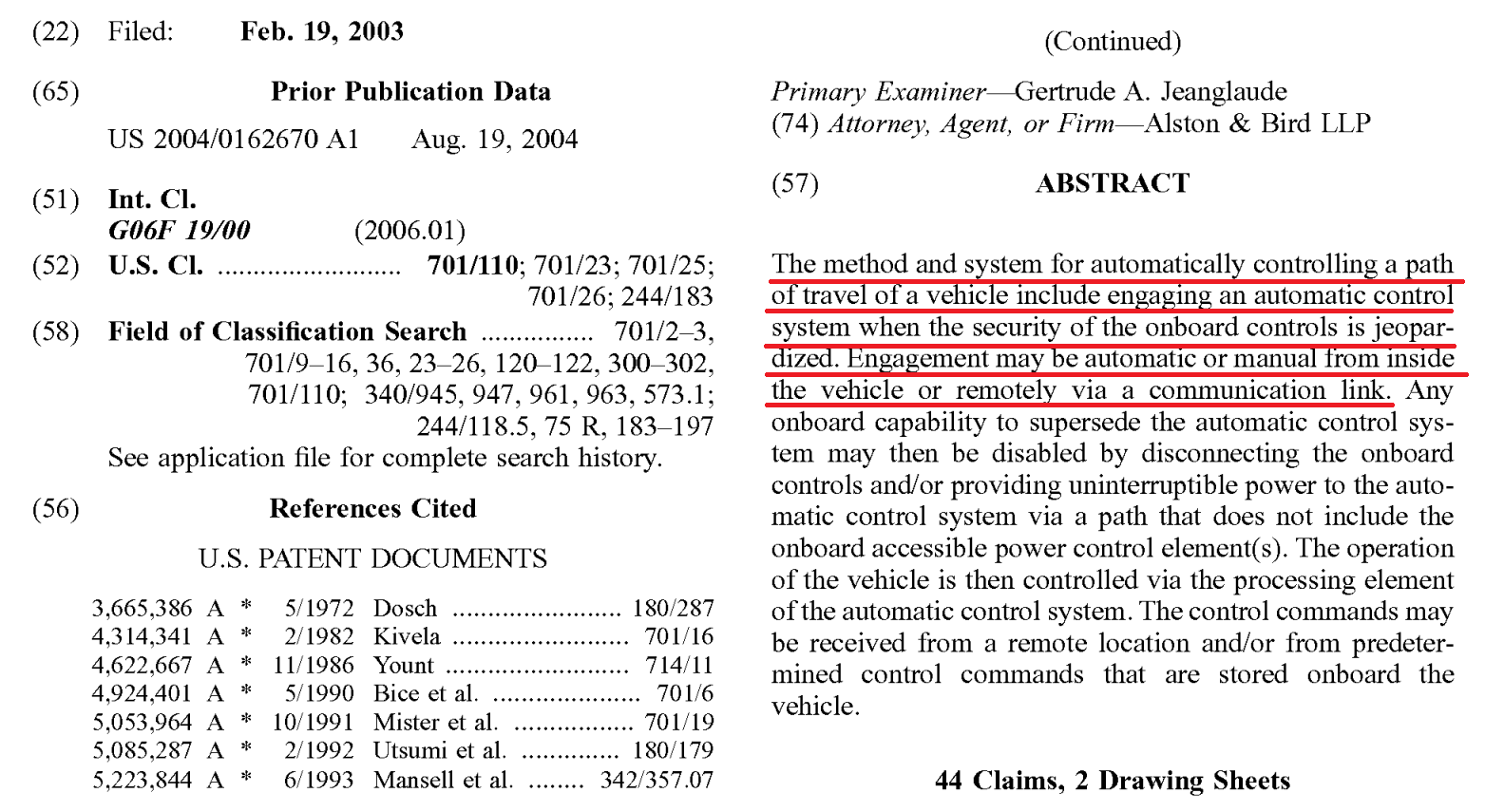

The patent describes an automated control system that can be activated remotely, disabling pilot control by bypassing accessible power elements via an alternative, inaccessible control element—which conspiracy theorists equate with the RAT.
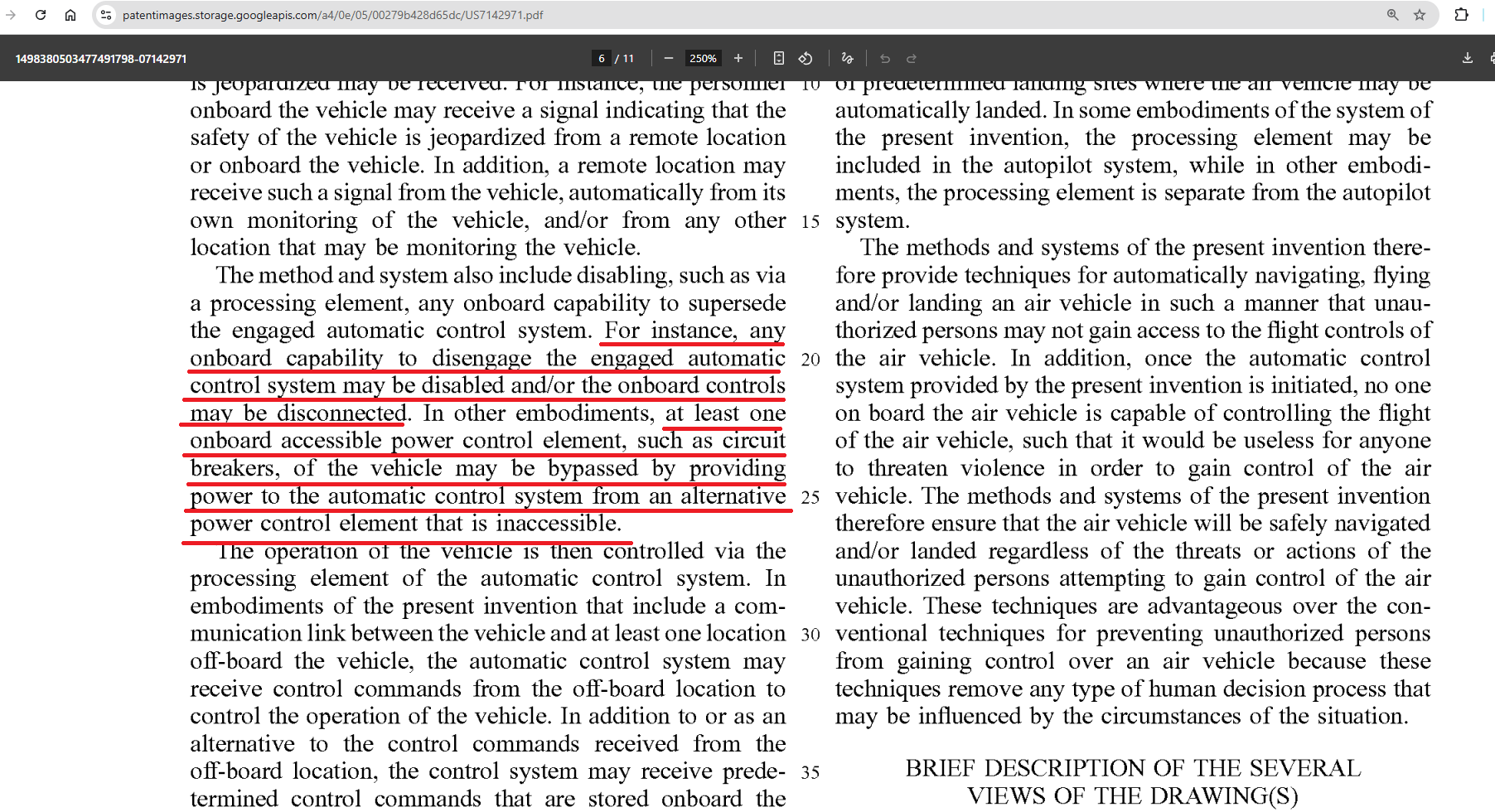

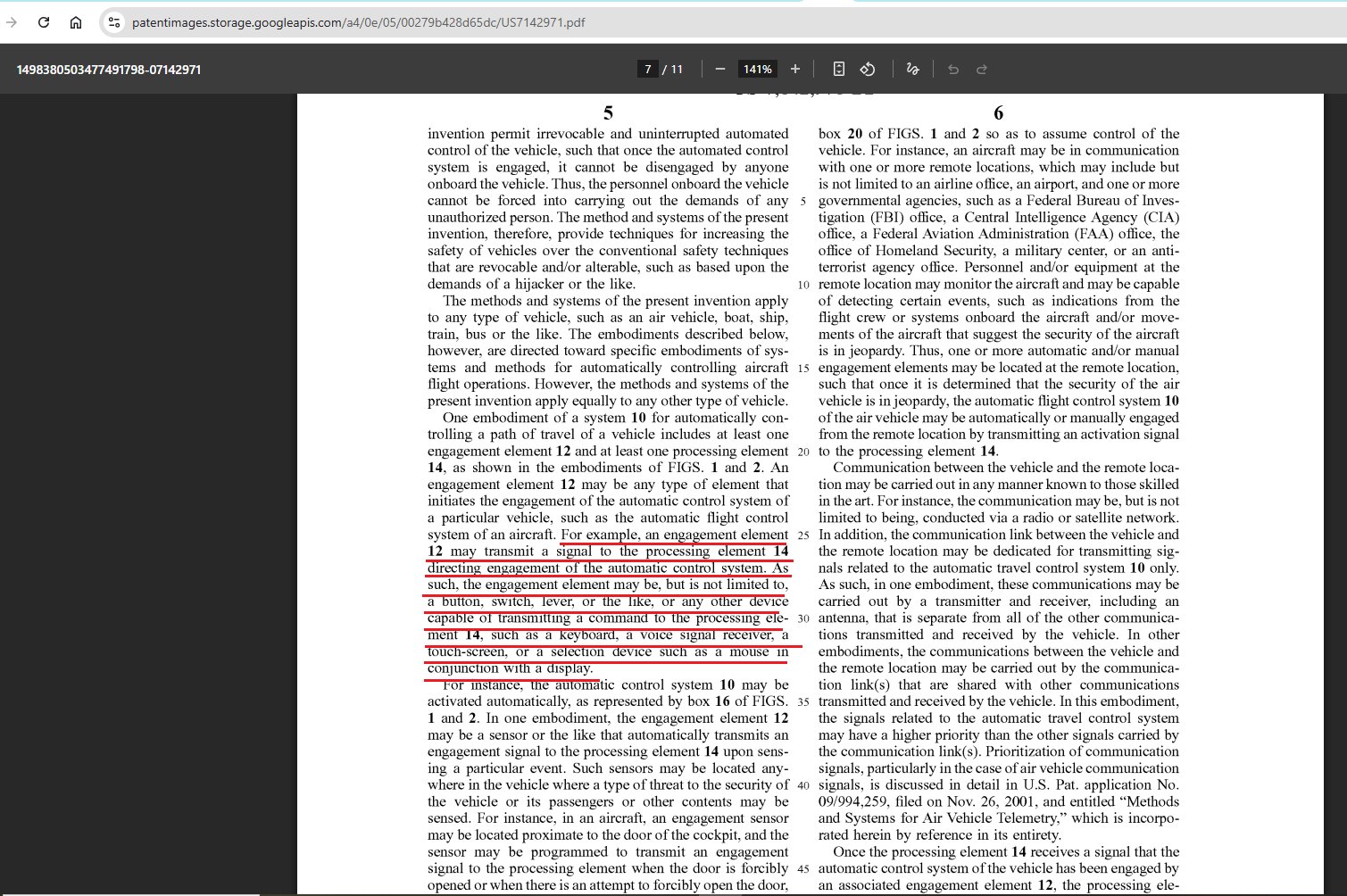

Instantly after RAT deployment: Engine fuel cutoffs occurred, followed by catastrophic stall.
The timeline mirrors the Boeing patent’s architecture: remote engagement → disable onboard controls → switch to emergency power → crash.
The precise one-second interval and pilot surprise feed speculation about skilled remote intervention.
CIA Hitting Back At India For Baking Nukes At Kirana Hills?
Open-source intelligence and credible defense watchers suggest that the Indian Air Force (IAF) may have conducted a precision strike on Pakistan’s sensitive nuclear storage facility in the Kirana Hills region, adjacent to the highly fortified Sargodha Airbase.
According to multiple sources, the strike reportedly penetrated deep into the rocky subterranean structure—allegedly causing partial collapse of tunnels and potentially compromising stored nuclear warheads. Some reports even hint at low-level radiation leakage, though officially denied.
What makes this incident even more significant is the belief that the Kirana Hills facility may also house nuclear assets tied to U.S. strategic cooperation with Pakistan—a claim neither confirmed nor denied by Washington.
If India indeed struck a site connected to American nuclear infrastructure, it would represent an unprecedented breach and a serious embarrassment for the United States—especially the CIA—which failed to anticipate India’s bold escalation.
This, many argue, could explain why the CIA may have sought swift retaliation through an untraceable covert message—one that would be loud enough for Delhi to hear, but quiet enough to deny.
Notably, former Gujarat Chief Minister Vijay Rupani was aboard Air India Flight 117, which crashed under mysterious circumstances. The presence of a VVIP onboard raises serious questions: Was this flight specifically targeted as a warning?
Adding to the intrigue, Western media swiftly pinned the blame on the pilots—even before preliminary emergency protocols had been completed. The speed and certainty of the narrative triggered suspicions of a coordinated cover-up, possibly engineered to distract from the larger geopolitical implications..
When Malaysia Blamed CIA For MH370
Former Malaysian PM Mahathir Mohamad speculated that Boeing’s remote control system might have been used to hijack or disable Flight MH370, noting:
“Clearly Boeing and certain agencies have the capacity to take over ‘uninterruptible control’ of commercial airliners… someone is hiding something.”
Like Flight 117, MH370 involved a Boeing aircraft, unexplained loss of communication, and missing evidence—fostering a similar control-over-airplanes theory.
India Must Not Give Benefit Of Doubt
India’s final AAIB report is due within a year. It may clarify whether manual intervention, mechanical failure, or software error triggered the cutoffs.
Independent probes and third‑party experts must assess whether Boeing’s remote override patent was ever integrated into real aircraft systems.
Without conclusive proof, the CIA sabotage theory remains speculative. Yet the sequence of events—cutoff switches, emergency RAT activation, cockpit confusion—paired with Boeing’s remote-control patent—it fits too neatly to ignore.
(With inputs from Vijay Patel’s X Thread)
Was the Air India Flight 117 crash a SABOTAGE by the CIA(USA)?
1. Read these chilling details to understand how it is possible to take control of a civilian airplane.
Boeing holds the patent to remotely take control of any vehicles, including airplanes.
ExclusiveThread👇 pic.twitter.com/nEiDdIq83R
— Vijay Patel (@vijaygajera) July 12, 2025
Subscribe to our channels on Telegram, WhatsApp, and Instagram and get the best stories of the day delivered to you personally.