


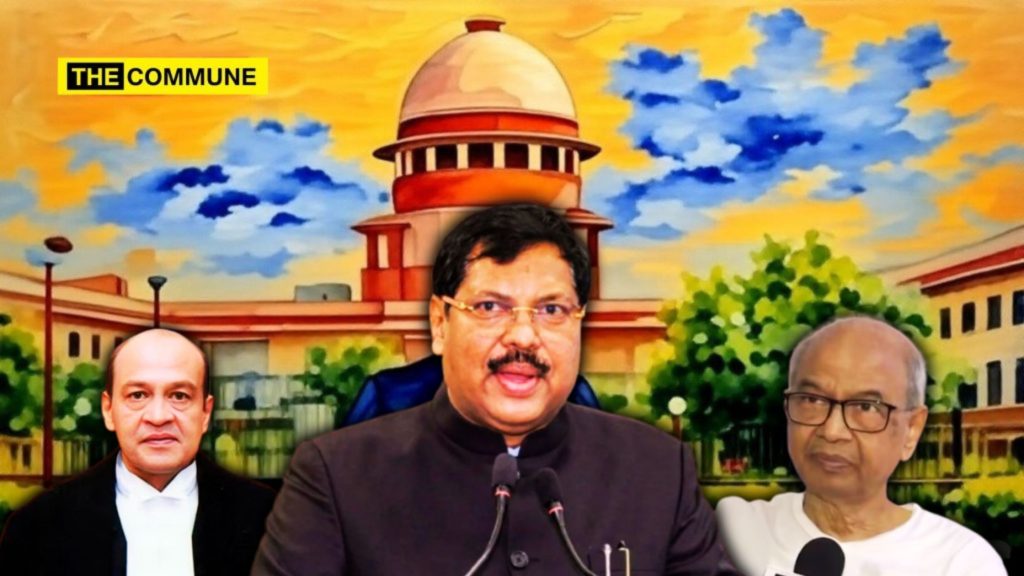
On 6 October 2025, within hours of a courtroom outburst, the Bar Council of India swung into action and suspended a 70-year-old lawyer, Rakesh Kishore, for trying to hurl his shoe at Chief Justice of India BR Gavai. The swiftness of the punishment was almost surgical – the order came the same day, the suspension immediate, the message unambiguous: no indiscipline against the institution will be tolerated.
Meanwhile, in another wing of the same judicial establishment, a serving High Court judge, Justice Yashwant Varma, continues to be called “Justice” even after stacks of cash were recovered from his official residence – money so voluminous that firefighters stumbled upon it during a blaze. An in-house committee of the Supreme Court found “sufficient substance” in the allegations, and 146 MPs have already signed an impeachment motion. Yet, months later, he remains on the rolls, with the process crawling through procedural thickets.
This is where the Indian judiciary’s moral compass looks painfully skewed.
When a lawyer throws a shoe – a symbolic act of protest, foolish and condemnable though it is – the system reacts in hours. When a judge is found with unexplained piles of currency, the same system pleads for patience and procedure.
The Bar Council’s promptness is not the issue; maintaining courtroom decorum is necessary. But the selective velocity of accountability is. The man who flung a shoe is already punished; the man found sitting atop cash bundles still bears the prefix “Justice.”
What, then, does justice mean in this republic of double standards?
The judiciary often exhorts citizens to uphold constitutional morality, lectures politicians on transparency, and scolds activists for contempt. But when one of its own is accused of serious misconduct, not allegations of speech, but of corruption, the same moral fervour dissolves into bureaucratic ritual.
One cannot help noticing the symbolism: a poor man’s shoe travels faster through the corridors of power than a judge’s trunkful of currency or rather “sackful” of currency.
The shoe incident, bizarre as it was, was born of anger at perceived disrespect to faith, an act of emotion. The cash discovery, in contrast, reeks of premeditated deceit, an act of calculation. Yet the emotional act met instant censure; the calculated one still enjoys due honorifics and procedural courtesy.
No democratic institution can claim moral authority when its own house is in disarray. If the judiciary wants the public to respect its sanctity, it must show that justice is not a hierarchy that the robe and the brief are both answerable to the same ethical code.
Until then, one truth will linger uncomfortably in the public mind:
a shoe thrown at power invites suspension; a suitcase of cash invites procedure.
Subscribe to our channels on Telegram, WhatsApp, and Instagram and get the best stories of the day delivered to you personally.