


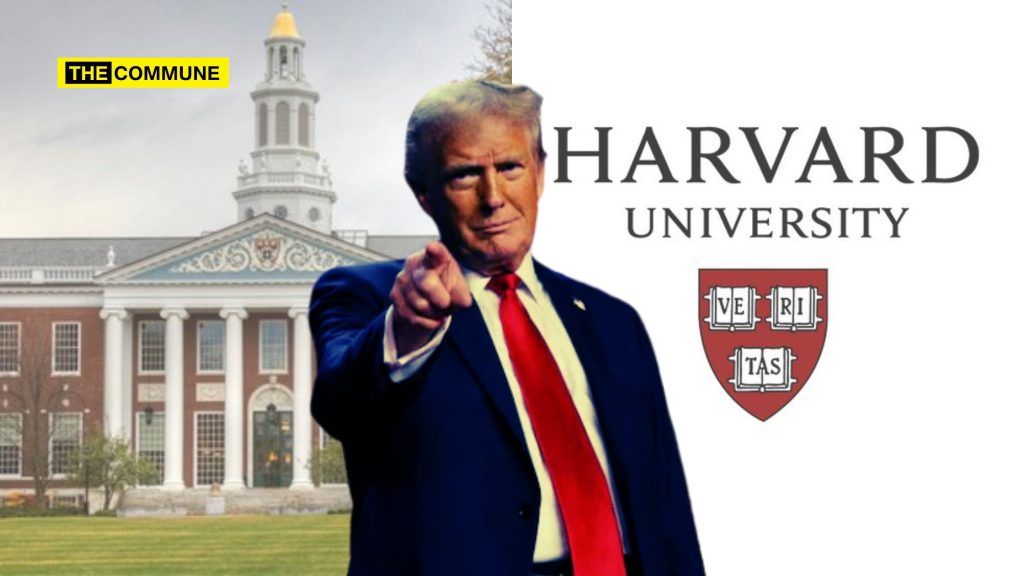
The Trump administration has announced a freeze on over $2.3 billion in federal funding to Harvard University, intensifying its standoff with elite academic institutions over issues ranging from campus protests to civil rights compliance and ideological governance.
The decision was reportedly revealed on Monday by a special task force under the Department of Education, created to combat antisemitism. According to officials, the funding suspension includes approximately $2.2 billion in grants and $60 million in multi-year contracts. They stated that the freeze was a response to Harvard’s alleged failure to comply with federal mandates aimed at addressing antisemitism and what the administration called “ideological capture” within the university.
A senior administration official claimed the move was part of a broader strategy to reshape the landscape of higher education by ensuring compliance with federal civil rights law and reining in perceived ideological bias. The official emphasized that government investment in higher education was not an entitlement, but a tool contingent upon adherence to constitutional and legal standards.
Key Demands Issued to Harvard
In a five-page letter sent to Harvard last week, federal authorities reportedly demanded sweeping reforms. The requirements included implementing merit-based admissions and hiring, banning face masks on campus, eliminating diversity, equity, and inclusion (DEI) programs, and denying recognition or funding to student groups accused of promoting criminal activity or harassment. The administration also called for full cooperation with federal immigration authorities and an external audit to investigate ideological bias in academic departments.
The administration justified the freeze by alleging that Harvard had failed to prevent antisemitic harassment and had resisted reforms necessary to uphold civil rights obligations.
Harvard Pushes Back
Harvard University President Alan Garber responded to the announcement by rejecting the demands. In a public statement, Garber asserted that the university would not relinquish its independence or constitutional rights. He described the federal government’s actions as politically motivated and accused the administration of seeking to regulate the intellectual climate of the institution.
Harvard’s legal team also reportedly submitted a letter arguing that the administration was overstepping its lawful authority and that the university would not comply with conditions that, in their view, compromise academic freedom.
Officials confirmed that the Harvard case was part of a broader effort to reassess federal funding to elite academic institutions. Universities such as Columbia, Princeton, and the University of Pennsylvania are reportedly under similar scrutiny. Columbia, according to sources, had accepted a list of federal demands to restore suspended funds, while others, including Brown and Princeton, have seen hundreds of millions in research grants withheld.
The task force behind the initiative reportedly includes around 20 officials from multiple federal agencies, operating under the Justice Department’s Civil Rights Division.
Campus Protests And Political Backdrop
President Trump has repeatedly cited pro-Palestinian protests on university campuses—particularly those concerning Israel’s actions in Gaza—as grounds for tougher action. The administration has accused several institutions of failing to protect Jewish students and allowing illegal demonstrations. Education Secretary Linda McMahon has publicly supported the administration’s tougher stance, which officials said aligns with a broader strategy to curb “woke” culture in education.
The funding freeze and associated demands have drawn criticism from civil liberties groups and academic organizations. The American Association of University Professors and other advocacy groups have filed lawsuits accusing the administration of violating Title VI of the Civil Rights Act. The lawsuits allege that the government is using civil rights law as a cover for politically motivated interventions.
One legal filing described the government’s actions as “an overt attempt to impose political views and suppress disfavored speech.” Faculty, alumni, and students at Harvard have also spoken out. Harvard alumna Anurima Bhargava said that the university had shown it would not yield to “bullying and authoritarian whims.”
Sources within the administration have reportedly indicated that more than 60 universities may face similar reviews. Officials are said to be considering targeting one major institution as a “test case” to send a clear message and shift the ideological balance in higher education.
(With inputs from Times of India)
Subscribe to our channels on Telegram, WhatsApp, and Instagram and get the best stories of the day delivered to you personally.