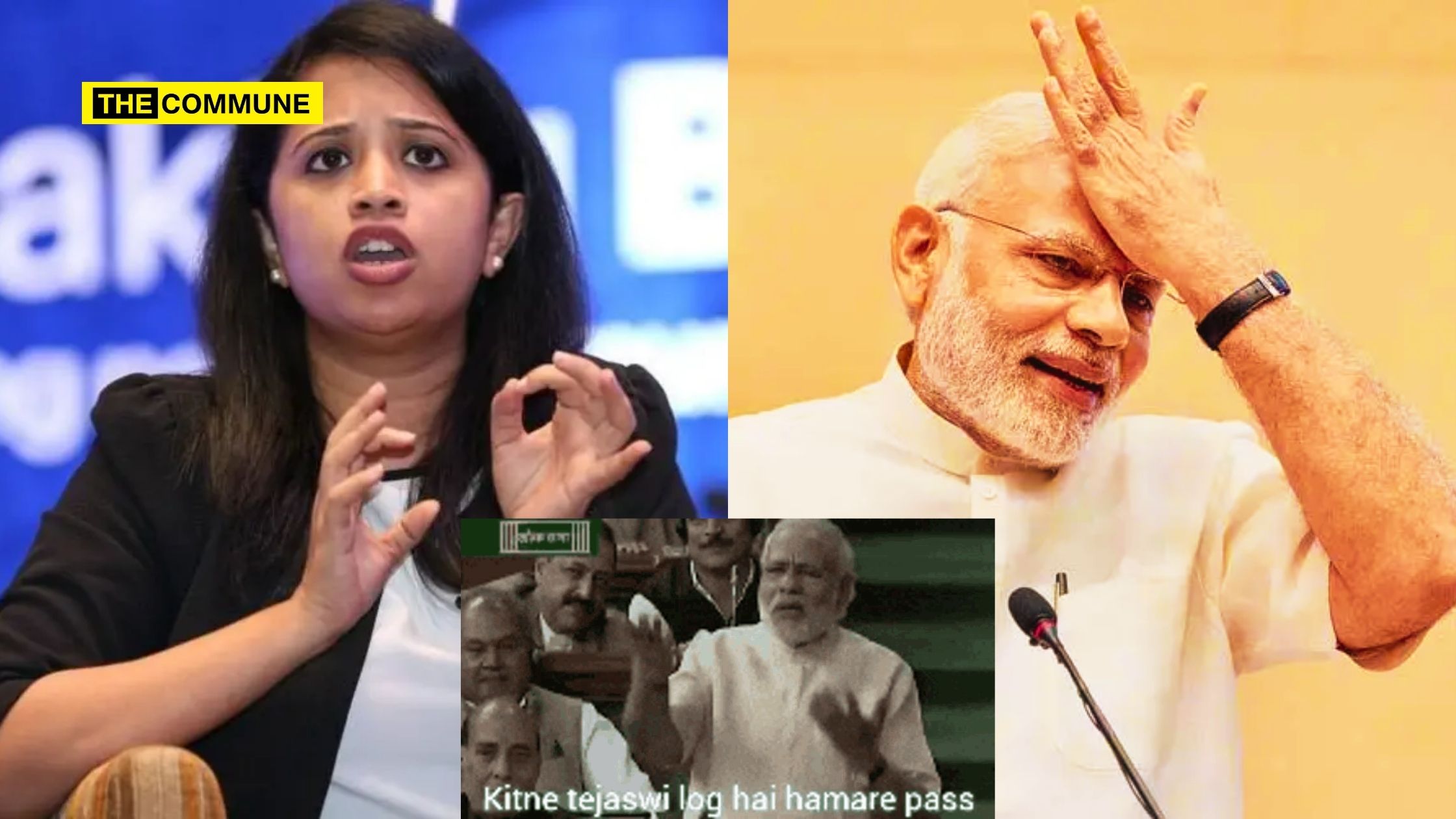
On 2 May 2025, The News Minute (TNM) published an article echoing global outrage over India’s position—151 out of 180 countries—in the 2025 World Press Freedom Index released by Reporters Without Borders (RSF). Under the stewardship of Editor-in-Chief Dhanya Rajendran, the article cited “media monopolies,” “political interference,” and “economic pressures” as indicators of press freedom in decline.
India ranks 151 in World Press Freedom Index, report raises alarm over media monopoly https://t.co/O18VTtbWh1 #
— Dhanya Rajendran (@dhanyarajendran) May 2, 2025
Reporters Without Borders (RWB) presents itself as an independent press watchdog, but its funding sources reveal ideological leanings, with 22% coming from private philanthropic organizations like George Soros’s Open Society Foundations and the Ford Foundation—both known for backing media projects with clear ideological slants—while only 11% comes from public donations. Its flagship Press Freedom Index relies on survey-based perception rather than objective data, which explains how India is ranked below countries where journalists are routinely bombed or gunned down. In fact, RWB consistently places authoritarian regimes like Qatar (84), Congo (123), Rwanda (144), and Palestine (157) above India (159), despite their well-documented crackdowns on dissent, lack of editorial independence, and near-total media control.
But the irony couldn’t be starker: the very woman lamenting the alleged throttling of press freedom in India enjoys complete liberty to criticize, mock, and vilify the Narendra Modi-led government day after day—without facing even a whiff of censorship or retaliation.
A Free Hand To Slam The Centre
Dhanya Rajendran’s editorial line has been relentlessly hostile towards the BJP government at the Centre. Whether it’s mocking the Prime Minister’s speeches, questioning central policy decisions, or amplifying opposition narratives, TNM has never shied away from broadcasting its anti-Modi stance loud and clear.
And yet, TNM now invokes the World Press Freedom Index to portray India as a dystopia where journalism is under siege. If India were truly gagging journalists, would Dhanya Rajendran be operating so freely? Would her publication continue to function, funded and flourishing, without facing the bans, arrests, or silencing that are a daily reality for journalists in actual authoritarian states like China, Iran, or North Korea?
A Catalogue Of Hypocrisy
Let’s take a look at the hypocrisy of high priestess Dhanya Rajendran and her TNM.
Language Hypocrisy
When Home Minister Amit Shah introduced new legal codes with Hindi names like Bharatiya Nyaya Sanhita, Rajendran accused the Centre of “Hindi imposition.” Yet she never raised similar objections to colonial English names in laws that governed India for decades. Her outrage appears more political than principled.
Selective Censorship Complaints
When the Centre proposed empowering the PIB to flag fake news, TNM sounded the alarm bells about media censorship. But when the DMK government in Tamil Nadu funded a social media monitoring cell—a move eerily similar in spirit—Rajendran was silent.
Whitewashing DMK Dynastic Politics
In another glaring case of bias, TNM published a glowing piece legitimizing Udhayanidhi Stalin’s political rise, equating his film roles with the legacy of social justice icons—conveniently ignoring his own admission that he never wanted to be in politics.
One-Sided Hashtag Wars
TNM gave prominent coverage to anti-Modi hashtags like #GoBackModi, but ignored or minimized the #GoBackStalin trend during protests against the Tamil Nadu CM. If press freedom matters, it should cut both ways.
Sterlite Shutdown Spin
Even during the COVID-19 oxygen crisis, TNM pushed narratives favoring the DMK-backed anti-Sterlite protests, despite the urgent need for Sterlite’s oxygen production. Ideology trumped public health.
Flooding Blame Game
When Chennai flooded in 2021 due to poor urban planning, TNM deflected blame away from the DMK-led Corporation and instead focused on defunct weather radars. The ruling party was once again shielded from criticism.
The Arul Arumugam Silence
Rajendran’s TNM previously praised environmental activist Arul Arumugam. But when the DMK government jailed him under the draconian Goondas Act for protesting a SIPCOT project, TNM conveniently forgot about this point and highlighted everything else to bring bad name to PM Modi. His activism didn’t fit the narrative anymore.
The NewsClick Whitewash
When Delhi Police raided journalists linked to NewsClick—a platform under serious scrutiny for alleged Chinese funding—TNM covered the incident as a straightforward “press crackdown.” It completely downplayed the foreign interference angle, focusing instead on the emotional distress of figures like Abhisar Sharma. Would TNM be as sympathetic if the raids were on right-leaning outlets funded by Russia or the US? Unlikely.
Is the crackdown on leftist portals the reason why The News Minute feels “threatened” in PM Modi’s India? No prizes for guessing!
Friendly With Power, But Only In Tamil Nadu
In one revealing moment, TNM journalist Shabbir Ahmed criticized the DMK’s cyclone relief failures. The backlash was so severe that Dhanya Rajendran publicly thanked DMK IT wing chief TRB Rajaa for helping manage the social media fallout. It’s not every day a journalist thanks the ruling party’s digital team for damage control.
This cozy relationship, combined with TNM’s consistent silence on state-level abuses, paints a picture of selective journalism masquerading as independent reporting.
A Freedom They Use, A Fairness They Deny
Dhanya Rajendran and TNM enjoy extraordinary press freedom in India. The fact that they can publish searing criticisms of the central government daily—and even receive awards and funding while doing so—proves the very point they seek to deny.
What India faces is not a crisis of press freedom, but a crisis of ideological honesty. It’s not that journalists like Rajendran can’t speak. It’s that they selectively choose when to speak—and when to stay silent.
They are not victims of repression. They are beneficiaries of it—when it comes from regimes they support.
And that’s the real press freedom story no one wants to report.
Subscribe to our channels on Telegram, WhatsApp, and Instagram and get the best stories of the day delivered to you personally.