


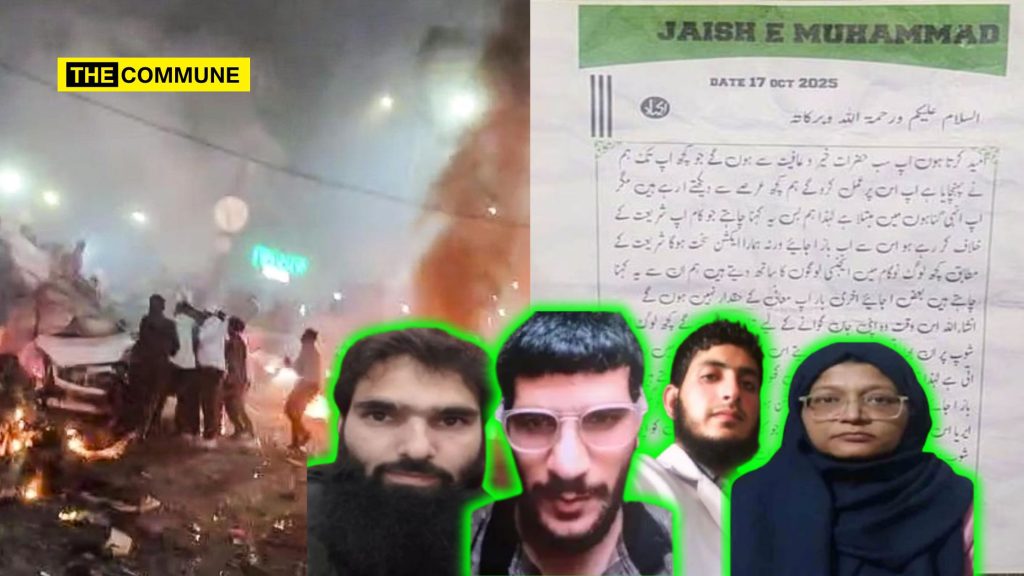
It began with something that rarely prompts a second look in Kashmir: a poster pasted on a wall in a quiet corner of Srinagar. It carried a warning issued in the name of Jaish-e-Mohammed. Most residents walked past it. The message was not unusual, and the paper looked like the countless notices that appear and disappear across the Valley.
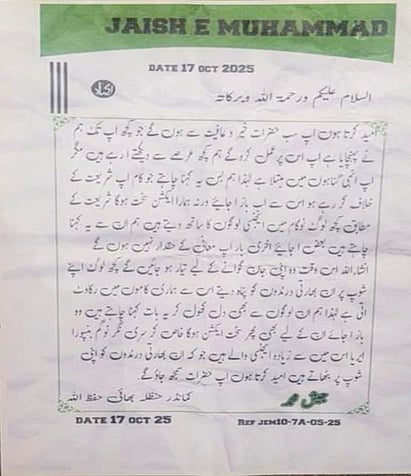

But for Dr Chakravarthy, the Senior Superintendent of Police (SSP) of Srinagar, it was a red flag that demanded immediate and thorough investigation.
It appeared after midnight, the paper quality was better than usual, and the way it was fixed to the wall suggested preparation rather than haste. It was enough to raise curiosity, and that curiosity soon turned into a formal inquiry.
A CCTV Trail and an Unexpected Suspect
Cameras close to the spot captured a young man putting up the poster and walking away. He did not try to hide his face. He did not hurry. The absence of anxiety stood out more than anything else.
When the police eventually identified him, the finding cut through every stereotype about radicalisation. The man was not a dropout or an unemployed youth. He was Dr Adeel Ahmad Rather, a medical practitioner from Anantnag.

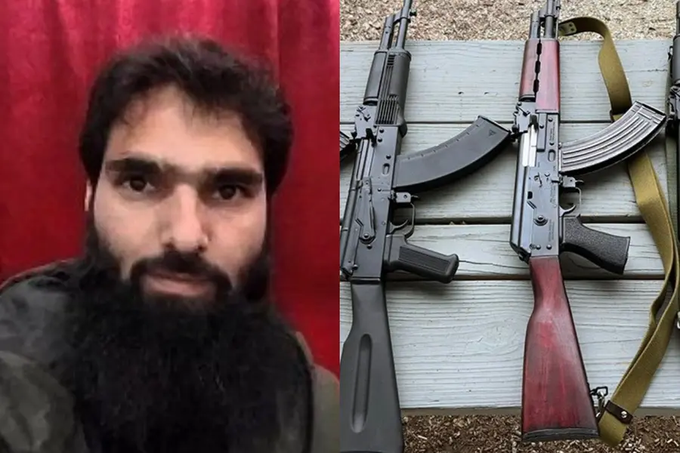
The discovery changed the direction of the investigation instantly. Officers realised that the poster may not have been a one-off act, but part of a communication method used by organised cells: small signals meant for those who know how to read them.
The Digital Layer: Where the Real Trail Began
Instead of extensive questioning, investigators opened Adeel’s devices. Deleted messages, fragments of conversations that survived in cache memory, travel details, and contact names disguised under ordinary labels offered a different map of his life.
There were unexplained trips to Saharanpur in Uttar Pradesh, stays at lodges with no documentation, encrypted communication, and periods of sudden digital silence. These gaps and coincidences linked him to places where he had no personal or professional reason to visit.
The pattern pointed outside Kashmir.
A Route Leading Into NCR
Digital triangulation repeatedly brought investigators to one location: a cluster of homes in Dhauj, Faridabad. Nothing about the neighbourhood suggested covert activity. It was the sort of place where families lived quietly, and businesses ran without fuss.
A team was sent for verification. They moved at dawn, when the chances of alerting suspects were lowest.
Inside one of the homes they entered, the officers found a stockpile that is rarely seen outside theatres of conflict: hundreds of kilos of ammonium nitrate, crude triggering devices, batteries, wiring, containers, and two firearms, including an assault rifle.
For investigators, the scale of the material was not just alarming—it was clarifying. It meant that the group was preparing for something far larger than a symbolic strike.
Professionals at the Centre of the Plot
The Faridabad property was occupied by two more medical professionals linked to academic institutions. The discovery indicated that the module had been built around individuals who blended seamlessly into urban life. Their qualifications, travel patterns, and social standing allowed them to operate without drawing suspicion.
With these arrests, a picture began to form: a network extending from Kashmir to Uttar Pradesh to Haryana to Delhi, with evidence suggesting communication with handlers outside India.
Reconnaissance and Planning Material
Recovered digital files showed images of crowded markets, public-transit pinch points, and footfall patterns at Delhi Metro stations. Timelines, routes, and observations on security behaviour suggested that the suspects had conducted systematic reconnaissance.
This was not casual radicalism. It was structured preparation.
The Red Fort Blast and a Broken Chain
On 10 November 2025, an explosion near the Red Fort Metro Station in Delhi killed 13 people. Investigators believe the blast was accidental, possibly caused when a member of the module panicked after sensing that the Faridabad cell was exposed. The premature detonation, tragic as it was, may have prevented something far worse.
By then, large quantities of explosive material had already been seized. Multiple safe houses had been uncovered. The network’s movements had been disrupted.
The public saw the blast. What they did not see were the many blasts that were never allowed to occur.
A Case Built on a Small Detail
The operation that followed was not built on a dramatic tip-off or a single confession. It was built on noticing something that looked slightly out of place, and then refusing to brush it aside. Each piece of information that came afterward – CCTV footage, digital footprints, suspicious travel, unusual purchases made sense only because someone paid attention to the first clue.
What was ultimately prevented may never be fully known. But the evidence suggests that a sequence of coordinated attacks was being prepared, and that the seizure of explosive material in Faridabad alone prevented mass casualties.
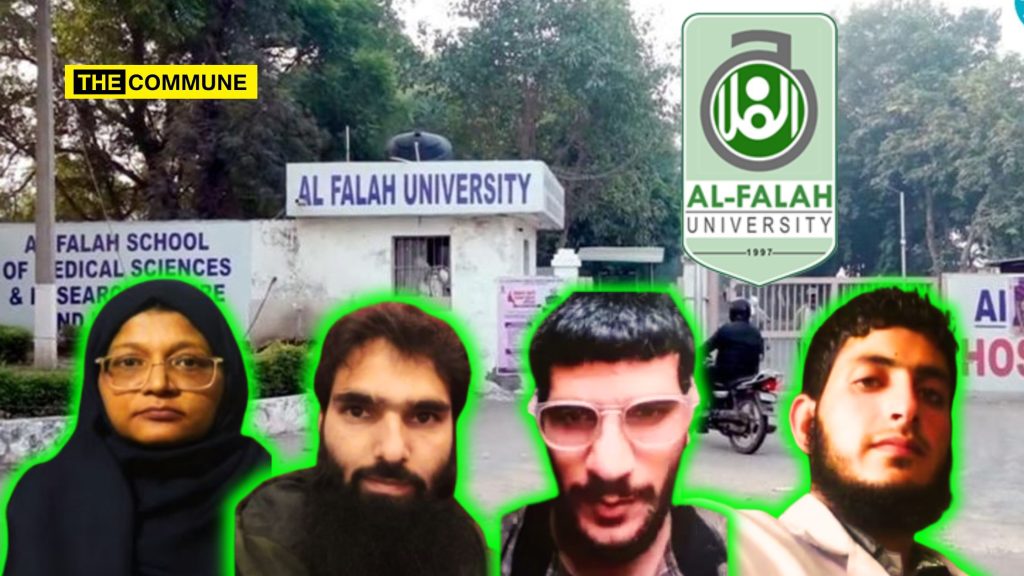
The arrests spanned five states. The suspects included doctors working at the Al-Falah university, an imam, and individuals linked to foreign handlers. The investigation combined old-fashioned instinct with modern forensic work and moved quietly until the network was dismantled.
The Attack That Didn’t Happen
Counter-terrorism successes rarely become visible. The victories lie in tragedies avoided, plans that never reach execution, networks that never surface, bombs that never explode.
This case began with a single poster on a wall in Srinagar. It ended with the unraveling of a network that had crossed state borders and professional boundaries, and with the prevention of an attack whose scale is difficult to imagine.
Sometimes the most important work in policing starts with something almost too small to notice, except to those who are trained to look twice.
(This article is based on an X thread by Saikiran Kannan)
Subscribe to our channels on WhatsApp, Telegram, Instagram and YouTube to get the best stories of the day delivered to you personally.