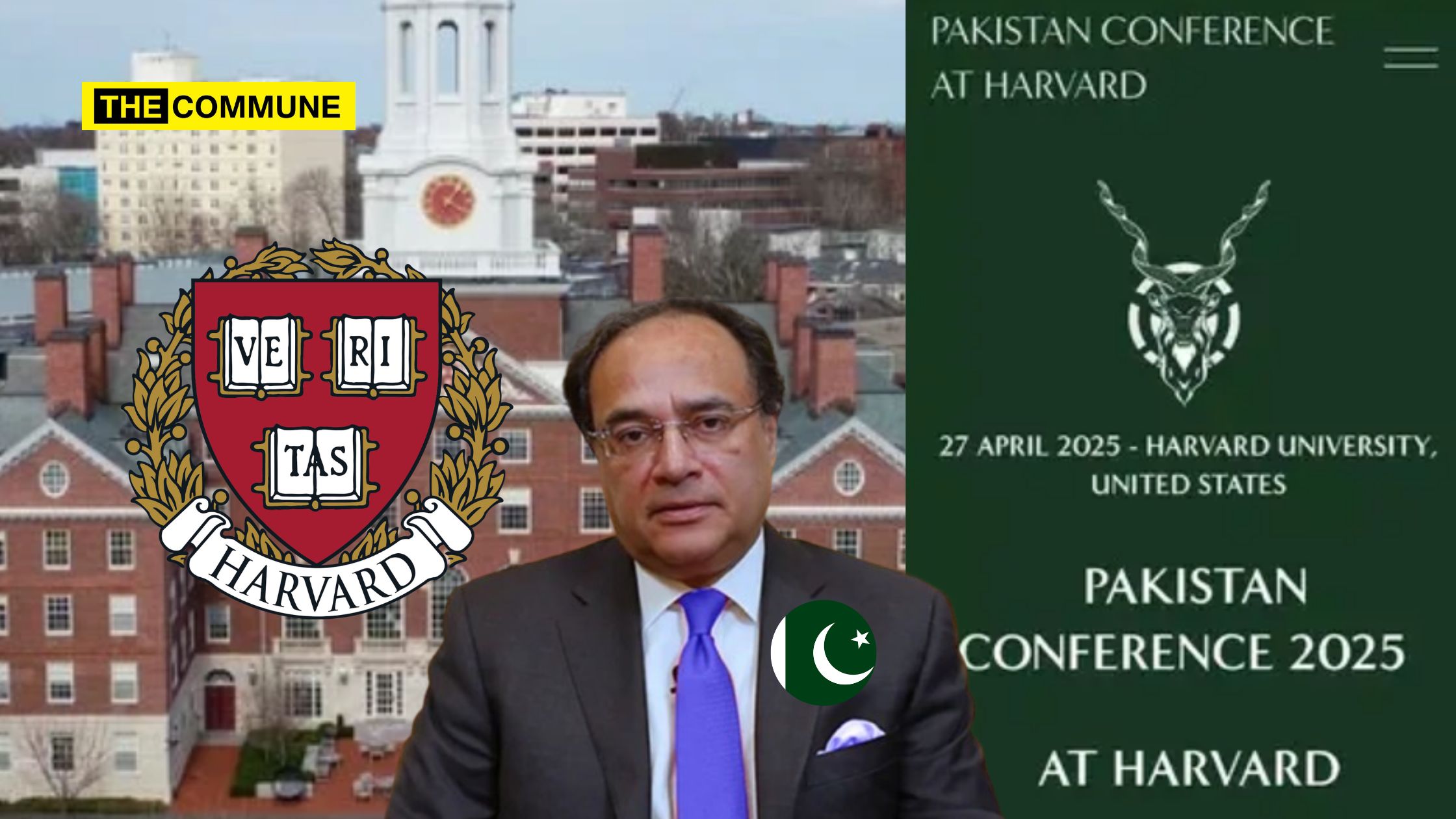
Following the recent terror attack in Pahalgam, Jammu and Kashmir, Indian students at the Harvard Kennedy School have expressed strong opposition to the upcoming visit of Pakistani delegates to the university. In a formal letter addressed to U.S. Secretary of State Marco Rubio, the students requested the revocation of visas issued to Pakistani officials expected to attend the Pakistan Conference 2025 at Harvard University.
“We, students at Harvard Kennedy School and members of the Harvard community, write with deep grief and urgency following the targeted terrorist attacks in Pahalgam, India on April 22, 2025. These brutal assaults, carried out by terrorists linked to the banned Lashkar-e-Taiba (LeT), deliberately sought out Hindu tourists, verified their religion, and executed them. Several survivors have shared harrowing accounts of being questioned about their faith, and those unable to recite specific Islamic verses were killed. These acts of violence were not indiscriminate-they were calculated attacks based solely on religious identity,” the letter read.
The students also condemned Pakistan’s response to the incident, pointing out that while a formal condolence was issued by Pakistan’s Foreign Ministry, several Pakistani leaders made provocative remarks and reaffirmed support for militant groups operating in Kashmir.
“What concerns us further,” the letter continued, “We are alarmed to learn that Pakistani delegates including Minister of Finance Muhammad Aurangzeb and other high-ranking figures are expected to participate in the upcoming Pakistan Conference 2025 at Harvard. Welcoming representatives of a government that not only denies accountability for but also ideologically supports such religion-based terrorism, risks Harvard being complicit in legitimizing those who enable or justify these crimes.”
The students urged Senator Rubio to recommend that the U.S. State Department cancel the visas of these officials, citing national security concerns and ethical responsibility.
In a separate letter addressed to Harvard’s administration, the students appealed for institutional recognition and support, stating, “Harvard has always stood for equity, global justice, and human dignity. In recent years, the university has taken meaningful stances in support of communities affected by racism, antisemitism, Islamophobia, and other forms of hatred. We now ask for the same clarity, courage, and compassion for Hindu and Indian students grieving the targeted killing of members of their faith. We request you to take a stance against Hinduphobia.”
The letters have sparked broader discussions around university policies, religious discrimination, and the role of global academic institutions in addressing geopolitical conflicts.
Excerpts of the full letter read as follows: “We, students at Harvard Kennedy School and members of the Harvard community, write with deep grief and urgency following the targeted terrorist attacks in Pahalgam, India on April 22, 2025. These brutal assaults, carried out by terrorists linked to the banned Lashkar-e-Taiba (LeT), deliberately sought out Hindu tourists, verified their religion, and executed them. Several survivors have shared harrowing accounts of being questioned about their faith, and those unable to recite specific Islamic verses were killed. These acts of violence were not indiscriminate-they were calculated attacks based solely on religious identity.
What compounds this horror is the response from Pakistani officials. While formally denying involvement, Pakistan’s ministers and lawmakers have simultaneously issued aggressive warnings to India and reaffirmed their support for insurgent activity in Kashmir. Notably, Pakistan’s Senate passed a resolution denying responsibility for the attack while reaffirming its “unwavering commitment” to what it calls “freedom struggle”-language long used to justify terrorism. Deputy Prime Minister and Finance Minister Ishaq Dar has even issued threats of retaliation, should India take any “kinetic step” in response.
In this context, we are alarmed to learn that Pakistani delegates including Minister of Finance Muhammad Aurangzeb and other high-ranking figures are expected to participate in the upcoming Pakistan Conference 2025 at Harvard. Welcoming representatives of a government that not only denies accountability for but also ideologically supports such religion-based terrorism, risks Harvard being complicit in legitimizing those who enable or justify these crimes
Harvard has always stood for equity, global justice, and human dignity. In recent years, the university has taken meaningful stances in support of communities affected by racism, antisemitism, Islamophobia, and other forms of hatred. We now ask for the same clarity, courage, and compassion for Hindu and Indian students grieving the targeted killing of members of their faith. We request you to take a stance against Hinduphobia.
We respectfully request that Harvard University:
- Issue a public statement condemning the Pahalgam terror attacks and affirming support for victims of religion-based violence.
- Review the participation of Pakistani officials at the Pakistan Conference 2025 in light of their government’s ideological and rhetorical support for groups like LeT.
- Provide emotional and institutional support to affected students through the Office for Equity, Diversity, Inclusion, and Belonging.
This is not about political posturing. It is about moral clarity. Harvard must ensure its campus does not become a platform for whitewashing state-enabled religious terrorism. We are grateful for your attention and are available to discuss this further at your convenience.”
#BREAKING: Indian students of Harvard University have demanded the University to issue a statement condemning the Pahalgam terror attack where Hindus were targeted by Islamist terrorists of Pakistan.
Students have made the following demands from the Harvard University:
1. Issue… pic.twitter.com/XJTrjyOIIv
— Aditya Raj Kaul (@AdityaRajKaul) April 29, 2025
Subscribe to our channels on Telegram, WhatsApp, and Instagram and get the best stories of the day delivered to you personally.