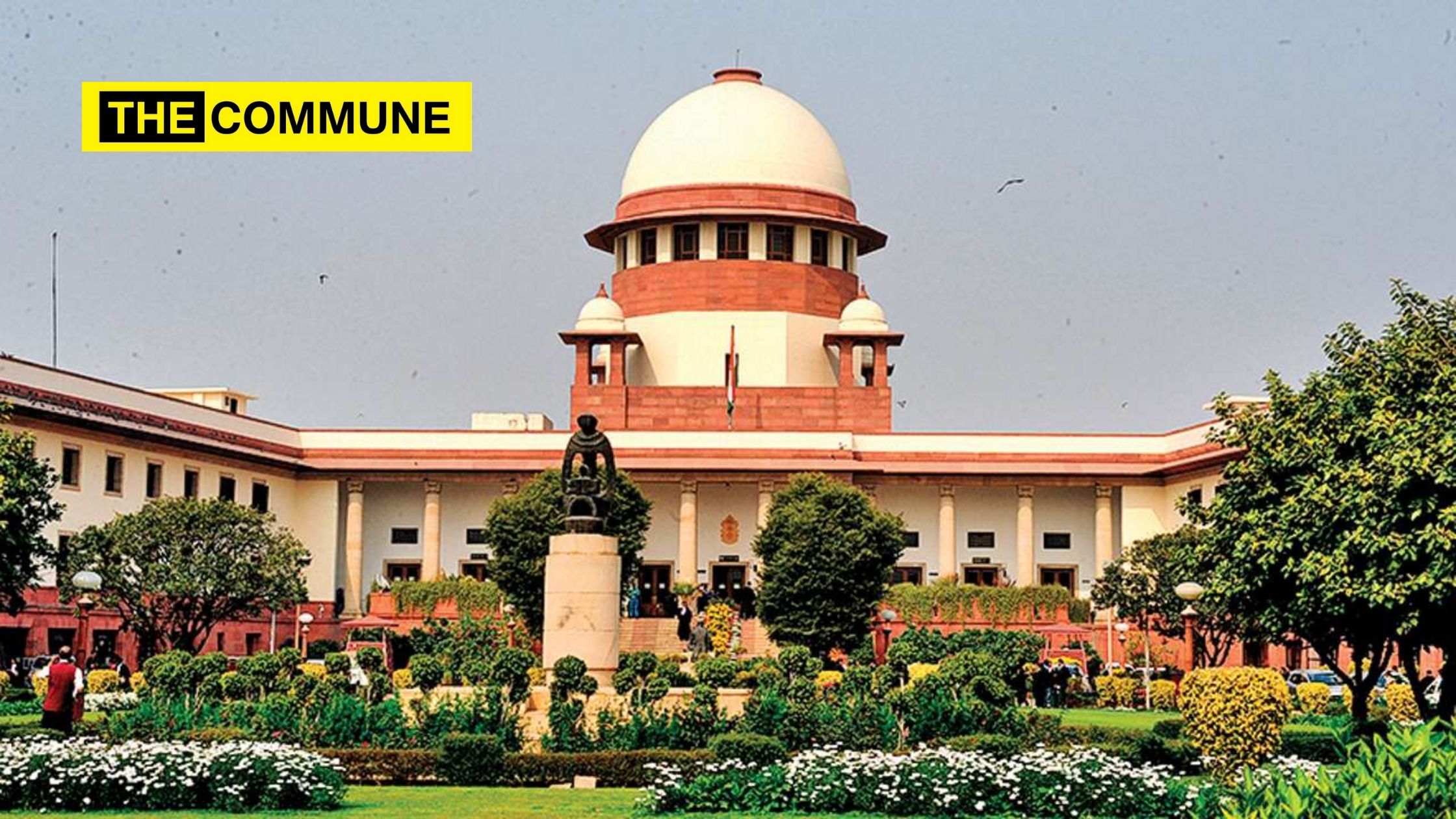
In a series of hearings on 25 August 2025, the Supreme Court of India delivered two seemingly divergent opinions on freedom of speech and expression, drawing attention to what critics are calling “judicial double standards” in its approach to high-profile cases.
Case 1 – SC Stays Action Against Psephologist Deleted Post
In the first case, a bench led by Chief Justice B.R. Gavai and Justice N.V. Anjaria stayed proceedings against psephologist and Lokniti-CSDS co-director Sanjay Kumar, who was facing multiple FIRs for a now-deleted tweet claiming a sharp decline in voter numbers during the Maharashtra assembly elections. Kumar had apologised, calling it an unintentional error caused by a data misreading. The court issued notice on his plea to quash the complaints.
Case 2 – SC Asks Govt To Form Guidelines To Regulate Social Media
In another case hearing, a different bench comprising Justices Surya Kant and Joymalya Bagchi took a starkly different stance. Hearing a case concerning comedians and influencers including Samay Raina over jokes deemed offensive to persons with disabilities, the court urged the Union government to develop strict guidelines to regulate social media content. It emphasized that commercial free speech must not “hurt the sentiments” of vulnerable groups, including women, children, seniors, and minorities.
The court observed that influencers who monetize their speech must be held accountable for content that threatens the dignity of communities. It directed the Centre to consult media bodies and propose regulations that balance free expression with social responsibility.
The comedians involved in the second case have since apologized and removed contentious content. The matter will be heard again in November 2025.
Double Standards?
Observers and critics have questioned the apparent inconsistency. In Kumar’s case, the court provided relief by staying FIRs around what was publicly framed as election-related misinformation. In the second, it pushed for stricter content regulation, warning that “insensitive” speech could undermine constitutional values.
Some critics have accused the court of judicial overreach, arguing that content regulation falls within the legislative domain.
Others, however, support the court’s attempt to address hate speech without stifling dissent.
Same day, same Court – Two completely opposite stands!
👉 Case 1: Milords stay action against CSDS’s Sanjay Kumar, whose erroneous post gave cover fire to @RahulGandhi’s Vote Chori toolkit. A post that had the potential to create nationwide chaos, brushed aside as a “mistake.”… pic.twitter.com/MctEZx5iz9
— Media Expose (@MediaExpose_) August 26, 2025
Subscribe to our channels on Telegram, WhatsApp, and Instagram and get the best stories of the day delivered to you personally.