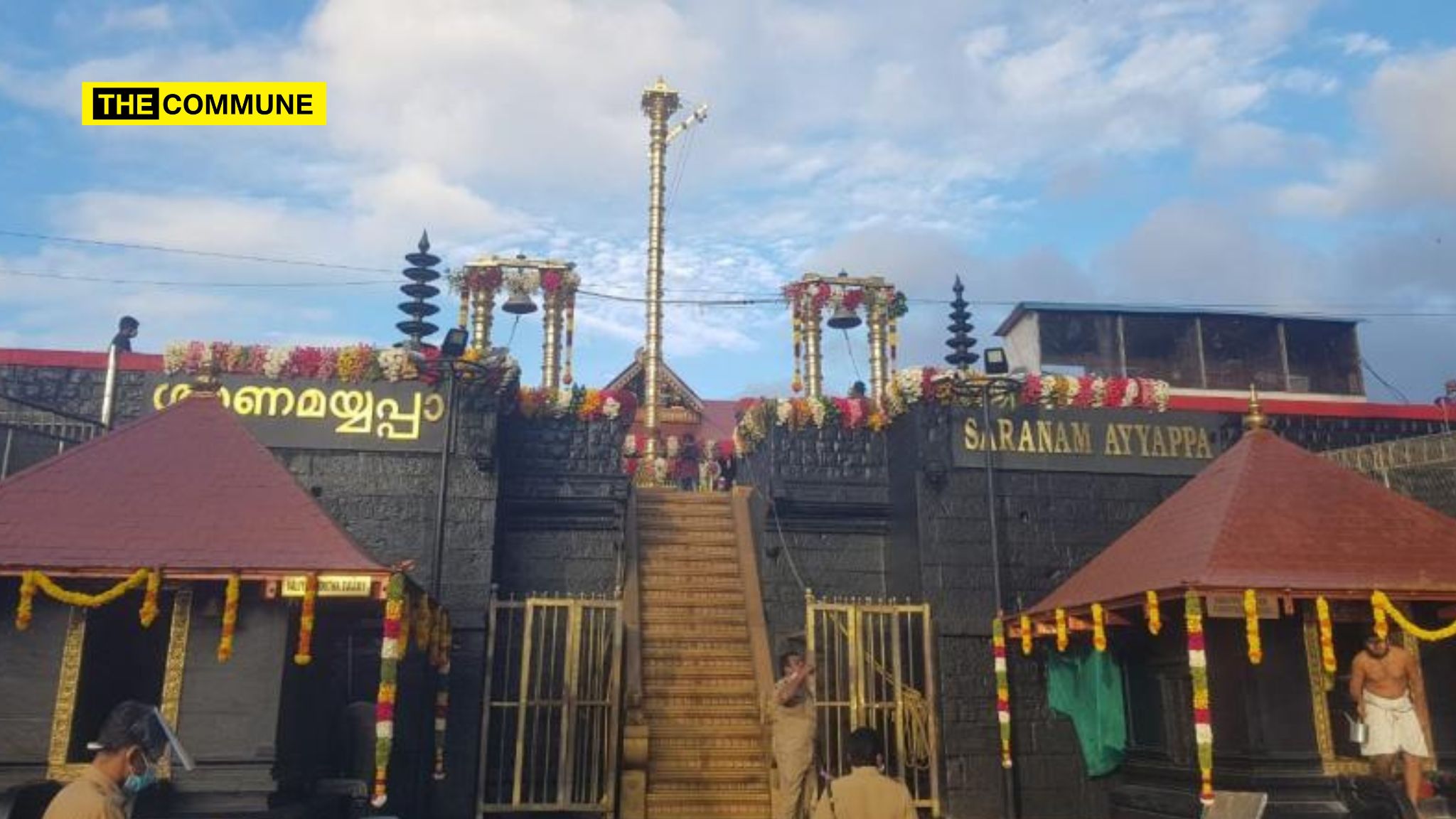
Fresh allegations have emerged in connection with the Sabarimala gold theft case, with reports suggesting that some daily-wage workers may have cheated pilgrims and amassed large sums of money during the last Mandala–Makaravilakku pilgrimage season.
According to reports, certain daily-wage workers are suspected of targeting pilgrims arriving in groups. Temporary staff identity cards were allegedly misused to gain the trust of devotees and approach them under the pretext of facilitating rituals and temple services.
Investigators suspect that some workers offered quicker access to ghee abhishekam without standing in queues, charging devotees amounts of up to ₹500. Money was also allegedly collected from pilgrims on the promise of facilitating faster darshan.
In addition, devotees were reportedly pressured to deposit cash into the rice collection vessel tied to the irumudikettu. Collections were also allegedly made in the name of conducting ‘charadu pooja’.
Preliminary findings indicate that the suspected collections by the workers may total around ₹50 lakh. It is alleged that funds were transferred to relatives through the post office and two banks located in Sannidhanam during the Mandala–Makaravilakku season.
Multiple remittances, often up to ₹6,000 at a time, were reportedly sent on different days between 17 November and 31 December 2025.
The alleged cheating came to light after confidential information reached Sabarimala Executive Officer O.G. Biju. A vigilance inquiry by the Devaswom Board followed, and the findings were submitted to the Kerala High Court by Sabarimala Special Commissioner R. Jayakrishnan.
Reports suggest that around 50 individuals may have collected at least ₹1 lakh each, pushing the suspected total close to ₹50 lakh.
Postal department staff are said to have alerted temple authorities after noticing currency notes smeared with turmeric, sacred ash, and vermilion being sent through money orders.
Approximately ₹14.08 lakh was allegedly transferred through money orders from the Sannidhanam post office alone. Authorities suspect that some daily-wage workers were responsible for sending these remittances.
Officials believe the total amount involved could rise further once complete bank transaction details are examined. Information relating to individuals who sent amounts exceeding ₹25,000 has already been submitted before the Kerala High Court.
Among those identified in transaction records are:
- R. Pradeep, Adoor – ₹1,38,000
- Bijukumar, Vithura – ₹1,07,45
- R. Ajimon, Kollam – ₹47,400
- Arun Krishnan, Kollam – ₹27,910
Statements from the individuals linked to the transactions are expected to be recorded as part of the ongoing probe.
Devaswom vigilance officials also suspect that similar practices may have taken place during earlier pilgrimage seasons. Some of the individuals identified in the present inquiry were reportedly engaged in temple-related work during monthly pooja periods as well.
Investigations into the alleged cheating and financial irregularities are continuing.
Source: Mathrubhumi English
Subscribe to our channels on Telegram, WhatsApp, and Instagram and get the best stories of the day delivered to you personally.