There is no doubt that Tamils played a crucial and courageous role in India’s freedom struggle sacrificing their lives, wealth, and spirit for the country’s liberation. We remain deeply indebted to their contributions, which laid the foundation for the freedoms we enjoy today.
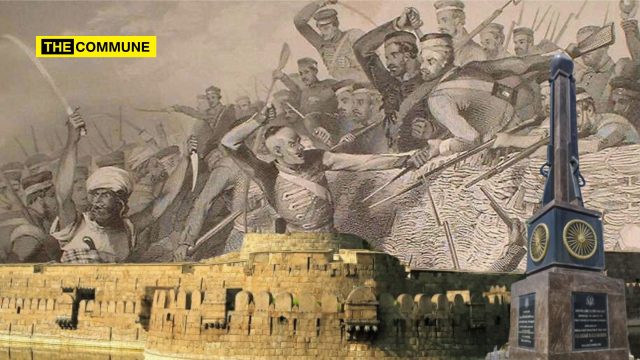
One of the earliest and most valiant uprisings against British colonial rule emerged from Tamil Nadu, ‘the Vellore Rebellion of 1806’. Regrettably, this historic event has often been diminished by Dravidianists and particularly Marxist historians, who termed it simply as a “sepoy mutiny” a term originally coined by the British to downplay its significance.
However, Indian nationalist thinkers like Vinayak Damodar Savarkar recognized the rebellion’s true importance, calling it a “prelude to the First War of Indian Independence.” Savarkar acknowledged the Vellore uprising as a vital, early example of resistance that came decades before the more widely known revolt of 1857.
What Triggered the Vellore Rebellion?
On 10 July 1806, the Indian sepoys at the Vellore Fort rose in armed rebellion against the British. But the seeds of this revolt were sown a year earlier in 1805, when General John Craddock introduced a controversial dress code for Indian soldiers. This code banned Hindu sepoys from wearing religious symbols such as vibhuti or thiruman, and ordered Muslim soldiers to shave their beards. In addition, sepoys were issued a new leather headdress—made from cattle hide, offending Hindu religious sentiments.
Many Indian soldiers perceived these changes as deliberate attempts at forced cultural assimilation or even religious conversion. Discontent quickly spread throughout the ranks. In May 1806, some soldiers who protested were flogged or dismissed, further aggravating tensions.
The Outbreak of Rebellion
By June, unrest had reached a boiling point. Plans were made to launch a mutiny. Although a sepoy named Muhammad Beg warned British officials of the plot, his claims were dismissed as drunken rambling. Fearing that the plan had been exposed, the sepoys advanced their attack date.
In the early hours of 10 July 1806, sepoys inside the Vellore Fort launched a surprise assault. They killed many British soldiers, including Colonel John Fancourt, and captured the fort by dawn.
However, British officer Major Coopes, who was stationed outside, raised the alarm. Reinforcements led by Major Robert Gillespie arrived from Arcot. Facing stiff resistance at the gates, Gillespie ordered the use of galloper guns to blast them open. Once inside, British troops brutally retaliated killing around 350 Indian soldiers. Many were executed publicly either shot, hanged, or blown away by cannons. Several wounded sepoys who attempted to flee were court-martialed and executed.
In the aftermath, the rebellious battalions were disbanded, and the controversial dress code was revoked. Madras Governor William Bentinck was recalled, indicating the deep shock the uprising had caused within the British administration.
A Legacy Worth Honoring
Though often overshadowed in mainstream historical narratives, the Vellore Rebellion of 1806 was a landmark in India’s struggle for independence. It marked the first organized, armed uprising by Indian soldiers against British colonial rule long before 1857. It remains a powerful symbol of early resistance and the indomitable spirit of Tamil fighters who rose in defense of their faith, dignity, and homeland.
Let us remember and honor their courage on this day, the anniversary of the Vellore Rebellion 10 July.
(This article is based on an X Thread by T S Krishnan)
Subscribe to our channels on Telegram, WhatsApp, and Instagram and get the best stories of the day delivered to you personally.