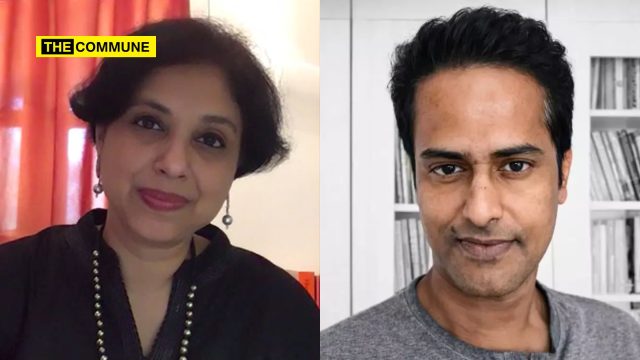
A Gujarat court’s conviction of self-styled “independent investigative journalist” Ravi Nair in a criminal defamation case has ignited a fresh political and media storm, not because of the judgment itself, but because of the narrative that quickly followed it.
A magistrate court in Mansa, Gandhinagar, convicted Nair and sentenced him to one year of imprisonment along with a monetary fine in a case filed by Adani Enterprises Ltd (AEL), the flagship firm of the Adani Group.
The case stemmed from a complaint alleging that Nair had published and circulated a series of tweets containing false and defamatory statements targeting the company and the broader conglomerate. AEL argued that the posts were not fair comment or legitimate criticism but were aimed at damaging the company’s reputation and eroding investor and public confidence.
After trial, the court held that the complainant had substantiated its allegations. It found Nair guilty of criminal defamation and awarded a one-year sentence along with a fine – a conviction rooted in evidentiary findings, not editorial disagreement.
Soon after the verdict, sections of the media ecosystem rallied to frame the conviction as an assault on press freedom.
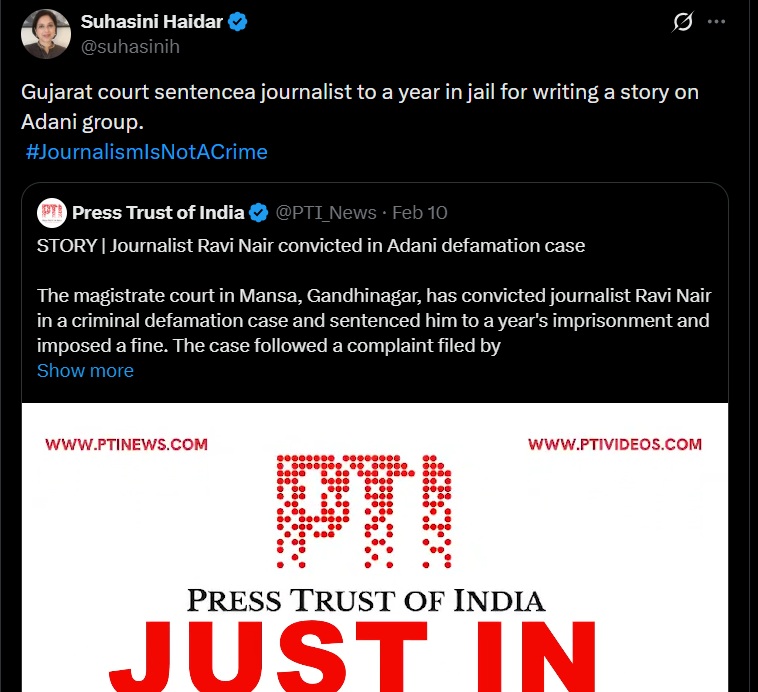
Among those leading the charge was senior journalist and Diplomatic Affairs Editor at The Hindu, Suhasini Haidar, who posted on X: “Gujarat court sentences a journalist to a year in jail for writing a story on Adani group.”
As with Dhanya Rajendran who emphatically flashed the victim card, the shield does not hold for Suhasini Haidar too.
Haidar wrote sixteen words in her post but not one of them is true.
Let’s translate that sentence from Haidar-ese to English: “A man who shares my ideological priors was convicted in a criminal defamation case after a court found his statements false and malicious. But if I say that, you won’t be outraged on my timeline. So instead, I’ll imply he was jailed for doing journalism.”
Apparently for people like Haidar and Rajendran, “journalism” means publishing proven falsehoods about a corporate entity, getting convicted in a court of law, and still expecting to be treated like a martyr. Here’s what Haidar won’t tell you:
The court didn’t sentence Nair because his article made Adani uncomfortable. It sentenced him because Adani Enterprises successfully proved in court that Nair’s statements were false and intended to cause reputational damage. Not “unsubstantiated.” Not “harsh.” False. Fabricated. Defamatory.
But in Haidar’s world, that detail is inconvenient. So it gets amputated.
She’s not defending press freedom. She’s defending a project. Ravi Nair wasn’t some crusading truth-teller taking on a corporate Goliath. He was a serial peddler of half-baked hit pieces whose byline has been the common denominator in every anti-Adani “exposé” that collapsed upon contact with reality. The Wire. NewsClick. The usual addresses for propaganda dressed up as investigation.
And now Haidar wants us to believe this man is a victim? Please.
Ravi Nair spent years throwing mud at the Adani Group, Prime Minister Modi, and anyone else who didn’t fit his ecosystem’s preferred narrative. His “investigations” were the written equivalent of a man shouting conspiracy theories at a traffic signal, except he had donors, a platform, and a willing media apparatus that never bothered to verify his “facts” because they were too useful.
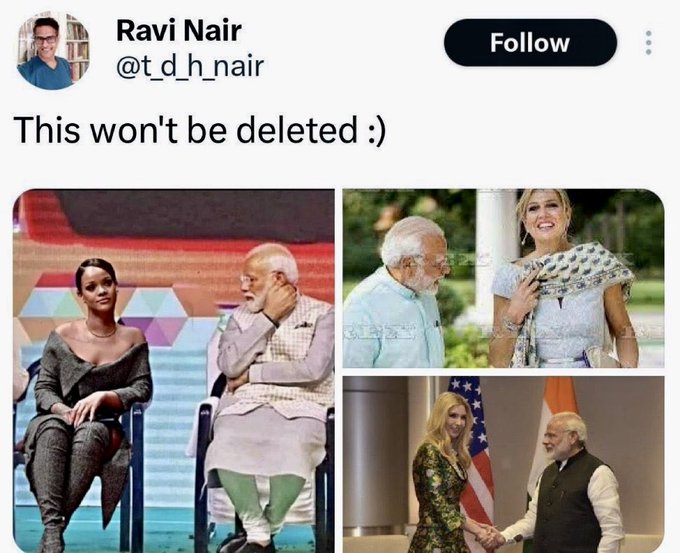
He wasn’t a journalist. He was a hitman with a keyboard. And the court didn’t convict him for journalism. It convicted him for the hits. He was also a two-bit troll. Here are some of his posts trolling PM Modi.
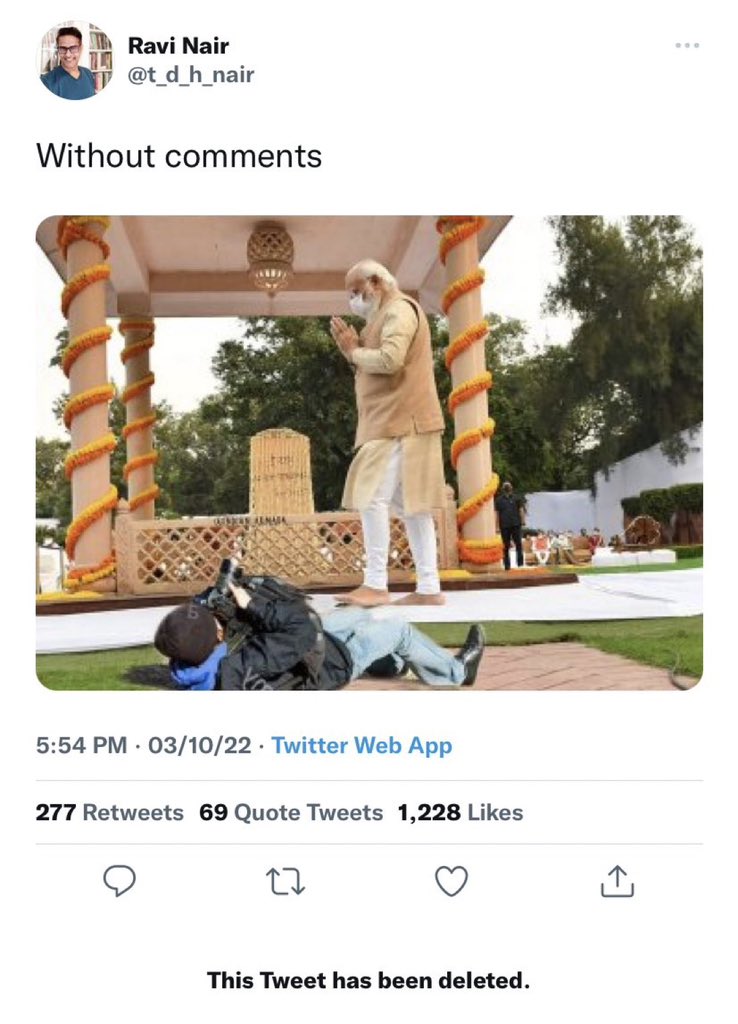
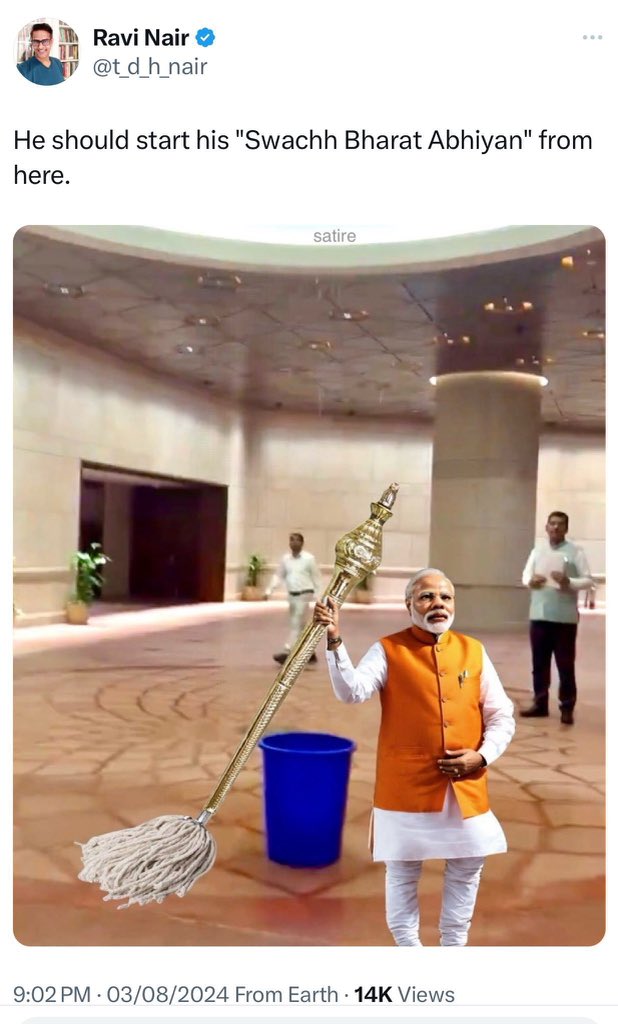
Yet here’s Haidar, editing reality in real time, hoping no one scrolls down to the court order. She’s betting that “journalist jailed” will do more work than “serial liar finally held accountable.” She’s probably right. Outrage travels faster than context.
If Suhasini Haidar actually believed what she’s selling, that any legal consequence for a journalist is automatically an assault on the fourth estate, she’d be defending every journalist. Not just the ones who do opposition research on behalf of certain powers’ favourite corporate targets.
She’s not defending journalism. She’s defending her tribe.
Haidar isn’t some green reporter who doesn’t understand defamation law. She’s the Diplomatic Affairs Editor of The Hindu. She’s been to more press freedom seminars than Ravi Nair has tweeted lies. She knows Article 19(1)(a) doesn’t exist in a vacuum. She knows 19(2) exists precisely to prevent speech from becoming a weapon.
But knowledge doesn’t matter when the assignment is narrative protection.
So she serves her followers the half-truth, lets them run with it, and retreats into silence when the context catches up. No correction. No clarification. Just the original lie, marinating in her timeline, doing its work.
Journalism is not a crime. But writing fiction just to defame someone is called supari.
Subscribe to our channels on Telegram, WhatsApp, and Instagram and get the best stories of the day delivered to you personally.