


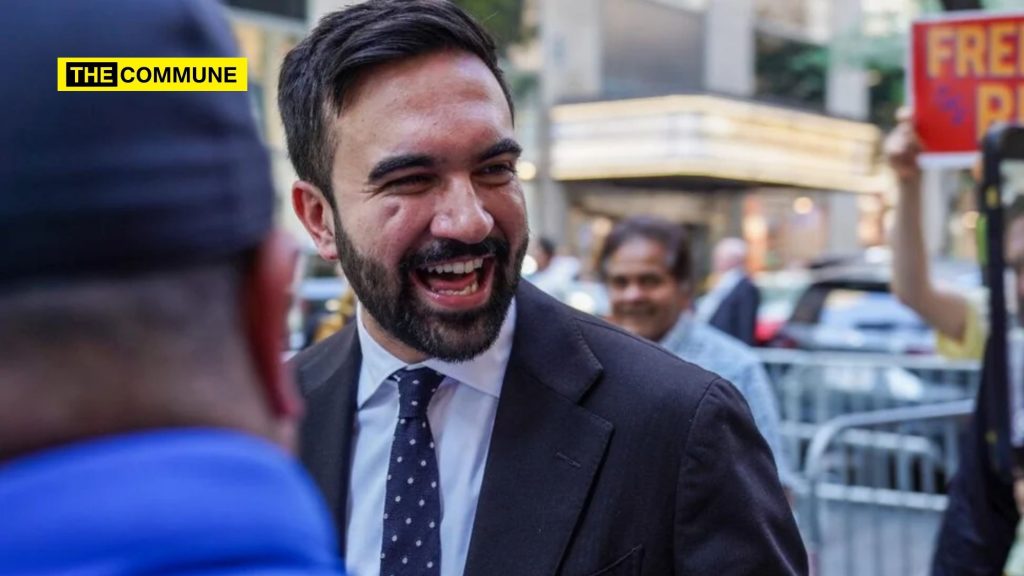
Radical Islamist who is now a New York State Assemblyman, Zohran Mamdani, secured his position with support from only a sliver of the city’s electorate. According to voting records, Mamdani received backing from less than 5% of eligible New York voters in the primary that catapulted him to prominence.
A report by Front Page Magazine says that less than 30% of Democrats voted in the party’s mayoral primary. Of those 43% supposedly voted for Mamdani. While over 6 million New Yorkers are eligible to vote and nearly 5 million are registered Democrats, just around 1 million participated in the relevant Democratic primary—an election that determined the future leadership in one of the most influential cities in the world. Within that already small turnout, Mamdani emerged victorious with the support of a narrow base.
Critics argue that such low voter engagement has allowed candidates with radical ideologies and niche support bases to gain disproportionate influence in city and state politics. Observers also point to a worrying trend where grassroots-sounding movements are increasingly powered by elite networks, ideological agendas, and global alliances—despite minimal public endorsement at the ballot box.
The figures highlight a growing disconnect between elected officials’ platforms and the wider electorate’s concerns, raising questions about how much democratic legitimacy can be claimed when turnout is so low—and when fewer than 1 in 20 New Yorkers voted for a candidate now shaping progressive discourse across the city.
Subscribe to our channels on Telegram, WhatsApp, and Instagram and get the best stories of the day delivered to you personally.