


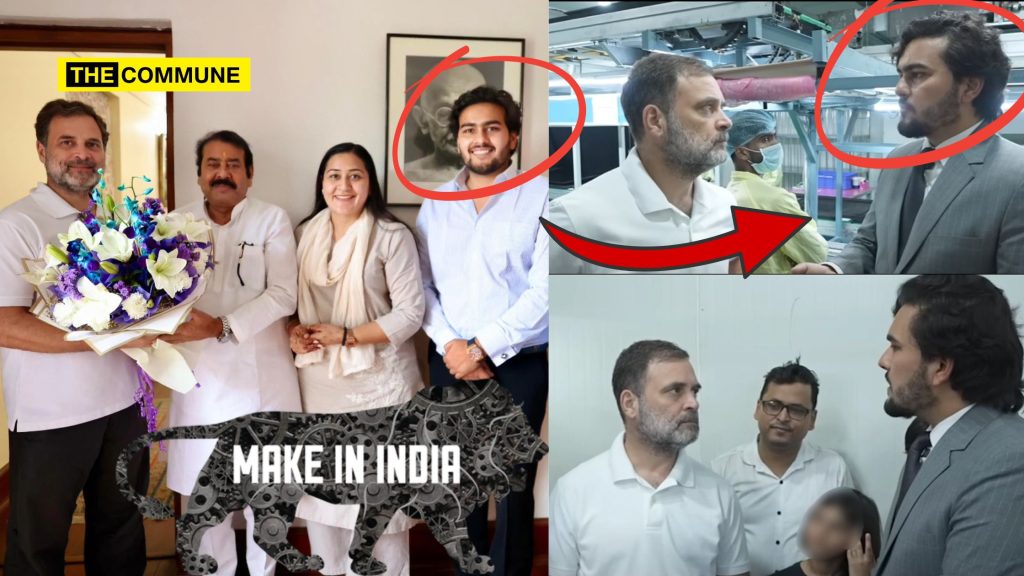
On 19 July 2025, Leader of Opposition Rahul Gandhi criticized the current state of manufacturing under the ‘Make in India’ initiative, arguing that India is primarily engaged in assembling products rather than truly manufacturing them. He emphasized the need for a fundamental shift at the grassroots level to transform India into a genuine manufacturing powerhouse.
In a post on X, he questioned the authenticity of the ‘Make in India’ campaign, stating, “Do you know that 80% of the components of most TVs made in India come from China? In the name of ‘Make in India,’ we are merely assembling – not truly manufacturing. From iPhones to TVs – the parts come from abroad, we just put them together. Small entrepreneurs want to manufacture, but there’s neither policy nor support. On the contrary, heavy taxes and the monopoly of select corporates – which have gripped the country’s industry. Until India becomes self-reliant in production, talks of jobs, growth, and “Make in India” will remain mere speeches. Ground-level change is needed so that India moves beyond the assembly line to become a true manufacturing power and can compete with China on equal footing.”
क्या आप जानते हैं कि भारत में बने ज़्यादातर TVs का 80% हिस्सा चीन से आता है?
‘मेक इन इंडिया’ के नाम पर हम सिर्फ असेंबली कर रहे हैं – असली मैन्युफैक्चरिंग नहीं। iPhone से लेकर TV तक – पुर्ज़े विदेश से आते हैं, हम बस जोड़ते हैं।
छोटे उद्यमी निर्माण करना चाहते हैं, लेकिन न नीति… pic.twitter.com/xNVXbRjuei
— Rahul Gandhi (@RahulGandhi) July 19, 2025
While Gandhi’s criticism sparked discussion, what really drew attention was a public relations stunt involving Congress’s 2024 Lok Sabha candidate Dolly Sharma’s brother, Manish Bhardwaj. In a widely circulated video, Manish controversially sought an unsecured loan of $2 to $3 billion from the government, raising eyebrows across the political spectrum.
In the viral video, Manish Bhardwaj says, “If the government is going to support, to benefit, and manufacture these important components in India, then we can do it immediately. We have the…” Rahul Gandhi interrupts and questions, “But why can’t you do?” In response Manish Bhardwaj replies, “I need a leverage amount of capital. I don’t have any unsecured capital. The banks cannot support me. Government is giving a CGTMSE scheme of ₹10 crore rupees to the startups. Tell me, the whole infrastructure and everything, nobody can start up this in ₹5 crore, ₹10 crore, ₹15 crore, ₹20 crore. How much money if I have to invest [in a] semiconductor factory? I need at least $2 billion, $3 billion. I can invest a certain amount, but rest of the money I need some support from [the] government.”
Rahul- Why doesn't Govt help you in Manufacturing?
He- I need $3 Billion unsecured loan from Govt to start Factory.
Even Rahul Gandhi was like- thoda kam nahi maang liya? pic.twitter.com/vG7OodFjhS
— Ankur Singh (@iAnkurSingh) July 19, 2025
Who Is Manish Bhardwaj?
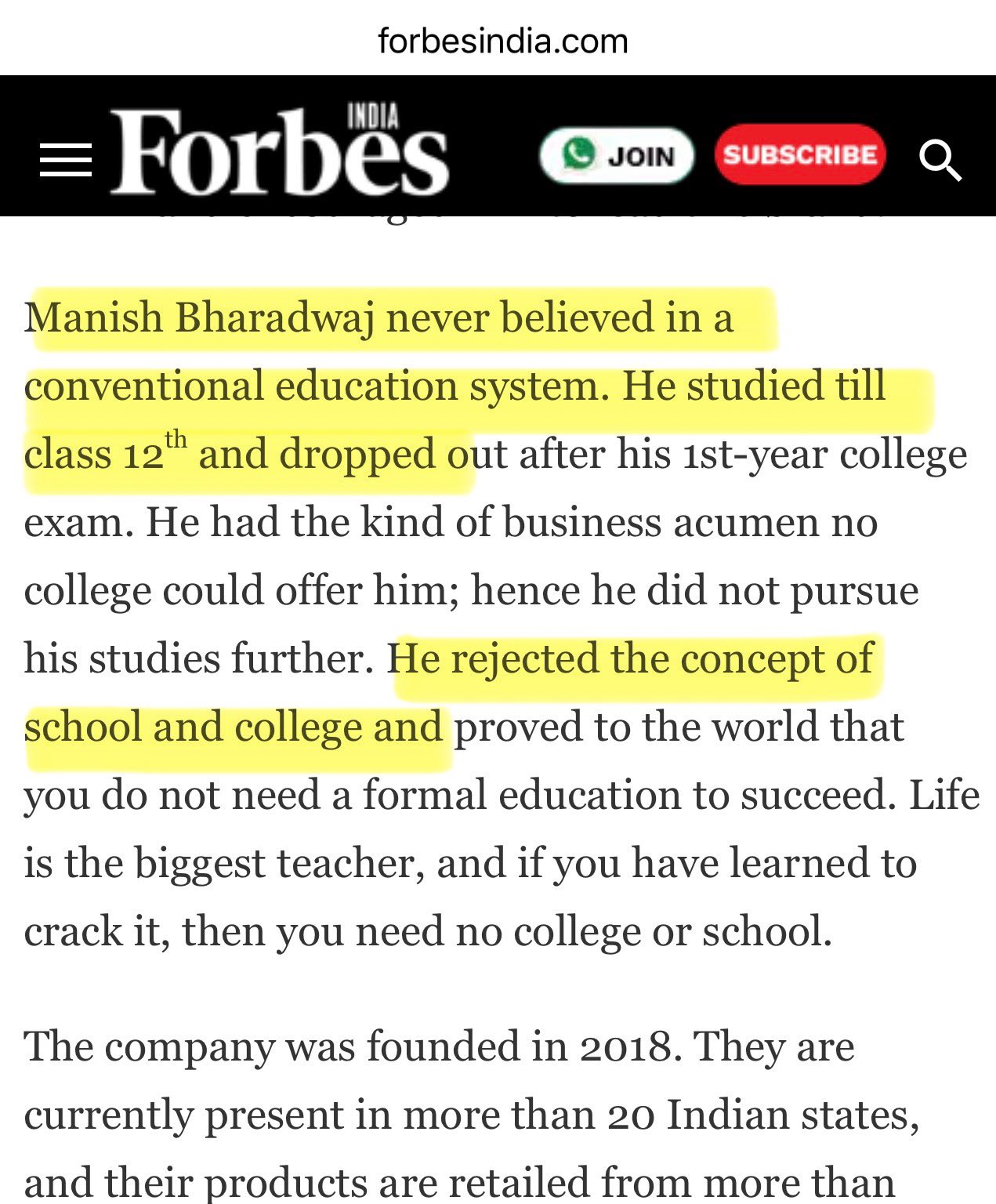
Manish, a polarizing figure in business and political circles, comes from a well-connected family. Despite public claims of holding an MBA from Amity University, an old, sponsored article in Forbes India suggests he disregarded formal education and dropped out after completing 12th grade, favoring a practical approach to business.
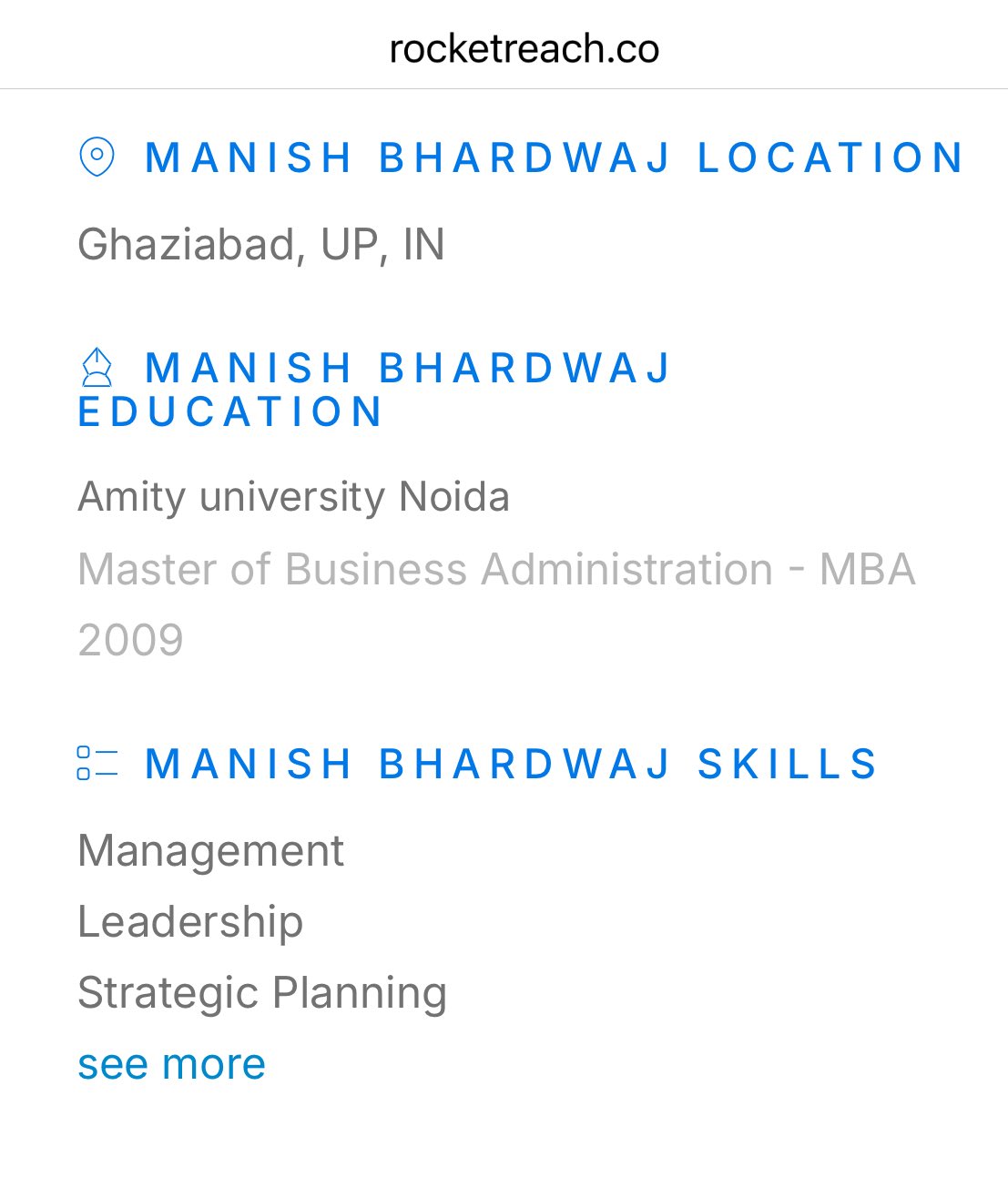


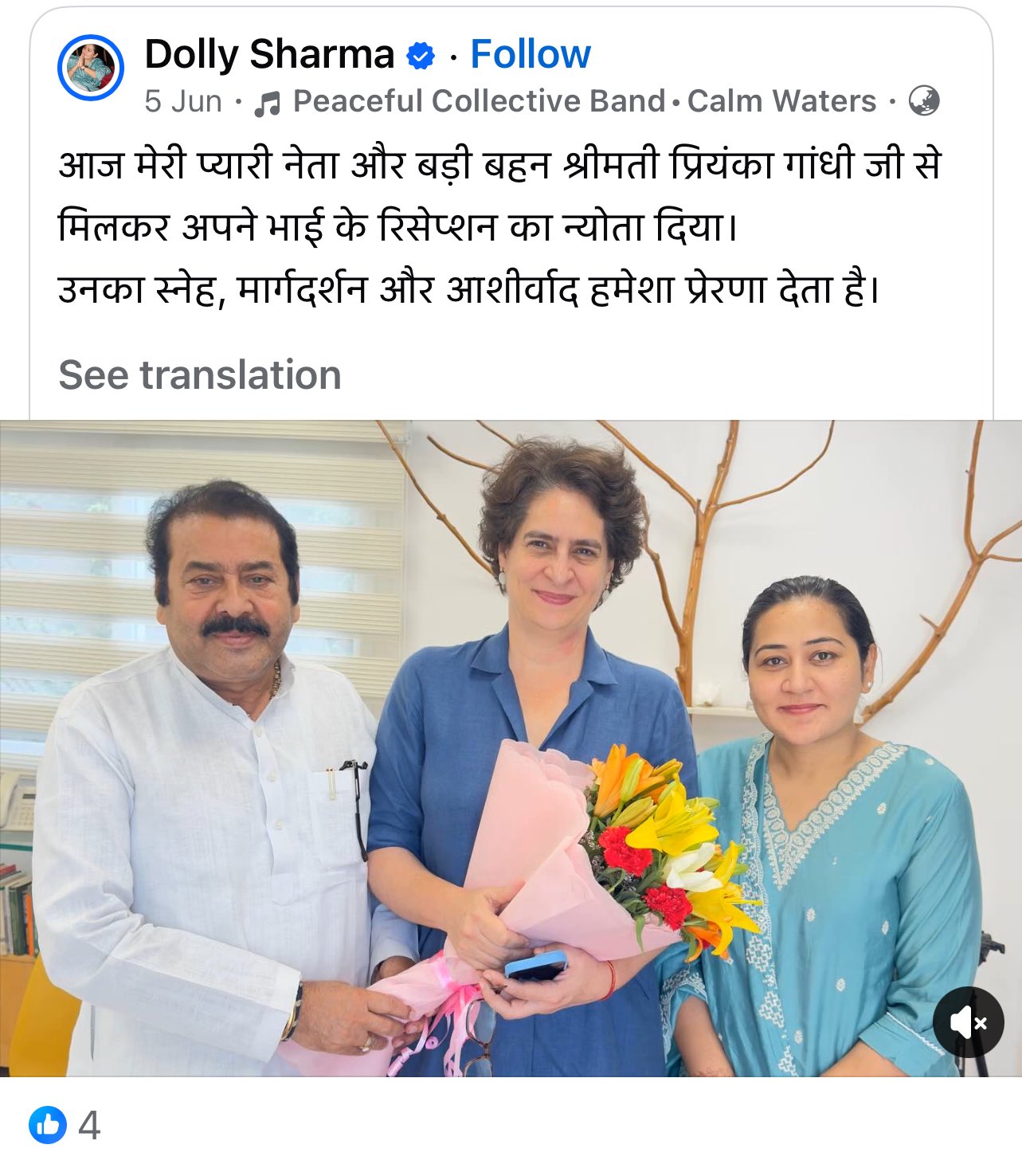
His father, Narendra Bhardwaj, is a long-time Congress loyalist and managing director of Foxsky, an electronics brand co-founded by Manish in 2018. The family maintains close ties with the Gandhi family, though this was notably absent from the PR video, which appeared to be aimed at criticizing government policy while downplaying their own privileges.
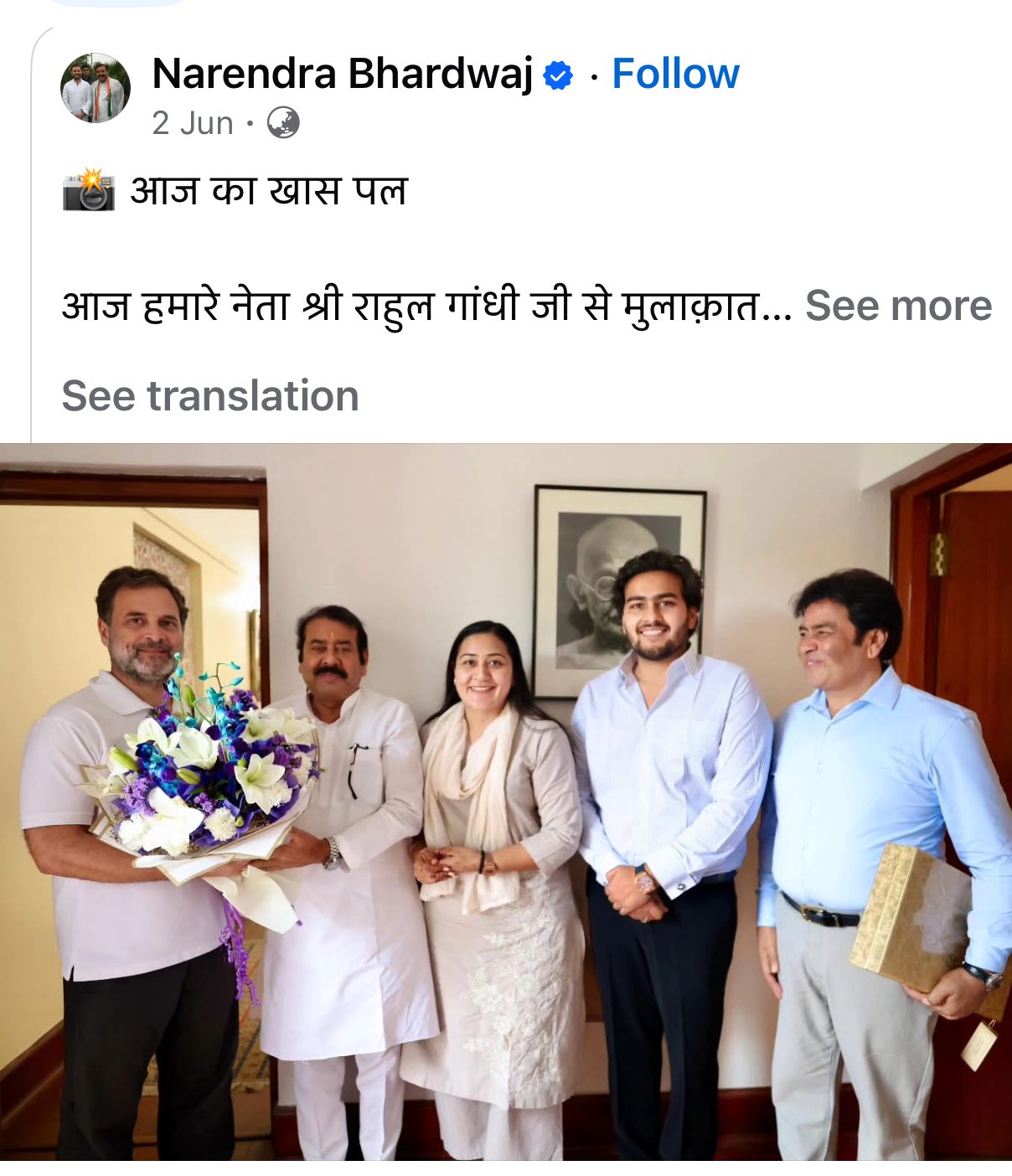


Ironically, Manish’s business thrived during the very environment shaped by initiatives like ‘Make in India’, ‘Digital India’, UPI expansion, and improved logistics infrastructure. His company, Foxsky, currently has over 1,000 retail points and has partnered with Amazon for e-commerce distribution. In the past, Manish endorsed local manufacturing and openly supported India’s assembly ecosystem including using Chinese components.
🚨 Another day, another PR disaster for Rahul Gandhi.
Rahul visited the Foxsky TV factory, run by a family member of a Congress leader, to make a propaganda video praising China and attacking the Modi govt.
But the twist?
The man in the video, Manish Bharadwaj, uses PM Modi’s… https://t.co/tgBgraZj48 pic.twitter.com/Ugw9SUPvSR— Political Kida (@PoliticalKida) July 20, 2025
Now, in a dramatic shift, he portrays himself as a struggling entrepreneur, despite riding the wave of pro-business policies and luxuries such as a Mercedes with a “James Bond” plate and designer accessories.
Critics argue that the issue isn’t wealth or privilege, but the hypocrisy of condemning a system that allowed such businesses to flourish, while attempting to discredit the very reforms that enabled their growth. Moreover, the Congress track record on recklessly granting massive loans, many of which ended in default or flight of borrowers, further undermines this new PR strategy.
India’s Electronics Manufacturing: Reality Check
According to the Consumer Electronics and Appliances Manufacturers Association (CEAMA), as of 2020, around 95% of consumer electronics sold in India were assembled locally. However, 25% to 70% of their components still came from China, depending on the product. This dependency, built over decades, is not easy to eliminate quickly.
CEAMA also noted that companies had begun diversifying their supply chains well before calls for boycotting Chinese products driven largely by COVID-19-induced disruptions.
Why ‘Make in India’ Was Launched
India’s economic growth was largely fueled by the services sector over the past two decades, particularly IT and BPO. However, by 2013, although services contributed 57% to GDP, they provided just 28% of total employment. This mismatch, especially in a young and growing workforce, revealed the need to strengthen the manufacturing sector, which could absorb more labor and reduce trade deficits.
India’s manufacturing contribution to GDP stood at a modest 15%, significantly lower than East Asian economies. The aim of ‘Make in India’ was to:
- Increase manufacturing sector growth to 12–14% annually.
- Create 100 million new jobs in manufacturing by 2022.
- Boost the manufacturing share of GDP to 25%.
- Equip rural migrants and the urban poor with manufacturing skills.
- Enhance domestic value addition and technological depth.
- Promote environmentally sustainable industrial growth.
- Improve global competitiveness.
The idea was never to replace China overnight, but to take incremental steps that attract investment, deepen domestic capabilities, and reduce import reliance over time. As businesses grow, they would naturally begin to localize parts if it made economic sense. This is a market-driven process, not something that can be dictated entirely by government fiat.
Advantages Final Assembly in India
- Employment Generation : Assembly plants hire large numbers of semi- and low-skilled workers.
- Local Economic Uplift: Boosts local services like logistics, warehousing, and packaging.
- Lower Import Burden: Importing parts (instead of finished products) cuts customs duty and reduces prices.
- Ecosystem Building: Lays the groundwork for deeper manufacturing capacity in the future.
While criticism of policy is part of a healthy democracy, it’s important to differentiate between genuine concerns and politically motivated arguments. India’s manufacturing journey is long-term and layered, requiring policy, private investment, and innovation to align. PR-driven narratives that ignore these realities may win attention but do little to help the real cause of economic transformation.
(With inputs from The Hawk Eye)
Subscribe to our channels on Telegram, WhatsApp, and Instagram and get the best stories of the day delivered to you personally.