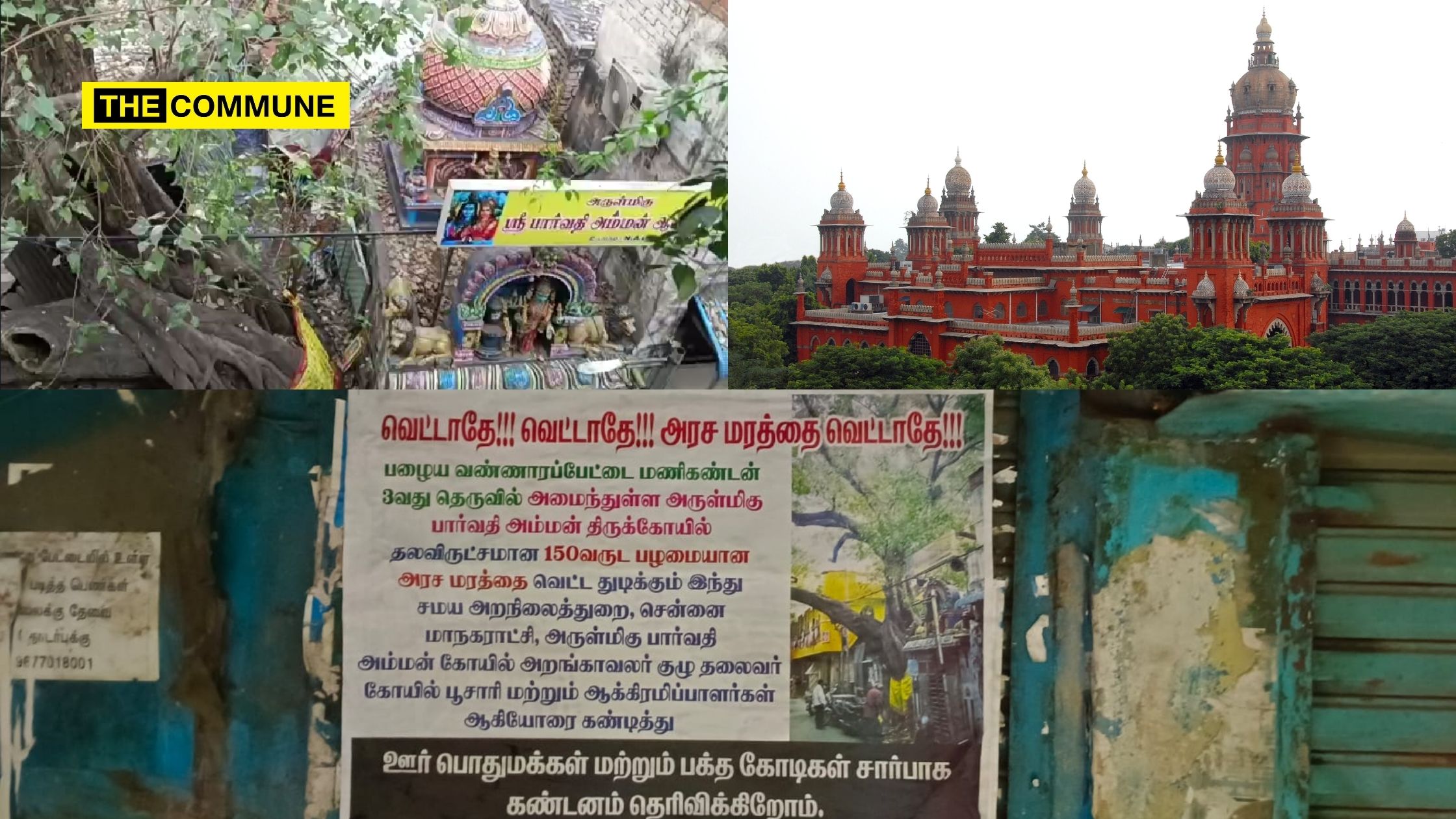
In a significant development concerning the renovation of a temple in Old Washermanpet, the Madras High Court on Thursday recorded an undertaking from the Hindu Religious and Charitable Endowments (HR&CE) Department that a 150-year-old sacred tree at the Arulmighu Parvathi Amman Temple will not be entirely cut down during the proposed reconstruction and Kumbabishekam works.
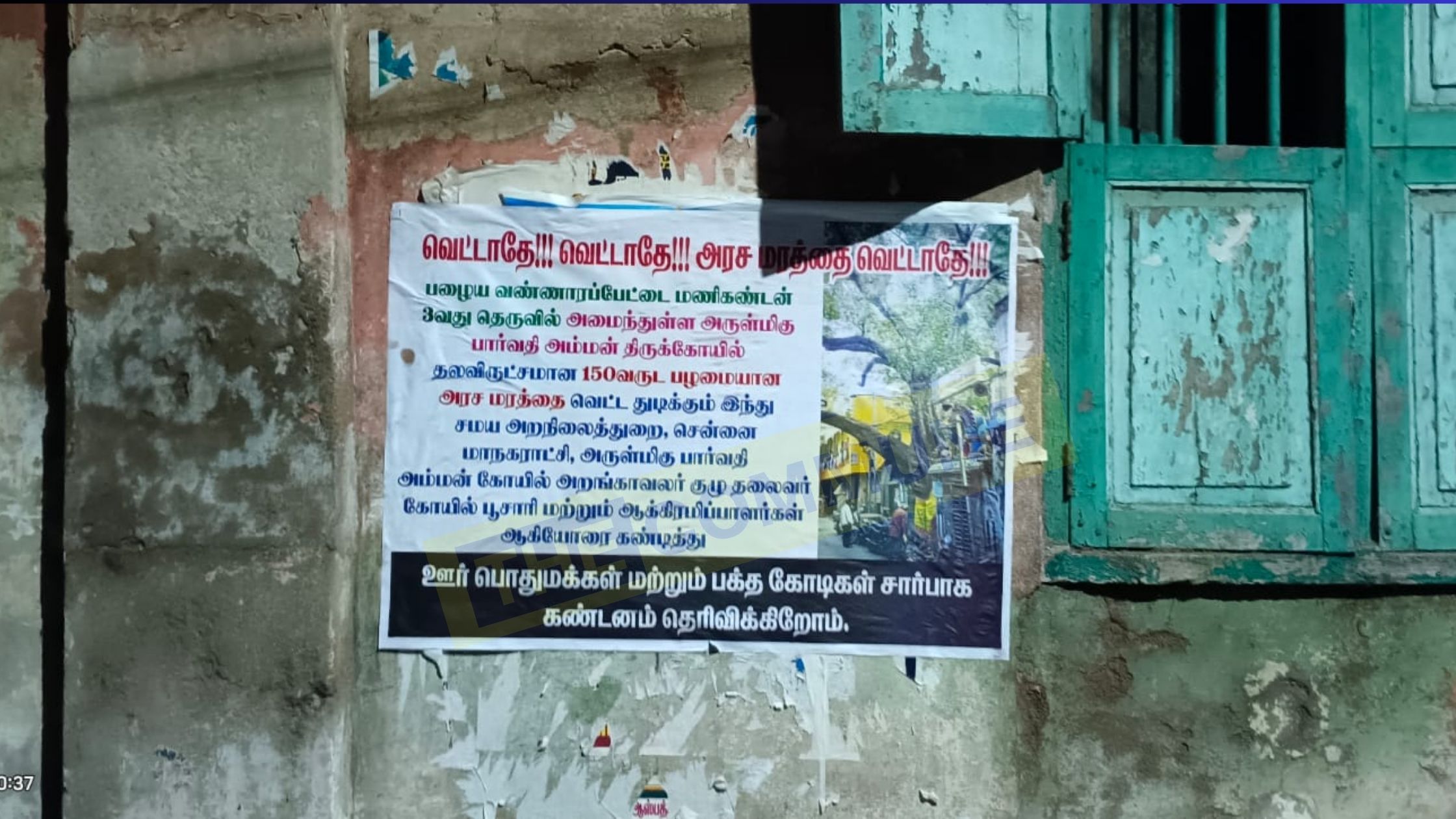
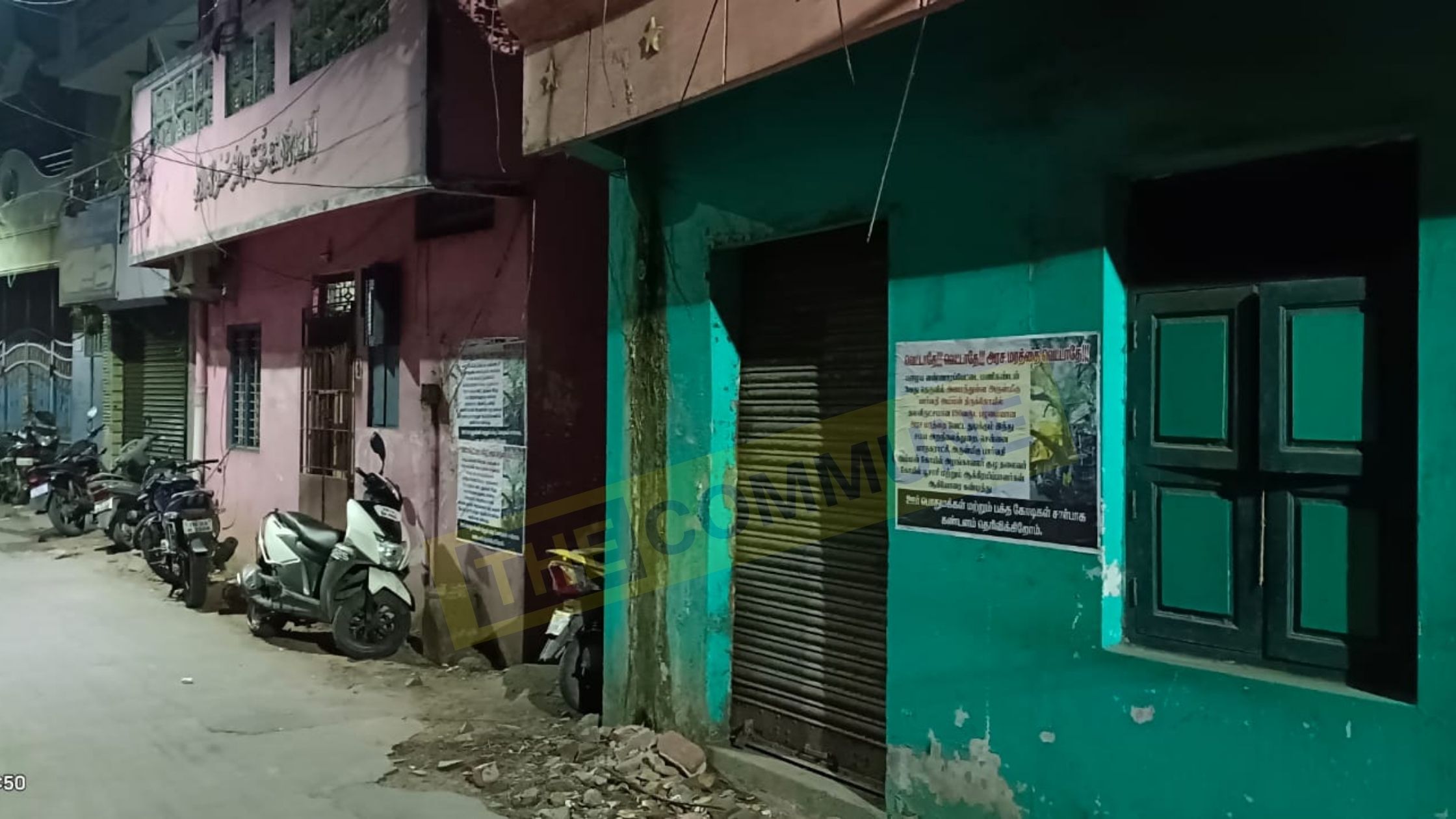
Earlier on the intervening night of March 25 and March 26, posters were pasted across the Old Washermanpet neighbourhood condemning the HR&CE department, Chennai Corporation, trustees and management of the temple over the alleged plans to uproot the tree.
The case was brought before the First Division Bench comprising Chief Justice KR Shriram and Justice Mohammed Shaffiq, following a petition filed by a devotee, Ravindran, challenging Government Order Naka No. 758864/2024 dated September 10, 2024, issued by the Commissioner of the HR&CE Department.
Representing the petitioner, Advocate B. Jagannath argued that the temple’s Stala Vriksha—a sacred tree believed to be approximately 150 years old—is revered by the local community and worshipped as a living deity. He expressed concern that the HR&CE Department’s actions would lead to the tree being chopped down, and noted that over 250 residents had submitted a representation to the authorities opposing any harm to the tree.
In response, Special Government Pleader (SGP) Arun Natarajan, representing the HR&CE Department, clarified that while the tree’s roots had intruded into the temple’s foundation—posing structural challenges in the reconstruction of the small temple complex—the government had no intention of cutting down the entire tree. He presented photographs and explained that only intrusive branches and roots may be trimmed to facilitate the construction.
The Bench posed solutions-oriented questions to both sides and emphasized the state’s responsibility to protect greenery and heritage. Following deliberations, the SGP submitted that the temple’s reconstruction could be reoriented to the rear side of the premises, where space is available, thereby minimizing damage to the tree.
Upon instructions, the petitioner’s counsel agreed to this revised plan and recorded satisfaction with the undertaking. The court then closed the writ petition, recording the assurance that the tree would remain intact and only minimal trimming of intrusive portions would be carried out.
Subscribe to our channels on Telegram, WhatsApp, and Instagram and get the best stories of the day delivered to you personally.