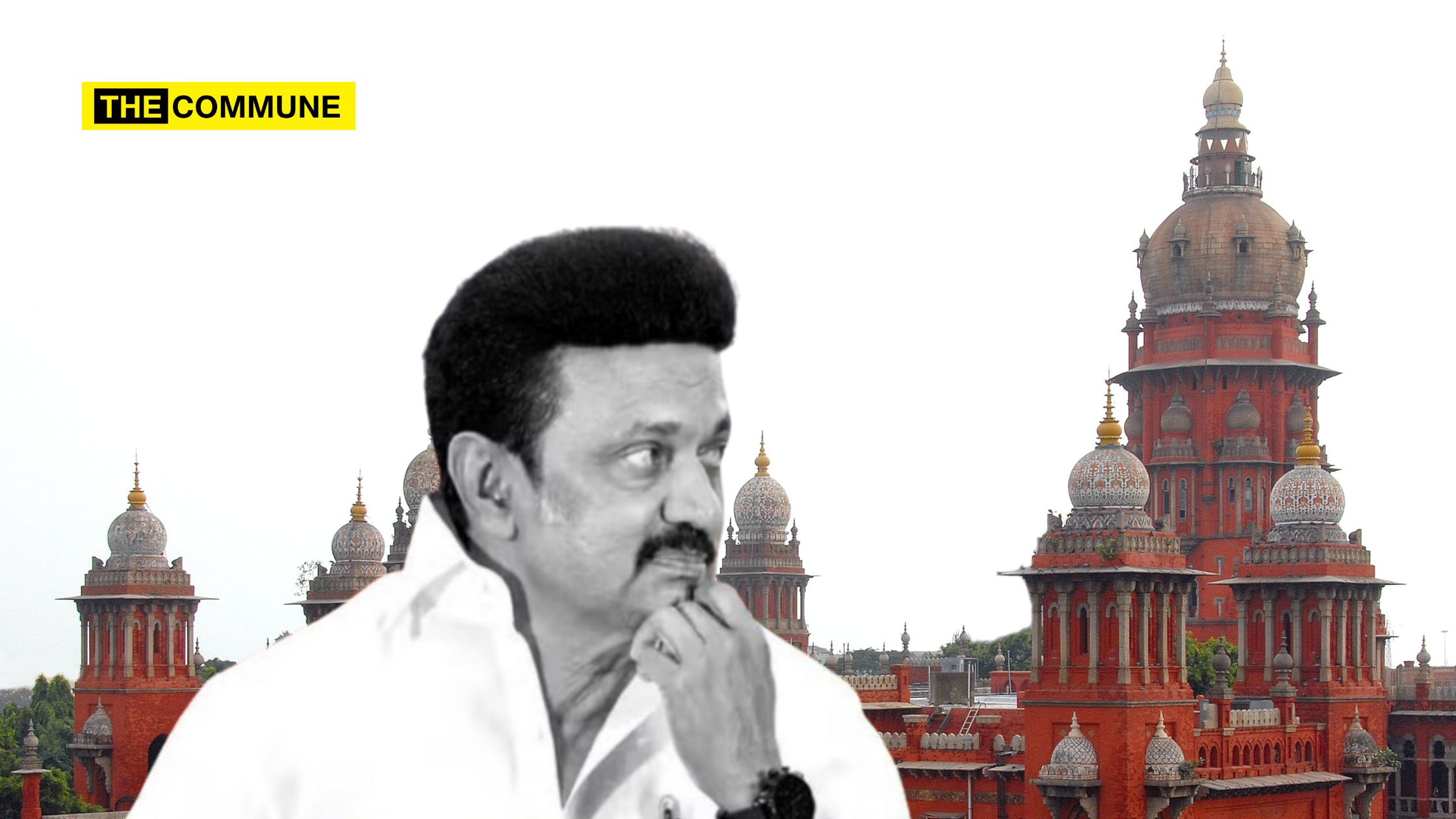
The Madras High Court on Friday, 6 February 2026, dismissed a plea filed by actor and founder of Tamilaga Vetri Kazhagam (TVK), Vijay, challenging a ₹1.5 crore penalty imposed by the Income Tax Department for alleged non-disclosure of income during the 2015–16 assessment period.
Justice Senthilkumar Ramamoorthy passed the order while rejecting the petition challenging the demand notice issued by the department.
According to Vijay, he had declared an income of ₹35.42 crore for the financial year 2016–17. However, based on documents seized during an income tax search conducted at his residence in 2015, the department alleged that he had failed to disclose ₹15 crore in income earned from the film Puli.
Based on these findings, the department imposed a penalty of ₹1.5 crore through an order dated June 30, 2022. Challenging this order, Vijay moved the High Court. When the plea was admitted on 16 August 2022, a single judge granted an interim stay on the operation of the penalty order.
Before the court, Vijay contended that the penalty order ought to have been issued before 30 June 2019, and argued that since the order was passed belatedly, it was liable to be set aside.
Opposing the submissions, the Income Tax Department maintained that the penalty imposed on Vijay was valid under the Income Tax Act and that the petition should be dismissed.
Concurring with the department’s submissions, the High Court dismissed the plea.
Background of Proceedings
The case originated from income tax searches conducted at Vijay’s residence in September 2015. An assessment order was passed in December 2017, followed by initiation of penalty proceedings under Section 271 AAB (1) in December 2018.
Vijay challenged the assessment before the Commissioner of Income Tax (Appeals), who partly ruled in his favour. The department then approached the Income Tax Appellate Tribunal (ITAT), which partly ruled in its favour, including on certain expenses linked to Vijay’s fan association.
Separately, penalty proceedings continued in respect of the ₹15 crore income surrendered during the search. In July 2019, the department issued a notice under Section 263 seeking revision of the assessment, arguing that penalty proceedings had not been properly initiated. The ITAT set aside that revision in May 2022, holding that no further proceedings were warranted once penalty proceedings had already been initiated.
Before the High Court, the issue narrowed to whether the final penalty order had been passed within the limitation period prescribed under Section 275 of the Act. At an interim stage, another bench had observed that the order appeared to be barred by limitation and stayed recovery of the penalty.
With the present ruling, the High Court dismissed Vijay’s plea while granting him liberty to challenge the notice and order before the appellate tribunal on grounds other than limitation.
Source: LiveLaw
Subscribe to our channels on Telegram, WhatsApp, and Instagram and get the best stories of the day delivered to you personally.