


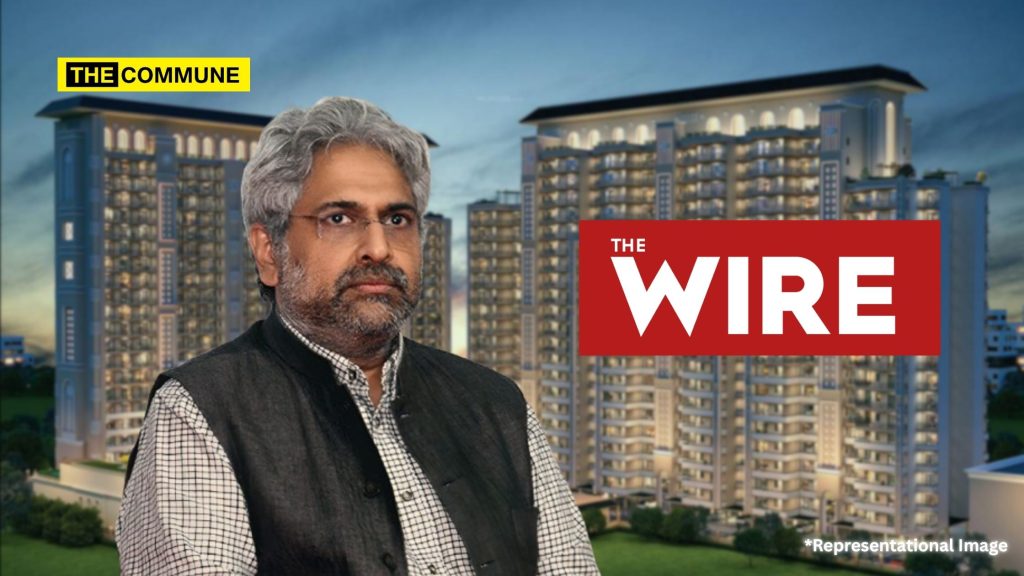
Siddharth Varadarajan, founding editor of The Wire, and his wife, academic Nandini Sundar, have found themselves once again at the center of a storm. The couple has allegedly acquired a luxury top-floor apartment with a terrace in New Delhi’s elite Nizamuddin East for a staggering ₹8.33 crore.
This isn’t their first high-end address either. The couple already resides in an upscale residence on Lodhi Road, a stone’s throw from Lutyens’ Delhi—one of the most exclusive neighborhoods in the capital. The revelation has left many questioning the source of such affluence, given the couple’s professional backgrounds Varadarajan is the editor of a “non-profit” media outlet, and Sundar is a salaried professor at a public university.
What raises eyebrows further is the common understanding within Delhi’s real estate circles—that only about 50% of property transactions are accounted for in white money. If that holds true in this case, it suggests the ₹8.33 crore deal may have involved a significant cash component. Naturally, this raises the question, where is the money coming from? How does a public university professor—drawing a regular salary—and the editor of a so-called “non-profit, crowdfunded” media platform manage to acquire not one, but two high-end properties in the elite zones of Lutyens’ Delhi?
Are we really expected to believe that such luxury is funded solely through personal savings, academic grants, or speaking honorariums? Or is there a hidden financial network operating behind the scenes? Shouldn’t those who constantly question others about transparency be held to the same standards themselves?
Who’s backing them financially? Could it be institutions like the Ford Foundation or individuals like George Soros?
Adding fuel to the fire, news reports from March 2024 claimed that Varadarajan, a U.S. citizen, purchased the 50 crore property in Nizamuddin East—reportedly a four-floor home with contemporary architecture—possibly alongside his brother, Tunku Varadarajan, though his involvement remains unclear.
When approached by BestMediaInfo for comment on the high-value transaction, Varadarajan declined, stating it was a “personal matter.”
The irony hasn’t gone unnoticed. As critics on social media point out, it’s difficult to reconcile the couple’s vocal support for social justice and anti-elitism with their residence in some of the most exclusive and inaccessible parts of New Delhi. The optics have prompted pointed commentary: Is this the new face of activism—revolution from a rooftop terrace?
The public debate continues, with questions being raised not just about wealth and property, but about the credibility and consistency of those who claim to speak for the marginalized.
Why The Wire’s Founder Varadarajan’s Purchase Of High-Profile Land In Delhi Is Under Scrutiny
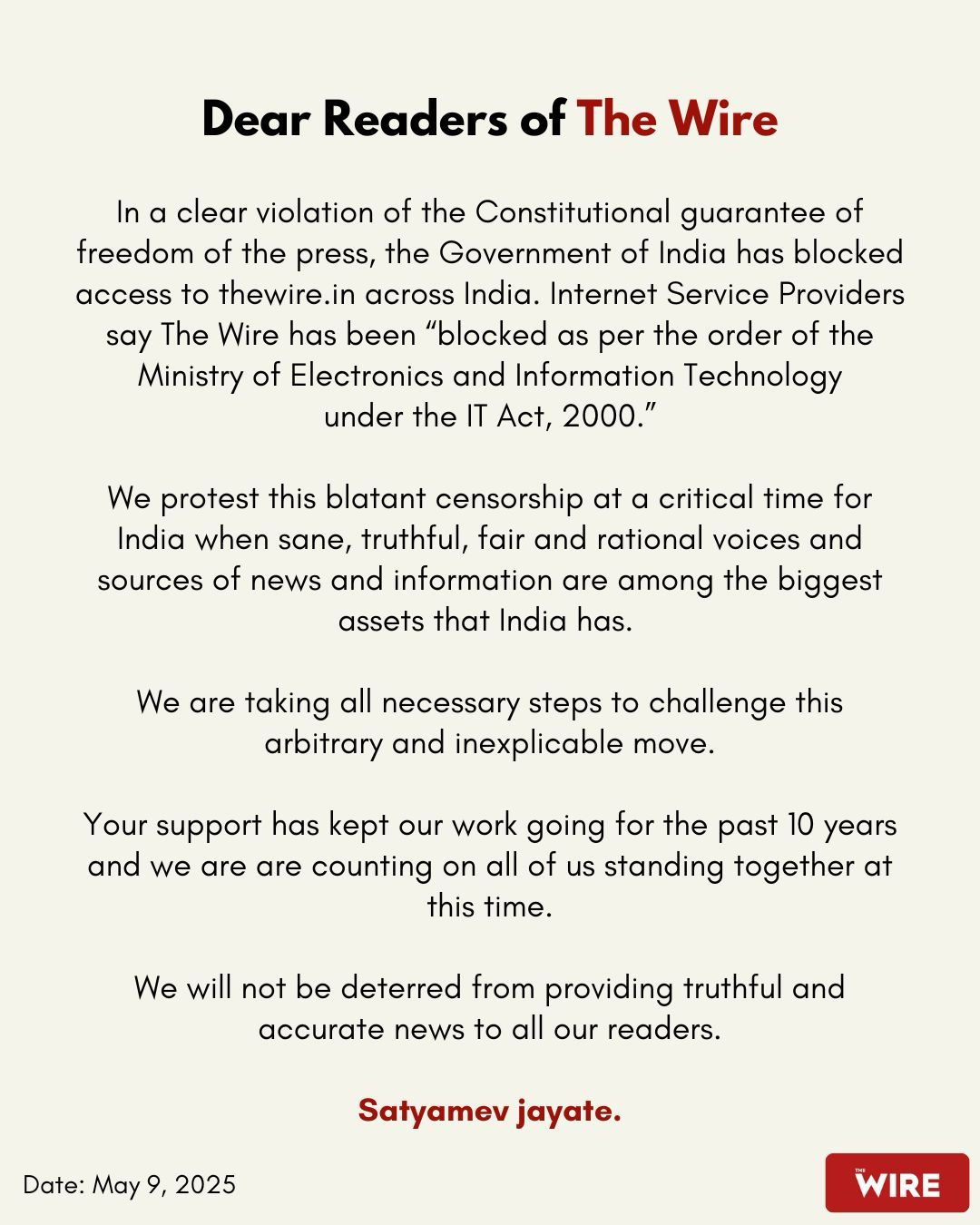
The Wire often finds itself under both public and institutional scrutiny due to its editorial decisions and questions surrounding its journalistic credibility.
Despite clear advisories from the Ministry of Information & Broadcasting, veteran journalist Karan Thapar hosted a live discussion featuring Pakistani commentator Najam Sethi and others during India’s military response to Pakistan-sponsored terrorism in Operation Sindoor. The interview provided a platform for anti-India narratives at a highly sensitive time—leading to widespread criticism and accusations of undermining national interests.




In fact, The Wire has even faced bans in the past for allegedly echoing pro-Pakistan sentiments within India.

Adding to the controversy, the publication has had to retract multiple stories after it was revealed that several of its reports were based on unverified or unsubstantiated claims. These retractions have sparked questions about editorial oversight and professional standards within the organization.
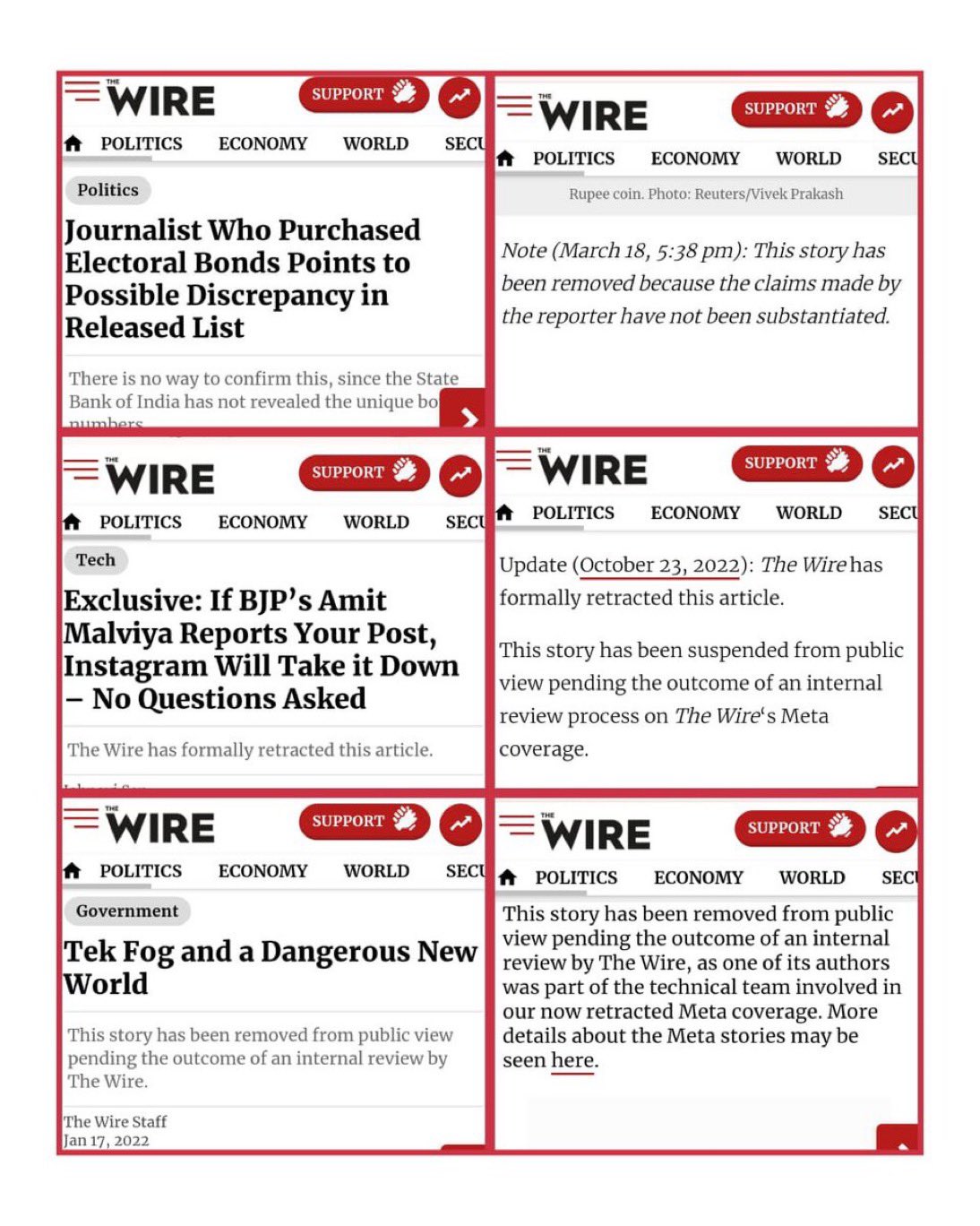

The larger issue now is accountability. When stories fall apart under scrutiny or when platforms are used to propagate hostile viewpoints, who takes responsibility? In an era where trust in media is fragile, the onus is on news organizations—especially those that claim to hold others accountable—to maintain the highest standards of transparency and integrity.
As critics ask, if The Wire demands accountability from institutions and public figures, should it not be held to the same standards?
🚨MEGA EXCLUSIVE!
Siddharth Varadarajan, Editor of The Wire & his wife Nandini Sundar, have reportedly purchased a luxury property worth ₹8,33,00,000 (Eight Crore Thirty-Three Lakh), top floor with Terrace in posh Nizamuddin East, New Delhi.
This isn’t their first elite… pic.twitter.com/sQvRdf2YnM
— BALA (@erbmjha) May 25, 2025
Subscribe to our channels on Telegram, WhatsApp, and Instagram and get the best stories of the day delivered to you personally.