


Three recent judgments by the Bombay High Court have sparked national outrage—but beneath the surface lies a web of ideological influence and institutional power plays that demands urgent scrutiny.
This is not just about court orders. It’s a chilling exposé of how entrenched ideological ecosystems may be shaping critical decisions at the highest levels of India’s judiciary. Read on…
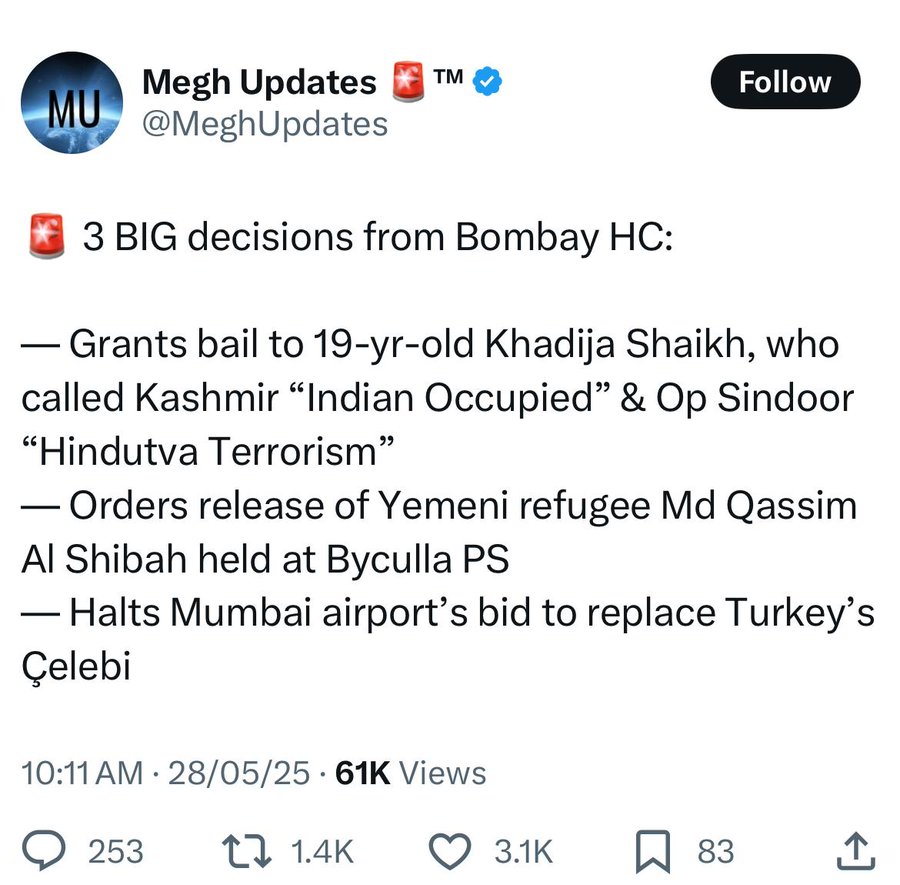

Case 1: The Case Of Khadija Sheikh & Anti-National Social Media Posts
On 27 May 2025, the Bombay High Court slammed Maharashtra Police and Sinhgad Academy for arresting and rusticating 19-year-old student Khadija Sheikh over an Instagram post with pro-Pakistan sentiments during Operation Sindoor.
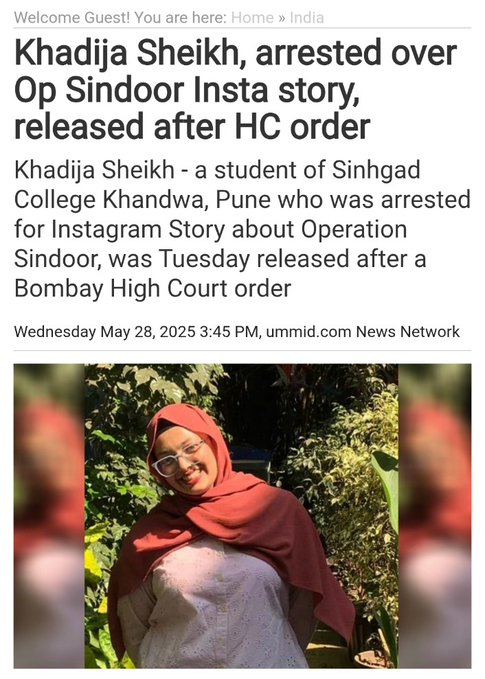

Justices Gauri Godse and Somasekhar Sundaresan called the actions “shocking” and said, “She is no criminal.”
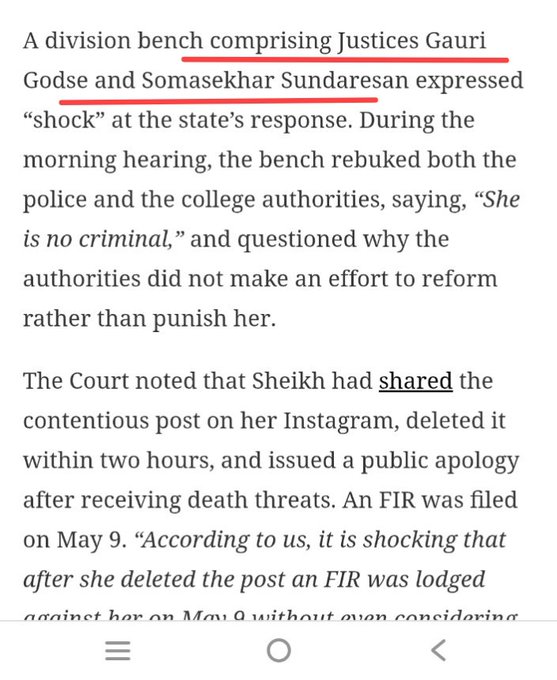

The Court noted Sheikh deleted the post and apologized, yet authorities pursued an FIR and rustication without due process. Ordering her release and reinstatement, the bench allowed her to sit for exams and warned police against harassment. “First inculcate some discipline in the institute,” the judges told college officials.
Case 2: The Yemeni Refugee
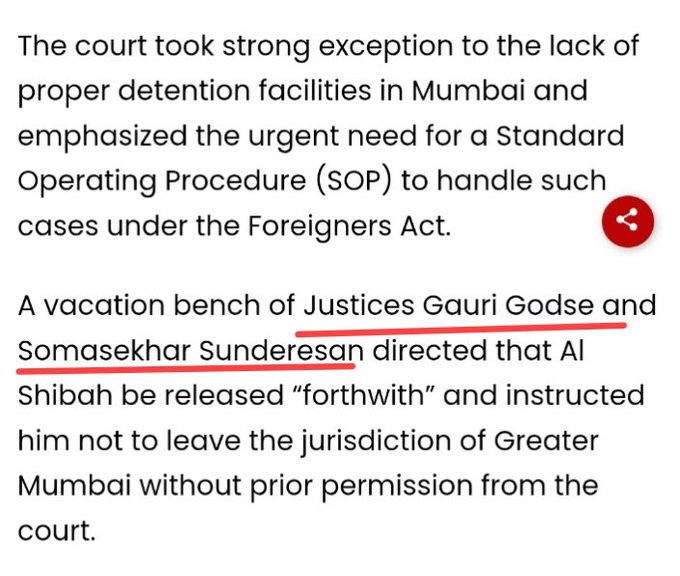
In another case, the Bombay High Court ordered the release of Mohammed Qassim Mohammed Al-Shibah, a Yemeni national claiming UNHCR refugee status, who had been detained at a police station since May 16 without due process. The court found the detention irregular and emphasized that fundamental rights to equality and life apply to all individuals, including non-citizens.
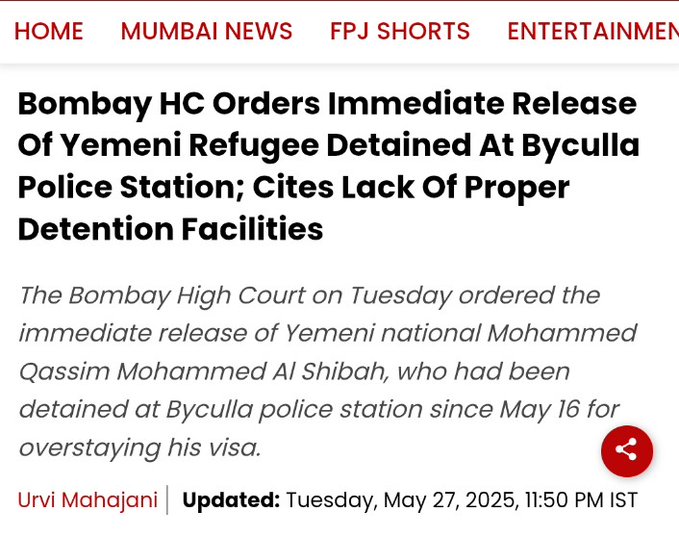

Who passed the order, you wonder? This order was passed by the bench of Justice Gauri Godse and Justice Somashekhar Sundaresan.

Case 3: Halting The Modi Govt Order Over Turkish Firm Celebi Amid Op Sindoor
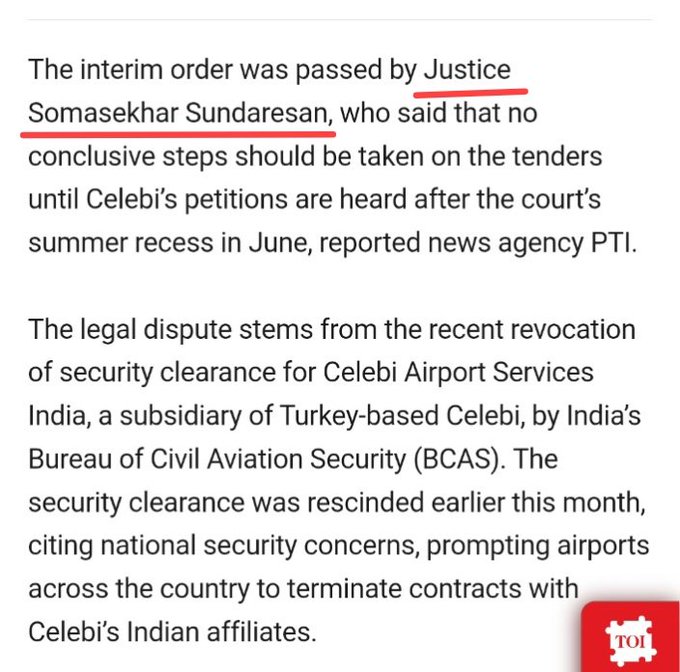
In May 2025, Bombay High Court issued a temporary injunction preventing Mumbai International Airport Ltd (MIAL) from finalizing bids to replace Celebi Airport Services India Pvt Ltd, the Indian arm of a Turkey-based company, for ground and bridge handling services.
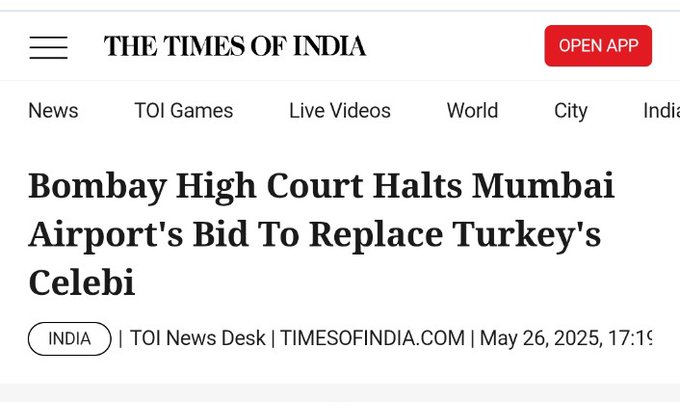

This decision came after the Bureau of Civil Aviation Security revoked Celebi’s security clearance, citing national security concerns due to Turkey’s support for Pakistan during recent hostilities.
Who passed this order? Well, this order too was passed by Justice Somashekhar Sundaresan.

Who Is Justice Somasekhar Sundaresan?
Justice Sundaresan’s appointment to the Bombay High Court was not without controversy. Initially recommended by the Supreme Court Collegium in February 2022, his elevation faced objections from the central government, which described him as a “highly biased opinionated person” due to his social media posts critical of government policies. The Intelligence Bureau had recommended against his candidature citing his overtly political social media posts.
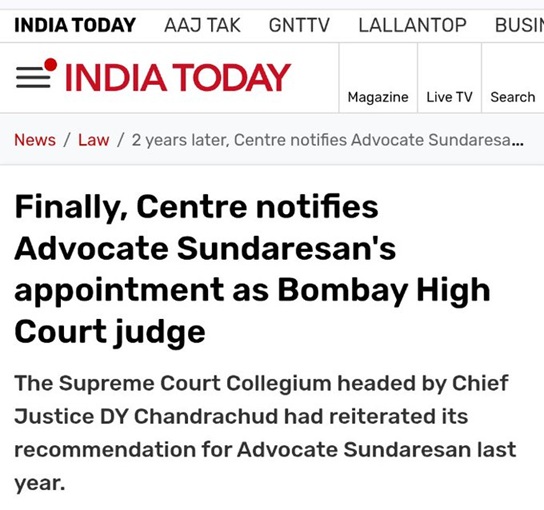
Despite the government’s reservations, the Supreme Court Collegium stood by its recommendation, asserting that expressing views on social media does not disqualify a candidate from holding a constitutional office, provided the individual possesses competence, merit, and integrity. After nearly two years, the central government notified his appointment in November 2023.
Professional Background
Before his judicial appointment, Justice Sundaresan was a senior advocate specializing in financial sector regulation, competition law, company matters, and exchange controls – a prominent corporate lawyer and partner at J. Sagar Associates, where he led the firm’s securities law and financial regulatory practice. His core expertise lay in financial matters.
But what’s more concerning is his long-standing association with Oxfam India, a British-linked NGO. Sundaresan served on Oxfam India’s Board—a role often considered the strategic brain of any NGO, deeply involved in decision-making. This connection demands scrutiny given Oxfam’s controversial track record and ongoing investigations into FCRA violations and alleged foreign influence operations.


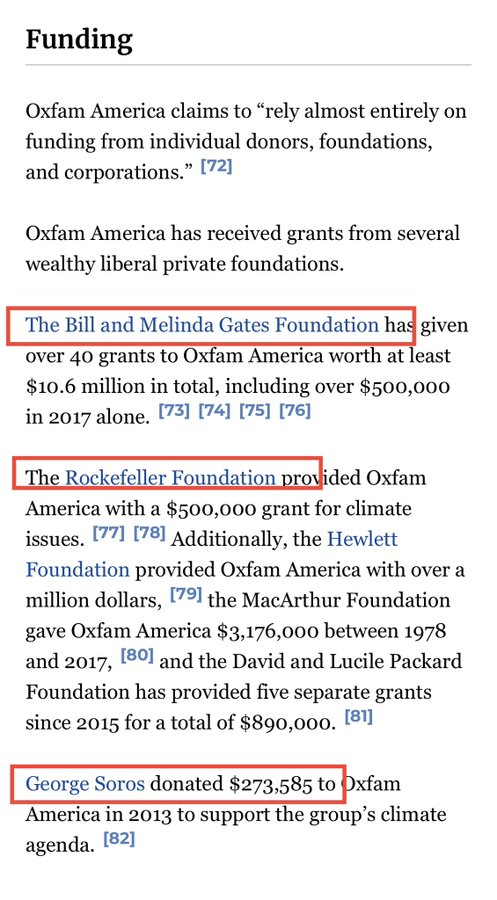
We have seen in the past that Oxfam receives funding from high-profile international entities such as George Soros’s Open Society Foundations, the Ford Foundation, and the Rockefeller Foundation. These associations have led to concerns that Oxfam operates with ideological backing from global power networks—prompting some to describe it as a foreign-influenced NGO with deep-state affiliations rather than a neutral humanitarian organization.

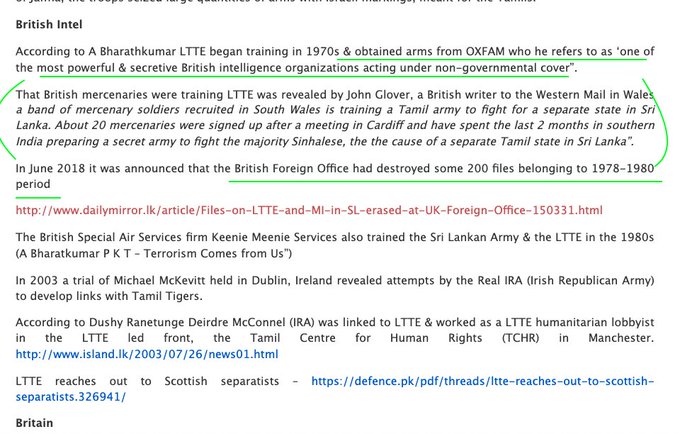
Oxfam has faced serious allegations in the past, including claims that it supplied arms to the LTTE during the Sri Lankan civil war. It has also been described by some intelligence analysts as “one of the most powerful and secretive British intelligence fronts operating under the guise of a non-governmental organization.” While these claims remain controversial, they have fueled longstanding suspicions about Oxfam’s true operational motives and international affiliations.

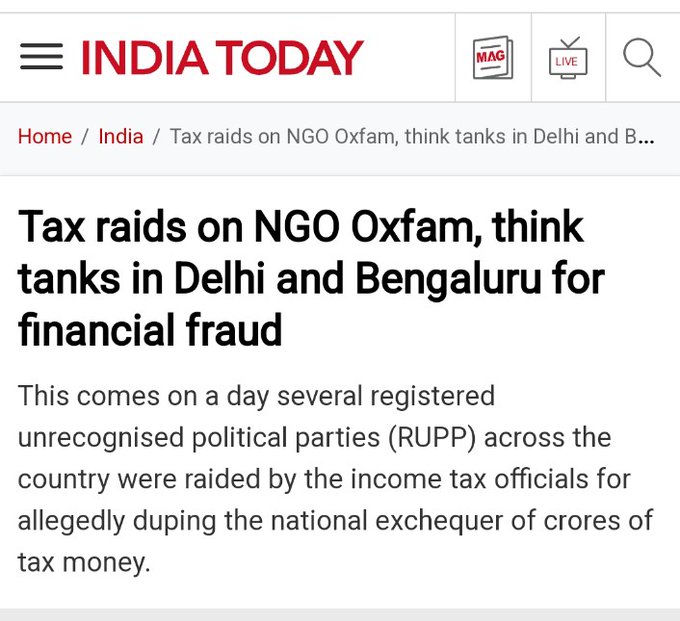
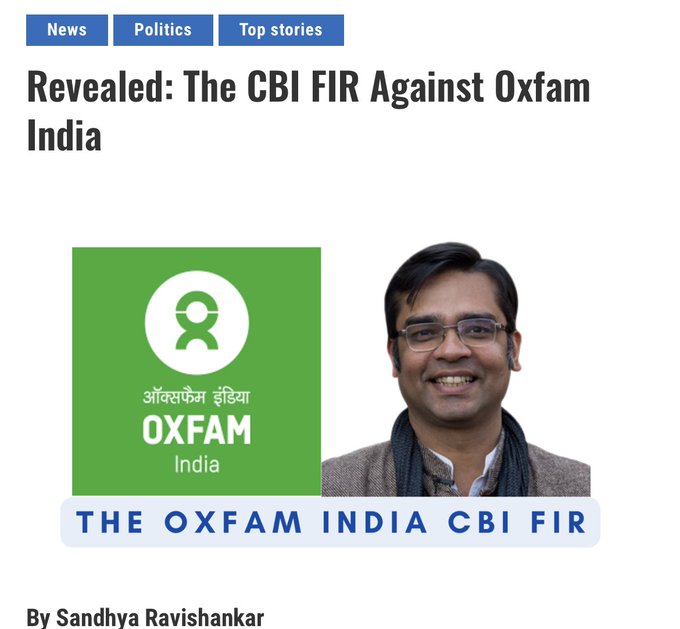
Oxfam India is currently under scrutiny for alleged financial irregularities and FCRA violations. The organization was raided by the CBI in 2022–23 as part of an ongoing investigation into suspected misuse of foreign funds and potential financial fraud. These developments have raised serious concerns about the NGO’s compliance with Indian laws and its sources of funding.

Oxfam India has been accused of violating provisions of the Foreign Contribution Regulation Act (FCRA), including allegedly transferring funds to the Centre for Policy Research (CPR) in contravention of legal norms. CPR, a prominent Indian think tank, is headed by Yamini Aiyar, daughter of senior Congress leader Mani Shankar Aiyar. In light of these allegations, the Government of India suspended CPR’s FCRA license, citing concerns over unlawful foreign funding and regulatory breaches.

All of these developments unfolded while Justice Somasekhar Sundaresan was serving as a Board Member of Oxfam India. He was appointed to the board on 3 December 2011 and remained in that influential position for nearly 13 years, stepping down only in late 2023—shortly before his elevation to the Bombay High Court bench.
Justice Somasekhar Sundaresan has consistently expressed criticism of the Modi government. Notably, he was vocal in his opposition to the government’s demonetization policy, publicly questioning its rationale and impact.
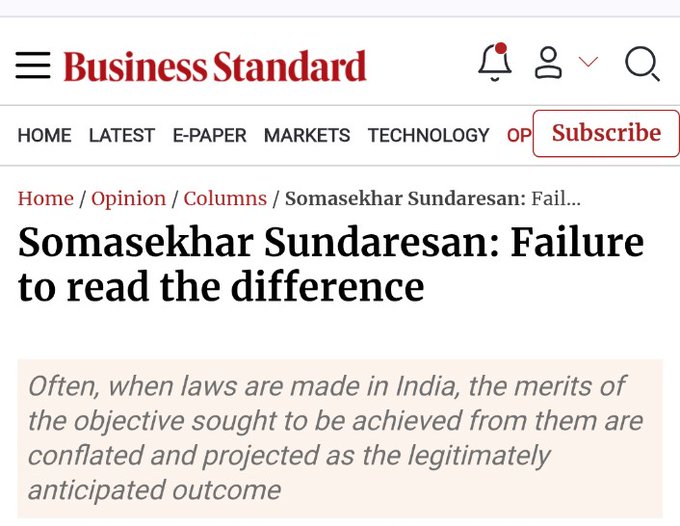

In response to Aamir Khan’s 2015 statement about rising intolerance in India, Somasekhar Sundaresan publicly supported the actor’s views and even authored an article defending Khan’s right to express concern, aligning himself with the broader discourse on dissent and free speech.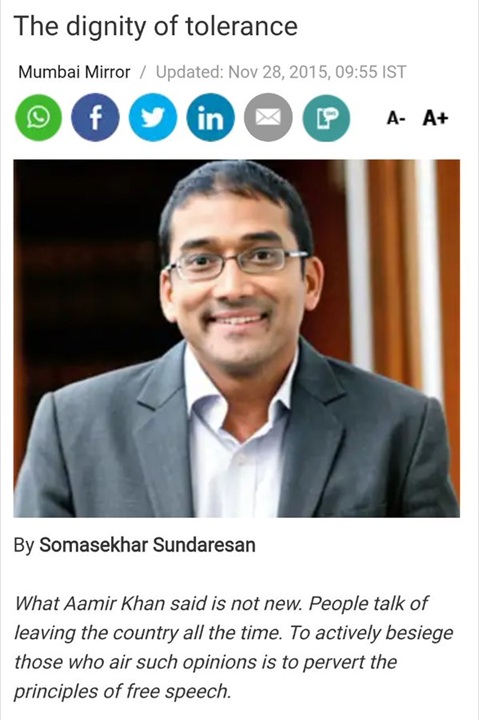

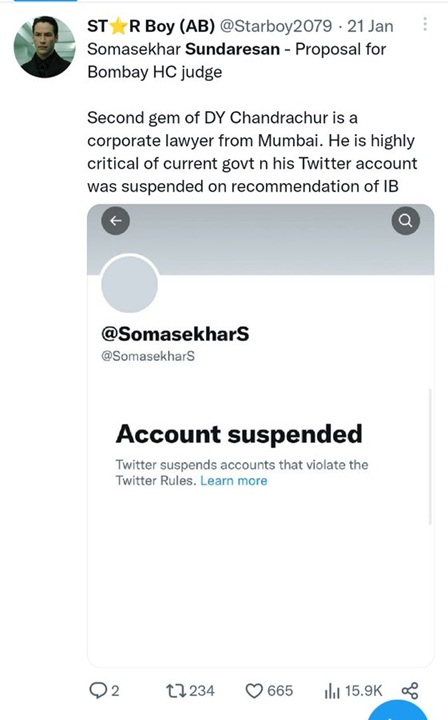
On the recommendation of the Intelligence Bureau (IB), Twitter suspended his account. Due to these factors, the Modi government initially declined to appoint him as a judge. The standoff between the Supreme Court Collegium and the Modi government lasted for two years, but ultimately, the government relented under the collegium’s pressure and appointed him.

Justice Somasekhar Sundaresan was appointed as an Additional Judge of the Bombay High Court on 28 November 2023.

(This article is based on an X Thread By The Chronology)
Subscribe to our channels on Telegram, WhatsApp, and Instagram and get the best stories of the day delivered to you personally.