The IITs are increasingly coming under criticism for the ‘woke’ culture and thinking process they are trying to promote via education.
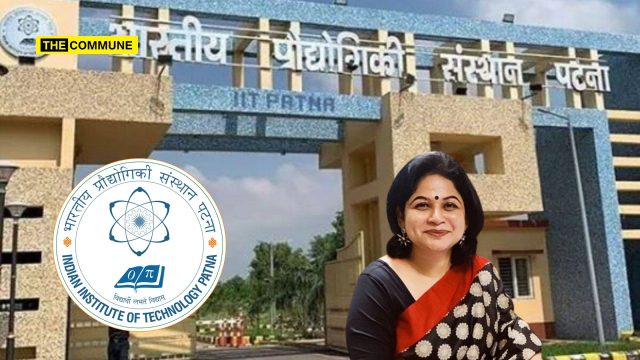
After IIT Bombay and IIT Gandhinagar, IIT Patna is under scrutiny. More specifically, Dr. Priyanka Tripathi, an English professor at Indian Institutes of Technology Patna, has come under criticism over a recent research paper co-authored by her, titled “Gendered and Casteist Body: Cast(e)ing and Castigating the Female Body in Select Bollywood Films.” The paper was written along with Bidisha Pal and Partha Bhattacharjee.
Hindu society normalises the act of r@pe claims a research paper.
Authors:
👉IIT Patna’s Priyanka Tripathi
👉IIT Dhanbad’s Bidisha Pal
👉Amity’s Partha BhattacharjeeWe will be grateful to you @EduMinOfIndia @dpradhanbjp. pic.twitter.com/Tipnblhelo
— Gems of Indian Academia (@GemsofAcademia) February 13, 2026
The study examines representations of caste and gender in Hindi cinema, with specific reference to films such as Bandit Queen (1994), directed by Shekhar Kapur, and Article 15, directed by Anubhav Sinha.
According to the paper, cinematic portrayals reflect layered structures of caste and gender oppression, particularly in relation to Dalit women. The authors argued that mainstream narratives often reproduce what they described as “Savarna patriarchy” and gendered hierarchies.
The paper also drew on academic and activist writings, including those of Suraj Yengde and Meena Kandasamy. Citing Kandasamy, the authors quoted the line: “For a man, the woman is the Dalit of the house,” to frame their argument that patriarchal structures cut across caste lines while intersecting with caste-based marginalization.

In the study, the authors compared caste-based discrimination in India with racial segregation frameworks, stating that forms of social exclusion faced by Dalits could be viewed through lenses similar to apartheid-style segregation. They further contended that Dalit women face compounded marginalization due to both caste and gender identities.

The paper also addressed sexual violence in cinematic narratives, arguing that depictions of rape in certain films reflect entrenched patriarchal and caste hierarchies. It cited academic scholarship suggesting that misogynistic violence is socially structured rather than random.
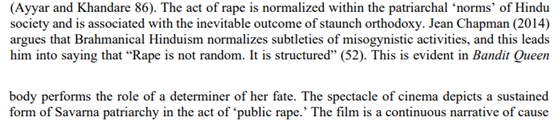
The paper seemingly has an interpretative framework; it seems to present Hindu society in a negative light and makes sweeping generalizations about religious and social structures. The absence of empirical data and objected to parallels drawn between caste discrimination and apartheid is also blatant.
The controversy has also revived scrutiny of Tripathi’s earlier academic work and public commentary, which had previously drawn criticism from some commentators over her interpretations of religion, gender, and caste.
The institute has not issued an official statement on the matter at the time of publication.
Source: OpIndia
Subscribe to our channels on Telegram, WhatsApp, and Instagram and get the best stories of the day delivered to you personally.