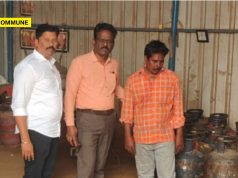
Amid the LPG shortage news that was ballooning across Indian media, western media outlet Reuters ably aided by its brown sepoys turned it into an ‘India failure’ story.
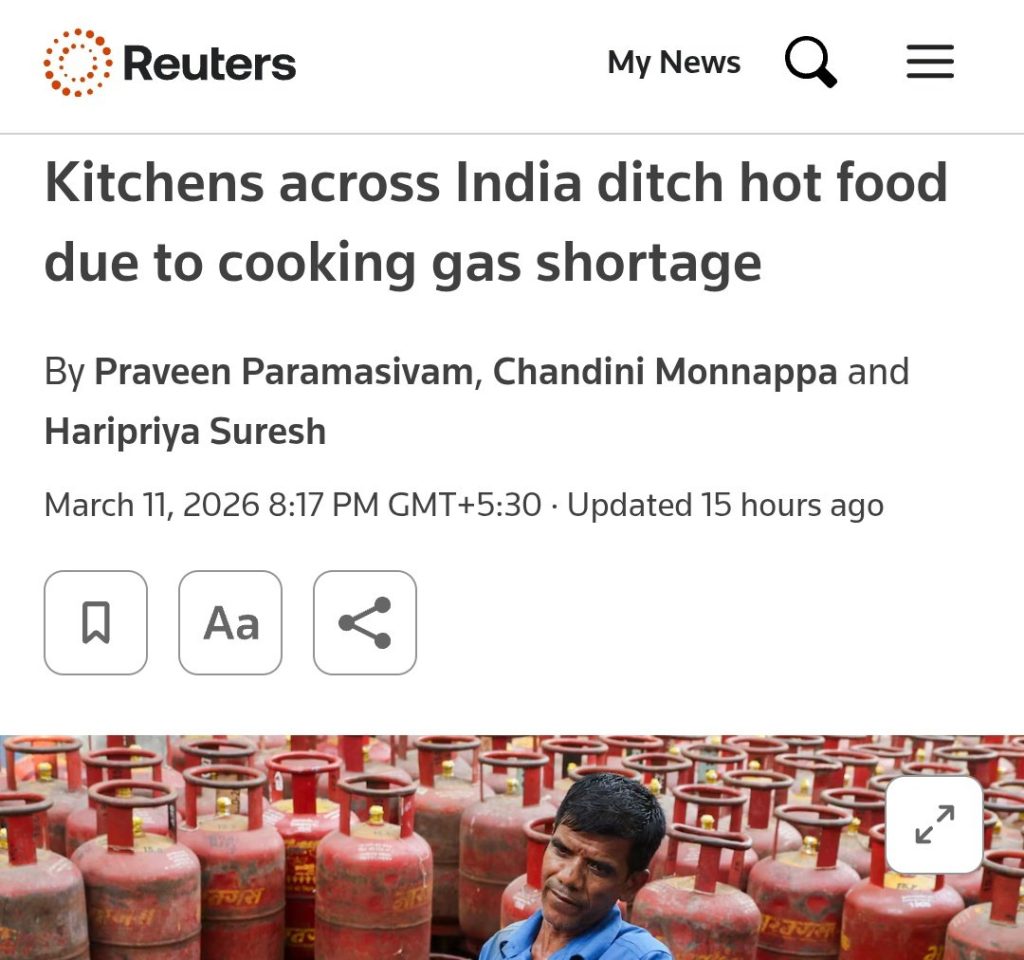
The story, bylined by three Indian journalists: Praveen Paramasivam, Chandini Monnappa, and Haripriya Suresh, quickly circulated across international media platforms.
Meet the traitors pic.twitter.com/QXvKy2l1Mb
— Eminent Intellectual (@total_woke_) March 12, 2026
The headline alone framed the narrative: India as a country where households could not cook food.
What the headline omitted was the most important fact. The LPG disruption affecting India in March 2026 was triggered by geopolitical turmoil in West Asia, particularly the disruption of shipping routes through the Strait of Hormuz during the ongoing Iran–Israel conflict. Nearly 90% of India’s LPG imports pass through that corridor, meaning any disruption would inevitably affect supply chains.
In other words, the situation was the consequence of a global conflict, not an Indian governance collapse. Yet the Reuters framing led readers elsewhere.
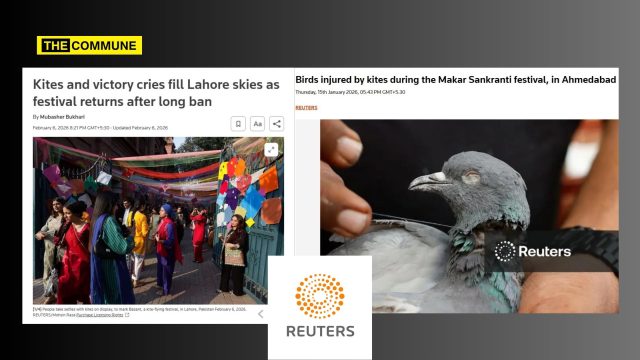
How Reuters Covered The Same Festival In 2 Different Countries
Now compare that approach with how Reuters covered a similar cultural event in India and Pakistan.
When Pakistan celebrated the lifting of an 18-year ban on the Basant festival kite festival in Lahore, Reuters’ tone was celebratory.
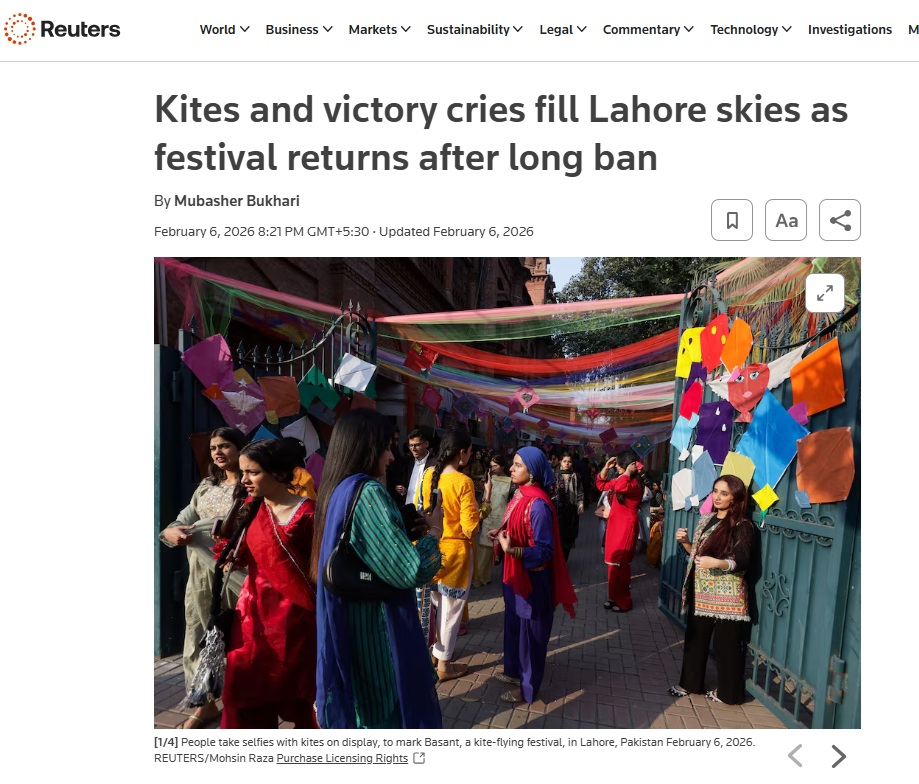
The report described “extravagantly coloured kites duelling above Lahore,” rooftops filled with families, drums beating through the night, and the jubilant cries of “bo-kata!” as kite strings were cut in mid-air. The narrative emphasised the economic boost, hotel bookings, food sales, and festive crowds celebrating the return of a cultural tradition.
Even when safety measures were mentioned, including past injuries from kite strings, they appeared as secondary details within an otherwise vibrant portrait of celebration.
Now look at Reuters’ reporting on the Makar Sankranti kite festival in Ahmedabad.
The headline did not describe colour, celebration, or cultural tradition.
Instead, it read: “Birds injured by kites during the Makar Sankranti festival.”
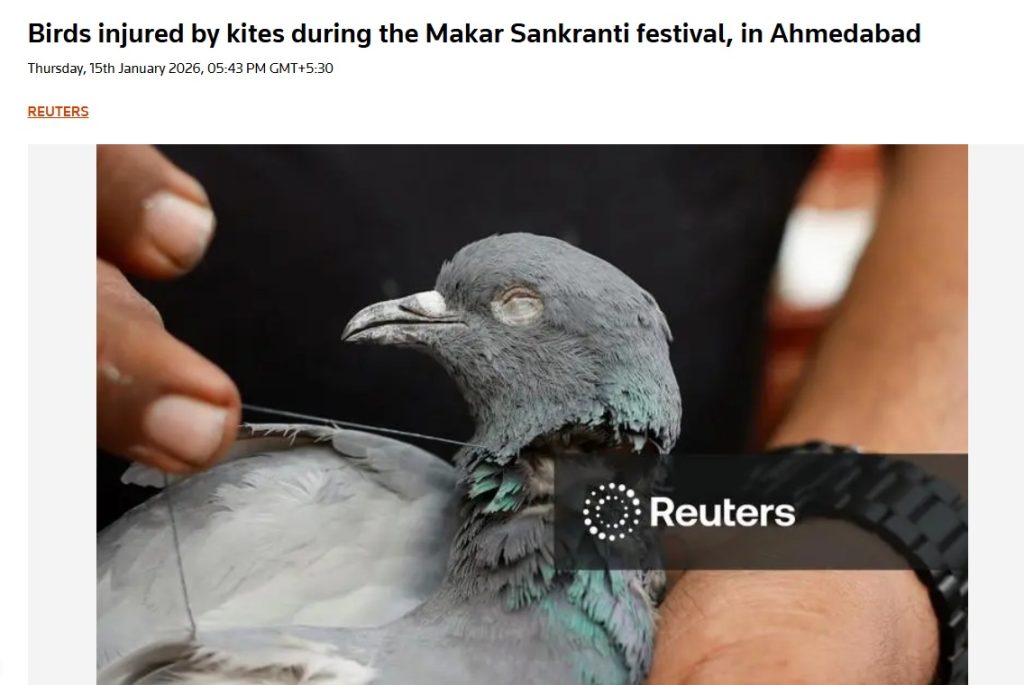
The focus shifted instantly from celebration to harm. Instead of rooftop festivities or economic activity, the central image presented to global readers was wildlife injury.
Two festivals. The same activity – kite flying.
Yet the narrative framing could not have been more different.
In Pakistan: colour, music, rooftops, tradition, and economic vibrancy.
In India: damage, injury, and environmental harm.
How Western Media Use Brown Sepoys To Peddle Specific Narratives Against India
Over the years, we have been consistently observing how Western media has portrayed the Indian state – first it was through poverty porn and such. Then disaster porn, then when COVID hit, it became funeral porn.
The LPG story portraying Indians unable to cook carried three Indian reporters lending it insider credibility. The same pattern appears in cultural coverage. Pakistan’s Basant festival in Lahore gets colour, celebration and economic vibrancy. India’s Makar Sankranti in Ahmedabad becomes a headline about “birds injured by kites.” Same festival activity, opposite framing – are there no birds that got injured in Pakistan during the same festival? DDo kite strings suddenly become dangerous only when Indians fly them? This is a narrative template – Western editorial agendas packaged with Indian names to legitimise them.
Subscribe to our channels on WhatsApp, Telegram, Instagram and YouTube to get the best stories of the day delivered to you personally.