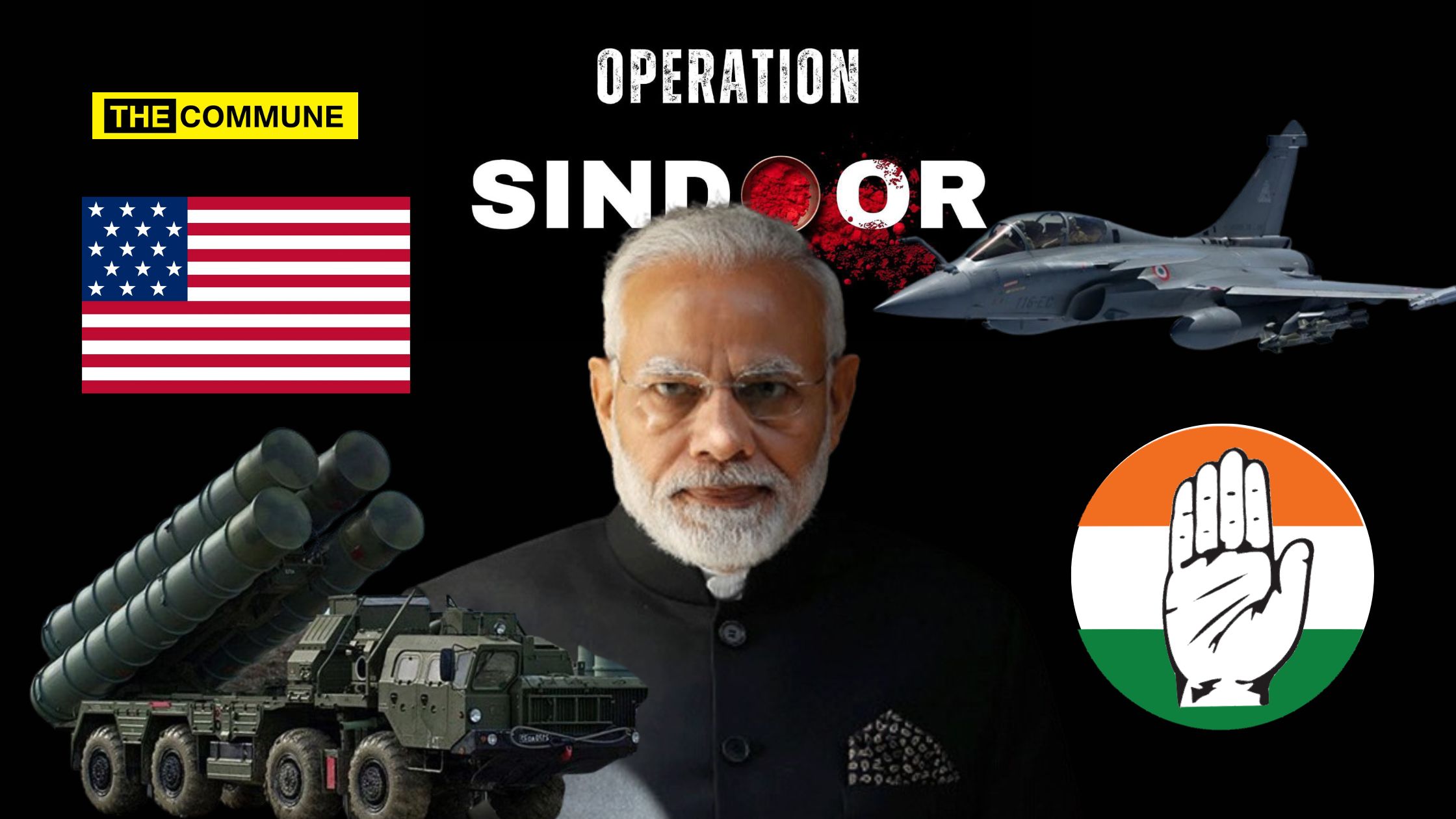
India’s recent military successes in Operation Sindoor and its ongoing conflict with Pakistan have underscored the critical role played by two key defence acquisitions—the Russian S-400 air defence system and the French Rafale jets armed with SCALP missiles. These systems, inducted under the Narendra Modi government despite fierce political and external pressure, have now proven their worth in combat, repelling a massive Pakistani drone and missile assault overnight.
This detailed analysis explores the multifaceted obstacles encountered by the Narendra Modi government in securing the Russian S-400 air defence system and the French Rafale fighter jets, both pivotal for India’s recent military successes in Operation Sindoor against Pakistan. The acquisitions, finalized despite significant external and domestic resistance, highlight India’s strategic autonomy and resilience in defence procurement.
Background And Context
India’s military modernization efforts have been driven by escalating threats from Pakistan and China, necessitating advanced air defence and fighter jet capabilities. The S-400, signed for $5 billion in 2018, and the Rafale deal, worth €7.8 billion for 36 jets in 2020, were critical to enhancing India’s defence posture. However, both deals faced a complex web of geopolitical, diplomatic, logistical, and domestic political hurdles, which the Modi government navigated with determination.
Obstacles In Acquiring The S-400 Air Defence System
The S-400 acquisition was marked by significant international and logistical challenges:
1. US Pressure and CAATSA Sanctions Threat: The US, under both Trump and Biden administrations, exerted considerable pressure to dissuade India from proceeding with the deal, citing concerns over interoperability with NATO systems and invoking the Countering America’s Adversaries Through Sanctions Act (CAATSA). Reports indicate the US warned of sanctions similar to those imposed on Turkey, with officials stating in 2021 that India was unlikely to receive a waiver. Despite this, India’s strategic role in the Indo-Pacific likely influenced the US to withhold sanctions, as noted in 2021 reports.
2. Delays Due to Russia-Ukraine War: Logistical challenges emerged with the onset of the Russia-Ukraine war, delaying deliveries. Initially, all five squadrons were expected by early 2024, but as of recent reports, the remaining two are now slated for 2026, impacting India’s defence readiness. This delay, attributed to Russia’s focus on its conflict, tested India’s patience but did not derail the deal.
3. Concerns Over System Capabilities: There were discussions about the S-400’s perceived outdated technology and actual capabilities, with some analyses suggesting it might not be the game-changer India anticipated. This raised internal debates within India’s defence establishment, adding to the complexity of the acquisition.
4. Diplomatic Balancing Act: India had to balance its growing ties with the US, particularly through the Quad and Indo-Pacific frameworks, while maintaining its traditional partnership with Russia. This diplomatic tightrope was evident in reports from 2022, where the US discouraged the deal but acknowledged geostrategic considerations.
Obstacles In Acquiring The Rafale Fighter Jets
The Rafale deal faced a different set of challenges, primarily domestic political and legal, with additional negotiation complexities:
1. Domestic Political Opposition: The Congress party, led by Rahul Gandhi, launched a fierce campaign against the deal, alleging corruption and favoritism. They claimed the per-aircraft cost had escalated from ₹715 crore to ₹1,600 crore under the UPA negotiations, labeling it a “scam” during the 2019 elections. The opposition criticized the selection of Anil Ambani’s Reliance Defence as the offset partner, suggesting crony capitalism, which fueled demands for a Joint Parliamentary Committee (JPC) probe. This political noise threatened to derail the deal, creating public and parliamentary pressure.
2. Legal Challenges and Supreme Court Intervention: The allegations led to legal challenges, with petitions reaching the Supreme Court. In December 2018, the court dismissed all petitions, finding no evidence of wrongdoing, which was crucial in allowing the deal to proceed. This legal hurdle, while eventually cleared, added significant delay and scrutiny to the process.
3. Negotiation Complexities with France: The government-to-government deal involved intricate negotiations with Dassault Aviation. France resisted India’s demands for full technology transfer and customization, such as integrating indigenous weapons like the Astra missile, creating friction. Additionally, offset obligations, requiring Dassault to invest in Indian manufacturing, were contentious, with the Reliance Defence partnership drawing criticism. Reports from 2016 highlight the joint venture, Dassault Reliance Aerospace Limited (DRAL), as part of these obligations, adding to the negotiation burden.
4. Bureaucratic Delays and Pricing Disputes: India’s defence procurement process, known for red tape, delayed approvals and scrutiny from bodies like the Comptroller and Auditor General (CAG) over pricing transparency. The government defended the deal, emphasizing national security, but these bureaucratic hurdles prolonged the timeline.
The Congress’ Sins
The Congress party significantly obstructed the Modi government’s acquisition of 36 Rafale jets from France, a €7.8 billion deal signed in 2016 to bolster India’s air superiority. Their opposition, centered on allegations of corruption, favoritism, and procedural lapses, created political, legal, and public perception challenges, delaying the deal’s execution.
Congress leaders, led by Rahul Gandhi, alleged a price escalation from ₹715 crore to ₹1,600 crore per aircraft, labeling the deal a “scam” during the 2019 elections. They criticized the selection of Anil Ambani’s Reliance Defence as the offset partner over Hindustan Aeronautics Limited (HAL), accusing the government of crony capitalism. Claims of bypassing standard procurement processes, like approvals from the Defence Acquisitions Council, further fueled their narrative.
The party demanded a Joint Parliamentary Committee probe, met with the Central Vigilance Commission and Comptroller and Auditor General for investigations, and challenged the Supreme Court’s 2018 dismissal of petitions against the deal, even urging its recall. These actions kept the deal under intense scrutiny, diverting government resources to defend it and impacting public trust.
Congress’s campaign made Rafale a central 2019 election issue, delaying implementation as the government countered allegations across forums. Despite these hurdles, the Supreme Court’s clearance ensured the deal’s progress, and the Rafale jets proved their worth in Operation Sindoor by May 2025. Congress’s opposition, while not derailing the deal, significantly complicated its execution, forcing the government to navigate a prolonged political and legal battle to secure this critical defense asset.
PM Modi: A Tough Negotiator For A Reason
Despite these obstacles, the Modi government’s resolve ensured both deals were executed, enhancing India’s defence capabilities. The S-400’s debut in combat, as reported on May 07, 2025, showcased its effectiveness in thwarting Pakistani threats, validating the decision despite delays. Similarly, the Rafale’s precision strikes, such as the Bahawalpur operation, underscored its strategic value, silencing critics of the deal.
The successful navigation of these obstacles reflects India’s commitment to strategic autonomy, balancing relations with major powers like the US, Russia, and France while addressing domestic political dynamics. As of May 09, 2025, these acquisitions have proven their worth, with ongoing operations demonstrating their battlefield efficacy.
Subscribe to our channels on Telegram, WhatsApp, and Instagram and get the best stories of the day delivered to you personally.