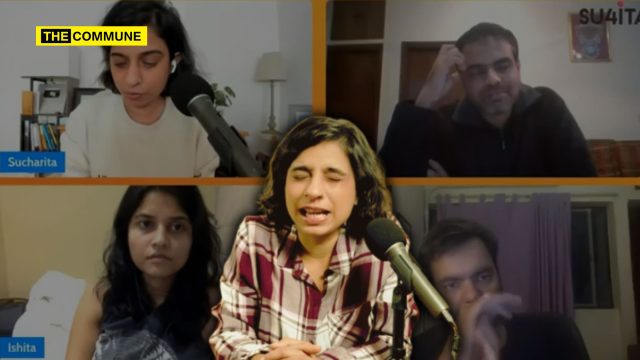
In a recent online discussion that blurred the lines between film critique and public relations therapy, YouTuber and alleged film critic Sucharita Tyagi found herself in an intense conversation with the makers of the controversial film ‘Dhurandhar’. The core of the exchange, which has since gone viral, centered not on cinematic merit, but on Tyagi’s palpable distress over the fierce public backlash against her and other critics’ reviews of the patriotic film.
Speaking during a group discussion with fellow reviewers, Tyagi said the “disproportionately low” view count compared to the “massive number of angry comments” on YouTube and other platforms made her question whether the responses were coming from real viewers. She floated the idea, briefly, that some individuals may be “designated” or “deployed” to target film critics, though she immediately added that she does not believe the filmmakers themselves would be involved.
Nonetheless, her insinuation that director Aditya Dhar may have “hired people” to troll critics did not go unnoticed, even though she backtracked moments later. Tyagi framed her concern as a question of responsibility, asking whether Dhar should “address” the people who were aggressively defending the film and attacking reviewers like her.
The conversation, which quickly began circulating on social media, was widely mocked as a “cope session” by netizens, who argued that the backlash to her review, described by many as overly sympathetic to Pakistan and dismissive of the film’s themes, reflected genuine public sentiment rather than an organised campaign.
UNBELIEVABLE COPE: Sucharita wants @AdityaDharFilms to “address” the fans of the movie who are exposing movie critics like her!
She even suggests at one point that Aditya Dhar has ‘hired’ people to troll movie critics like her. She quickly says she does not believe the… https://t.co/YZrKMFaeI8 pic.twitter.com/yQN8Am3C0i
— Sensei Kraken Zero (@YearOfTheKraken) December 9, 2025
Critics noted that Tyagi, along with several other reviewers, has disabled comments on her review videos following the pushback. Tyagi suggested this behaviour from viewers was creating a hostile environment for critics and asked whether filmmakers should intervene when their fans go “too far.”
Social media users, however, saw the exchange differently. Many argued that reviewers were unable to accept that “regular audiences simply disagreed with them” and accused the critics of constructing conspiracy theories to avoid admitting that their interpretations of Dhurandhar were out of touch with public sentiment.
This “group therapy” was seen as ‘unbelievable cope’ by netizens because Dhurandhar’s audience rejected their reviews. Others pointed out that Tyagi’s own framing, suggesting a coordinated attack while simultaneously denying it, was contradictory and only fuelled the perception that critics were unwilling to acknowledge the widespread criticism of their takes.
Subscribe to our channels on WhatsApp, Telegram, Instagram and YouTube to get the best stories of the day delivered to you personally.