


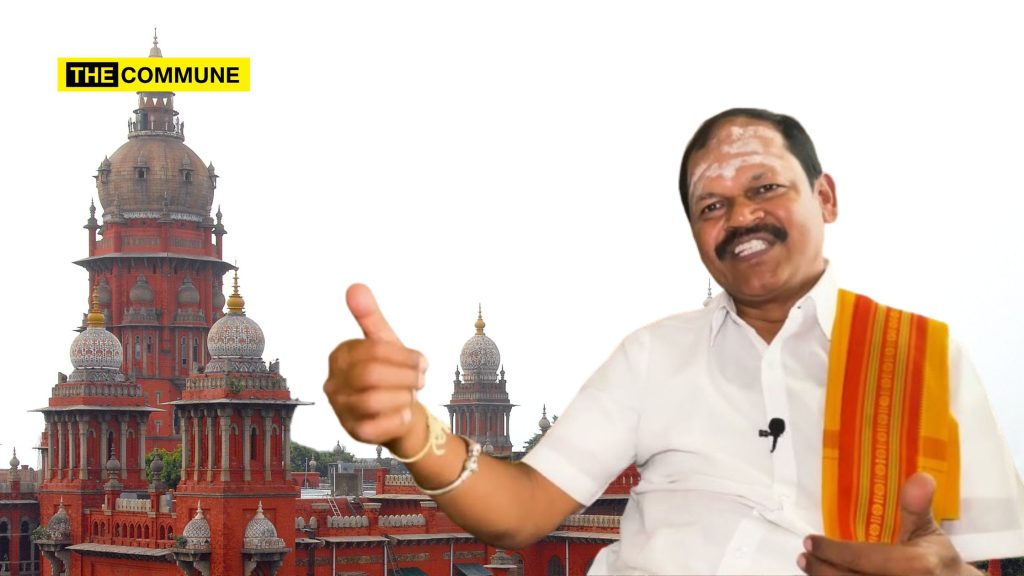
Indu Makkal Katchi (IMK) chief Arjun Sampath has voiced strong opposition to the recent Madras High Court ruling directing the removal of caste-based names from schools and colleges—both government and private—in Tamil Nadu. Taking to his official X account, Sampath posed a series of questions challenging the judgment and its implications for Hindu communities.
Sampath questioned the legitimacy of the court’s directive, stating, “How can the judiciary strip Hindus of constitutional rights?” He argued that caste-based identifiers in school names have historical and cultural roots, especially in the context of Hindu communities establishing their own institutions to counterbalance Christian dominance in education.
“Why Only Hindus?” Sampath Asks
Citing communities such as the Nadars, Kallars, Sengundars, and Vanniyars, Sampath said that these groups created educational services in response to a long-standing imbalance in access. He argued If Christian and Muslim institutions are allowed to operate under their religious identities, why are Hindu communities alone being restricted.
In his X post, Arjun Sampath questioned, “Will they also ban the worship of kula deivams (Clan deities)? To break the (historical) dominance of Christians in education, Hindu communities such as the Nadars, Kallars, Sengundars, and Vanniyars began establishing their educational services. Just as the government and politics that took over temples, is it fair to ban running educational institutions for Tamils? Minority status provided for education institutions in the name of Christ and Islam! then is it fair for Hindu Tamils to be barred from providing educational services? What justification does the court have to deprive the Hindu community of the fundamental rights granted by the Constitution?”
குலதெய்வ வழிபாட்டையும் தடை செய்து விடுவார்களா ?
கல்வியில் கிறிஸ்தவர்களின் ஆதிக்கத்தை முறியடிக்க
நாடார்,கள்ளர்,செங்குந்தர், வன்னியர் உள்ளிட்ட இந்து
சமூகங்கள் கல்வி சேவை துவங்கினர்.ஆலயங்களை அரசாங்கமும் அரசியலும் கைப்பற்றியது போல தமிழ் குடிகளின் கல்வி சேவையை தடை செய்வது… pic.twitter.com/mVz9jYbaw7
— Arjun Sampath (@imkarjunsampath) April 17, 2025
Background: Madras High Court Ruling
On 16 April 2025, the Madras High Court ruled that no educational institution in Tamil Nadu—government or private—should use caste-based titles in their names starting from the academic year 2025–26. Justice D. Bharatha Chakravarthy ordered that all schools and colleges with such appellations, whether explicitly stated or included in donor names, must remove them within four weeks. Institutions that fail to comply could face loss of recognition and forced transfer of students by 2026–27.
Additionally, the court instructed the State to implement recommendations by a committee headed by retired judge K. Chandru, including the removal of terms like ‘Kallar Reclamation’ and ‘Adi Dravidar Welfare’ from school names.
The ruling also extended to caste-based societies registered with the government. The Inspector-General of Registration was directed to identify societies named after specific castes, amend their bylaws to open membership to all, and remove caste references. This process must be initiated within three months and completed in six months.
Justice Chakravarthy remarked that the caste system is not confined to Hinduism and exists across religious communities, including among Christians. He added that caste-based organizations cannot expect legal recourse under Article 226 if they continue to promote exclusionary practices.
The verdict came in response to petitions filed by the South Indian Senguntha Mahajana Sangam (Chennai), Tiruchengode Vatta Kongu Velalar Sangam (Namakkal), and The Poor Educational Fund (Chennai)—the latter of which restricts membership to specific Christian sub-castes.
In a critical observation, the judge noted, “The caste system today is not about religion. It cuts across faiths. People carry this burden so stubbornly, they’d take it with them even to the moon.”
Subscribe to our channels on Telegram, WhatsApp, and Instagram and get the best stories of the day delivered to you personally.