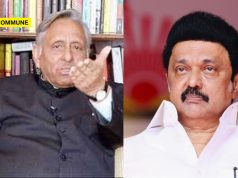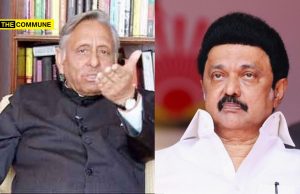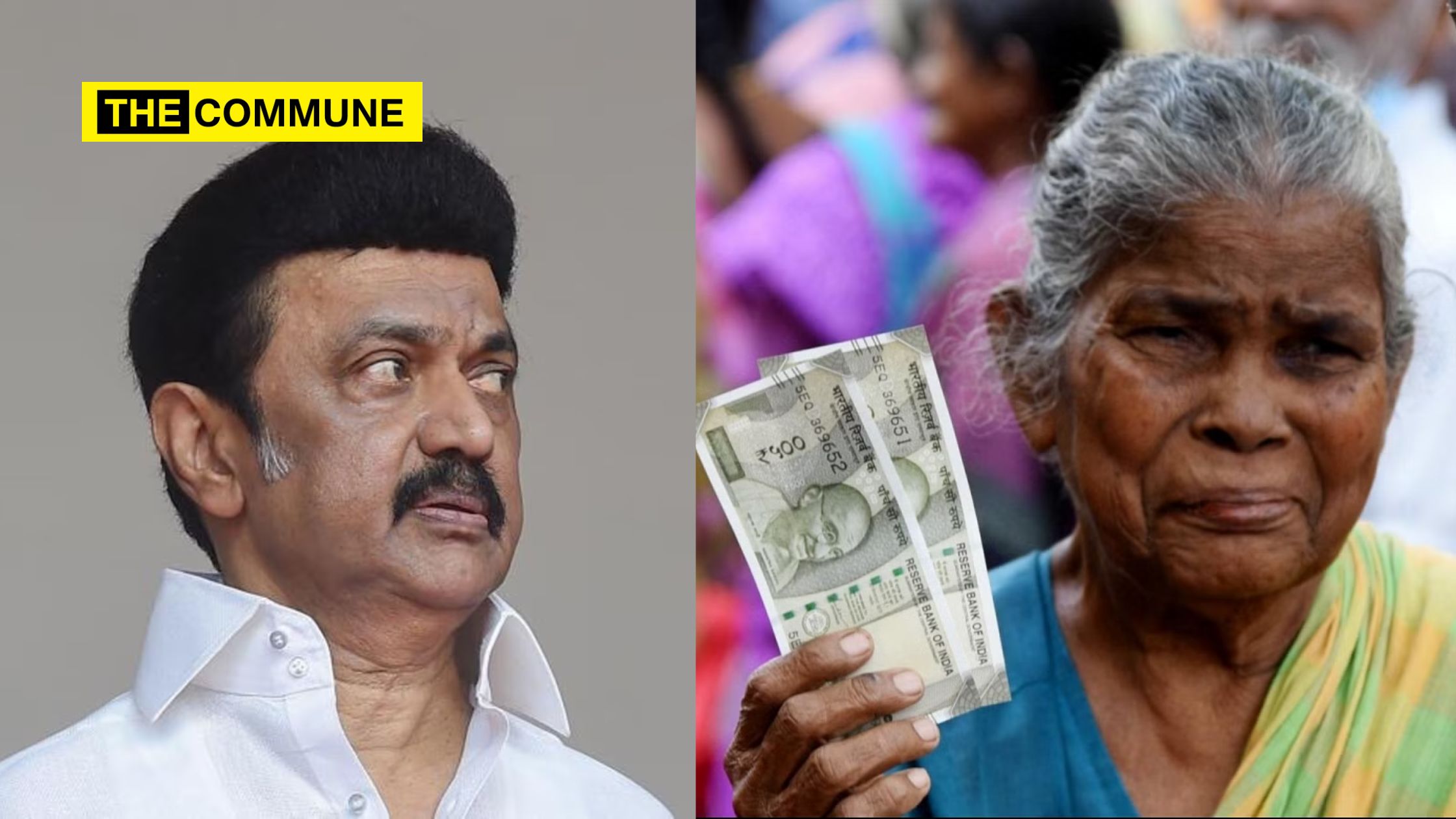
Tamil Nadu Chief Minister M. K. Stalin on Friday announced the disbursal of ₹5,000 to women beneficiaries under the Kalaignar Magalir Urimai Thogai Thittam, positioning the move as part of his government’s continued commitment to women’s welfare ahead of the upcoming Assembly elections.
In a post on X, Stalin said the payment covers three months, February, March, and April, with ₹3,000 constituting the regular monthly entitlement and an additional ₹2,000 provided as a “summer special” assistance. According to the Chief Minister, the amount has already been credited to 1.31 crore women enrolled under the scheme.
Stalin framed the transfer as a matter of rights rather than welfare, writing: “The financial assistance given by this Stalin to the women of Tamil Nadu is a pledge — it is their right.
No matter who creates obstacles, I will not step back from it.
Citing the election, they are trying to block the entitlement amount for three months. But our #DravidianModel government has pre-empted it! As advance payment for February, March, and April — ₹3,000 + a summer special package of ₹2,000!
₹5,000 has been credited this morning to all 1.31 crore beneficiaries of the Kalaignar Women’s Entitlement Scheme.
With the support of #Winning_Tamil_Women, we will continue to win! In #DravidianModel 2.0, we will increase the ₹1,000 entitlement amount to ₹2,000 and provide it!
This is the promise that this Muthuvel Karunanidhi Stalin gives to my sisters!”
The Chief Minister also alleged that attempts were being made to delay the payments for three months by citing the election schedule, asserting that his government had acted in advance to ensure uninterrupted disbursal. He further promised that under a proposed “Dravidian Model 2.0,” the monthly assistance would be doubled from ₹1,000 to ₹2,000.
தமிழ்நாட்டு மகளிருக்கு இந்த ஸ்டாலின் தந்த உறுதிமொழிதான் உரிமைத்தொகை. யார் தடை ஏற்படுத்தினாலும் அதிலிருந்து பின்வாங்க மாட்டேன்.
தேர்தலைக் காரணம் காட்டி, மூன்று மாதங்களுக்கு உரிமைத்தொகையை முடக்கப் பார்க்கிறார்கள். முந்திக்கொண்டது நமது #DravidianModel அரசு!
பிப்ரவரி, மார்ச்,… pic.twitter.com/n7VrMqcrb7
— M.K.Stalin – தமிழ்நாட்டை தலைகுனிய விடமாட்டேன் (@mkstalin) February 13, 2026
The announcement comes at a time when the anti-incumbency against the ruling DMK is hitting the roof. This move is expected to foreground women-centric welfare measures as a key campaign plank in the run-up to the state elections.
Timing Raises “Cash For Votes” Charge
The timing of the transfer, just weeks before elections, has intensified the allegations that the payout functions less as welfare continuity and more as a targeted electoral intervention aimed at women voters, a demographic the DMK has aggressively courted since coming to power.
The contradiction in political messaging is also sharp.
The very same political ecosystem that is today celebrating the ₹5,000 transfer as a governance milestone had attacked a ₹10,000 cash scheme for women announced in Bihar as “vote bribery” and an “election drama.”
If ₹10,000 in Bihar was framed as inducement, the sudden release of ₹5,000 in Tamil Nadu at the peak of election season inevitably invites the same scrutiny, particularly when the disbursal coincides with rising anti-incumbency.
The government’s welfare positioning can also be juxtaposed with its taxation record.
Over the past four years, electricity tariffs, property tax, and drinking water charges have all seen upward revisions. This has fuelled the argument that the state first extracts higher revenue from households and then redistributes a portion of it as politically branded welfare.
The “Dravidian Model,” frequently invoked by the ruling party as a governance philosophy rooted in social justice and redistribution, is now being seen through this fiscal contradiction, whether cash transfers offset or merely cosmetically cushion rising living costs.
Another factor to note is the state’s dependence on TASMAC liquor revenue. The continued expansion of state-run liquor outlets has drawn criticism for deepening household financial distress and social instability in several communities. Against this backdrop, the ₹5,000 transfer is seen as compensatory politics, a cash buffer that does little to address the structural fallout of liquor-driven revenue mobilisation.
Stalin claims that the Union government attempted to block funds. But this is an oft-repeated political strategy of the DMK to invoking the Centre as an administrative obstacle while deflecting scrutiny from state-level fiscal management and governance performance.
இன்று இதை சிக்ஸர் என்று கூச்சலிடும் உடன்பிறப்புகள் தான், அன்று பீகாரில் பெண்களுக்கு 10,000 ரூபாய் வழங்கும் திட்டத்தை அறிவித்த போது, அதை “ஓட்டுக்குத் தரும் லஞ்சம்” என்றும், “தேர்தல் நாடகம்” என்றும் விமர்சித்தார்கள்.
பீகாரில் 10,000 ரூபாய் கொடுத்தால் அது லஞ்சம்… ஆனால்… pic.twitter.com/MY10muKXkM
— Dr.SG Suryah (@SuryahSG) February 13, 2026
With elections approaching, the ₹5,000 transfer has moved beyond welfare administration into campaign symbolism. For the DMK, it reinforces a women-centric welfare plank that proved electorally beneficial in the past. But in reality, it only seems like a last-mile voter cash outreach – a direct financial appeal deployed to soften anti-incumbency anger and consolidate support before ballots are cast.
Subscribe to our channels on Telegram, WhatsApp, and Instagram and get the best stories of the day delivered to you personally.