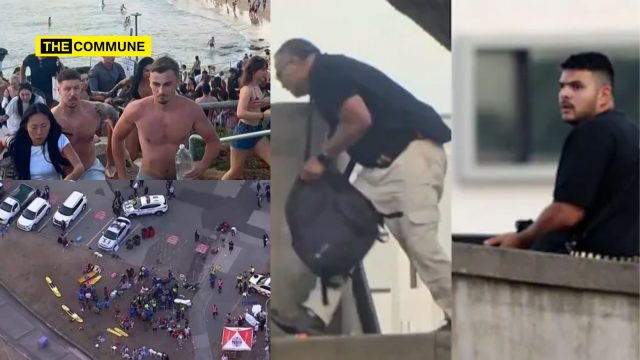
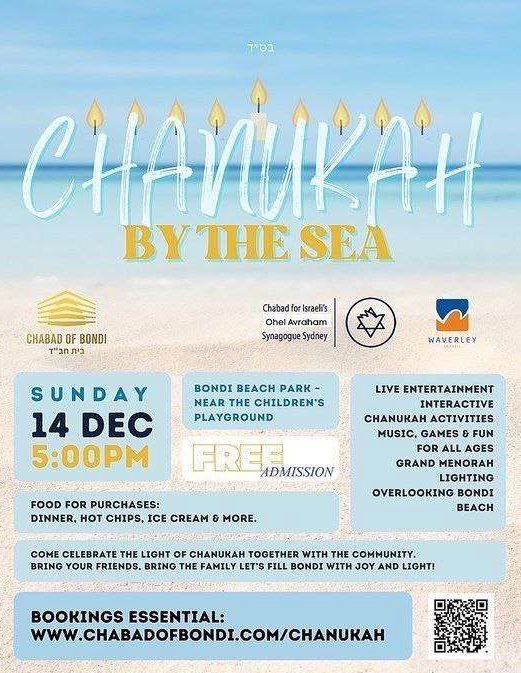
The sun-kissed sands of Bondi Beach, a global symbol of Australian leisure, became the scene of one of the nation’s deadliest terrorist attacks on the evening of Sunday, 14 December 2025. A joyous Hanukkah celebration, known as “Chanukah by the Sea,” was shattered by gunfire, leaving 16 people dead and more than 40 wounded in an act officially classified as antisemitic terrorism.
The Attack: Chaos by the Shore
The assault began in the early evening, around 6:45 PM AEDT, as hundreds of families and community members including children and elderly worshippers gathered near Archer Park and the Bondi foreshore for the festival of lights organised by Chabad of Bondi. Witnesses say two men in dark clothing opened fire from a pedestrian bridge and nearby ground‑level positions, sending crowds fleeing across the promenade, sand and surrounding streets as repeated bursts of gunfire echoed across the beachfront.
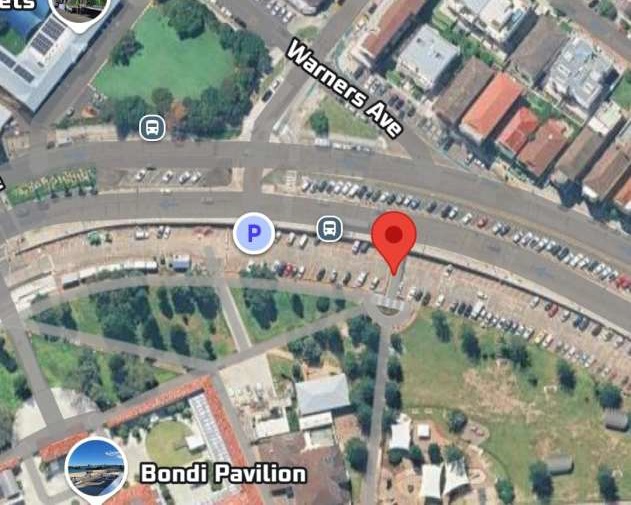
The attackers, later identified as a father-son duo, Sajid Akram, 50, and Naveed Akram, 24, focused their fire on a playground and dense gathering areas, firing more than 100 rounds.
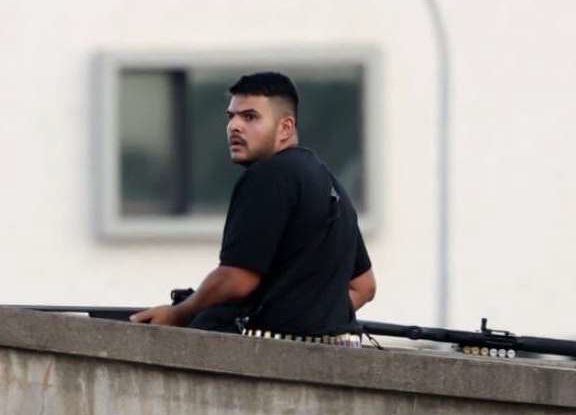
New South Wales Police responded rapidly, establishing a large exclusion zone on Campbell Parade and surrounding streets. In the confrontation, Sajid Akram was shot dead at the scene. His son, Naveed, was critically wounded by police and taken into custody. Authorities confirmed no other active shooters were at large.
A heroic act by an unarmed civilian, identified as Ahmed al-Ahmed (with conflicting reports naming Luca Carter), likely prevented further carnage.
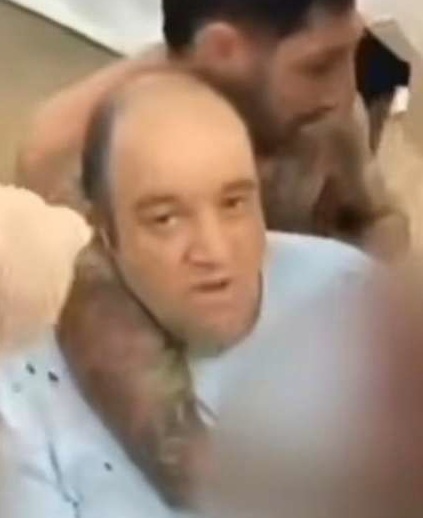
Footage shows the bystander tackling one gunman from behind, disarming him and forcing a retreat in the crucial final minutes before police secured the area.
The terror was not limited to firearms. In a chilling post-incident discovery, police bomb disposal units found suspected Improvised Explosive Devices (IEDs) and Islamic State (ISIS) flags in a vehicle linked to the attackers, indicating a planned multi-stage assault designed to also target first responders.
The Victims: A Community Targeted
The attack was a deliberate strike at Sydney’s Jewish community on the first night of Hanukkah. New South Wales Premier Chris Minns described it as an “act of evil antisemitism.” The victims, ranging in age from 10 to 87, reflected the multi-generational nature of the gathering.
Among the 16 fatalities were a 10-year-old child, two rabbis, and an 87-year-old Holocaust survivor, deaths carrying profound symbolic weight. Over 40 injured were rushed to hospitals, with several in critical condition. Among the wounded was Arsen Ostrovsky, a prominent Jewish human rights lawyer, who later posted a defiant message online. The trauma has extended beyond immediate survivors, deeply affecting schools, synagogues, and the entire community. In a deeply disturbing secondary incident, unknown persons set off firecrackers in apparent celebration of the attack.
The Perpetrators: A Radicalized Father-Son Duo
We have attempted to piece together a profile of the attackers, residents of Bonnyrigg in Sydney’s southwest.
Sajid Akram was a Pakistani citizen, a small business owner who operated a fruit shop. He held a legal firearms licence covering six registered weapons, all believed used in the attack.
His son, Naveed Akram, was an Australian national of Pakistani origin. His driver’s license, displaying a Pakistani cricket jersey, listed an address on Brown Road in Bonnyrigg.
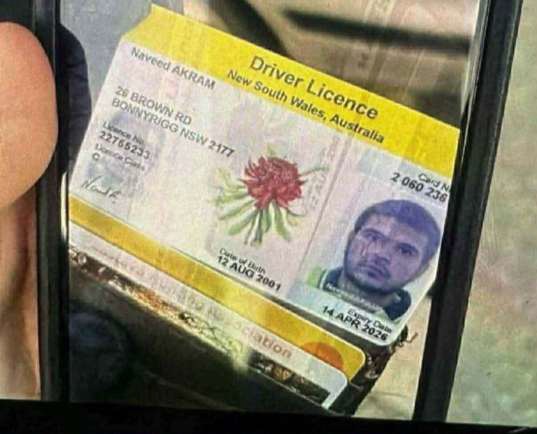
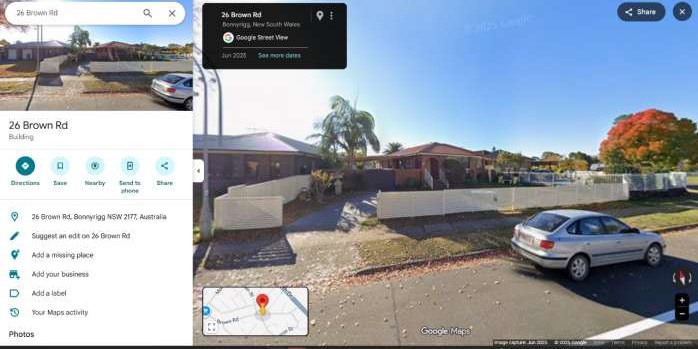
Born on 12 August 2001, he attended Cabramatta High School. Described as a recently unemployed bricklayer, he was a student at Central Queensland University in Sydney and had also been associated with the Al-Murad Institute, a private religious institute teaching Arabic and Quranic studies.
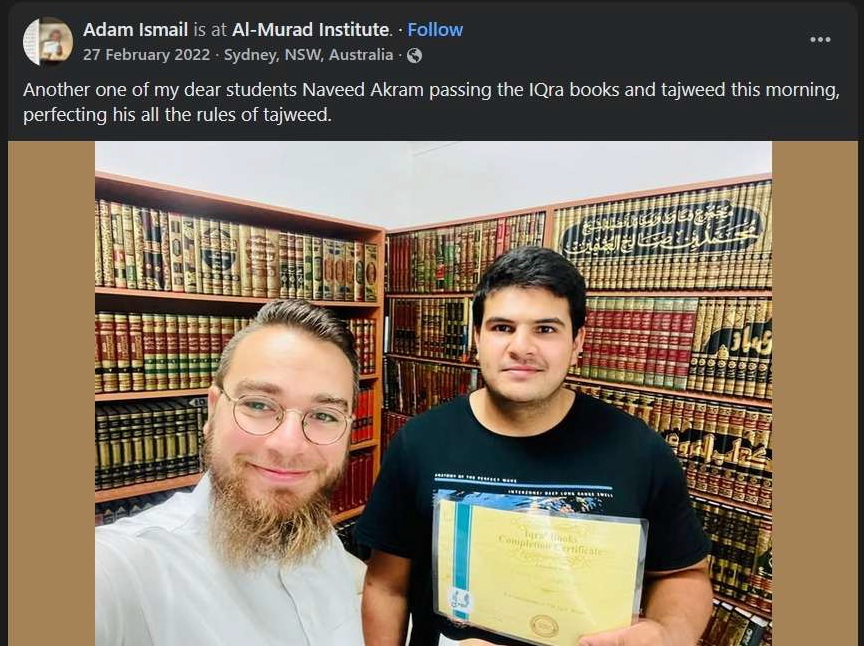
Open-source reports further suggest he studied at Hamdard University in Islamabad, Pakistan.
Videos of Naveed “spreading Dawah” have surfaced. In the video, he says, “Assalamualaikum, brothers. We’re here at Bankstown Station spreading dawah, doing the work of the prophets, continuing the work of the prophets. We’re here to spread the message that Allah is one and Muhammad is the last messenger of Allah. Guys, spread dawah wherever you can. Spread the message that Allah is one wherever you can. Spread the message by pamphlets, even if it is just one ayah, and whether it is raining, hailing, or clear sky, Allah will reward you for whatever actions you do in His cause. Inshallah, this will save you on the Day of Judgment, when everyone will be asking, “Oh, where’s the hope, where’s this?” This will come for you on the Day of Judgment. So come join us at Bankstown, or in your own area, and spread Islam. Assalamualaikum.”
Old video of the Pakistani origin Bondi Beach terrorist Naveed Akram being involved in ‘Dawah’ has surfaced pic.twitter.com/RpShzKP8Dr
— Journalist V (@OnTheNewsBeat) December 16, 2025
Disturbing new intelligence alleges that both men underwent military-style training in the southern Philippines just one month before the attack, a region known as a hotspot for Islamist militancy. Furthermore, financial irregularities are under scrutiny, including Naveed’s purchase of a house from his parents for $477,500 roughly 22 months prior, a transaction suspected of defrauding the NSW Treasury.
Intelligence Failures and Ideological Links
A significant failure has come to light. The Australian Security Intelligence Organisation (ASIO) had monitored Naveed Akram in 2019 for links to an Islamic State-linked terror cell led by Isaak El-Matari. However, ASIO concluded then that he was “known” but not an immediate threat, leading to no action on the family’s firearm access, a critical disconnect now under intense review.
The ideological profile points to Salafi-jihadist inspiration. The recovered ISIS flags align with this, and analysts note the attackers’ exposure to Salafi-leaning literature. The ideological alignment mirrors that of Pakistan-based terrorist organizations like Jaish-e-Mohammad (JeM) and Lashkar-e-Taiba (LeT), groups now under examination for potential links to the attackers. Reports from 2025 document a Hamas delegation’s visit to JeM headquarters in Bahawalpur, Pakistan, indicating active coordination. Unverified open-source claims even allege a transfer of 712.2 USDT (approx. 200,000 PKR) from Hammad Azhar, son of JeM founder Masood Azhar, to a Gaza-associated account, suggesting financial ties between JeM and Hamas.
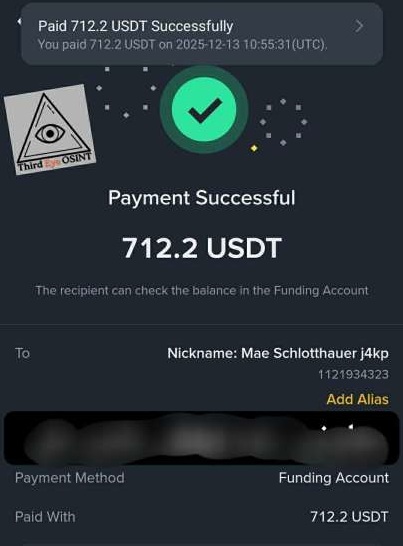
Israeli officials have suggested possible indirect roles for Iran or Hezbollah, though Australian authorities have not confirmed any international operational link.
Media Wars and the Pakistani Narrative
The attack triggered an immediate information war. While reputable global media identified the perpetrators’ Pakistani origin, major Pakistani television channels initially avoided naming the attackers or highlighting their nationality. Alternative Pakistani media, including ARY News, advanced narratives describing the attackers as Afghan and accusing Indian intelligence agency RAW of a “false flag” operation to tarnish Pakistan’s image. ARY framed Pakistan as a victim of “media terrorism” by Indian, Afghan, and Israeli outlets.
This deflection was starkly contradicted when Bloomberg published an erroneous report, later edited, that initially claimed the attackers travelled on Indian passports. Their revised article still controversially cited a Philippine immigration spokesperson labelling Sajid Akram an “Indian national,” a claim contested by all other official and journalistic sources.
National and Global Response
Prime Minister Anthony Albanese condemned the “dark moment” and “heinous antisemitic crime,” convening national security meetings. The NSW Police Commissioner formally declared it a terrorist incident. The national terror threat level remains at “probable.”
Policy responses are focusing on firearms law reform, specifically closing the gap that allows individuals with prior intelligence scrutiny to legally amass weapons. The NSW Joint Counter Terrorism Team (JCTT) has launched a comprehensive multi-agency investigation, with Australia deepening cooperation with Five Eyes partners and Israeli intelligence, including Mossad.
Globally, leaders from the US, UK, and India’s Prime Minister Narendra Modi offered condolences and solidarity. Israeli President Isaac Herzog condemned the antisemitism, while PM Benjamin Netanyahu controversially linked the attack to global policy debates, suggesting support for a Palestinian state risked emboldening extremists.
Subscribe to our channels on WhatsApp, Telegram, Instagram and YouTube to get the best stories of the day delivered to you personally.