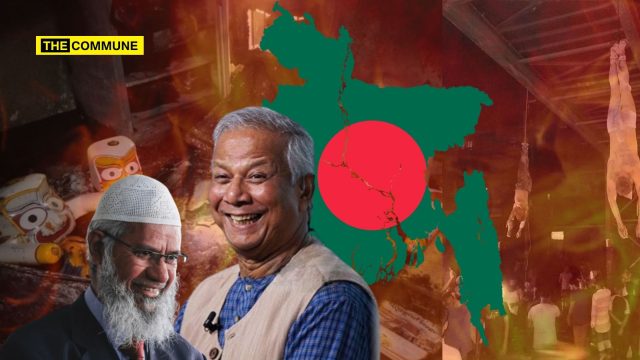
In a significant departure from previous policy, Bangladesh’s interim government, led by Nobel laureate Muhammad Yunus, is preparing to give controversial Islamic preacher and wanted Indian fugitive Zakir Naik a red-carpet welcome, marking a dramatic policy reversal nine years after the Dhaka terror attack that led to his ban. The visit, scheduled from 28 November to 20 December 2025, will be Naik’s first in Bangladesh and marks a notable reversal from the Sheikh Hasina administration’s long-standing ban on his activities.
According to organisers, the tour has received official approval and logistical support from government officials. Naik is expected to address large gatherings and deliver religious sermons at multiple venues across the country during his stay.
The decision represents a striking shift from Bangladesh’s earlier stance. Following the July 2016 Holey Artisan Bakery terror attack in Dhaka, the Hasina government had banned Naik’s television network, Peace TV, after one of the attackers reportedly told investigators he had been influenced by Naik’s sermons available online. The preacher left India soon after the incident and has since lived in Malaysia, where he obtained permanent residency.
Naik faces multiple charges in India under the Unlawful Activities (Prevention) Act and sections of the Indian Penal Code (now replaced by the Bharatiya Nyaya Sanhita) for allegedly promoting enmity among communities and delivering hate speeches. The National Investigation Agency (NIA) continues to pursue his extradition, but Malaysia has so far declined India’s requests.
Bangladesh’s clearance for the tour follows Naik’s high-profile visit to Pakistan in 2024, where the government extended official hospitality. During that trip, he was photographed meeting senior members of the banned terror group Lashkar-e-Taiba, including commander Muzammil Iqbal Hashmi, Muhammad Harris Dhar, and Faisal Nadeem; all of whom were designated as international terrorists by the U.S. Treasury Department in 2008.
Video footage verified by India Today showed Naik embracing these individuals at Lahore’s historic Badshahi Mosque, where he addressed a massive gathering of more than 150,000 people under tight security arranged by the Lahore police. Naik also met Pakistan Prime Minister Shehbaz Sharif during that visit.
The Yunus government’s decision to host Naik has sparked questions about Dhaka’s evolving religious and diplomatic posture. Analysts note that this move could have regional implications, potentially straining relations with India, which continues to seek Naik’s return to face trial on terrorism-related charges.
(Source: India Today)
Subscribe to our channels on WhatsApp, Telegram, Instagram and YouTube to get the best stories of the day delivered to you personally.