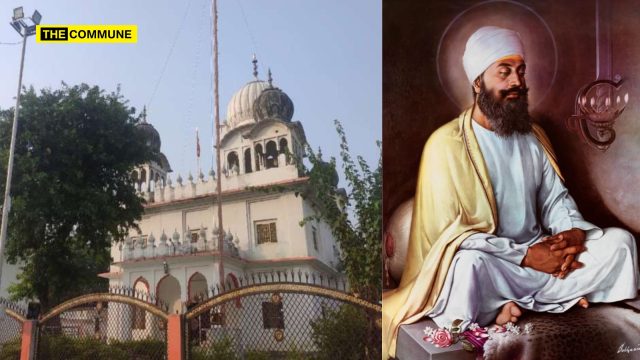
On 24 November 2025, RSS Sarsanghchalak Dr Mohan Bhagwat visited Gurdwara Brahmkund Sahib in Ayodhya on the 350th Martyrdom Day of Guru Tegh Bahadur. During the commemorative event, he paid homage to the Guru, calling his supreme sacrifice a guiding light for society, especially in times when the survival of dharma seemed uncertain.
Dr. Bhagwat emphasised that Guru Tegh Bahadur’s legacy of protecting religious freedom continues to inspire India’s social and spiritual fabric. The ceremony highlighted the Guru’s message of courage, righteousness and universal welfare, with the RSS chief urging people to uphold these values in contemporary life.
अयोध्या, 24 नवम्बर। राष्ट्रीय स्वयंसेवक संघ के सरसंघचालक डा. मोहन भागवत जी ने श्री गुरु तेग बहादुर जी के 350वें शहीदी दिवस पर गुरुद्वारा ब्रह्मकुंड साहिब में माथा टेक कर उनके अमर त्याग और बलिदान का स्मरण कर उनको नमन किया। उन्होंने कहा कि धर्म, न्याय, मानवीय मूल्यों और अधिकारों की… pic.twitter.com/z35X8nWXXu
— RSS (@RSSorg) November 24, 2025
A Legacy of Sacrifice: Guru Tegh Bahadur’s Martyrdom
The historical bonds between Sikh Gurus and Hindu traditions trace back to one of the most significant sacrifices in Indian history. In the 1670s, when Aurangzeb’s campaign of forced conversions targeted Kashmiri Pandits, the spiritual leaders of Hindu society, they turned to Guru Tegh Bahadur for protection.
Facing destruction of temples, desecration of sacred texts, and threats of conversion or death, a delegation of 500 Kashmiri Pandits led by Pandit Kirpa Ram approached the Guru at Anandpur Sahib in 1675. Guru Tegh Bahadur, embodying Sikh principles of defending the oppressed, declared his willingness to sacrifice himself to protect their right to practice their faith.
The Guru orchestrated a courageous strategy, asking the Pandits to tell Mughal officials: “If Guru Tegh Bahadur embraces Islam, we will too.” This brought him into direct confrontation with Aurangzeb. After months of imprisonment and witnessing the brutal execution of his three closest companions, Guru Tegh Bahadur was publicly beheaded in Delhi’s Chandni Chowk on 24 November 1675, for refusing to convert to Islam.
Ayodhya’s Gurdwara Brahmkund Sahib
In the ancient city of Ayodhya, where religious history runs deep along the banks of the Sarayu River, Gurdwara Brahmkund Sahib stands as a living monument to centuries of spiritual harmony between Hindu and Sikh traditions. This sacred site, significant to both faiths, has recently gained renewed attention for its historical and contemporary role in Ayodhya’s religious landscape.
A Site of Multi-Faith Reverence
Located near the Brahma Ghat, the Gurdwara occupies ground sacred to both communities. According to Hindu belief, this is where Lord Brahma meditated for thousands of years. For Sikhs, it marks the spot where Guru Nanak Dev Ji, the founder of Sikhism, meditated during his visit to Ayodhya around 1510-11 AD. The site later attracted subsequent Sikh Gurus, including Guru Tegh Bahadur and Guru Gobind Singh, who also prayed and meditated here.
Historical Significance and Legal Recognition
The Gurdwara’s historical importance extends beyond religious reverence. Guru Nanak’s documented visit to Ram Janmabhoomi was cited as evidence in Supreme Court judgments regarding the Ayodhya dispute, highlighting the deep historical Sikh connection to the city. Historical records from 1858 note that Nihang Sikhs entered the Ram Janmabhoomi complex and performed havan, further emphasizing this enduring relationship.
In contemporary times, Gurdwara Brahmkund Sahib continues to serve as an active center of Sikh worship and interfaith harmony. The Gurdwara regularly hosts Akhand Path ceremonies, including one held before the recent Pran Pratishtha at the Ram Mandir, demonstrating the continuing spiritual connection between the two communities. The site forms part of a network of historical Sikh shrines in Ayodhya, all located in close proximity, underscoring the city’s importance in Sikh heritage.
Symbol of Shared Heritage
Today, the Brahmkund area remains a pilgrimage destination for both Hindus and Sikhs. Devotees from both traditions bathe in the sacred waters of the kund and offer prayers at the Gurdwara, seeking blessings in a tradition that has continued for centuries. This unique spiritual space exemplifies the mutual respect and shared heritage that has characterized Hindu-Sikh relations in Ayodhya through the ages.
Subscribe to our channels on WhatsApp, Telegram, Instagram and YouTube to get the best stories of the day delivered to you personally.