


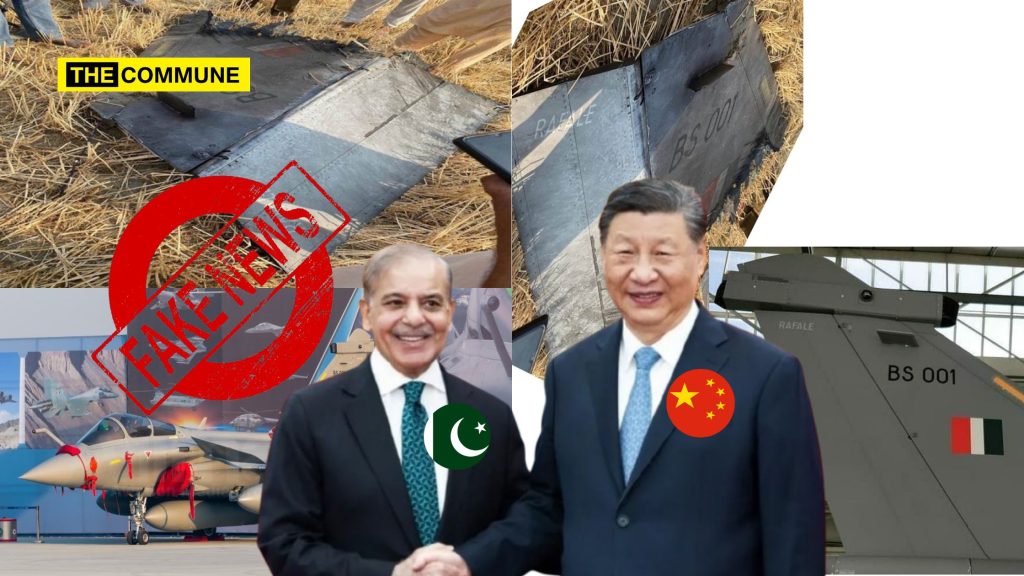
During high-stakes situations like the current standoff between India and Pakistan, while the Indian Armed Forces confront the enemy with bravery and precision, a parallel battle unfolds online. Both Pakistani and Chinese social media handles have intensified their disinformation campaigns, not only to deflect attention from their strategic failures but also to pacify domestic unrest and maintain an illusion of control.
China, rather than showcasing the effectiveness of its defense exports, has entered the realm of psychological warfare. This has included the use of advanced image manipulation tactics to support the false narrative that Pakistani air defense systems supplied by China successfully shot down five Indian aircraft. In reality, these claims have been thoroughly debunked, as the circulated images were either from unrelated past events or digitally doctored to mislead viewers.
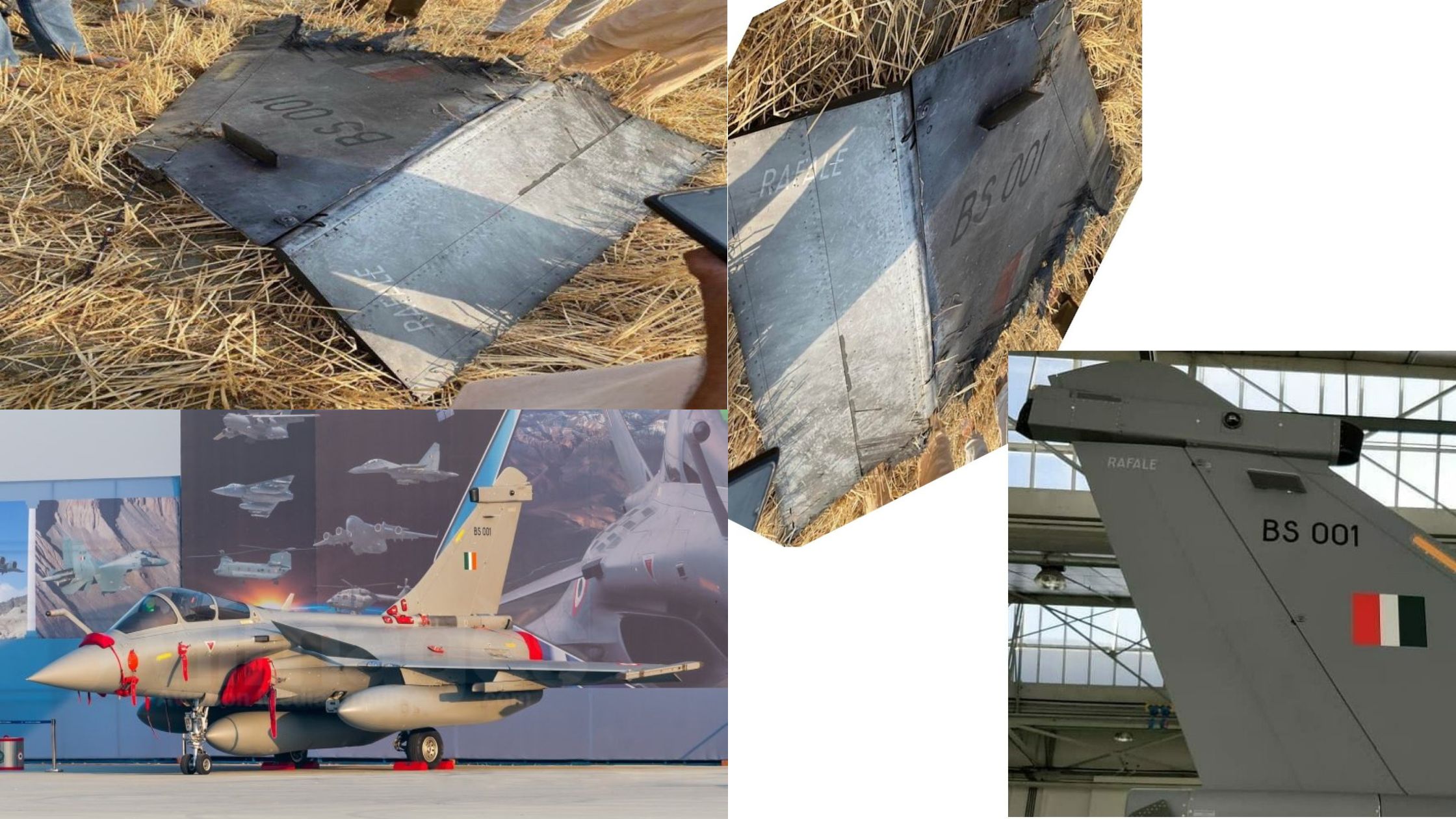

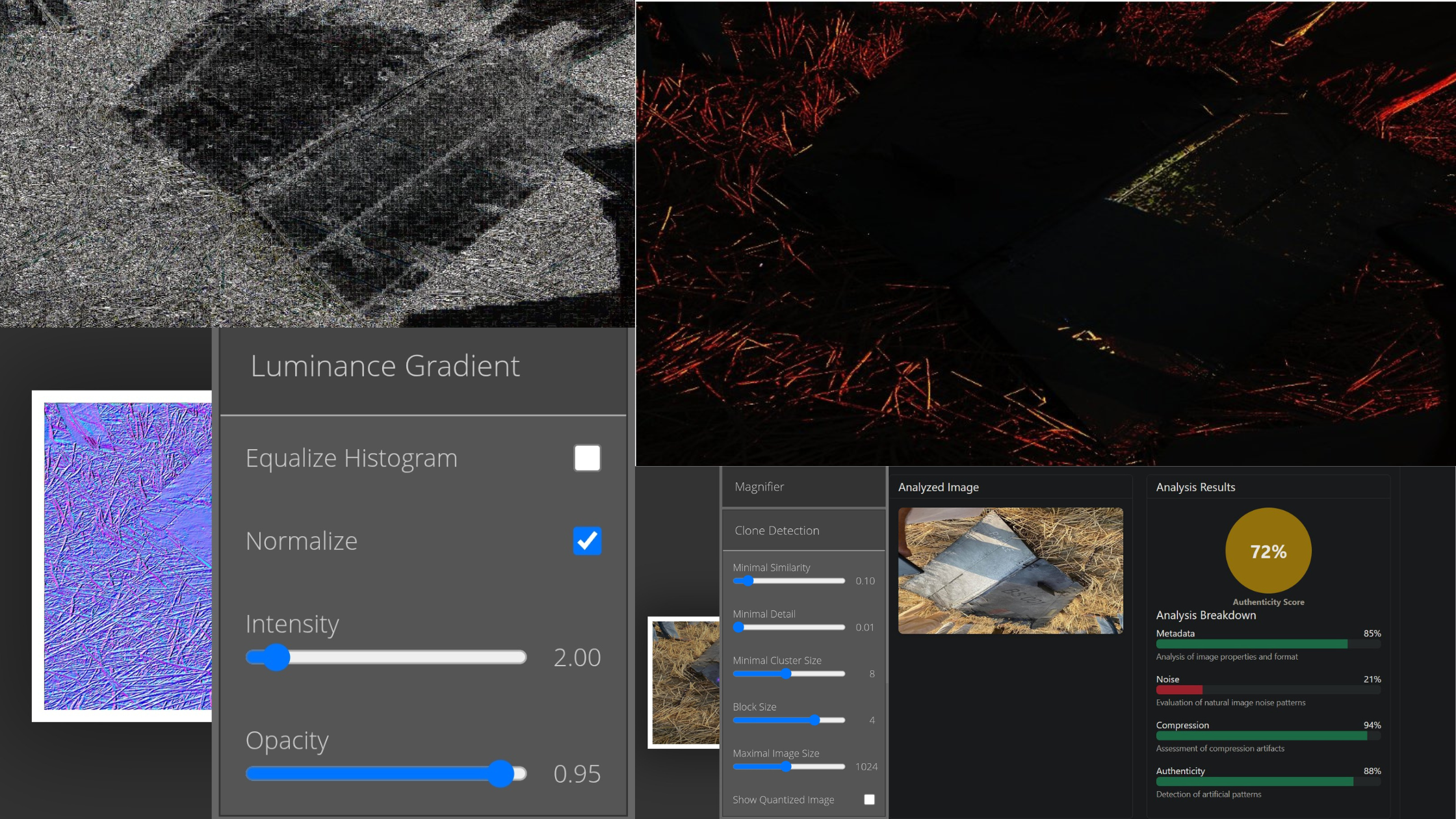
One of the most viral false claims involved the supposed downing of an Indian Rafale jet. At first glance, the image shared online appeared convincing, but detailed forensic analysis told a different story. Upon closer inspection using photo forensics tools, several indicators of manipulation were revealed: cloned areas indicating repeated patterns, inconsistent brightness levels exposed through Error Level Analysis (ELA), and abrupt lighting changes within the luminance gradient. These inconsistencies clearly pointed to digital tampering.
China’s involvement becomes even more apparent when considering the context. The manipulated image was intended to show the destruction of BS001—India’s very first Rafale, which had been widely publicized and symbolized India’s air superiority. This made it an ideal target for Chinese propaganda aimed at undermining India’s morale and credibility.
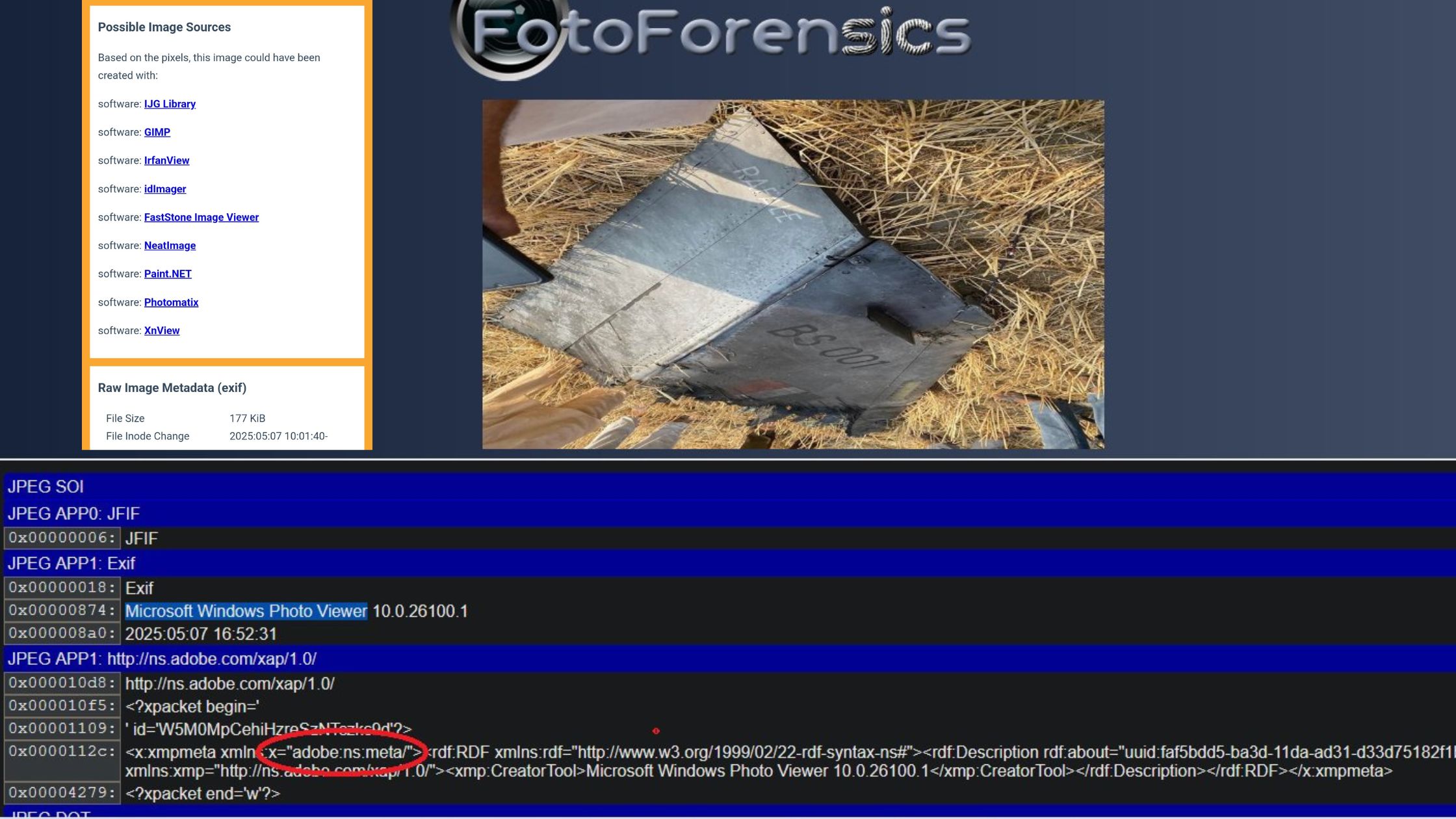
The forensic trail also suggests the image was edited using multiple software tools known for photo manipulation, such as GIMP, Paint.NET, and IrfanView. The repeated saving and editing further compromised its authenticity.
Moreover, China’s motivation isn’t limited to narrative control—it is also attempting to promote its PL-15 missile system and J-10C jets through these fabricated stories, positioning them as superior to India’s defense capabilities. However, these digital deceptions have been exposed by advanced image analysis tools, neutralizing the intended psychological impact.
In short, what we’re witnessing isn’t just fake news—it’s a sophisticated disinformation campaign backed by state actors, aiming to rewrite the outcome of real-world events through digital fiction. But in an age of technology, truth can fight back—and it is.
Our final conclusive observation –
– Rafale text is very off , alignment of tricolor is not to the last digit's place.Over and out! https://t.co/FZcvCv6K8G pic.twitter.com/uEd3ykZXPD
— Reach Defence (@reach_defence) May 7, 2025
Subscribe to our channels on Telegram, WhatsApp, and Instagram and get the best stories of the day delivered to you personally.