


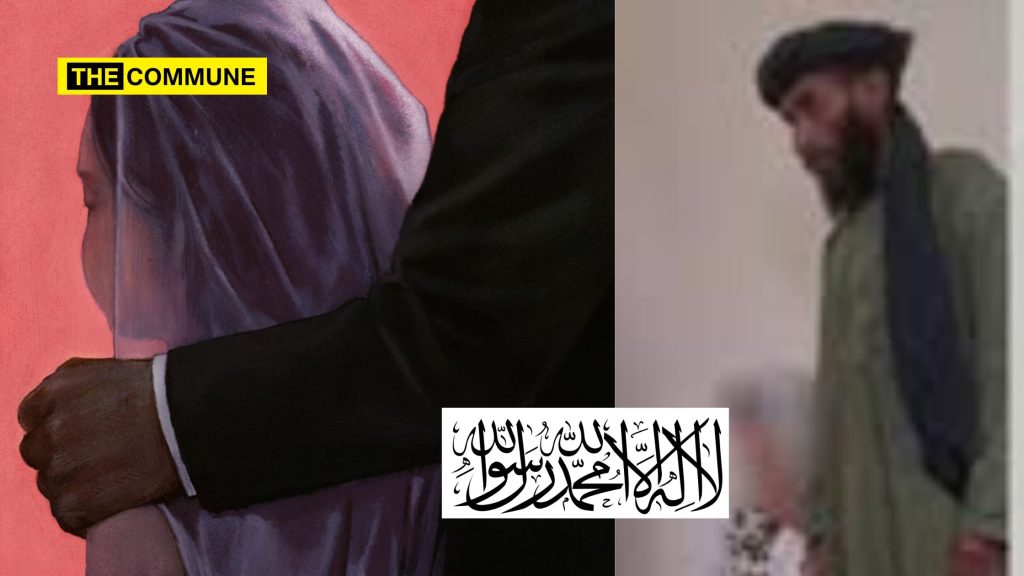
A disturbing case of child marriage in southern Afghanistan has triggered widespread condemnation after reports emerged that a six-year-old girl was married to a 45-year-old man in Helmand province’s Marjah district. The incident, which has gone viral on social media following the circulation of images from the wedding ceremony, has prompted criticism from Afghan citizens, human rights organisations, and international observers.
According to US-based Afghan news outlet Amu.tv, the man—who already has two wives—allegedly paid the girl’s family in a traditional walwar arrangement, a customary bride price determined by the girl’s appearance, education level, and perceived social value.
Local Taliban officials reportedly intervened after learning of the marriage and stopped the man from taking the child to his home. However, they stated that the girl could be sent to her husband’s household once she reaches the age of nine. While both the groom and the child’s father were arrested in Marjah, no formal charges have been filed. The girl currently remains with her parents, according to Hasht-e Subh Daily.
Since the Taliban’s return to power in 2021, rates of child marriage have surged sharply. A 2024 report by UN Women noted a 25% rise in underage marriages and a 45% increase in early childbearing, correlating the trend with the regime’s ban on girls’ education and the economic crisis affecting families nationwide. Afghanistan remains one of the countries with the highest number of child brides globally, according to UNICEF.
The country currently lacks a legal minimum age for marriage. The previous civil code, which set the minimum age for girls at 16, has not been reinstated. Marriages are now governed by the Taliban’s interpretation of Islamic law, primarily the Hanafi school of jurisprudence, which permits marriage at or around the onset of puberty. However, there is no formal or medical consensus on the age at which this occurs.
Human rights groups argue that such interpretations leave children vulnerable to abuse and exploitation. Girls subjected to early marriages often face severe health risks from premature pregnancies, as well as social isolation, lack of education, and increased exposure to domestic violence.
Last month, the International Criminal Court (ICC) issued arrest warrants for Taliban Supreme Leader Haibatullah Akhundzada and Chief Justice Abdul Hakim Haqqani on charges of crimes against humanity, specifically regarding their policies against women. The Taliban dismissed the warrants, calling them an “insult to the beliefs of Muslims.”
Meanwhile, restrictions on women continue to intensify across Afghanistan. Girls are banned from secondary schools and universities, and women are excluded from most public-facing jobs and recreational spaces. Travel without a male guardian is prohibited, and face coverings are mandatory in public.
Subscribe to our channels on Telegram, WhatsApp, and Instagram and get the best stories of the day delivered to you personally.