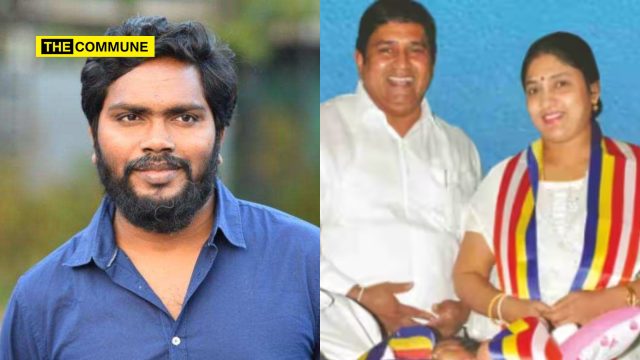
Director Pa Ranjith, long regarded as some sort of sole voice of Dalits in Tamil Nadu, announced that his Neelam Cultural Centre would support Porkodi Armstrong, wife of slain BSP leader K Armstrong, in the Thiru Vi Ka Nagar constituency ahead of the 2026 Tamil Nadu Assembly elections.
எளிய மக்கள் அரசியல் அதிகாரம் பெற வேண்டுமென்பதற்காகவும்,அடித்தள மக்களின் முன்னேற்றத்திற்காகவும் தம் இறுதிக் காலம் வரை
பணியாற்றி வந்தவர் அண்ணன் ஆம்ஸ்ட்ராங்.கடந்த 2024 ஆம் ஆண்டு அவர் படுகொலை செய்யப்பட்டதை தொடர்ந்து, அவரின் அரசியல் பணியை தொடர்ந்து முன்னெடுக்க
தமிழ் மாநில பகுஜன்… pic.twitter.com/ODVapLqp1B— pa.ranjith (@beemji) March 29, 2026
The announcement triggered a sharp backlash from within the Dravidianist DMK ecosystem and raised uncomfortable questions about Ranjith’s own political consistency.
Porkodi Armstrong is contesting on the AIADMK Two Leaves symbol, under a formal alliance that includes the BJP. Ranjith’s endorsement tweet made no mention of the BJP. He framed his support entirely around justice for Armstrong’s murder and Dalit representation. However, that silence is itself a political choice.
What has sharpened the criticism is Ranjith’s track record under the current DMK government. For the better part of five years, as caste atrocities mounted across the state and Armstrong himself was killed under DMK’s watch, Ranjith’s primary mode of engagement with the ruling establishment was letters and meetings with CM Stalin – not the kind of public or celluloid confrontation which he would’ve done if it happened under AIADMK regime. In February 2025, he wrote to Stalin flagging caste-based violence, offering to compile a report of Dalit atrocities for Dalit MLAs to raise in the assembly. That is the posture of a man negotiating with power, not challenging it.
Ranjith’s endorsement comes at a moment of maximum electoral value – weeks before polling, in a reserved constituency where DMK won by nearly 50,000 votes last time. By endorsing Porkodi without naming the BJP, Ranjith appears to be threading a needle: maintaining credibility with leftist anti-BJP Dalit intellectuals while opening a channel toward the NDA camp. For a filmmaker who consistently invokes Ambedkar’s political philosophy, the move sits uneasily. Ambedkar was explicit that political alliances carry moral weight — that you cannot separate a candidate from the structure that fields her.
The response on X has been telling. Dalit voices that reliably anchored themselves to the DMK-VCK camp are now publicly divided. The VCK has said nothing, which, for a party that never misses a chance to speak on Dalit rights, is itself a statement. Ranjith has cracked open a fault line that the ruling alliance will struggle to seal before polling day.
What the episode ultimately reveals is not just Ranjith’s choices but the DMK’s failure to retain a constituency it long took for granted. By delivering little on Dalit rights over five years, the party created the very vacuum that Ranjith is now stepping into. Whether that makes him a visionary or an opportunist riding a convenient wave is a question Tamil Nadu’s voters will weigh on election day.
Subscribe to our channels on WhatsApp, Telegram, Instagram and YouTube to get the best stories of the day delivered to you personally.