For years, Tamil cinema’s ecosystem has operated within a tight ideological comfort zone. Narratives, heroes, villains, even humour – all carefully orbiting a familiar political gravity. Step outside that line, and the system pushes back.
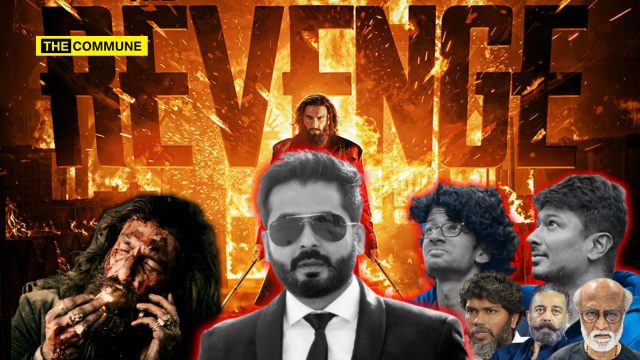
And then comes Dhurandhar.
Not with noise. Not with endorsements. But with something far more disruptive – audience validation.
From cities to interior towns across Tamil Nadu, theatres have reported packed houses and sold-out shows. Not just in Chennai, but in Tier 2 and 3 towns – far from the echo chambers of elite discourse. The message is unmistakable: the audience is not where the ecosystem thinks it is.
The sold-out shows in Tirunelveli and Pollachi are not a footnote. They are a sentence.
SOLD OUT 🔥#DhurandharTheRevenge Pure Boxoffice Dominance 💥💥 pic.twitter.com/eXBpGUXZV5
— Ram Muthuram Cinemas (@RamCinemas) March 21, 2026
Dhurandhar 2 super viral in TN… Tier 2-3 cities Hindi language screens sold out, full memes about Jameel, Uzair also by Tamil Youth… 1 film destroyed decades built Oppression depression constipation Dravidian Cancerous Ideology which millions were spent during movie propagation
— Pagan (@Pagancholo) March 22, 2026
🚨Housefull Loading! 🔥 Dhurandhar 2 (Tamil) is filling TOO FAST! 😱💥
We’ve added EXTRA NIGHT SHOWS….🎟️🌙
.
Don’t wait till it’s SOLD OUT ❌
Book your tickets NOW and enjoy the mass action on the big screen! 🍿🔥
.#Dhurandhar2 #TamilMovie #HousefullSoon #ExtraShowAdded… pic.twitter.com/DGe1O544cC— SPR CINECASTLE (@SPRcinecastle) March 22, 2026
This is the scene @Pollachi a Town 40 km away from Coimbatore for #Dhurandhar2 today’s 3:15 PM Show
It’s not wise to blame people 🤷🏽 pic.twitter.com/kt25xvEIwk
— Yuvaraj Ramalingam (@YuvarajPollachi) March 22, 2026
For years, a specific ecosystem has operated a quiet but ruthless cultural veto over Tamil screens. Films are filtered through an unspoken test: does this cinema respect the Dravidian framework? Does it mock “Sanghi” characters? Does it position Brahmins as villains? Does it signal the right caste loyalties? Films that pass get industry promotion, Tamil media celebration, and social media amplification by thousands of blue-tick handles. Films that fail the test get quietly strangled – limited screens, hostile reviews, coordinated trolling of the cast.
And then Aditya Dhar arrived.
He is not from Tamil Nadu. He is not from the Dravidianist or leftist ecosystem, either. He is a Kashmiri Pandit who made Uri: The Surgical Strike from the scar of a genocide his community faced that the leftist ecosystem, including the Dravidian progressives, spent years refusing to acknowledge. He carries no caste stamp, no political godfather in TN, no pre-clearance from the ecosystem’s gatekeepers. He simply made a film about India, its soldiers and Indian justice, and trusted audiences to respond.
They did. In numbers that left no room for spin.
In January 2026, Sivakarthikeyan’s Parasakthi – a film that arrived with full ecosystem endorsement, DMK cultural backing, heavy Tamil media push, and the implicit promise of political relevance heavily choked at the box office. The contrast could not be sharper or more instructive. One film was built for approval from the cartel. The other was built for the audience. Tamil audiences, as they always do when the choice is honest, chose the latter.
What Dhurandhar : The Revenge’s Tamil Nadu performance dismantles is the central myth the Dravidian left has peddled for decades: that the Tamil audience is uniquely insulated from “nationalist sentiment,” that patriotism is a North Indian import, and that any film touching military valour or justice for victims of terrorism is ipso facto “BJP propaganda” and therefore unwatchable below the Vindhyas. The people queuing in Tirunelveli district’s tier-2 multiplexes, buying out shows in a Hindi film they watched in dubbed Tamil, did not consult others before buying their tickets.
Producers across Chennai are watching the numbers very carefully. The arithmetic is brutal: when a non-ecosystem film reportes housefull shows from Tamil Nadu in four days without a single Tamil industry star or a gram of Dravidian cred, the calculation of what Tamil audiences will actually pay for changes permanently. The ecosystem’s power was never cinematic; it was logistical – controlling screens, controlling reviews, controlling the narrative of what is “acceptable Tamil cinema.” That control just took its biggest hit in years.
Aditya Dhar may not yet fully grasp what he has accomplished south of the Vindhyas. He went after a story. He got a cultural earthquake.
Subscribe to our channels on WhatsApp, Telegram, Instagram and YouTube to get the best stories of the day delivered to you personally.