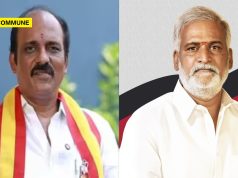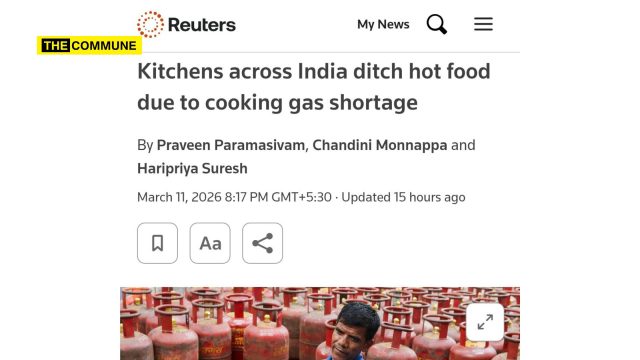
On 11 March 2026, Reuters published a piece titled “Kitchens Across India Ditch Hot Food Due to Cooking Gas Shortage” – bylined by three Indian journalists: Praveen Paramasivam, Chandini Monnappa, and Haripriya Suresh.
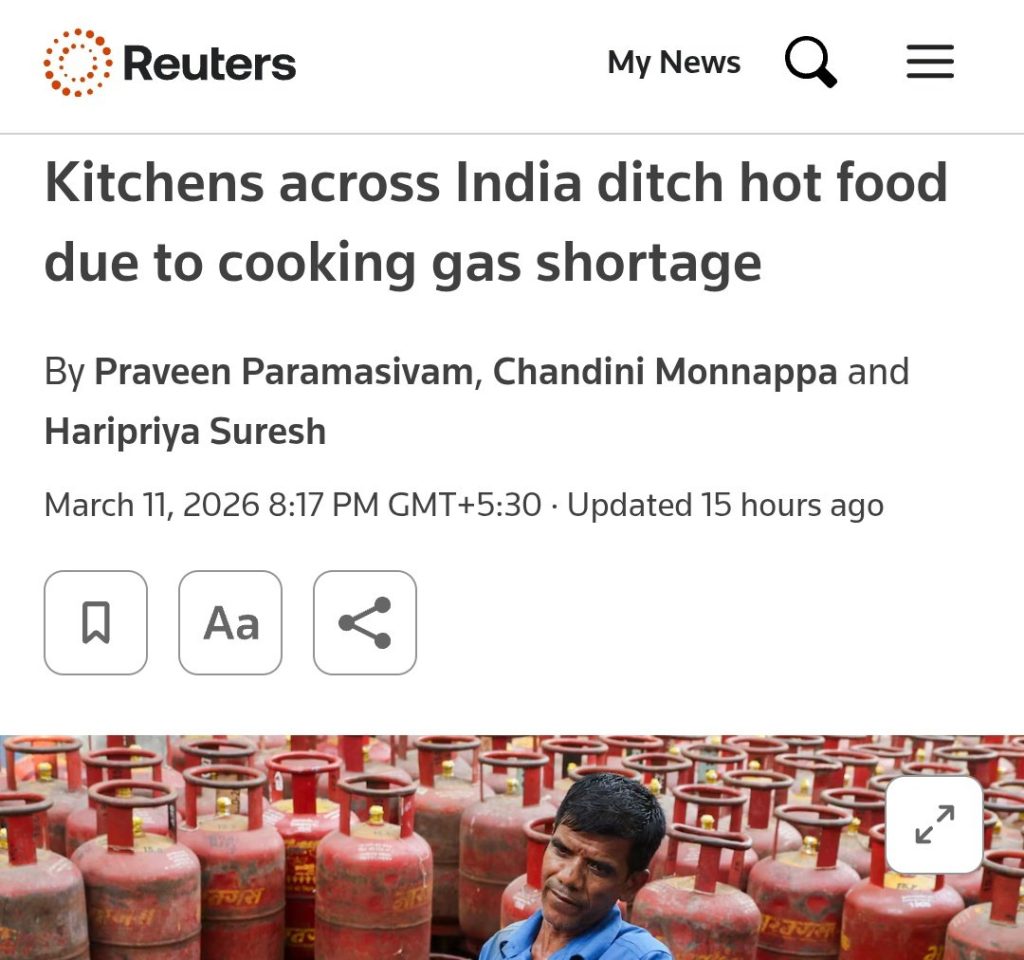
The headline tells you everything about the intent. Not “India responds to global LPG crisis.” Not “Iran war disrupts South Asian gas supply.” Just: Indians can’t cook their food. Humiliation, packaged as journalism.
The Crisis They Chose Not to Explain
The LPG disruption affecting India in March 2026 has a clear, documented cause: the ongoing US-Israel-Iran war severely disrupted shipping through the Strait of Hormuz, through which nearly 90% of India’s LPG imports transit. This is a global geopolitical crisis – not an Indian governance failure. Every nation dependent on Middle Eastern LPG faced the same shock. Reuters buried this context and led instead with the image of cold kitchens and helpless households.
What Reuters Deliberately Ignored
By the time Reuters published their piece on March 11, the Indian government had already been in full crisis response mode for five days:
- March 6: Emergency powers invoked, all refiners ordered to maximise LPG output
- March 9: Anti-hoarding measures activated; re-booking interval increased to 25 days
- March 10: IOCL, HPCL, BPCL all running at full capacity, domestic output boosted by 25%
- March 10: Reliance Industries confirmed it was maximising LPG production
- March 10: Government officially stated India was “in a better position than several other nations”
None of this was Reuters’ angle. None of this made the headline. A wire agency that had any genuine interest in informing its global readers would have written the story of an effective emergency response. Instead, Reuters chose the image of cold food and distressed families.
The Reuters India Playbook
This piece did not exist in isolation. Reuters had been systematically escalating its India-negative LPG coverage all week – on 10 March 2026, they published “Indian Restaurants Warn of Shutdowns”, and separately framed India’s Essential Commodities Act activation using the loaded legal term “force majeure” – a phrase that implies contractual distress and helplessness. It was deliberate. It was a pattern. Reuters got maximum international syndication out of India’s temporary difficulty while aggressively minimising the recovery narrative.
The Three Brown Sepoys
And then there are the bylines – three Indian journalists writing for a British-American wire service headquartered in London. This is the most corrosive element of the piece. Praveen Paramasivam, Chandini Monnappa, and Haripriya Suresh did not stumble into bad journalism. They delivered exactly what Reuters’ editorial machinery rewards: an India-struggling story with Indian names attached, providing the piece a false credibility of insider authenticity.
This is digital continuation of a colonial-era tradition – the native informant who supplies the empire with evidence of the natives’ incapacity. Western media has long understood that negative India narratives land harder when an Indian name is on the byline. It outsources the optics of bias while keeping the editorial agenda intact.
These three journalists had the same facts available to them as every Indian outlet. So many media houses reported the disruption and the government’s swift response. The choice to omit the response, amplify the chaos, and publish it under a globally circulated wire agency was calculated.
The Bottom Line
Reuters manufactured a narrative of Indian helplessness during a crisis triggered entirely by forces outside India’s control and it did so with the three Indians, better off as Brown Sepoys, to sign it. Sharp editors, convenient bylines, and zero accountability. That is the Reuters India formula.
Subscribe to our channels on WhatsApp, Telegram, Instagram and YouTube to get the best stories of the day delivered to you personally.