Carnatic vocalist TM Krishna has built a career peddling “social justice” from elite stages while systematically demonizing the very Hindu traditions that elevated him.
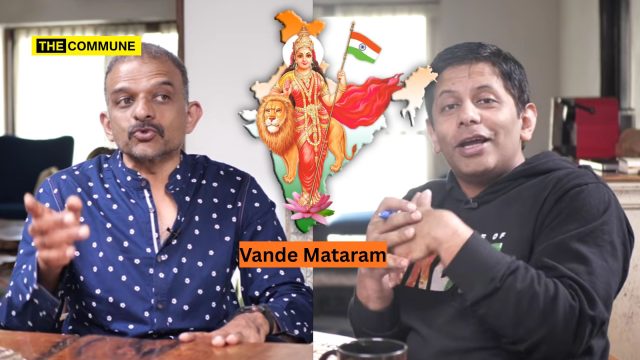
In a recent interview with Pro-Congress YouTuber Akash Banerjee’s The Deshbhakt, while promoting his book We the People of India: Decoding a Nation’s Symbols, he calls our patriotic songs “communal hate anthems,” labels Brahmin culture “oppressive,” and paints Hindu pride as a threat to democracy. For ordinary Hindus who light lamps at home temples and sing Vande Mataram with tears in their eyes, this feels like betrayal. Here’s why his ring hollow from a man living off the very system he attacks.
Turns Vande Mataram Into A “Muslim-Hate Song”
Krishna says: “This is a song that is sung by the Hindu sanyasins while they’re attacking villages where Muslims live. This is a song that is an initiation song for getting into that cult.”
He even rejects softer views, saying it’s not just against “anti-Muslim rulers” but straight-up “anti-community” pushing “Hindu superiority.”
This is pure distortion. Vande Mataram fueled India’s independence – from Bal Gangadhar Tilak chanting it in jail, to Aurobindo calling it a call to arms, to crowds facing British lathis in 1905 Bengal. Bankim Chandra wrote it in Anandamath against foreign tyrants, not a blanket war on Muslims. Congress leaders in 1937 approved the first two stanzas exactly to calm fears from Muslim League objections. Why does Krishna ignore Islamic slogans used in anti-Hindu attacks? He only shames Hindu symbols. Krishna freezes our song in guilt mode, ignoring its role in uniting Hindus, Muslims, Sikhs against the Raj. Why no outrage over “Allahu Akbar” mobs torching Hindu homes? Hindu symbols alone must apologize?
Jana Gana Mana: Selective Innocence For the “Secular” Choice
Contrast his gushing over Jana Gana Mana: “Tagore writes it after he’s irritated… it’s a protest song celebrating the Adhinayak who is the eternal charioteer.” He waves off pro-George V durbar myths as “rubbish,” insisting it’s pure unity-in-diversity.
Double standards much? He gives Tagore every benefit of the doubt – brushing off 1911 durbar timing as coincidence while nailing Vande Mataram for its every ambiguity. Both songs sparked real Constituent Assembly fights in 1949-50. Nehru called Vande Mataram “plaintive and mournful,” tough for marching bands—not some Durga-worship taboo. Today, the government says both have “equal respect.” If Vande Mataram’s mother-goddess lines are “cultish,” why not grill Jana Gana Mana’s god-king “Adhinayak” for the same? It’s suspicion for Hindu vibes, kid gloves for “secular” ones.
“Brahminical Oppressive Framework”: Self-Loathing Privilege
Krishna says, “Anti-Brahminical oppressive framework… it has no space in a democratic equal society.”
Hello? Krishna is a Brahmin Iyer who sings in temples and sabhas built by that “framework.” He got Padma awards and global fame from Carnatic music. He even smeared MS Subbulakshmi saying she “Brahminised herself” to fit in. If it’s so bad, why not quit the stages and awards it gave you?
Krishna, a Brahmin himself, commands global fees, awards, and Music Academy honours built on so-called “Brahminical” Carnatic ecosystems, Thyagaraja kritis he once trashed as “casteist.” He’s no slum reformer; he’s a jet-setting intellectual monetizing victimhood narratives. Remember his smear on MS Subbulakshmi, about how she “Brahminised herself… distanced from her Devadasi origins to become an ideal Brahmin woman”? Backlash was rightful, yet he persists, weaponizing “caste” to shame icons while pocketing their legacy. If Brahminical structures are so vile, why not renounce your kutcheris and titles?
Hindi Push Is Blackmail, Dravidian Bigotry Is Emancipatory
He frames three-language formula as central “blackmail”: “Take Hindi or lose funds… Hindi-dominated thought process.”
Silent on the flip side. Krishna echoes the DMK-Periyar playbook perfectly well – glorify a man who called Hindu gods “brahmin fiction” but stays quiet on their attacks on Hindu gods, Sanskrit, or temple lands. Hindi bothers him; Tamil-only hate doesn’t. That’s not fairness, it’s Dravidian favoritism in progressive clothing.
Loves Old Congress (Nehru-era) Rule, Hates Hindu Voice Today
He waxes poetic: Founding fathers had “optimism and foresightedness” we must ‘reclaim’. Today? “Darkness,” “violence,” “cancellations” where you “get into trouble” questioning the Preamble.
Pure fantasy that is. He romanticizes Congress secularism while ignoring Emergency, Shah Bano betrayal, anti-Hindu legislations while painting Hindu self-assertion as authoritarian. Fraternity? Only if Hindus mute their majority identity for minority comfort.
His Buddhist-tinged “fraternity” and “maitri”? For his sake, Hindus must shrink their festivals, symbols for minority ease with no reciprocal nod to Hindu pains: Wakf land grabbing, converting temples to mosques (Beejamandal for example), love jihad cases, or erasing Hindu share in our own land. One-way street.
Falsely Splits Hindu Patriotism From Hindutva
Krishna reduces Vande Mataram to what sounds like a fringe ideological test, implying that Hindu reverence for it is inherently “exclusionary” or communal. By spotlighting selective misuse, he erases its civilizational role as a unifying freedom song rooted in anti-colonial resistance and cultural nationalism.
This creates a fake divide between Hindu patriotism and Hindutva. For generations, from Tilak to countless freedom fighters, Vande Mataram symbolized devotion to Bharat Mata and the civilizational soul of India, not partisan politics. Krishna delegitimizes this mainstream Hindu attachment by portraying it as ideological rather than historical.
In doing so, he recasts Hindu cultural pride, whether in temples, dharma, or national symbolism, as a threat, reinforcing familiar left-liberal stereotypes that seek to pathologize Hindu identity while ignoring its plural, organic place in India’s nationhood.
Krishna’s Cult Of Selective Shame
He preaches “feel and think,” “dignity for all,” that kids must be taught ‘anti-bigotry’. Noble on paper. But it’s Hindus who are shamed into silence, their icons dissected for flaws, while others skate free. Reform? Sure.
Hindu society isn’t flawless, but Krishna’s project isn’t reform; it’s demolition. Maybe Krishna should try telling that to the other side too, like how he sings songs wearing the skullcap.
Ordinary Hindus built this nation with bhakti and blood. Patriot Hindus will sing Vande Mataram louder, light more lamps, claim temples back. India shines brightest when her majority stands tall, not while whispering sorry for existing.
Subscribe to our channels on Telegram, WhatsApp, and Instagram and get the best stories of the day delivered to you personally.