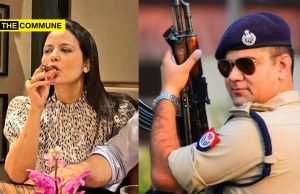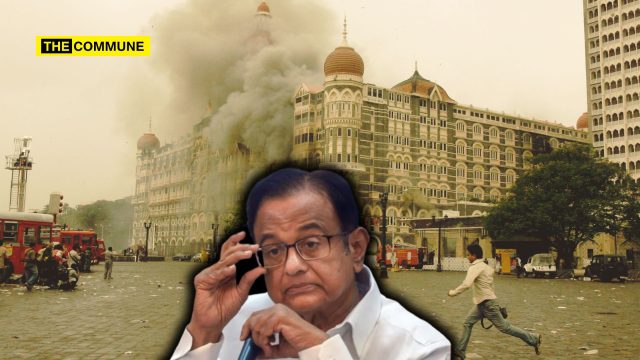
In a stunning revelation, former Union Home Minister P Chidambaram has disclosed that he personally advocated for a military response against Pakistan following the devastating 26/11 Mumbai terror attacks but was overruled by the top Congress leadership, then led by party president Sonia Gandhi.
Chidambaram, who took charge of the Home Ministry on 1 December 2008, in the immediate aftermath of the attacks, made these statements during a recent interview. His comments provide the clearest insider account yet of the internal government debate and pinpoint where the decision against retaliation was made.
“It Did Cross My Mind”: From Reluctant Minister to Advocate for Retribution
The former minister revealed he was a reluctant appointee, stating he had to be ordered by Prime Minister Manmohan Singh to take the job.
He stated that the selection was done by Sonia Gandhi as well. He said, “I think it was a Sunday when I was called by the Prime Minister in the morning, and he said, we are moving you from finance to home. I said, but I don’t wish to go. He said, we have already taken a decision. He said, Mrs. Gandhi was Congress president, naturally.”
Once in office, he immediately grappled with how to respond to the Pakistan-orchestrated attack that left 166 Indians dead. When asked if retribution crossed his mind, Chidambaram confirmed, “Yes, I did discuss it with the Prime Minister and other people who mattered.”
He explicitly stated, “Without disclosing any official secret, it did cross my mind that we should do some act of retribution.”
The “Prevailing” View: Diplomacy Over Deterrence
However, Chidambaram clarified that his personal stance was overruled. He attributed the final decision to – “Yes, I did discuss it with the Prime Minister and other people who mattered. Apparently, the Prime Minister had discussed this even when the attack was going on. I don’t know, I can only surmise. The conclusion was largely influenced by the MEA and the IFS that we should not physically react but employ diplomatic means.
He also revealed intense international pressure, noting that then-US Secretary of State Condoleezza Rice flew to Delhi to personally urge India “please don’t react.”
He said, “That was a conclusion at that time – and remember, the whole world was descending upon Delhi to tell us not to start a war. For example, Condoleezza Rice, who was then Secretary of State, flew in two or three days after I took over to meet me and the Prime Minister and to say, “please don’t react.” I said, this is a decision which the government will take.”
When asked if he thought that the UPA government went soft on terror back then, P. Chidambaram said, “No, it was not soft on terror. We did not retaliate for reasons. My personal view was we should have. But I don’t decide on my personal view. I take on the strengths and weaknesses of the government.”
India’s Home Minister post 26/11 terror attack P. Chidambaram, who took over as Home Minister on 30th November, says:
“HE PERSONALLY FELT INDIA SHOULD HAVE GIVEN A BEFITTING REPLY TO PAKISTAN BUT I WAS PREVAILED”
It’s clear Sonia Gandhi did not want India to attack Pakistan… pic.twitter.com/rzQQfbSs2i
— Pradeep Bhandari(प्रदीप भंडारी)🇮🇳 (@pradip103) September 29, 2025
A Pattern of “Softness”?
This admission places a glaring spotlight on the decision-making of the Congress-led UPA government and its top leadership. The revelation that the Home Minister, the official responsible for internal security was in favor of a military response, but was “prevailed” upon to stand down, confirms long-held criticisms of the government’s hesitant approach to terrorism.
This stands in stark contrast to the policy of the current government, which has authorized kinetic strikes like the 2016 surgical strikes and the 2019 Balakote airstrike in response to major terror attacks.
The 26/11 decision now appears to be part of a broader pattern, from the controversial questioning of the Batla House encounter to the recent criticism of operations like ‘Sindoor’ and ‘Tilak’. Chidambaram’s testimony makes it clear that when faced with a historic provocation, the ultimate authority in the Congress party, Sonia Gandhi, presided over a policy of restraint that many Indians perceived as weakness, leaving the nation’s call for justice unanswered.
Subscribe to our channels on Telegram, WhatsApp, and Instagram and get the best stories of the day delivered to you personally.