Dr Wahid Deen Mohammad Shaikh, who was acquitted after spending nine years in prison in connection with the 2006 Mumbai train blasts, has filed a formal plea seeking ₹9 crore in compensation for the prolonged incarceration and its devastating impact on his life and family.
Shaikh has approached the National Human Rights Commission (NHRC), Maharashtra State Human Rights Commission (MSHRC), and the National Minority Commission (NMC), asserting that the state owes him reparations for his unjust imprisonment and the emotional, physical, and financial toll it took.
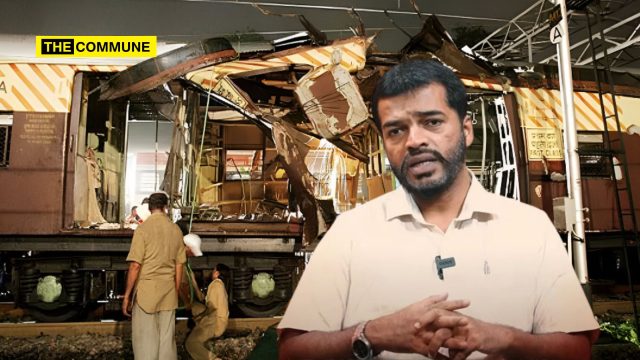
The 2006 Mumbai serial train bombings involved coordinated explosions on seven local trains during peak hours, claiming 187 lives and injuring over 800 passengers. The case was investigated by Maharashtra’s Anti-Terrorism Squad (ATS), which arrested 13 individuals, including Shaikh, under the Maharashtra Control of Organised Crime Act (MCOCA).
Following a prolonged legal battle, a special court acquitted Shaikh in 2015 due to lack of evidence, while sentencing the remaining 12 accused to either life imprisonment or death. However, in July this year, the Bombay High Court overturned those convictions as well, acquitting all the remaining co-accused.
Now 46, Shaikh recounted his traumatic experience, “I was only 28 when I was wrongly accused under MCOCA. I spent nine years in prison, suffering inhumane treatment, until I was finally cleared of all charges on 11 September 2015. Though I walked free, those lost years and the suffering my family endured can never be reclaimed.”
Shaikh detailed the personal and familial damage caused by his incarceration. He spoke of the physical abuse he suffered in custody, which led to lasting health problems including glaucoma and chronic pain. His father passed away while he was in jail, his mother’s mental health declined, and his wife struggled alone to raise their children, who faced social ostracism and stigma. Financially devastated, Shaikh continues to carry a debt of nearly ₹30 lakh.
“Those years took away my youth, my dignity, and my future,” he said. “My education and career were derailed. I now work as a school teacher, trying to rebuild my life while living with the burden of a false label.”
When asked why he delayed seeking compensation, Shaikh explained that out of moral responsibility, he chose to wait until the other accused still imprisoned were also acquitted. “I didn’t want to file for compensation while my co-accused were suffering harsher sentences. I feared it might worsen their condition. Now that we’ve all been acquitted, it’s clear the entire case was fabricated. Justice demands that I be compensated.”
In his submissions to the human rights and minority commissions, Shaikh has cited legal precedents where compensation was granted to victims of wrongful imprisonment, insisting that he is entitled to meaningful restitution.
“No amount of money can return what I’ve lost,” he said. “But compensation is a recognition of the injustice done to me and a step toward ensuring that innocent people are not subjected to similar suffering.”
The relevant commissions are expected to review and respond to Shaikh’s compensation petitions in the coming months.
(With inputs from India Today)
Subscribe to our channels on Telegram, WhatsApp, and Instagram and get the best stories of the day delivered to you personally.