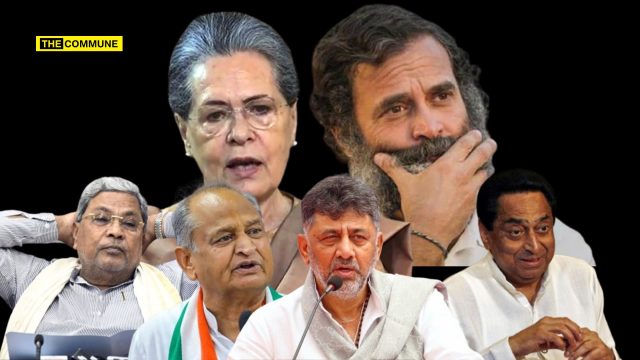
A comprehensive analysis has identified a consistent pattern spanning fifteen years where Congress-led state governments have moved to withdraw a significant number of criminal cases. These cases, often of a serious nature, were filed against a wide spectrum of individuals, including the party’s own leaders and workers, activists from organizations like the PFI and SDPI, those accused of Naxal-related activities, and individuals charged with forced religious conversions.
This report details 14 specific incidents from 2010 to 2025, raising critical questions about the use of executive power for political expediency, the undermining of law enforcement agencies, and the potential compromise of national security and communal harmony. The actions, frequently justified as “reviewing politically motivated cases,” have sparked intense debate over the ethical and legal implications of mass case withdrawals.
#1 Sept 2025: Karnataka Withdraws 60 Cases, Including for DK Shivakumar’s Aides
On 4 September 2025, the Siddaramaiah-led Karnataka cabinet approved the withdrawal of 60 criminal cases. Notably, 11 of these were related to supporters of Deputy Chief Minister DK Shivakumar, stemming from protests during his 2019 ED arrest and the Chittapur clash. The list also included cases against DK Suresh’s supporters from a 2012 protest, the 2023 stone-pelting at former CM Yediyurappa’s residence in Shivamogga, and communal fights in Haveri, signaling a broad sweep of politically convenient dismissals.
#2 May 2025: Court Strikes Down Karnataka’s Bid to Drop 43 Cases, Including Hubballi Riots
On 15 October 2024, the Karnataka government ordered the withdrawal of 43 criminal cases registered between 2008-2023. This list included the serious 2022 Hubballi riots case, which involved charges under stringent laws like the UAPA. However, in a significant judicial intervention on May 30, 2025, the Karnataka High Court struck down the government’s order, preventing the quashing of these serious charges and upholding the integrity of the judicial process.
#3 Mar 2025: Karnataka Scraps CID Probe into Gold Smuggling Case Involving Actress
In a move that raised eyebrows, the Karnataka government on 13 March 2025, withdrew a CID probe into a gold smuggling case. The investigation was initiated to determine if police officers misused protocols to assist actress Ranya Rao, who was arrested at Kempegowda International Airport for smuggling 14.2 kg of gold. By scrapping the CID enquiry, the government halted a probe that could have exposed deeper malfeasance within the system.
#4 Oct 2024: Hubballi Riot Cases Against AIMIM Leaders Withdrawn
The Congress government in Karnataka, on October 11, 2024, withdrew cases against AIMIM leader Mohammed Arif and 138 others accused in the 2022 Hubballi riots. The accused faced serious charges including rioting, attempted murder, and attacking police officers during violent protests outside the Old Hubballi Police Station. This withdrawal was perceived by critics as a move to appease a specific voter base.
#5 Sept 2024: Karnataka Shields Deputy CM, Withdraws CBI Consent in DA Case
In a direct intervention to protect its leadership, the Karnataka government on 18 September 2024, withdrew general consent for the Central Bureau of Investigation (CBI) to probe Deputy Chief Minister DK Shivakumar in a disproportionate assets case. This action effectively shielded him from a central agency investigation, a tactic often employed by state governments to block probes against influential figures.
#6 Aug 2023: Karnataka Cabinet Drops COVID Violation Cases Against Its Top Leadership
On 10 August 2023, the Karnataka cabinet decided to withdraw nine criminal cases filed against Chief Minister Siddaramaiah, Deputy CM DK Shivakumar, and other Congress leaders for violating COVID-19 norms during the 2022 Mekedatu Padayatra. The withdrawal, initiated by the Chief Whip and endorsed by the cabinet, was widely criticized as a blatant example of the government absolving its own top brass of legal accountability.
#7 June 2021: Chhattisgarh Withdraws 718 Cases, Including 124 Naxal-Related Ones
The Congress government in Chhattisgarh, on 4 June 2021, undertook a massive case withdrawal, cancelling 718 criminal cases in the Maoist-affected Bastar region. A committee headed by a retired Supreme Court Justice recommended the move, which included 124 Naxal-related cases. While framed as a confidence-building measure for tribals, security experts expressed concern over dropping cases related to insurgency.
#8 June 2019: MP Government’s Plan to Drop 50,000 Cases Against Congress Workers
Soon after coming to power, the Kamal Nath-led Madhya Pradesh cabinet decided on 26 June 2019, to withdraw a staggering 50,000 criminal cases filed against Congress workers and leaders over the previous 15 years. District committees were formed to review these cases, a move the opposition BJP decried as a blatant misuse of power to provide blanket immunity to party cadres.
#9 Jan 2019: MP Government Drops Forced Conversion Cases
On 22 January 2019, the Madhya Pradesh government announced its decision to withdraw cases related to forced religious conversions that had been filed against members of the Christian community and individuals involved in related protests. This decision sparked controversy, with critics arguing it undermined laws aimed at preventing coercive conversion practices.
#10 Jan 2019: Rajasthan Promises to Drop All Cases Against Youth Congress Workers
Rajasthan’s Minister of State and Youth Congress President, Ashok Chandna, declared on 4 January 2019, that all cases filed against Youth Congress workers during protests against the previous BJP government would be withdrawn. He assured workers that these “politically motivated” cases would be scrapped, ensuring they faced no legal consequences for their actions during demonstrations.
#11 Jan 2019: MP to Withdraw Cases from Bharat Bandh After Mayawati’s Ultimatum
Bowing to pressure from ally BSP, the Madhya Pradesh government on 1 January 2019, announced the withdrawal of cases filed against Dalit activists and political workers during the widespread violence of the 2018 ‘Bharat Bandh’. The decision came after BSP chief Mayawati threatened to withdraw support from the Congress government if action was not taken.
#12 Jan 2019: Rajasthan Follows Suit, Reviews Bharat Bandh Cases
Mirroring its counterpart in MP, the Rajasthan government led by Ashok Gehlot also announced on 1 January 2019, that it would review and withdraw cases filed against political workers and Dalit activists during the April 2018 Bharat Bandh. This decision was also a direct response to the ultimatum issued by BSP leader Mayawati.
#13 2013-2018: Karnataka Withdraws 176 Cases Against PFI-SDPI Activists
During Siddaramaiah’s previous term as Chief Minister (2013-2018), his government withdrew 176 criminal cases against nearly 1,600 activists of the Popular Front of India (PFI) and its political wing, the Social Democratic Party of India (SDPI). These cases, related to communal clashes and violations of prohibitory orders in places like Shivamogga, Mysuru, and Hassan, were dropped, a move that attracted significant criticism given the organizations’ controversial profiles.
#14 Dec 2010: Andhra Withdraws Cases Against Telangana Protesters
On 28 December 2010, the Congress government in Andhra Pradesh announced the withdrawal of all criminal cases against pro and anti-Telangana protesters, predominantly students, filed between 2009-2010. The decision was a direct result of an indefinite hunger strike undertaken by 11 Congress MPs from the Telangana region, highlighting the use of case withdrawals as a tool to manage political agitation and pacify internal party factions.
Subscribe to our channels on Telegram, WhatsApp, and Instagram and get the best stories of the day delivered to you personally.