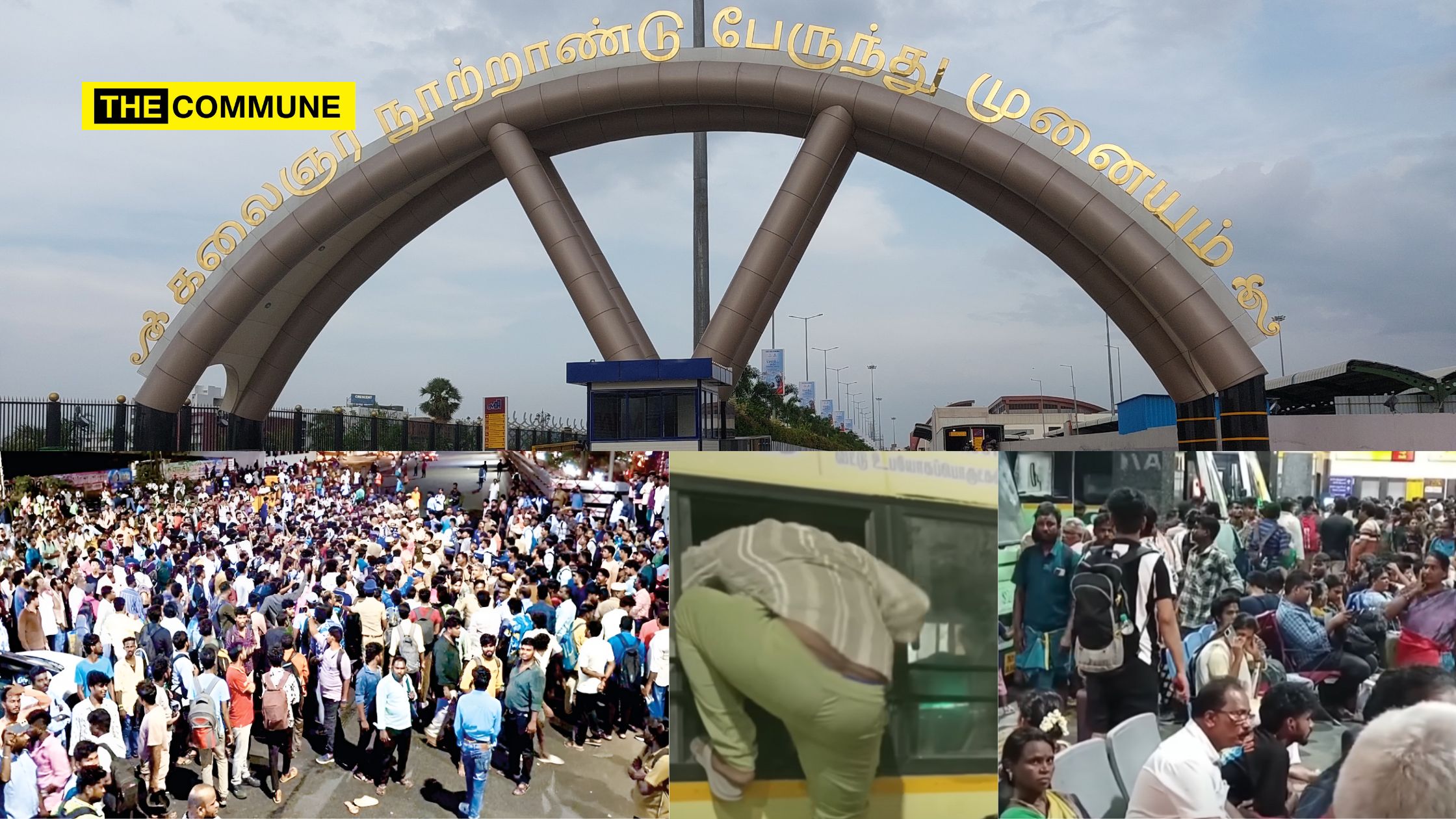
If you’re from a middle-class family that has moved from the southern parts of Tamil Nadu or any other region to the capital city in search of better job opportunities, it often feels like stepping through a one-way door: you can enter, but going back becomes nearly impossible. This is largely due to the government’s poor management of public transport, infrastructure, and related services. Every year, during festival seasons or auspicious times (muhurthams), there’s a massive rush of people trying to return to their hometowns. Yet, the ruling DMK government has consistently failed to address the situation, leaving ordinary citizens stranded on platforms, waiting endlessly for buses that never arrive.
From 5 June 2025 to 8 June 2025, except for the 7th, each day was a Subha Muhurtham—an auspicious day for weddings. On top of that, 7 June 2025 coincided with Bakrid, a major Muslim festival. Given this rare convergence, one would expect the so-called “Dravidian model” government, which prides itself on being socialist and people-centric, to have been well-prepared. But what unfolded was complete chaos not only at the Kilambakkam bus terminus, but on the roads leading to it from across Chennai.
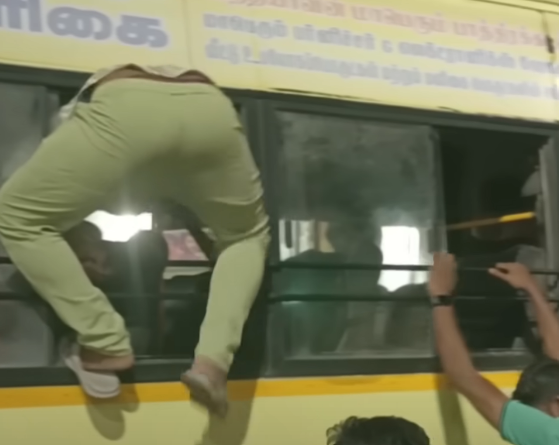
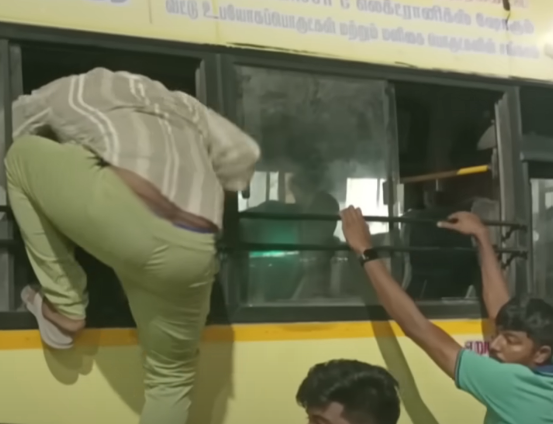
Kilambakkam is located nearly 30 kilometers away from key city areas like T. Nagar. All regular long-distance SETC buses ranging from AC to semi-sleeper and sleeper coaches were fully booked well in advance. By Thursday night (5th June), people arriving at the terminus were left stranded. Only a few non-reserved buses were available, with one bus arriving every 3-5 hours. Families, elderly people, and solo women travelers were forced to watch helplessly as others pushed, shoved, and fought to grab seats. The scene was both chaotic and disheartening.
குறைந்தபட்ச அரசு நிர்வாகத்தை கூட தர முடியாததற்கு பேர்தான் #கோபாலபுர_கோமாளி மாடல்…
ஓராண்டுக்கு குறைந்தது 1000 பேருந்துகளாகது வாங்க வேண்டும் ஆனால் #கோபாலபுர_கோமாளி ஸ்டாலின் மாடல் அரசு நான்கு ஆண்டுகளுக்கு 500 பேருந்துகள் கூட வாங்கவில்லை…போக்குவரத்து துறை அமைச்சர்… pic.twitter.com/NsHwIzeZ8K
— Gowri Sankar D – Say Yes to Women Safety&AIADMK (@GowriSankarD_) June 6, 2025
When questioned, bus inspectors admitted they were powerless. They claimed that unless a minister intervenes, nothing could be done. One even criticized the government directly, saying they were aware of the situation but consistently chose inaction. The buses, most of which are over 10 years old, haven’t been replaced or upgraded. Authorities argue that such rushes happen only during festival times and that buses run empty otherwise. Yet even basic improvements like deploying upgraded city buses are ignored.
On 5th and 6th June, passengers at Kilambakkam had to wait up to 4 hours for a bus. Why? Because of a baffling traffic plan implemented by the Greater Chennai Police. From Chengalpattu toll gate, incoming traffic to Chennai was allowed only through a single service lane, while six full lanes were allotted for vehicles leaving the city. This left inbound buses stuck in traffic for hours. As a result, a bus that departed Kilambakkam at 10 PM didn’t even cross Chengalpattu until 2 AM.
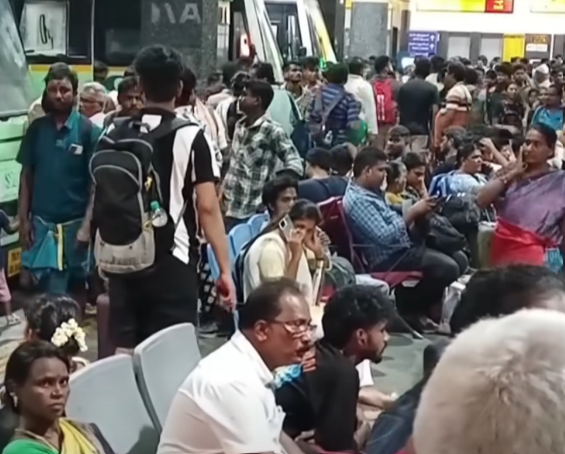
This was the fate of those lucky enough to board the one bus that arrived. But for the remaining 1,000+ passengers—including solo travelers, couples, families, and those with young children—they were left standing all night, exhausted and in pain from hours of waiting. With no other option, the crowd eventually blocked the Trichy National Highway in protest. Only then did the police arrive—not with buses, but merely to calm the angry crowd. Even after that, no immediate action was taken to get buses running. The question that now haunts every common citizen is, where are the ministers during times like this? Were they unaware that a four-day holiday combined with Subha Muhurthams and Bakrid would lead to a surge in travel? Did they not anticipate that people would suffer under these conditions?These are the unanswered questions that everyday people are left struggling with—again and again.
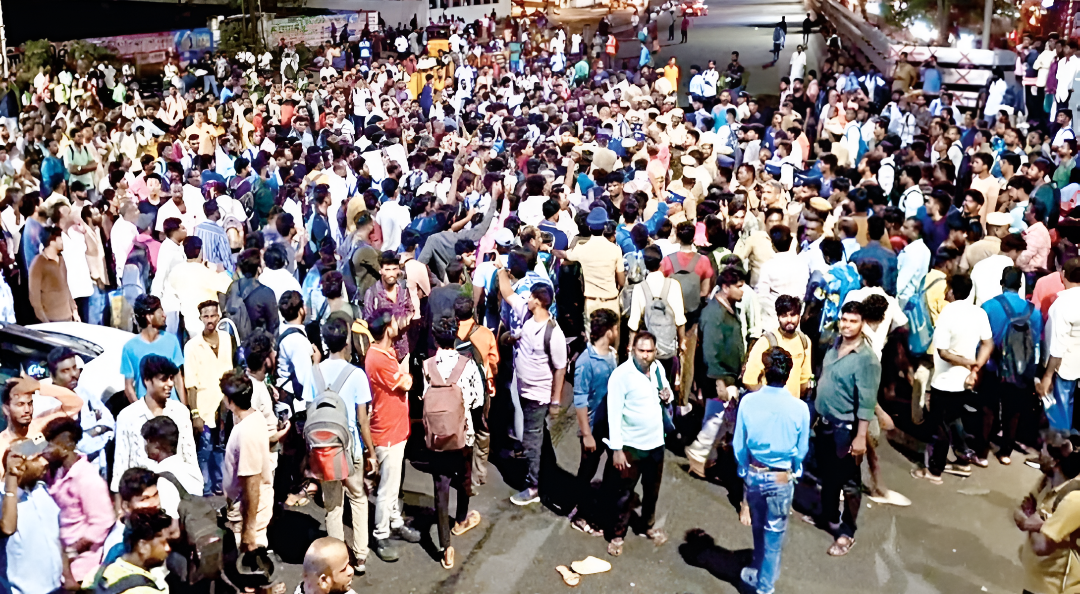
This isn’t a one-time incident it’s a reflection of how the Dravidian model governance often plays out. While the government makes grand claims, it’s the common man who suffers the consequences, time and again.
Subscribe to our channels on Telegram, WhatsApp, and Instagram and get the best stories of the day delivered to you personally.