


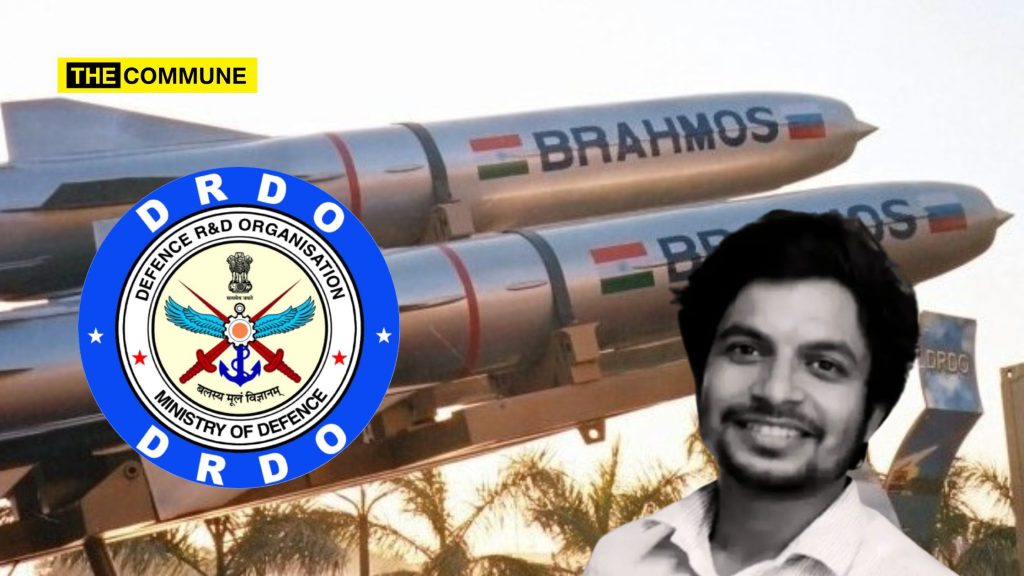
A 30-year-old engineer associated with the BrahMos missile system at the Defence Research and Development Organisation (DRDO) in Lucknow died suddenly after a suspected heart attack on 21 October 2025, police said the following day. The deceased, identified as Akashdeep Gupta, reportedly experienced discomfort after dinner that night and was rushed to the hospital, where he was declared dead. Authorities have yet to confirm the exact cause of death pending a post-mortem report.
According to preliminary police findings, Gupta’s death appears to be the result of a heart attack. “Prima facie the cause of death is considered to be a heart attack, but the real reason will only be clear after the post-mortem report is received,” a police officer said. Hospital authorities informed the local police following the incident.
Gupta, a systems engineer with DRDO’s BrahMos division, lived in Lucknow’s Alambagh area with his wife Bharti, a bank employee. The couple had married in April this year. His father, Kuldeep Gupta, said that Akashdeep had taken leave to celebrate Diwali with his family and had gone out to play cricket on Tuesday evening before feeling unwell later that night.
The sudden death of the young engineer has drawn attention due to his role in one of India’s most advanced defence programs. It comes amid a history of untimely or unexplained deaths involving scientists and engineers linked to the country’s strategic institutions, including DRDO, the Indian Space Research Organisation (ISRO), and the Bhabha Atomic Research Centre (BARC). While most of these deaths have been attributed to natural causes, suicides, or accidents, the frequency and circumstances have often raised questions within the scientific community.
Past incidents include cases classified as suicides, unexplained illnesses, and accidents, with some experts suggesting occupational stress, radiation exposure, or systemic lapses in workplace safety as possible factors. Security agencies have occasionally examined these cases for potential espionage or sabotage links, though no conclusive evidence has ever been established.
Officials have not suggested any foul play in Gupta’s death so far, but the sensitive nature of his work has prompted scrutiny. His body has been sent for post-mortem examination, and police said further details would be shared once the report is received.
Gupta’s death marks a personal tragedy for his family and a concerning addition to a pattern of sudden losses among India’s defence and scientific personnel working on critical national projects.
(Source: India Today)
Subscribe to our channels on WhatsApp, Telegram, Instagram and YouTube to get the best stories of the day delivered to you personally.