


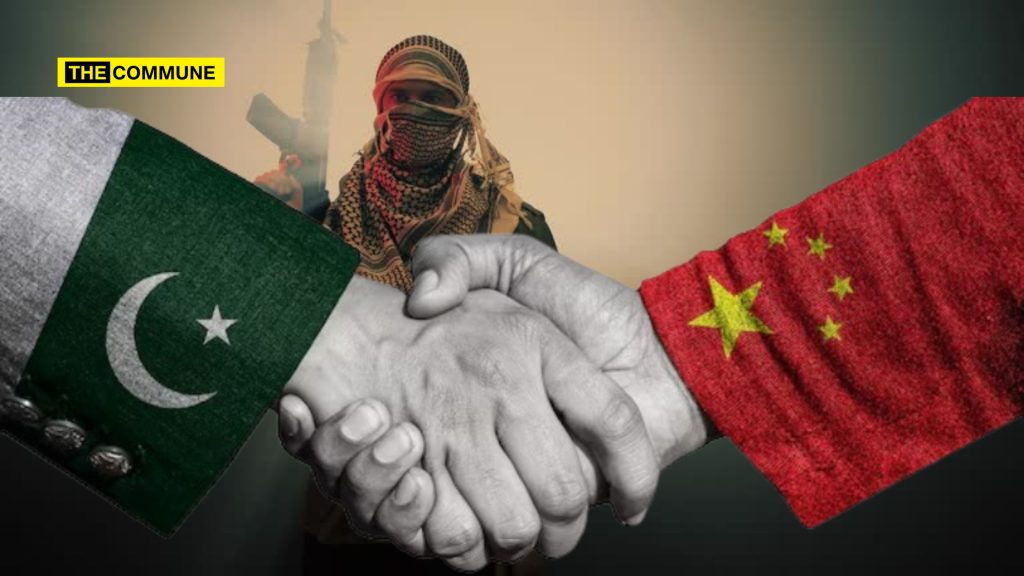
After the brutal attack in Pahalgam on 22 April 2025, which was linked to terrorists operating from Pakistan, the Indian government responded by cutting off trade ties and severing the Indus Water Treaty. This retaliation came as a shock to Pakistan. In response, it has sought support from China, which condemned the attack through a collective statement in the UN Security Council (UNSC). Despite this condemnation, China has repeatedly blocked India’s attempts to designate key Pakistan-based terrorists as global threats, such as Masood Azhar and Hafiz Saeed, by citing technical holds at the UNSC. This report explores China’s role in obstructing India’s efforts to blacklist terrorists at the UNSC from 2009 to 2023.
Instances of China Blocking UNSC Sanctions on Pakistan-Based Terrorists
Sajid Mir (20 June 2023):
China blocked a proposal at the UNSC, supported by India and the US, to blacklist Sajid Mir, a senior Lashkar-e-Taiba (LeT) militant, who was the key handler in the 2008 Mumbai attacks.
Hafiz Talah Saeed (19 October 2022):
China again placed a hold on a proposal to blacklist Hafiz Talah Saeed, the son of LeT chief Hafiz Saeed, a move backed by India and the US.
Shahid Mahmood (19 October 2022):
On the same day, China obstructed a proposal to list Shahid Mahmood, another Pakistan-based LeT terrorist, as a global terrorist. Mahmood asserted in 2016 that attacking America and India should be LeT’s top priority.
Sajid Mir (17 September 2022):
China blocked an additional bid by India and the US to impose sanctions on Sajid Mir, despite his involvement in the deadly 2008 attacks in Mumbai.
Abdul Rauf Azhar (12 August 2022):
In a rare occurrence, while all other UNSC members agreed to impose sanctions on Abdul Rauf Azhar, a commander of Jaish-e-Mohammad (JeM), China single-handedly blocked the move. Azhar has been implicated in several major terror attacks, including the 1999 Indian Airlines hijacking.
Abdul Rehman Makki (17 June 2022):
China placed a hold on efforts to designate Abdul Rehman Makki, a key figure involved in the 26/11 Mumbai attacks, as a global terrorist. Makki is included on the UAPA list of designated terrorists and is sought after for his participation in the Red Fort attack in Delhi in 2000, the 26/11 Mumbai terror attacks, and assaults on security forces in Jammu and Kashmir.
Masood Azhar (Thrice: 13 March 2019, 2 November 2017, 12 April 2016):
China once again blocked India’s attempt to blacklist Masood Azhar, the leader of JeM and the mastermind behind the 2019 Pulwama attack, despite growing international pressure.
In 2017, India condemned China’s decision to block the listing of Masood Azhar, calling the move “counterproductive.”
In 2016, Azhar publicly thanked China for shielding him from sanctions at the UNSC after the Pathankot attack, which he orchestrated.
Hafiz Saeed (December 2010):
China blocked the UNSC’s bid to impose sanctions on Hafiz Saeed, the mastermind of the 26/11 Mumbai attacks and leader of Jamaat-ud-Dawa (JuD). Additionally, China blocked India’s attempts to have Syed Salahuddin, the head of Hizb-ul Mujahideen, added to the terrorist blacklist.
Syed Salahuddin (December 2010):
China also defended Syed Salahuddin, the leader of Hizb-ul-Mujahideen, preventing his listing on the UNSC terror sanctions list.
Masood Azhar (13 March 2009):
China first placed a hold on Masood Azhar’s listing at the UNSC after India moved the proposal following the 26/11 attacks.
China’s repeated actions to shield Pakistan-based terrorists from UN sanctions have raised concerns about its strategic alignment with Pakistan, particularly in the context of terrorism. Despite China’s condemnation of terrorist activities like the Pahalgam attack, its actions at the UNSC have been consistent in protecting key terrorists, undermining international efforts to hold these individuals accountable for their roles in acts of terror. This pattern has persisted from 2009 to 2023.
Subscribe to our channels on Telegram, WhatsApp, and Instagram and get the best stories of the day delivered to you personally.